• My Feed
  • Home
  • What's Important
  • Media & Entertainment
Search

Stay Curious. Stay Wanture.

© 2026 Wanture. All rights reserved.

  • Terms of Use
  • Privacy Policy
Science/Mind

How Short Videos Are Rewiring Your Attention Span

The neuroscience behind dopamine loops, fragmented focus, and what happens when your brain adapts to 30-second stimulation cycles

11 February 2026

—

Explainer *

Adrian Vega
banner

Short-form video platforms have changed how American brains process information. With 53 minutes daily spent on sub-60-second content, your neural reward systems recalibrate around novelty density. This explainer breaks down dopamine prediction errors, sustained versus alternating attention, and why adolescent prefrontal cortexes are particularly vulnerable to rapid-switching patterns.

image (3)

Summary:

  • Short-form video platforms exploit dopamine's prediction error response—each 15-45 second clip triggers a novelty pulse, training your brain to expect constant stimulation and raising your reward threshold over time.
  • Frequent task-switching every 30 seconds weakens sustained attention infrastructure in the prefrontal cortex, making deep focus feel unnatural—not brain damage, but neuroplasticity reshaping toward what you practice most.
  • Above 90 minutes daily, correlations with attention problems strengthen in adolescents whose developing prefrontal cortex learns that rapid switching is normal—the risk isn't the format but the infinite, algorithm-optimized feed designed to maximize session time.

You're three videos deep when you notice the room has gone dark. Twenty minutes disappeared. Not stolen—you were there for every second. But also: you weren't.

Short-form video platforms have become the dominant interface between consciousness and screen. In 2025, Americans spent an average of 53 minutes daily watching videos under 60 seconds, according to Nielsen Digital Content Ratings. That's more time than many spend in sustained conversation. The question isn't whether this matters. It's how.

The Architecture of Fast Reward

Short videos operate on a simple principle: density of novelty. Every 15 to 45 seconds, the algorithm serves a new plot, new face, new hook. The pace mirrors the brain's dopamine response cycle.

Dopamine doesn't signal pleasure. It signals prediction error—the gap between what you expect and what arrives. A surprising punchline. An unexpected camera angle. A reveal you didn't see coming. Each micro-surprise triggers a dopamine pulse in the ventral tegmental area, the brain's novelty-detection hub.

The feed becomes an assembly line of surprises. Scroll, pulse, scroll, pulse. Your brain recalibrates what "normal" stimulation feels like. A 10-minute video essay or a book chapter now registers as understimulation. Not because you've lost intelligence, but because your reward threshold shifted.

This is tolerance, the same mechanism governing caffeine or sugar cravings. The system adapts. What once satisfied now feels slow.

Fragmentation as Default Mode

Attention isn't a spotlight you point at things—it's a rhythm your brain settles into. Neuroscientists distinguish between sustained attention (holding focus on one task) and alternating attention (switching between tasks). Short-form video trains the second mode relentlessly.

Every few seconds: a cut, a transition, new audio. The prefrontal cortex—the brain's executive control center—learns to expect interruption. It stops building neural infrastructure for deep focus because that infrastructure isn't being used.

Dr. Gloria Mark's research at UC Irvine found that frequent task-switchers take longer to return to baseline focus and lose momentum during transitions. The cost compounds over time.

This doesn't mean short videos "damage" your brain. But they do shape it. Neuroplasticity cuts both ways: the patterns you practice become the patterns that feel natural. If you practice switching every 30 seconds for an hour daily, your brain gets very good at switching every 30 seconds.

Speed Over Depth

There's a term in cognitive psychology: elaborative encoding. It's the process of connecting new information to existing knowledge, building semantic networks that make memory stick. It requires time. You can't elaborate in 20 seconds.

Short videos prioritize recognition over integration. You see a fact about octopus camouflage or a life hack for folding sheets. You recognize it. You might remember the image. But the information doesn't connect to anything. It exists in isolation, a bright flash with no roots.

This creates what users describe as an "information crash"—that hollow, slightly anxious feeling after a long scroll session. You consumed dozens of stimuli but retained almost nothing. The brain registered activity without accomplishment, like eating a bag of chips when you're actually hungry.

The Developing Brain Under Pressure

Adolescent brains are particularly vulnerable to these patterns. The prefrontal cortex—responsible for impulse control, planning, and sustained focus—doesn't finish developing until the mid-20s. During adolescence, it's under construction while the dopamine system runs at full intensity.

A recent preprint study by Chiossi and colleagues found that engaging with TikTok-style short videos impaired prospective memory in experimental conditions. Cross-national survey research from 2024–2025 reports associations between heavy short-form video use and attention problems in youth.

The effect appears dose-dependent. Under 30 minutes daily, minimal impact. Between 30 and 90 minutes, modest changes. Above 90 minutes, correlations strengthen. This isn't moral panic—it's mechanism. Young brains are learning what attention feels like. If the primary model is rapid switching, that becomes the baseline expectation.

Not Poison, But Dosage

Here's what often gets lost: short videos aren't inherently harmful. They can educate, inspire, connect. A 30-second animation can explain a concept more clearly than 10 minutes of lecture. A quick recipe video can teach a skill. The format itself is neutral.

The risk comes from the delivery system: an infinite, algorithmically optimized feed designed to maximize session time. Research on engagement-prolonging designs shows platforms use specific features that extend teen viewing sessions. The platform's incentive is engagement. Your brain's incentive is novelty. Those forces align perfectly—until you try to do something requiring depth.

Think of it like running. Sprints are valuable. They build certain capacities. But if you only ever sprint, you lose the ability to run a mile. Your cardiovascular system adapts to what you demand of it. Attention works the same way.

What Preservation Looks Like

The goal isn't abstinence—it's balance between attention modes. Here's what research and clinical practice suggest actually works:

Time Boundaries, Not Willpower

Set a timer before opening the app. Thirty minutes feels manageable. An open-ended scroll session will expand to fill available time and then some. The timer isn't punishment—it's a bookmark, a way to return to intentional use.

Conscious Consumption

Watch because you chose to, not because you're filling dead time. If you're watching while waiting for coffee or avoiding a difficult email, you're training your brain to reach for stimulation during discomfort. That's when the habit embeds deepest.

Daily Depth Practice

Read something long-form. Write a paragraph. Sketch. Cook a recipe without looking at your phone. Anything requiring sustained, single-task attention for 20+ minutes. This isn't virtue—it's maintenance. You're keeping the neural pathways for deep focus alive.

Protect Your Morning

Don't start the day with the feed. The first 30 minutes after waking set your cognitive tone. If you begin with rapid stimulus switching, your attention stays in that mode for hours. Start with slower input: a physical book, a conversation, a walk. Let your brain build momentum before introducing high-frequency stimulation.

The Shape of What Remains

Attention isn't collapsing. It's reshaping. The brain is doing what it always does: adapting to the most frequent inputs. Short videos don't destroy cognitive capacity—they optimize for a different kind of thinking. Faster, broader, more associative. Less linear, less sustained, less deep.

Neither mode is superior in isolation. The risk is losing the capacity to choose. If you can only think fast, you've lost access to certain kinds of understanding—the kind that comes from sitting with complexity, from letting ideas develop slowly, from boredom that eventually becomes insight.

The question isn't whether short videos are changing your brain. They are. Everything changes your brain. The question is whether you're changing it deliberately or by default, whether the attention style you're building serves the life you want to live.

That gap—between the brain you're training and the brain you need—is where consciousness lives. It's also where choice remains possible.

Topic

Smartphone Digital Parasitism

Why Your Brain Can’t Focus Anymore—and How to Fix It

13 February 2026

Why Your Brain Can’t Focus Anymore—and How to Fix It

Smartphones Are Hijacking Our Attention

17 December 2025

Smartphones Are Hijacking Our Attention

What is this about?

  • neuroscience/
  • attention economy/
  • digital wellness/
  • cognitive performance/
  • dopamine systems/
  • neuroplasticity

Feed

    Cursor 3 Launches Unified AI Coding Workspace

    Cursor 3 Launches Unified AI Coding Workspace

    Side‑panel lets devs toggle local and cloud agents, building on Composer 2 and Kimi 2.5

    about 19 hours ago
    Orion’s Six‑Minute Burn Puts Artemis 2 on Free‑Return Path

    Orion’s Six‑Minute Burn Puts Artemis 2 on Free‑Return Path

    iPhone 17 Pro Max survives Orion’s deep‑space test as crew heads to lunar flyby

    about 20 hours ago
    Android 17 Introduces System‑Level Notification Rules

    Android 17 Introduces System‑Level Notification Rules

    Samsung’s One UI 9 will adopt Android 17’s rules, adding OS‑level alert control

    about 21 hours ago

    Nvidia rolls out DLSS 4.5, 6× boost on RTX 50-series

    Dynamic Multi‑Frame Generation smooths 120–240 Hz, delivered in the driver 595.97

    about 23 hours ago
    Apple rolls out iOS 18.7.7 to block DarkSword

    Apple rolls out iOS 18.7.7 to block DarkSword

    Patch fixes six Safari bugs, stopping DarkSword on iOS 18–18.7 devices

    1 day ago
    BoxPlates Skins Revamp PS5 Slim & Pro in Two Weeks

    BoxPlates Skins Revamp PS5 Slim & Pro in Two Weeks

    1 day ago
    Artemis 2 Rockets Beyond Earth—402,000 km From Home

    Artemis 2 Rockets Beyond Earth—402,000 km From Home

    Lift‑off at 8:23 a.m. ET marks first crewed lunar flight since 1972, with a diverse four‑person crew

    2 days ago
    Apple celebrates 50 years with new minimalist wallpapers

    Apple celebrates 50 years with new minimalist wallpapers

    Basic Apple Guy releases iPhone and Mac wallpapers for Apple’s 50th anniversary

    2 days ago
    Razer Unveils Pro Type Ergo Ergonomic Keyboard Today

    Razer Unveils Pro Type Ergo Ergonomic Keyboard Today

    Split design, AI button, and 19‑zone RGB aim at U.S. workers with a 9.7% RSI rate

    3 days ago
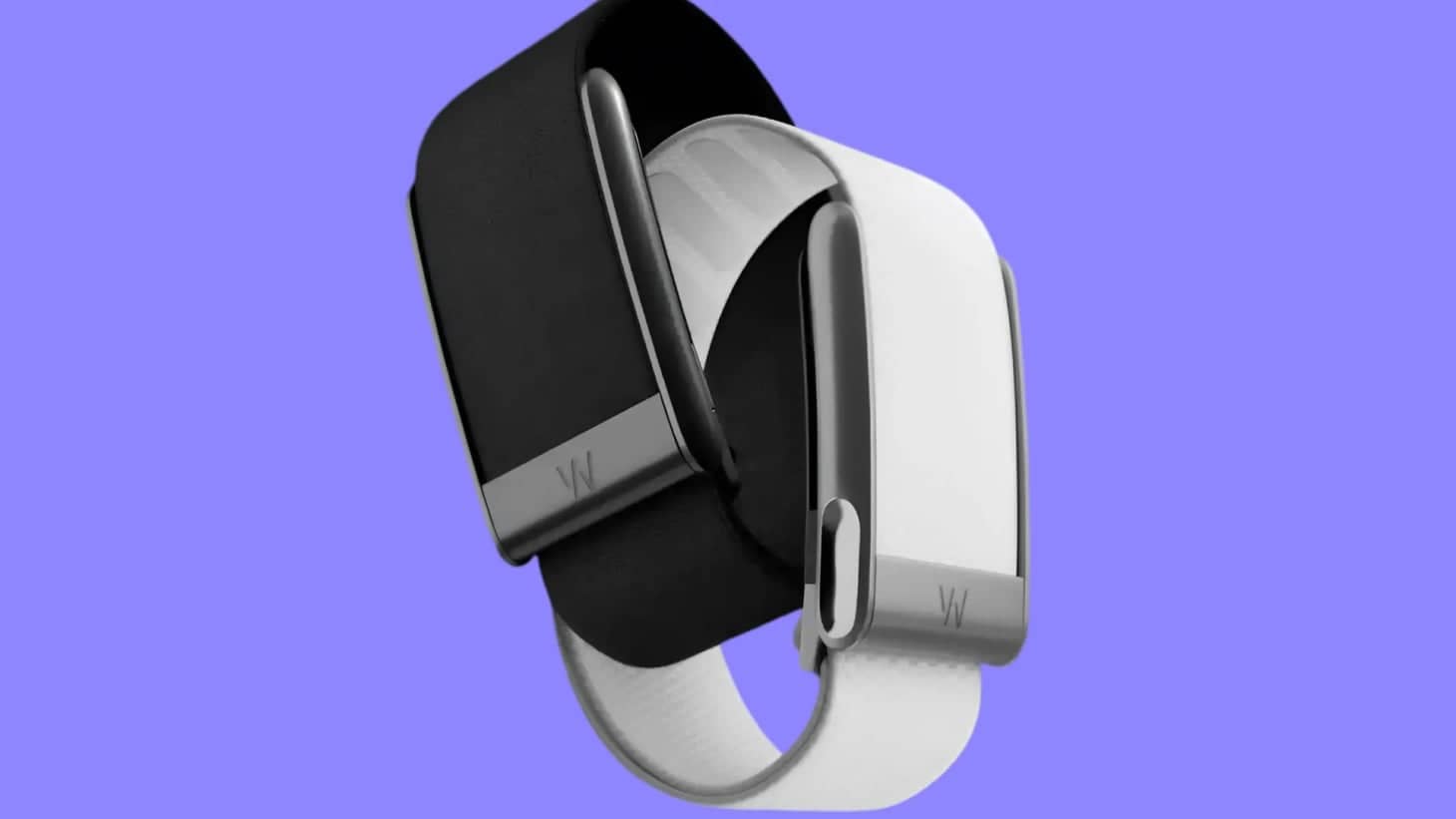
    Google to debut screen‑free Fitbit band in 2026

    Google to debut screen‑free Fitbit band in 2026

    AI‑driven training plan and upgraded platform aim at the health‑tracking market against Oura and Whoop

    3 days ago
    Nothing unveils AI‑powered smart glasses for a 2027 launch

    Nothing unveils AI‑powered smart glasses for a 2027 launch

    The glasses use a paired phone and cloud, with a clear frame and LED accents

    3 days ago
    Google rolls out Veo 3.1 Lite, halving AI video costs

    Google rolls out Veo 3.1 Lite, halving AI video costs

    Veo 3.1 Lite matches Veo 3.1 Fast speed but cuts price by over 50% for devs now

    3 days ago
    Freelander 97 Debuts 800‑V EV Crossover in Shanghai

    Freelander 97 Debuts 800‑V EV Crossover in Shanghai

    Chery‑JLR showcases ADS 4.1 autonomy on 800‑V platform, eyeing 2028 launch

    3 days ago
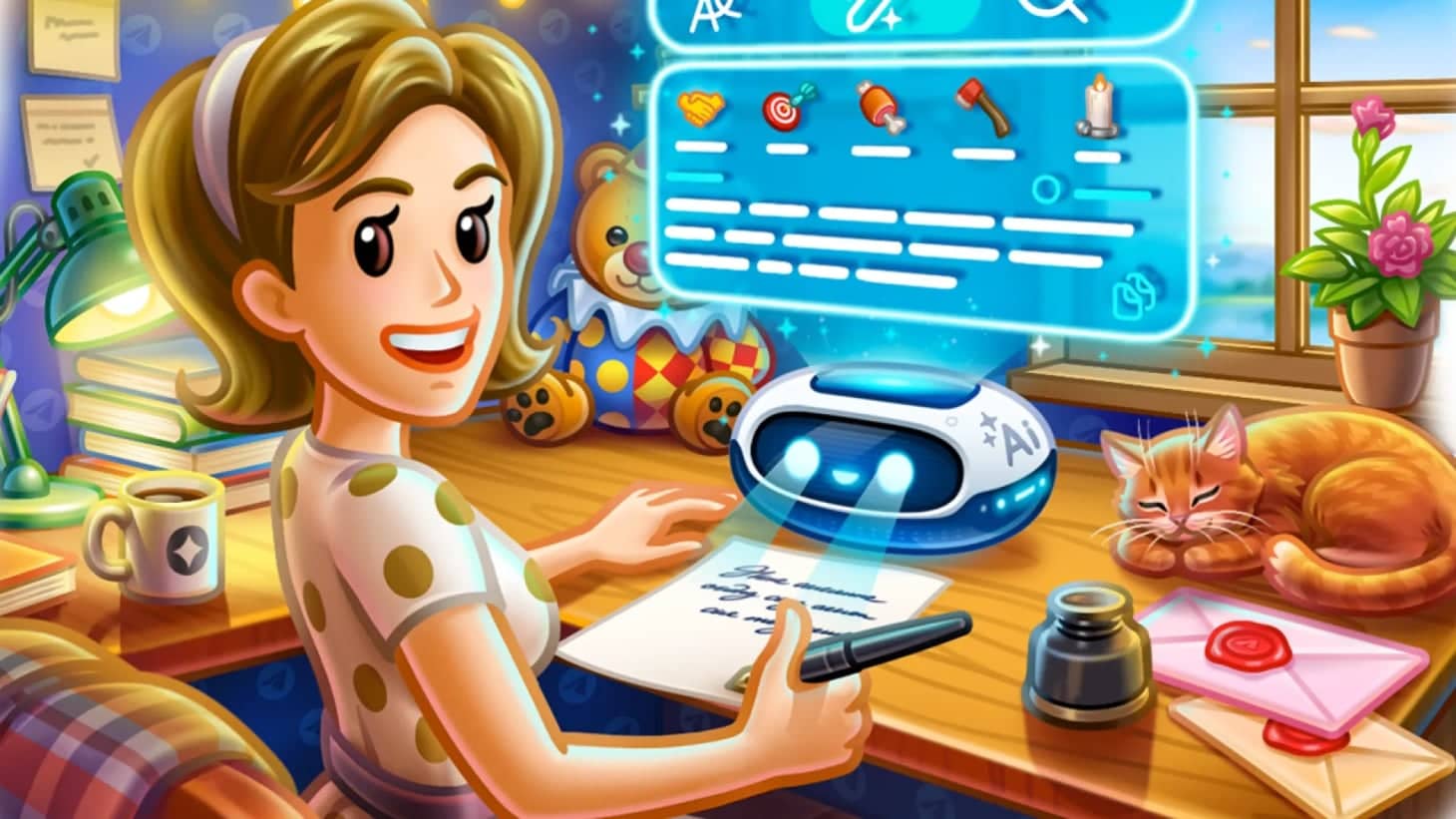
    Telegram Launches Version 12.6 With AI Editor, New Polls

    Telegram Launches Version 12.6 With AI Editor, New Polls

    It adds an AI tone editor, richer polls, Live/Motion Photos, and bot management

    3 days ago

    Pixel 11 Pro Renders Leak With Black Camera Bar and MediaTek Modem

    Google’s August 2026 flagship ditches Samsung radios for improved 5G and runs the Tensor G6

    3 days ago

    Anthropic leak reveals Opus 4.7, Sonnet 4.8 in npm 2.1.88

    Leak on March 30‑31 exposed TypeScript, revealing Opus 4.7, Sonnet 4.8, and internal features

    3 days ago
    iOS 26.5 beta lands on iPhone 17 Pro with an 8 GB download

    iOS 26.5 beta lands on iPhone 17 Pro with an 8 GB download

    Apple restores RCS encryption and adds a 12‑month subscription in the update

    3 days ago
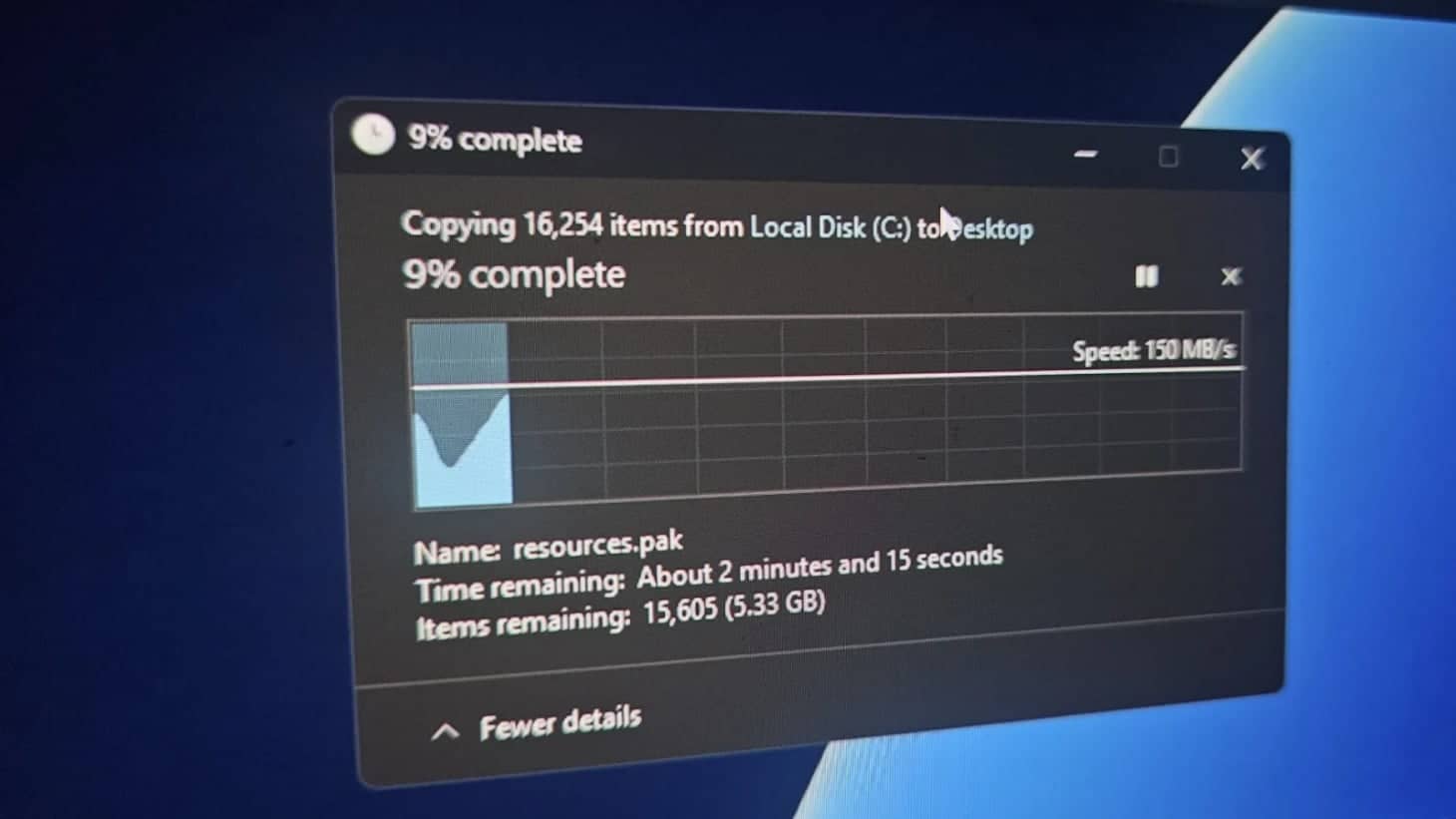
    Windows 11 24H2 Brings Dark Mode to Core Utilities

    Windows 11 24H2 Brings Dark Mode to Core Utilities

    Tools like Registry Editor get dark mode in Windows 11 24H2, out in Sep 2026

    5 days ago

    John Noble's 1,024 Thread Implant Powers Warcraft Raids

    John Noble, a former British parachutist turned veteran gamer, received a neural implant with 1,024 threads after a 2024 trial in Seattle. The device lets him control a MacBook with thought alone, turning World of Warcraft raids into hands‑free battles. His story shows how brain‑computer interfaces can expand digital access for disabled veterans and reshape gaming.

    5 days ago
    Apple unveils Siri app for iOS 27, adds 50+ AI agents

    Apple unveils Siri app for iOS 27, adds 50+ AI agents

    iOS 27 Siri app adds Extensions marketplace, eyeing Alexa’s 100,000‑skill store

    5 days ago
    Loading...
Science/Mind

How Short Videos Are Rewiring Your Attention Span

The neuroscience behind dopamine loops, fragmented focus, and what happens when your brain adapts to 30-second stimulation cycles

February 11, 2026, 1:29 pm

Short-form video platforms have changed how American brains process information. With 53 minutes daily spent on sub-60-second content, your neural reward systems recalibrate around novelty density. This explainer breaks down dopamine prediction errors, sustained versus alternating attention, and why adolescent prefrontal cortexes are particularly vulnerable to rapid-switching patterns.

image (3)

Summary

  • Short-form video platforms exploit dopamine's prediction error response—each 15-45 second clip triggers a novelty pulse, training your brain to expect constant stimulation and raising your reward threshold over time.
  • Frequent task-switching every 30 seconds weakens sustained attention infrastructure in the prefrontal cortex, making deep focus feel unnatural—not brain damage, but neuroplasticity reshaping toward what you practice most.
  • Above 90 minutes daily, correlations with attention problems strengthen in adolescents whose developing prefrontal cortex learns that rapid switching is normal—the risk isn't the format but the infinite, algorithm-optimized feed designed to maximize session time.

You're three videos deep when you notice the room has gone dark. Twenty minutes disappeared. Not stolen—you were there for every second. But also: you weren't.

Short-form video platforms have become the dominant interface between consciousness and screen. In 2025, Americans spent an average of 53 minutes daily watching videos under 60 seconds, according to Nielsen Digital Content Ratings. That's more time than many spend in sustained conversation. The question isn't whether this matters. It's how.

The Architecture of Fast Reward

Short videos operate on a simple principle: density of novelty. Every 15 to 45 seconds, the algorithm serves a new plot, new face, new hook. The pace mirrors the brain's dopamine response cycle.

Dopamine doesn't signal pleasure. It signals prediction error—the gap between what you expect and what arrives. A surprising punchline. An unexpected camera angle. A reveal you didn't see coming. Each micro-surprise triggers a dopamine pulse in the ventral tegmental area, the brain's novelty-detection hub.

The feed becomes an assembly line of surprises. Scroll, pulse, scroll, pulse. Your brain recalibrates what "normal" stimulation feels like. A 10-minute video essay or a book chapter now registers as understimulation. Not because you've lost intelligence, but because your reward threshold shifted.

This is tolerance, the same mechanism governing caffeine or sugar cravings. The system adapts. What once satisfied now feels slow.

Fragmentation as Default Mode

Attention isn't a spotlight you point at things—it's a rhythm your brain settles into. Neuroscientists distinguish between sustained attention (holding focus on one task) and alternating attention (switching between tasks). Short-form video trains the second mode relentlessly.

Every few seconds: a cut, a transition, new audio. The prefrontal cortex—the brain's executive control center—learns to expect interruption. It stops building neural infrastructure for deep focus because that infrastructure isn't being used.

Dr. Gloria Mark's research at UC Irvine found that frequent task-switchers take longer to return to baseline focus and lose momentum during transitions. The cost compounds over time.

This doesn't mean short videos "damage" your brain. But they do shape it. Neuroplasticity cuts both ways: the patterns you practice become the patterns that feel natural. If you practice switching every 30 seconds for an hour daily, your brain gets very good at switching every 30 seconds.

Speed Over Depth

There's a term in cognitive psychology: elaborative encoding. It's the process of connecting new information to existing knowledge, building semantic networks that make memory stick. It requires time. You can't elaborate in 20 seconds.

Short videos prioritize recognition over integration. You see a fact about octopus camouflage or a life hack for folding sheets. You recognize it. You might remember the image. But the information doesn't connect to anything. It exists in isolation, a bright flash with no roots.

This creates what users describe as an "information crash"—that hollow, slightly anxious feeling after a long scroll session. You consumed dozens of stimuli but retained almost nothing. The brain registered activity without accomplishment, like eating a bag of chips when you're actually hungry.

The Developing Brain Under Pressure

Adolescent brains are particularly vulnerable to these patterns. The prefrontal cortex—responsible for impulse control, planning, and sustained focus—doesn't finish developing until the mid-20s. During adolescence, it's under construction while the dopamine system runs at full intensity.

A recent preprint study by Chiossi and colleagues found that engaging with TikTok-style short videos impaired prospective memory in experimental conditions. Cross-national survey research from 2024–2025 reports associations between heavy short-form video use and attention problems in youth.

The effect appears dose-dependent. Under 30 minutes daily, minimal impact. Between 30 and 90 minutes, modest changes. Above 90 minutes, correlations strengthen. This isn't moral panic—it's mechanism. Young brains are learning what attention feels like. If the primary model is rapid switching, that becomes the baseline expectation.

Not Poison, But Dosage

Here's what often gets lost: short videos aren't inherently harmful. They can educate, inspire, connect. A 30-second animation can explain a concept more clearly than 10 minutes of lecture. A quick recipe video can teach a skill. The format itself is neutral.

The risk comes from the delivery system: an infinite, algorithmically optimized feed designed to maximize session time. Research on engagement-prolonging designs shows platforms use specific features that extend teen viewing sessions. The platform's incentive is engagement. Your brain's incentive is novelty. Those forces align perfectly—until you try to do something requiring depth.

Think of it like running. Sprints are valuable. They build certain capacities. But if you only ever sprint, you lose the ability to run a mile. Your cardiovascular system adapts to what you demand of it. Attention works the same way.

What Preservation Looks Like

The goal isn't abstinence—it's balance between attention modes. Here's what research and clinical practice suggest actually works:

Time Boundaries, Not Willpower

Set a timer before opening the app. Thirty minutes feels manageable. An open-ended scroll session will expand to fill available time and then some. The timer isn't punishment—it's a bookmark, a way to return to intentional use.

Conscious Consumption

Watch because you chose to, not because you're filling dead time. If you're watching while waiting for coffee or avoiding a difficult email, you're training your brain to reach for stimulation during discomfort. That's when the habit embeds deepest.

Daily Depth Practice

Read something long-form. Write a paragraph. Sketch. Cook a recipe without looking at your phone. Anything requiring sustained, single-task attention for 20+ minutes. This isn't virtue—it's maintenance. You're keeping the neural pathways for deep focus alive.

Protect Your Morning

Don't start the day with the feed. The first 30 minutes after waking set your cognitive tone. If you begin with rapid stimulus switching, your attention stays in that mode for hours. Start with slower input: a physical book, a conversation, a walk. Let your brain build momentum before introducing high-frequency stimulation.

The Shape of What Remains

Attention isn't collapsing. It's reshaping. The brain is doing what it always does: adapting to the most frequent inputs. Short videos don't destroy cognitive capacity—they optimize for a different kind of thinking. Faster, broader, more associative. Less linear, less sustained, less deep.

Neither mode is superior in isolation. The risk is losing the capacity to choose. If you can only think fast, you've lost access to certain kinds of understanding—the kind that comes from sitting with complexity, from letting ideas develop slowly, from boredom that eventually becomes insight.

The question isn't whether short videos are changing your brain. They are. Everything changes your brain. The question is whether you're changing it deliberately or by default, whether the attention style you're building serves the life you want to live.

That gap—between the brain you're training and the brain you need—is where consciousness lives. It's also where choice remains possible.

Topic

Smartphone Digital Parasitism

Why Your Brain Can’t Focus Anymore—and How to Fix It

13 February 2026

Why Your Brain Can’t Focus Anymore—and How to Fix It

Smartphones Are Hijacking Our Attention

17 December 2025

Smartphones Are Hijacking Our Attention

What is this about?

  • neuroscience/
  • attention economy/
  • digital wellness/
  • cognitive performance/
  • dopamine systems/
  • neuroplasticity

Feed

    Cursor 3 Launches Unified AI Coding Workspace

    Cursor 3 Launches Unified AI Coding Workspace

    Side‑panel lets devs toggle local and cloud agents, building on Composer 2 and Kimi 2.5

    about 19 hours ago
    Orion’s Six‑Minute Burn Puts Artemis 2 on Free‑Return Path

    Orion’s Six‑Minute Burn Puts Artemis 2 on Free‑Return Path

    iPhone 17 Pro Max survives Orion’s deep‑space test as crew heads to lunar flyby

    about 20 hours ago
    Android 17 Introduces System‑Level Notification Rules

    Android 17 Introduces System‑Level Notification Rules

    Samsung’s One UI 9 will adopt Android 17’s rules, adding OS‑level alert control

    about 21 hours ago

    Nvidia rolls out DLSS 4.5, 6× boost on RTX 50-series

    Dynamic Multi‑Frame Generation smooths 120–240 Hz, delivered in the driver 595.97

    about 23 hours ago
    Apple rolls out iOS 18.7.7 to block DarkSword

    Apple rolls out iOS 18.7.7 to block DarkSword

    Patch fixes six Safari bugs, stopping DarkSword on iOS 18–18.7 devices

    1 day ago
    BoxPlates Skins Revamp PS5 Slim & Pro in Two Weeks

    BoxPlates Skins Revamp PS5 Slim & Pro in Two Weeks

    1 day ago
    Artemis 2 Rockets Beyond Earth—402,000 km From Home

    Artemis 2 Rockets Beyond Earth—402,000 km From Home

    Lift‑off at 8:23 a.m. ET marks first crewed lunar flight since 1972, with a diverse four‑person crew

    2 days ago
    Apple celebrates 50 years with new minimalist wallpapers

    Apple celebrates 50 years with new minimalist wallpapers

    Basic Apple Guy releases iPhone and Mac wallpapers for Apple’s 50th anniversary

    2 days ago
    Razer Unveils Pro Type Ergo Ergonomic Keyboard Today

    Razer Unveils Pro Type Ergo Ergonomic Keyboard Today

    Split design, AI button, and 19‑zone RGB aim at U.S. workers with a 9.7% RSI rate

    3 days ago
    Google to debut screen‑free Fitbit band in 2026

    Google to debut screen‑free Fitbit band in 2026

    AI‑driven training plan and upgraded platform aim at the health‑tracking market against Oura and Whoop

    3 days ago
    Nothing unveils AI‑powered smart glasses for a 2027 launch

    Nothing unveils AI‑powered smart glasses for a 2027 launch

    The glasses use a paired phone and cloud, with a clear frame and LED accents

    3 days ago
    Google rolls out Veo 3.1 Lite, halving AI video costs

    Google rolls out Veo 3.1 Lite, halving AI video costs

    Veo 3.1 Lite matches Veo 3.1 Fast speed but cuts price by over 50% for devs now

    3 days ago
    Freelander 97 Debuts 800‑V EV Crossover in Shanghai

    Freelander 97 Debuts 800‑V EV Crossover in Shanghai

    Chery‑JLR showcases ADS 4.1 autonomy on 800‑V platform, eyeing 2028 launch

    3 days ago
    Telegram Launches Version 12.6 With AI Editor, New Polls

    Telegram Launches Version 12.6 With AI Editor, New Polls

    It adds an AI tone editor, richer polls, Live/Motion Photos, and bot management

    3 days ago

    Pixel 11 Pro Renders Leak With Black Camera Bar and MediaTek Modem

    Google’s August 2026 flagship ditches Samsung radios for improved 5G and runs the Tensor G6

    3 days ago

    Anthropic leak reveals Opus 4.7, Sonnet 4.8 in npm 2.1.88

    Leak on March 30‑31 exposed TypeScript, revealing Opus 4.7, Sonnet 4.8, and internal features

    3 days ago
    iOS 26.5 beta lands on iPhone 17 Pro with an 8 GB download

    iOS 26.5 beta lands on iPhone 17 Pro with an 8 GB download

    Apple restores RCS encryption and adds a 12‑month subscription in the update

    3 days ago
    Windows 11 24H2 Brings Dark Mode to Core Utilities

    Windows 11 24H2 Brings Dark Mode to Core Utilities

    Tools like Registry Editor get dark mode in Windows 11 24H2, out in Sep 2026

    5 days ago

    John Noble's 1,024 Thread Implant Powers Warcraft Raids

    John Noble, a former British parachutist turned veteran gamer, received a neural implant with 1,024 threads after a 2024 trial in Seattle. The device lets him control a MacBook with thought alone, turning World of Warcraft raids into hands‑free battles. His story shows how brain‑computer interfaces can expand digital access for disabled veterans and reshape gaming.

    5 days ago
    Apple unveils Siri app for iOS 27, adds 50+ AI agents

    Apple unveils Siri app for iOS 27, adds 50+ AI agents

    iOS 27 Siri app adds Extensions marketplace, eyeing Alexa’s 100,000‑skill store

    5 days ago
    Loading...
banner