
• My Feed
  • Home
  • What's Important
  • Media & Entertainment
Search

Stay Curious. Stay Wanture.

© 2026 Wanture. All rights reserved.

  • Terms of Use
  • Privacy Policy
Science/Tech
Plastic mirrors cut solar heat costs by 40%

Lightweight reflectors could replace fossil fuels in U.S. farms and factories

20 November 2025

—

Explainer *

Nadia Bennett
banner

University of South Australia researchers developed thermoformed plastic mirrors with aluminum-silica coating that weigh half what glass does and fold flat for shipping. The concentrated solar thermal technology redirects sunlight to heat water and air for industrial processes, offering a 40% cost reduction over traditional systems. Applications include California wineries, Midwest grain drying, and food processing plants across America.

IMG_0508

Summary:

  • Lightweight plastic solar mirrors reduce industrial heat generation costs by 40%, delivering direct thermal energy without electricity conversion.
  • University of South Australia demonstrates technology across agricultural and industrial applications, with potential for wineries, grain drying, and water heating.
  • Plastic mirrors weigh 50% less than glass, track sunlight precisely, and can integrate with existing heating infrastructure across diverse U.S. regions.

A breakthrough announced in May 2025 could reshape how American farms and factories heat water. Researchers at the University of South Australia unveiled lightweight plastic mirrors that weigh half what glass does and cost 40% less. The technology delivers industrial heat directly from sunlight. No conversion to electricity required.

What It Is

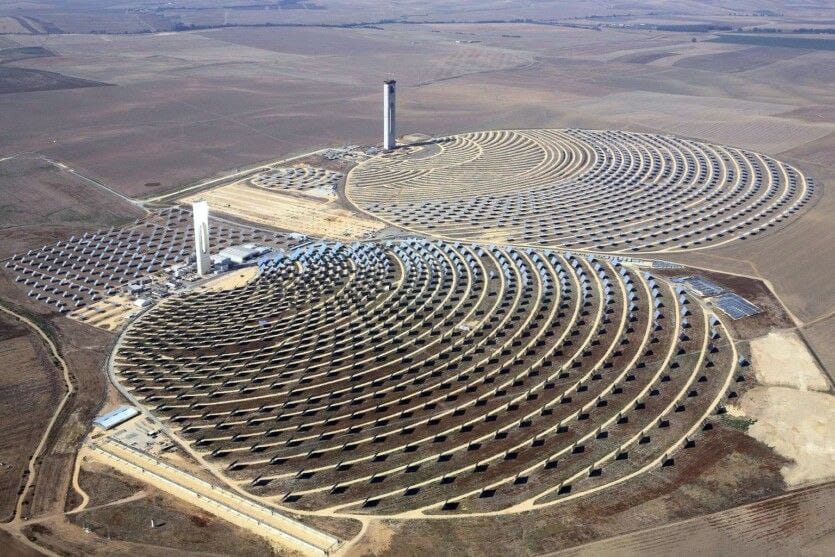
Plastic solar mirrors are thermoformed reflective panels coated with aluminum and silica. They belong to concentrated solar thermal technology. The mirrors redirect sunlight onto a central receiver. Heat concentrates there. Temperatures reach 400°F or higher. The system delivers thermal energy directly to industrial processes.

Why It Matters

Industrial heat accounts for one-third of U.S. energy consumption, according to the Department of Energy. Food processors dry grain. Textile factories steam fabric. Chemical plants distill compounds. Most burn natural gas or fuel oil.

The 40% cost reduction announced by the University of South Australia makes solar thermal economically viable for mid-sized operations. A dairy heating wash water. A cotton gin drying bolls. A winery sterilizing equipment. Direct solar thermal capture delivers heat where heat is needed.

How It Works

The Mirror Structure

Each mirror consists of shaped plastic with a multilayer coating. The coating reflects over 90% of incoming solar radiation, according to research published by the University of South Australia in collaboration with Impacts and Charles Sturt University. The plastic base weighs 50% less than equivalent glass mirrors.

The panels fold flat. They ship efficiently. They deploy quickly. Imagine a satellite dish made of flexible material. The curve focuses incoming rays toward a single point. These mirrors do the same with heat.

Heat Collection Process

The mirrors redirect sunlight onto a central receiver. The receiver contains fluid—typically oil or molten salt. Concentrated sunlight hits the receiver. Temperatures climb to 400°F or higher. The heated fluid flows through pipes to wherever heat is needed.

The system works like focusing sunlight through a magnifying glass. Spread out, sunlight warms gently. Concentrated, it delivers intense heat. The receiver captures thermal energy at temperatures high enough for industrial processes.

Sun-Tracking System

The mirrors mount on tracking mechanisms that follow the sun's path. Motors adjust mirror angles throughout the day, maintaining optimal focus on the receiver. Research published in Applied Energy demonstrated that sun-tracking systems increase solar thermal generation efficiency by 24%.

The tracking resembles how sunflowers turn toward light. Precision matters. A few degrees of misalignment reduces heat concentration significantly. The control system calculates sun position every few minutes and adjusts accordingly.

Thermal Energy Transfer

Hot fluid from the receiver flows through heat exchangers. These devices transfer thermal energy to process streams. A grain dryer might use hot air heated by the solar fluid. A desalination plant might boil seawater. A food processor might generate steam for cleaning.

Sunlight becomes heat. Heat transfers to the application. No conversion to electricity and back. Each conversion step loses energy. Fewer steps mean higher efficiency.

Real-World Applications

The Demonstration Project

The University of South Australia will test two 16-mirror arrays at Charles Sturt University's Vineyard of the Future. The project launched in May 2025 with support from the Australian Renewable Energy Agency. The arrays will provide performance data under real agricultural conditions. Results will inform deployment strategies for similar applications globally.

The vineyard site tests heat delivery for barrel sterilization, bottle washing, and fermentation temperature control. These processes require consistent heat. They currently rely on natural gas.

California Wine Production

California hosts 4,700 wineries, according to the Wine Institute. These facilities collectively consume enormous amounts of natural gas for heating processes. Napa Valley receives over 260 sunny days annually, according to National Weather Service data. Paso Robles gets even more.

The plastic mirrors' light weight matters here. Many wineries occupy hillside locations. Heavy glass mirror installations would require extensive foundation work. Lightweight panels reduce installation complexity and costs.

Midwest Grain Drying

Grain elevators in Iowa, Illinois, and Nebraska dry millions of bushels of corn and soybeans each harvest season. Current systems burn propane or natural gas to generate hot air. Drying costs represent a major expense for farmers and cooperatives, according to USDA Agricultural Marketing Service reports.

A concentrated solar thermal system could preheat drying air during daylight hours. Even partial solar contribution reduces fuel consumption. The Plains states average 200 to 220 sunny days per year, according to National Oceanic and Atmospheric Administration climate data. The flat-packable design allows seasonal installation and storage.

Industrial Water Heating

Food processing plants, textile facilities, and chemical manufacturers heat water continuously. A poultry processing plant heats thousands of gallons hourly for cleaning. A textile dyeing operation maintains hot water baths at precise temperatures.

Solar thermal systems can preheat water before it enters conventional boilers. This reduces fuel consumption without requiring process changes. The technology integrates with existing infrastructure. A facility adds the solar array and heat exchanger. The boiler continues operating but fires less frequently.

Common Misconceptions

Myth: Plastic degrades quickly under intense sunlight.

Reality: The multilayer aluminum-silica coating protects the substrate. The coating reflects most radiation before it reaches the plastic. UV stabilizers in the polymer prevent breakdown. Expected lifespan exceeds 20 years with proper maintenance, according to University of South Australia materials research.

Myth: Solar thermal only works in desert climates.

Reality: The technology functions effectively anywhere with consistent direct sunlight. Cloud cover reduces output, but systems generate useful heat even on partly cloudy days. The Midwest, Southeast, and Pacific Northwest all have viable solar thermal potential for industrial applications, according to National Renewable Energy Laboratory solar resource assessments.

Myth: The technology competes with solar panels.

Reality: Solar thermal and photovoltaic systems serve different purposes. Panels generate electricity efficiently. Mirrors deliver heat directly. Many facilities need both electricity and heat. The optimal solution often combines both technologies.

Takeaway

The 40% cost reduction changes the economics of industrial heat decarbonization. Facilities that couldn't justify solar thermal investment at previous prices can now calculate reasonable payback periods. The lightweight design reduces installation costs further.

American manufacturing consumes roughly 10 quadrillion BTUs of direct heat annually, according to Department of Energy industrial energy data. Even capturing 10% of that with solar thermal would displace significant fossil fuel use. The demonstration at Charles Sturt University will provide performance data that could accelerate U.S. deployment across agriculture, food processing, and manufacturing—transforming how American industry approaches thermal energy and renewable adoption.


What is this about?

  • Explainer */
  • Nadia Bennett/
  • Science/
  • Tech

Feed

    Honor Robot Shatters Half‑Marathon Record in 50:26

    Honor Robot Shatters Half‑Marathon Record in 50:26

    Robot Beats Human Benchmark by 7 Minutes, With 40% Fully Autonomous

    Marcus Dillardabout 17 hours ago
    AI Demand Drives DRAM Shortage, 16 GB DDR4 Prices Triple

    AI Demand Drives DRAM Shortage, 16 GB DDR4 Prices Triple

    AI outpaces DRAM, 16 GB DDR4 kit costs rise to three‑times mid‑2025 levels

    Priya Desaiabout 18 hours ago
    Casely issues second E33A recall in April 2026

    Casely issues second E33A recall in April 2026

    Up to 429,000 units made between March 2022 and Sept 2024 may overheat, prompting an urgent CPSC warning

    Carter Brooks2 days ago
    Meta hikes Quest 3S 128 GB, 256 GB, and Quest 3 512 GB prices

    Meta hikes Quest 3S 128 GB, 256 GB, and Quest 3 512 GB prices

    Price rise effective April 19, 2026, cites memory‑chip cost pressures

    Carter Brooks2 days ago
    Surface Laptop 8 OLED to debut this summer

    Surface Laptop 8 OLED to debut this summer

    Top‑tier models will feature OLED; Intel units arrive in May, and Snapdragon later

    Carter Brooks2 days ago
    Pixel 11 Leaks Pixel Glow Notification LEDs

    Pixel 11 Leaks Pixel Glow Notification LEDs

    Android 17 beta code shows Pixel 11 will add back‑panel lighting for alerts

    Carter Brooks3 days ago
    Apple adds camera shortcuts to iOS 27

    Apple adds camera shortcuts to iOS 27

    iOS 27 shortcuts turn photos into nutrition logs, contacts, and ticket scans

    Carter Brooks3 days ago
    Intel AI Quiet Plus Debuts on April 15, 2026

    Intel AI Quiet Plus Debuts on April 15, 2026

    Core Ultra 200HX Plus NPU caps noise at 43 dBA, retains 92% performance

    Priya Desai3 days ago
    Redmi Buds 8 Launches with 50 dB ANC and 11 mm Driver

    Redmi Buds 8 Launches with 50 dB ANC and 11 mm Driver

    Xiaomi Rolls Out Budget Earbuds in China on April 22, with 4 kHz ANC

    Carter Brooks3 days ago
    AMD re‑releases Ryzen 7 5800X3D for Q2 2026

    AMD re‑releases Ryzen 7 5800X3D for Q2 2026

    AMD offers performance to AM4 builders, extending platform life

    Priya Desai3 days ago
    OpenAI’s Codex gets gpt‑image‑1.5 and 90+ plugins

    OpenAI’s Codex gets gpt‑image‑1.5 and 90+ plugins

    The April 15, 2026 update adds autonomous screen control and a built‑in browser

    Ben Ramos3 days ago
    Apple to debut OLED iPad Air in 2027

    Apple to debut OLED iPad Air in 2027

    Affordable OLED display aims to revamp mid-range tablets

    Carter Brooks4 days ago
    Capcom orders GrizzoUK to delete 1,004 videos

    Capcom orders GrizzoUK to delete 1,004 videos

    Cease‑and‑desist nukes his Resident Evil: Requiem and Street Fighter mods, warning creators

    Ben Ramos4 days ago
    Allbirds' Pivot Fuels 600% Stock Surge

    Allbirds' Pivot Fuels 600% Stock Surge

    Marcus Dillard4 days ago
    DaVinci Resolve Beta Adds Photo Editor

    DaVinci Resolve Beta Adds Photo Editor

    Photo Manager lets creators edit RAW images inside the video timeline

    Ben Ramos5 days ago
    2026 Porsche 911 GT3 S/C Roadster Unveiled in Stuttgart

    2026 Porsche 911 GT3 S/C Roadster Unveiled in Stuttgart

    Base price $275,000; 4.0‑L flat‑six delivers 510 hp and 3.9 s 0‑60

    Ethan Whitaker5 days ago
    Trump Mobile unveils T1 phone with 6.78‑inch 120 Hz display

    Trump Mobile unveils T1 phone with 6.78‑inch 120 Hz display

    6.78‑inch AMOLED, Snapdragon 7‑series, 512 GB storage, triple‑camera specs

    Carter Brooks5 days ago
    Sony InZone M10S II launches with 540 Hz OLED gaming monitor

    Sony InZone M10S II launches with 540 Hz OLED gaming monitor

    27‑inch WOLED with 2,560 × 1,440 at 540 Hz, 0.02‑ms response and 1,500,000:1 contrast

    Carter Brooks5 days ago
    Google launches Windows app with Alt+Space search shortcut

    Google launches Windows app with Alt+Space search shortcut

    The new Google app adds AI and Lens search, but AI mode works only in English

    Carter Brooks5 days ago
    Samsung raises prices on Galaxy Z Flip 7, S25 FE, S25 Edge

    Samsung raises prices on Galaxy Z Flip 7, S25 FE, S25 Edge

    April 12 hikes push flagship devices above $1,200, raising concerns

    Carter Brooks6 days ago
    Loading...
Science/Tech

Plastic mirrors cut solar heat costs by 40%

Lightweight reflectors could replace fossil fuels in U.S. farms and factories

November 20, 2025, 1:38 am

University of South Australia researchers developed thermoformed plastic mirrors with aluminum-silica coating that weigh half what glass does and fold flat for shipping. The concentrated solar thermal technology redirects sunlight to heat water and air for industrial processes, offering a 40% cost reduction over traditional systems. Applications include California wineries, Midwest grain drying, and food processing plants across America.

IMG_0508

Summary

  • Lightweight plastic solar mirrors reduce industrial heat generation costs by 40%, delivering direct thermal energy without electricity conversion.
  • University of South Australia demonstrates technology across agricultural and industrial applications, with potential for wineries, grain drying, and water heating.
  • Plastic mirrors weigh 50% less than glass, track sunlight precisely, and can integrate with existing heating infrastructure across diverse U.S. regions.

A breakthrough announced in May 2025 could reshape how American farms and factories heat water. Researchers at the University of South Australia unveiled lightweight plastic mirrors that weigh half what glass does and cost 40% less. The technology delivers industrial heat directly from sunlight. No conversion to electricity required.

What It Is

Plastic solar mirrors are thermoformed reflective panels coated with aluminum and silica. They belong to concentrated solar thermal technology. The mirrors redirect sunlight onto a central receiver. Heat concentrates there. Temperatures reach 400°F or higher. The system delivers thermal energy directly to industrial processes.

Why It Matters

Industrial heat accounts for one-third of U.S. energy consumption, according to the Department of Energy. Food processors dry grain. Textile factories steam fabric. Chemical plants distill compounds. Most burn natural gas or fuel oil.

The 40% cost reduction announced by the University of South Australia makes solar thermal economically viable for mid-sized operations. A dairy heating wash water. A cotton gin drying bolls. A winery sterilizing equipment. Direct solar thermal capture delivers heat where heat is needed.

How It Works

The Mirror Structure

Each mirror consists of shaped plastic with a multilayer coating. The coating reflects over 90% of incoming solar radiation, according to research published by the University of South Australia in collaboration with Impacts and Charles Sturt University. The plastic base weighs 50% less than equivalent glass mirrors.

The panels fold flat. They ship efficiently. They deploy quickly. Imagine a satellite dish made of flexible material. The curve focuses incoming rays toward a single point. These mirrors do the same with heat.

Heat Collection Process

The mirrors redirect sunlight onto a central receiver. The receiver contains fluid—typically oil or molten salt. Concentrated sunlight hits the receiver. Temperatures climb to 400°F or higher. The heated fluid flows through pipes to wherever heat is needed.

The system works like focusing sunlight through a magnifying glass. Spread out, sunlight warms gently. Concentrated, it delivers intense heat. The receiver captures thermal energy at temperatures high enough for industrial processes.

Sun-Tracking System

The mirrors mount on tracking mechanisms that follow the sun's path. Motors adjust mirror angles throughout the day, maintaining optimal focus on the receiver. Research published in Applied Energy demonstrated that sun-tracking systems increase solar thermal generation efficiency by 24%.

The tracking resembles how sunflowers turn toward light. Precision matters. A few degrees of misalignment reduces heat concentration significantly. The control system calculates sun position every few minutes and adjusts accordingly.

Thermal Energy Transfer

Hot fluid from the receiver flows through heat exchangers. These devices transfer thermal energy to process streams. A grain dryer might use hot air heated by the solar fluid. A desalination plant might boil seawater. A food processor might generate steam for cleaning.

Sunlight becomes heat. Heat transfers to the application. No conversion to electricity and back. Each conversion step loses energy. Fewer steps mean higher efficiency.

Real-World Applications

The Demonstration Project

The University of South Australia will test two 16-mirror arrays at Charles Sturt University's Vineyard of the Future. The project launched in May 2025 with support from the Australian Renewable Energy Agency. The arrays will provide performance data under real agricultural conditions. Results will inform deployment strategies for similar applications globally.

The vineyard site tests heat delivery for barrel sterilization, bottle washing, and fermentation temperature control. These processes require consistent heat. They currently rely on natural gas.

California Wine Production

California hosts 4,700 wineries, according to the Wine Institute. These facilities collectively consume enormous amounts of natural gas for heating processes. Napa Valley receives over 260 sunny days annually, according to National Weather Service data. Paso Robles gets even more.

The plastic mirrors' light weight matters here. Many wineries occupy hillside locations. Heavy glass mirror installations would require extensive foundation work. Lightweight panels reduce installation complexity and costs.

Midwest Grain Drying

Grain elevators in Iowa, Illinois, and Nebraska dry millions of bushels of corn and soybeans each harvest season. Current systems burn propane or natural gas to generate hot air. Drying costs represent a major expense for farmers and cooperatives, according to USDA Agricultural Marketing Service reports.

A concentrated solar thermal system could preheat drying air during daylight hours. Even partial solar contribution reduces fuel consumption. The Plains states average 200 to 220 sunny days per year, according to National Oceanic and Atmospheric Administration climate data. The flat-packable design allows seasonal installation and storage.

Industrial Water Heating

Food processing plants, textile facilities, and chemical manufacturers heat water continuously. A poultry processing plant heats thousands of gallons hourly for cleaning. A textile dyeing operation maintains hot water baths at precise temperatures.

Solar thermal systems can preheat water before it enters conventional boilers. This reduces fuel consumption without requiring process changes. The technology integrates with existing infrastructure. A facility adds the solar array and heat exchanger. The boiler continues operating but fires less frequently.

Common Misconceptions

Myth: Plastic degrades quickly under intense sunlight.

Reality: The multilayer aluminum-silica coating protects the substrate. The coating reflects most radiation before it reaches the plastic. UV stabilizers in the polymer prevent breakdown. Expected lifespan exceeds 20 years with proper maintenance, according to University of South Australia materials research.

Myth: Solar thermal only works in desert climates.

Reality: The technology functions effectively anywhere with consistent direct sunlight. Cloud cover reduces output, but systems generate useful heat even on partly cloudy days. The Midwest, Southeast, and Pacific Northwest all have viable solar thermal potential for industrial applications, according to National Renewable Energy Laboratory solar resource assessments.

Myth: The technology competes with solar panels.

Reality: Solar thermal and photovoltaic systems serve different purposes. Panels generate electricity efficiently. Mirrors deliver heat directly. Many facilities need both electricity and heat. The optimal solution often combines both technologies.

Takeaway

The 40% cost reduction changes the economics of industrial heat decarbonization. Facilities that couldn't justify solar thermal investment at previous prices can now calculate reasonable payback periods. The lightweight design reduces installation costs further.

American manufacturing consumes roughly 10 quadrillion BTUs of direct heat annually, according to Department of Energy industrial energy data. Even capturing 10% of that with solar thermal would displace significant fossil fuel use. The demonstration at Charles Sturt University will provide performance data that could accelerate U.S. deployment across agriculture, food processing, and manufacturing—transforming how American industry approaches thermal energy and renewable adoption.

What is this about?

  • Explainer */
  • Nadia Bennett/
  • Science/
  • Tech

Feed

    Honor Robot Shatters Half‑Marathon Record in 50:26

    Honor Robot Shatters Half‑Marathon Record in 50:26

    Robot Beats Human Benchmark by 7 Minutes, With 40% Fully Autonomous

    Marcus Dillardabout 17 hours ago
    AI Demand Drives DRAM Shortage, 16 GB DDR4 Prices Triple

    AI Demand Drives DRAM Shortage, 16 GB DDR4 Prices Triple

    AI outpaces DRAM, 16 GB DDR4 kit costs rise to three‑times mid‑2025 levels

    Priya Desaiabout 18 hours ago
    Casely issues second E33A recall in April 2026

    Casely issues second E33A recall in April 2026

    Up to 429,000 units made between March 2022 and Sept 2024 may overheat, prompting an urgent CPSC warning

    Carter Brooks2 days ago
    Meta hikes Quest 3S 128 GB, 256 GB, and Quest 3 512 GB prices

    Meta hikes Quest 3S 128 GB, 256 GB, and Quest 3 512 GB prices

    Price rise effective April 19, 2026, cites memory‑chip cost pressures

    Carter Brooks2 days ago
    Surface Laptop 8 OLED to debut this summer

    Surface Laptop 8 OLED to debut this summer

    Top‑tier models will feature OLED; Intel units arrive in May, and Snapdragon later

    Carter Brooks2 days ago
    Pixel 11 Leaks Pixel Glow Notification LEDs

    Pixel 11 Leaks Pixel Glow Notification LEDs

    Android 17 beta code shows Pixel 11 will add back‑panel lighting for alerts

    Carter Brooks3 days ago
    Apple adds camera shortcuts to iOS 27

    Apple adds camera shortcuts to iOS 27

    iOS 27 shortcuts turn photos into nutrition logs, contacts, and ticket scans

    Carter Brooks3 days ago
    Intel AI Quiet Plus Debuts on April 15, 2026

    Intel AI Quiet Plus Debuts on April 15, 2026

    Core Ultra 200HX Plus NPU caps noise at 43 dBA, retains 92% performance

    Priya Desai3 days ago
    Redmi Buds 8 Launches with 50 dB ANC and 11 mm Driver

    Redmi Buds 8 Launches with 50 dB ANC and 11 mm Driver

    Xiaomi Rolls Out Budget Earbuds in China on April 22, with 4 kHz ANC

    Carter Brooks3 days ago
    AMD re‑releases Ryzen 7 5800X3D for Q2 2026

    AMD re‑releases Ryzen 7 5800X3D for Q2 2026

    AMD offers performance to AM4 builders, extending platform life

    Priya Desai3 days ago
    OpenAI’s Codex gets gpt‑image‑1.5 and 90+ plugins

    OpenAI’s Codex gets gpt‑image‑1.5 and 90+ plugins

    The April 15, 2026 update adds autonomous screen control and a built‑in browser

    Ben Ramos3 days ago
    Apple to debut OLED iPad Air in 2027

    Apple to debut OLED iPad Air in 2027

    Affordable OLED display aims to revamp mid-range tablets

    Carter Brooks4 days ago
    Capcom orders GrizzoUK to delete 1,004 videos

    Capcom orders GrizzoUK to delete 1,004 videos

    Cease‑and‑desist nukes his Resident Evil: Requiem and Street Fighter mods, warning creators

    Ben Ramos4 days ago
    Allbirds' Pivot Fuels 600% Stock Surge

    Allbirds' Pivot Fuels 600% Stock Surge

    Marcus Dillard4 days ago
    DaVinci Resolve Beta Adds Photo Editor

    DaVinci Resolve Beta Adds Photo Editor

    Photo Manager lets creators edit RAW images inside the video timeline

    Ben Ramos5 days ago
    2026 Porsche 911 GT3 S/C Roadster Unveiled in Stuttgart

    2026 Porsche 911 GT3 S/C Roadster Unveiled in Stuttgart

    Base price $275,000; 4.0‑L flat‑six delivers 510 hp and 3.9 s 0‑60

    Ethan Whitaker5 days ago
    Trump Mobile unveils T1 phone with 6.78‑inch 120 Hz display

    Trump Mobile unveils T1 phone with 6.78‑inch 120 Hz display

    6.78‑inch AMOLED, Snapdragon 7‑series, 512 GB storage, triple‑camera specs

    Carter Brooks5 days ago
    Sony InZone M10S II launches with 540 Hz OLED gaming monitor

    Sony InZone M10S II launches with 540 Hz OLED gaming monitor

    27‑inch WOLED with 2,560 × 1,440 at 540 Hz, 0.02‑ms response and 1,500,000:1 contrast

    Carter Brooks5 days ago
    Google launches Windows app with Alt+Space search shortcut

    Google launches Windows app with Alt+Space search shortcut

    The new Google app adds AI and Lens search, but AI mode works only in English

    Carter Brooks5 days ago
    Samsung raises prices on Galaxy Z Flip 7, S25 FE, S25 Edge

    Samsung raises prices on Galaxy Z Flip 7, S25 FE, S25 Edge

    April 12 hikes push flagship devices above $1,200, raising concerns

    Carter Brooks6 days ago
    Loading...
banner