• My Feed
  • Home
  • What's Important
  • Media & Entertainment
Search

Stay Curious. Stay Wanture.

© 2026 Wanture. All rights reserved.

  • Terms of Use
  • Privacy Policy
Science/Mind

Neuralink's First Peer Review: Three Patients, Real Data

Brad Smith found his voice. Alex Conley commands robots with thought. The evidence just went public

2 November 2025

—

Profile *

Emily Rivera
banner

Neuralink submitted data from its first three human patients to the New England Journal of Medicine—the moment brain-computer interfaces move from experimental to legitimate medicine. Brad Smith, an ALS patient, restored his natural voice and plays Mario Kart with his kids using thought alone. Alex Conley became the first to control a robotic arm. Noland Arbaugh thrives 21 months post-implant, studying neuroscience while living with the technology. This isn't hype—it's peer-reviewed evidence that could change thousands of lives.

image-23

Summary:

  • Noland Arbaugh becomes first Neuralink patient, controlling computer cursor with thoughts after paralysis
  • Brain implant enables digital independence: playing games, studying, and connecting online using neural signals
  • Pioneering technology offers hope for paralyzed individuals, with realistic expectations of enhanced digital interaction
banner

Nolan Arbaugh remembers the exact moment he realized his life had changed forever. Not the diving accident that left him paralyzed from the shoulders down at nineteen—that memory is hazy, fragmented by trauma. No, the moment that sticks with him came years later, sitting in a research facility in California, when he moved a computer cursor across a screen using nothing but his thoughts. "I cried," he says simply. "Not because it was some big technological breakthrough. I cried because I could finally do something for myself again."

Twenty-one months later, Arbaugh isn't just surviving with a Neuralink brain implant—he's building a life that seemed impossible after his injury. He's taking pre-calculus classes, studying neuroscience, and traveling the country sharing his story as one of the first humans to live with a brain-computer interface. His journey from paralyzed teenager to neural interface pioneer reveals both the extraordinary promise of this technology and the deeply human story behind the headlines.

Before the Chip: A Life Interrupted

Arbaugh's life before the accident was unremarkable in the best way—high school, friends, sports, plans for college. The kind of ordinary teenage existence that only becomes precious after it's gone. The diving accident shattered that normalcy in an instant, leaving him dependent on others for nearly everything. Getting dressed. Eating. Turning pages in a book. The loss of independence was crushing.

"People focus on the big stuff—walking, using your arms. But it's the small things that really get to you. Not being able to scratch your own nose. Having to ask someone to adjust your pillow at three in the morning. Losing the ability to do anything privately, spontaneously, on your own terms."

He tried various assistive technologies—eye-tracking systems, voice commands, sip-and-puff controllers. Each helped, but each came with limitations. Eye-tracking was slow and exhausting. Voice commands didn't work well in noisy environments or when he was tired. Nothing felt natural. Nothing felt like control.

The Decision to Be First

When Neuralink announced it was looking for volunteers for human trials, Arbaugh's family was skeptical. Brain surgery. Experimental technology. No guarantee it would work. Plenty of risks. His mother worried about infection, about complications, about her son becoming a guinea pig for a tech company's ambitions.

But Arbaugh saw something different: possibility. "I'd already lost so much," he says. "What did I have to lose by trying? If it worked, maybe I could get some independence back. If it didn't work, I'd be exactly where I was before. The risk felt worth it."

The screening process was rigorous—medical evaluations, psychological assessments, endless consent forms explaining everything that could go wrong. Arbaugh read every word. He asked questions. He understood he was volunteering to be a pioneer, with all the uncertainty that entailed. In early 2024, he became the first person to receive a Neuralink implant.

Learning to Think Differently

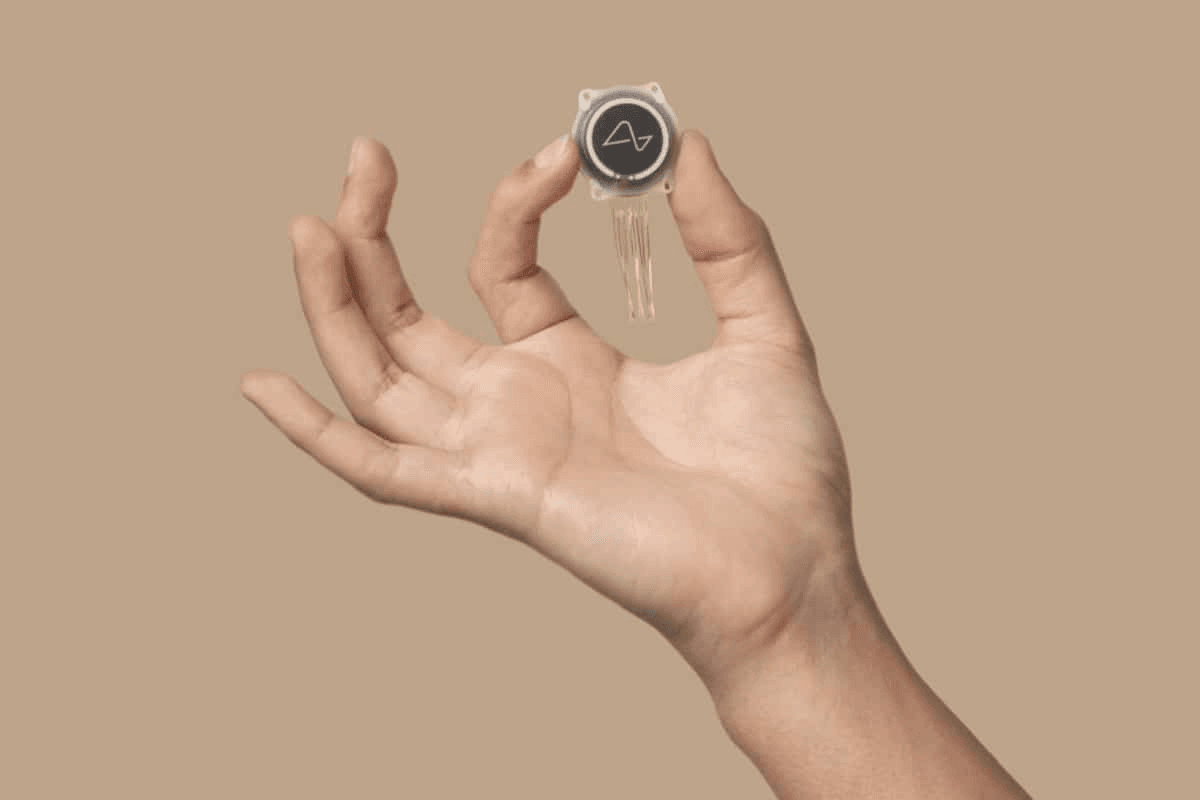
The surgery itself was surprisingly straightforward—a few hours under anesthesia, a small incision, the implant placed precisely in the motor cortex region of his brain. Arbaugh woke up with a bandage on his head and a device smaller than a coin embedded in his skull, its thousands of tiny electrodes now listening to his neurons.

But having the hardware was just the beginning. Learning to use it was like learning a new language—one spoken entirely in thoughts.

"At first, nothing made sense. They'd tell me to imagine moving my hand, and sometimes the cursor would move, sometimes it wouldn't. It was frustrating as hell. I kept thinking, 'This is never going to work.'"

The breakthrough came gradually, through hours of practice and calibration. The system learned to recognize his neural patterns. He learned to produce consistent signals. Slowly, the connection strengthened. Imagining his hand moving right made the cursor move right. Thinking about clicking made the cursor click. The interface became intuitive, almost instinctive.

"It's hard to explain to people who haven't experienced it," he says. "It's not like I'm concentrating really hard or doing mental gymnastics. I just think about what I want to happen, and it happens. It feels natural now, like the cursor is an extension of my thoughts."

Finding His New Normal

Today, Arbaugh's daily life looks different than it did before the implant. He wakes up, and within minutes he's online—checking email, browsing news, connecting with friends on social media. All without speaking a word or moving anything but his thoughts. He plays video games, designs presentations for his speaking engagements, and works through his neuroscience coursework.

The pre-calculus class he's taking isn't just about learning math—it's about proving to himself that he can still pursue intellectual challenges, still grow, still work toward goals that seemed out of reach after his injury. "I want to understand how this technology works," he explains. "Not just as a user, but as someone who might contribute to making it better someday."

His family has watched the transformation with a mixture of relief and wonder. His mother describes seeing him control a computer with his thoughts for the first time as "like watching a miracle, except it's science." His friends say he seems more like his old self—engaged, independent, optimistic about the future.

But Arbaugh is quick to point out that the implant isn't a cure-all. He's still paralyzed. He still needs help with most physical tasks. The technology gives him control over digital interfaces, not his body. "It's not magic. It's a tool. A really, really good tool, but still just a tool."

Becoming a Voice for Others

As the longest-living recipient of a Neuralink implant, Arbaugh has become an unofficial ambassador for brain-computer interface technology. He speaks at conferences, participates in research discussions, and fields questions from the ten thousand people currently on Neuralink's waiting list.

"People want to know if it hurts, if it's scary, if it's worth it. I tell them the truth: the surgery was easier than I expected, living with it is better than I hoped, and yes, absolutely, it's worth it. But I also tell them it's not for everyone. You have to be willing to be a pioneer, to deal with uncertainty, to accept that we're still figuring this out."

He's particularly passionate about helping others understand what the technology can and can't do. "There's so much hype around brain chips," he notes. "People think it's going to let you read minds or download knowledge like in The Matrix. That's not reality. Reality is more modest but also more meaningful—it's about giving people tools to communicate, to create, to participate in the world again."

His advice to those considering the procedure is grounded in his own experience: "Ask yourself what you want to get out of it. If you're expecting it to solve all your problems, you'll be disappointed. If you're hoping it will give you more independence and control over your digital life, then yeah, it might be exactly what you need."

The Bigger Picture: Brad and Alex

Arbaugh isn't alone in his journey anymore. Brad Smith, diagnosed with ALS, received an implant and used it to narrate a YouTube video in his own voice—preserved through AI trained on recordings from before his disease progressed. "Watching Brad share his story in his real voice, not some computer-generated sound, that hit me hard," Arbaugh says. "That's his kids hearing their dad. That matters."

Alex Conley became the first person to control a robotic arm with a Neuralink device, extending the technology beyond screens into physical interaction with the world. "Alex is doing stuff I can't do yet," Arbaugh admits. "But that's the point—we're all pushing the boundaries in different directions, figuring out what's possible."

The three of them stay in touch, comparing experiences, troubleshooting issues, celebrating breakthroughs. They're a small community of pioneers, bound by their shared experience of living with technology that most people can barely imagine.

Looking Forward: Legacy and Hope

Neuralink has submitted data from its first three patients—including Arbaugh—to the New England Journal of Medicine for peer review. For Arbaugh, the submission represents validation of a decision he made when the technology was still unproven. "We took a risk. Now the data will show whether that risk was justified."

He's cautiously optimistic about what peer review will reveal. Twenty-one months of living with the implant have given him confidence in its safety and reliability. "It works," he says simply. "Day after day, month after month, it just works. That's what the data needs to show—not that it's perfect, but that it's real, that it's safe, that it actually helps people."

When asked about his legacy as the first person to receive a Neuralink implant, Arbaugh deflects. "I'm not trying to be famous or make history," he insists. "I just wanted my life back, or at least part of it. If my experience helps other people get that same chance, then great. That's enough for me."

But then he pauses, reconsidering. "Being paralyzed doesn't mean your life is over. It doesn't mean you can't learn, can't contribute, can't have goals and dreams." This technology is amazing, but what really matters is what people do with it. I'm taking math classes and studying neuroscience not because the chip makes me smarter, but because I decided I wasn't done growing and learning. The chip just gave me the tools to act on that decision."

A Pioneer's Perspective

As Neuralink moves toward its goal of implanting devices in thousands of people, Arbaugh's journey offers a glimpse of what that future might look like—not the glossy promotional version, but the real, complicated, deeply human experience of living with a brain-computer interface.

It's a future where paralyzed people can control computers with their thoughts, where ALS patients can preserve their voices, where independence becomes possible again for those who've lost it. But it's also a future that requires patience, adaptation, and realistic expectations. The technology is powerful, but it's not magic. It's a tool that works best when combined with human determination, creativity, and resilience.

Arbaugh embodies that combination. He's not just a patient or a test subject—he's a student, a speaker, an advocate, and a pioneer who chose to take a risk when the outcome was uncertain. Twenty-one months later, he's still here, still learning, still pushing forward.

"People ask me if I'd do it again, knowing what I know now. That's easy. Absolutely. In a heartbeat. This chip gave me back a piece of myself I thought was gone forever. It's not everything, but it's enough. And for someone in my position, enough is everything."
Topic

Neuralink Expansión Global

Can We Upload Consciousness Into Machines?

12 November 2025

Can We Upload Consciousness Into Machines?

Neuralink expands to UK as brain chip race heats up

28 October 2025

Neuralink expands to UK as brain chip race heats up

Feed

    Cursor 3 Launches Unified AI Coding Workspace

    Cursor 3 Launches Unified AI Coding Workspace

    Side‑panel lets devs toggle local and cloud agents, building on Composer 2 and Kimi 2.5

    1 day ago
    Orion’s Six‑Minute Burn Puts Artemis 2 on Free‑Return Path

    Orion’s Six‑Minute Burn Puts Artemis 2 on Free‑Return Path

    iPhone 17 Pro Max survives Orion’s deep‑space test as crew heads to lunar flyby

    1 day ago
    Android 17 Introduces System‑Level Notification Rules

    Android 17 Introduces System‑Level Notification Rules

    Samsung’s One UI 9 will adopt Android 17’s rules, adding OS‑level alert control

    1 day ago

    Nvidia rolls out DLSS 4.5, 6× boost on RTX 50-series

    Dynamic Multi‑Frame Generation smooths 120–240 Hz, delivered in the driver 595.97

    1 day ago
    Apple rolls out iOS 18.7.7 to block DarkSword

    Apple rolls out iOS 18.7.7 to block DarkSword

    Patch fixes six Safari bugs, stopping DarkSword on iOS 18–18.7 devices

    2 days ago
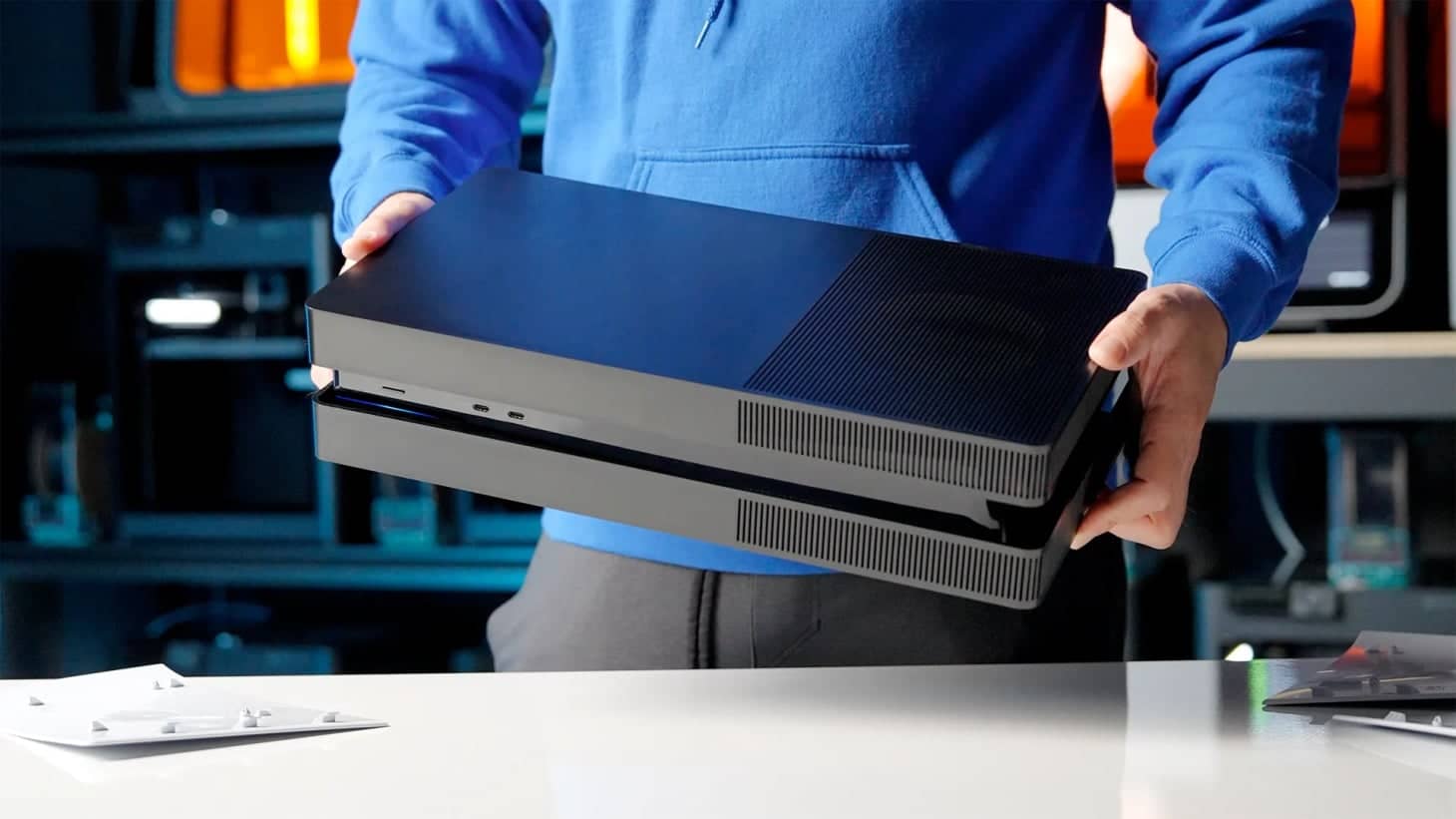
    BoxPlates Skins Revamp PS5 Slim & Pro in Two Weeks

    BoxPlates Skins Revamp PS5 Slim & Pro in Two Weeks

    2 days ago
    Artemis 2 Rockets Beyond Earth—402,000 km From Home

    Artemis 2 Rockets Beyond Earth—402,000 km From Home

    Lift‑off at 8:23 a.m. ET marks first crewed lunar flight since 1972, with a diverse four‑person crew

    3 days ago
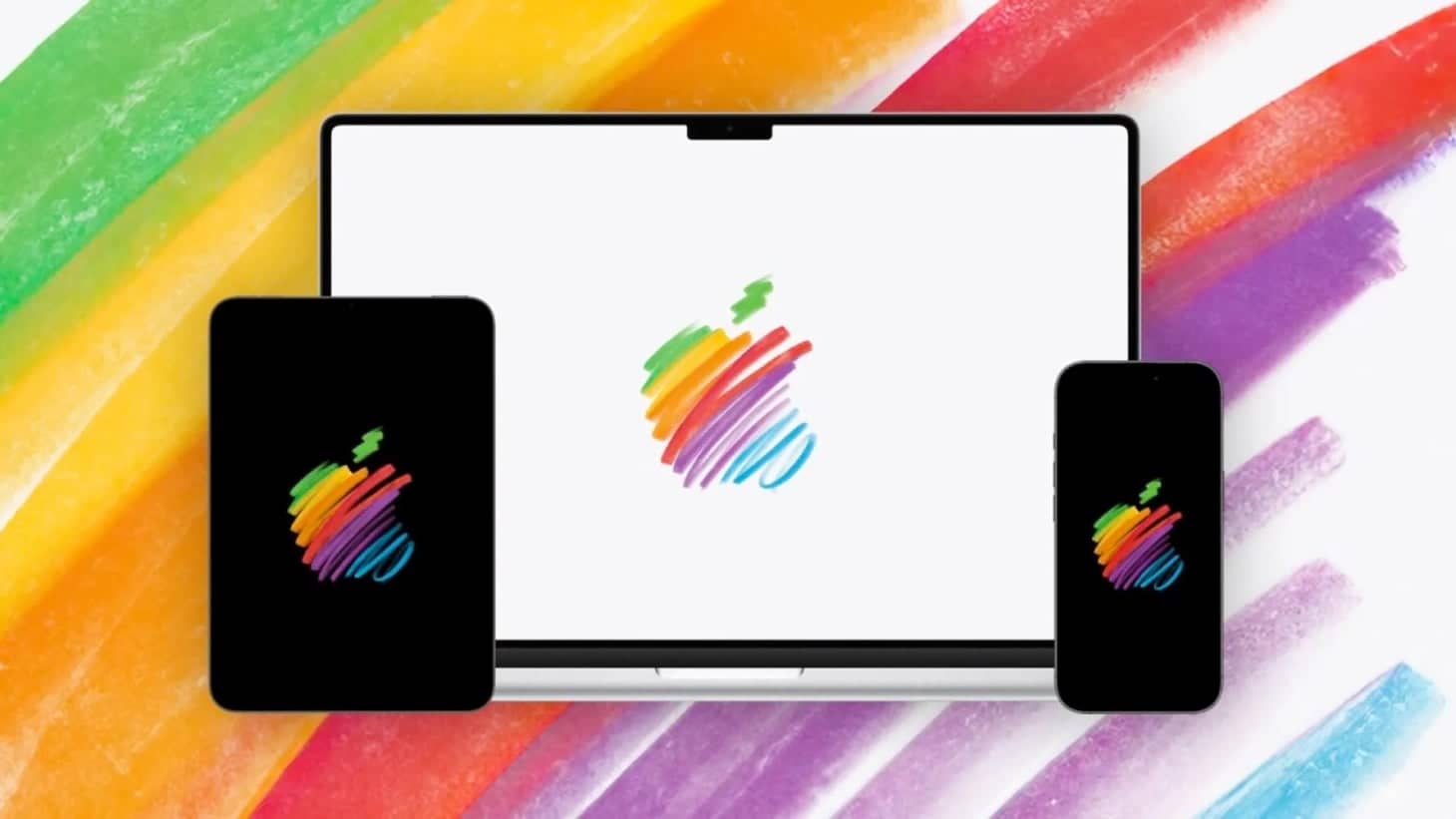
    Apple celebrates 50 years with new minimalist wallpapers

    Apple celebrates 50 years with new minimalist wallpapers

    Basic Apple Guy releases iPhone and Mac wallpapers for Apple’s 50th anniversary

    3 days ago
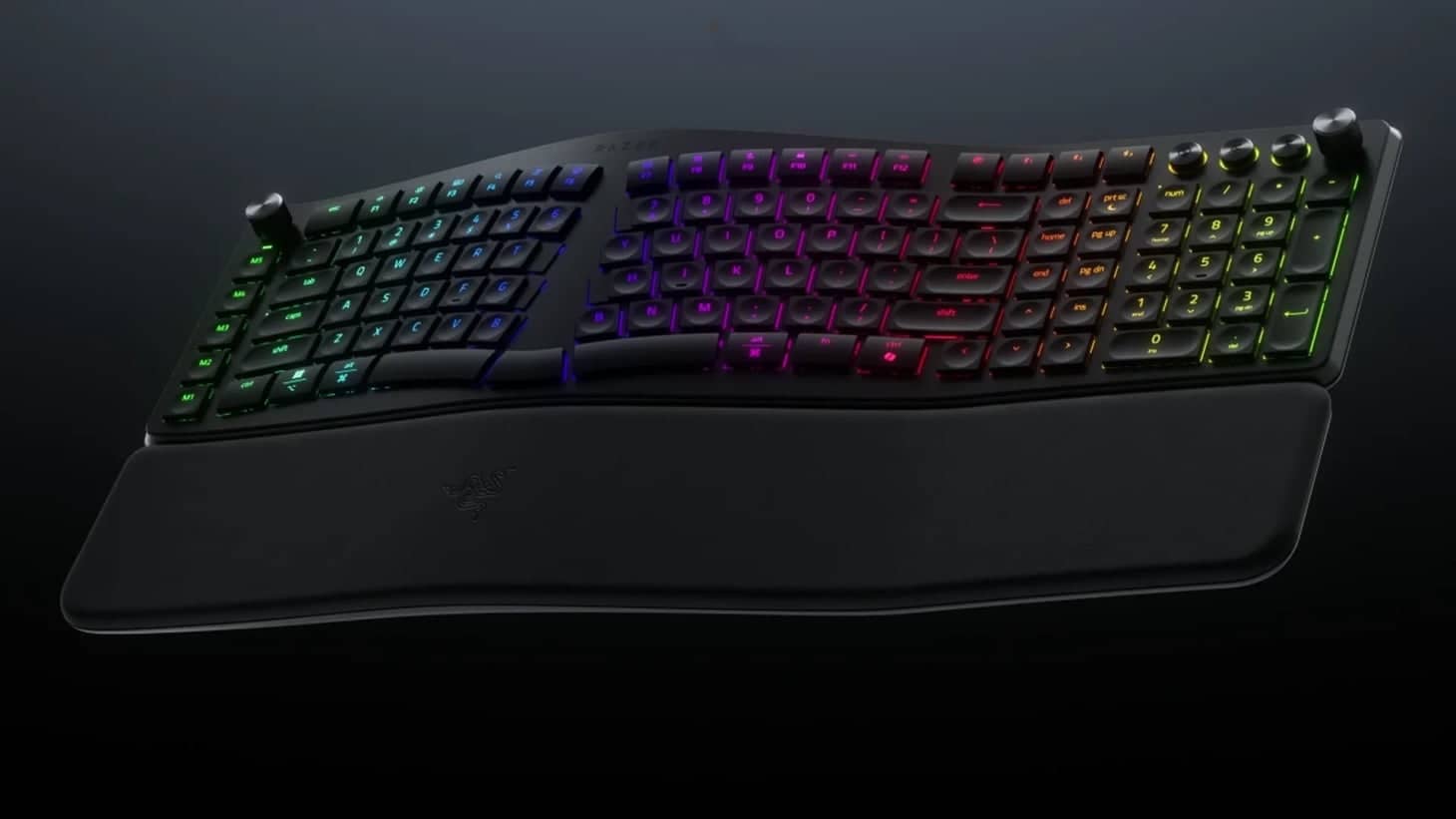
    Razer Unveils Pro Type Ergo Ergonomic Keyboard Today

    Razer Unveils Pro Type Ergo Ergonomic Keyboard Today

    Split design, AI button, and 19‑zone RGB aim at U.S. workers with a 9.7% RSI rate

    3 days ago
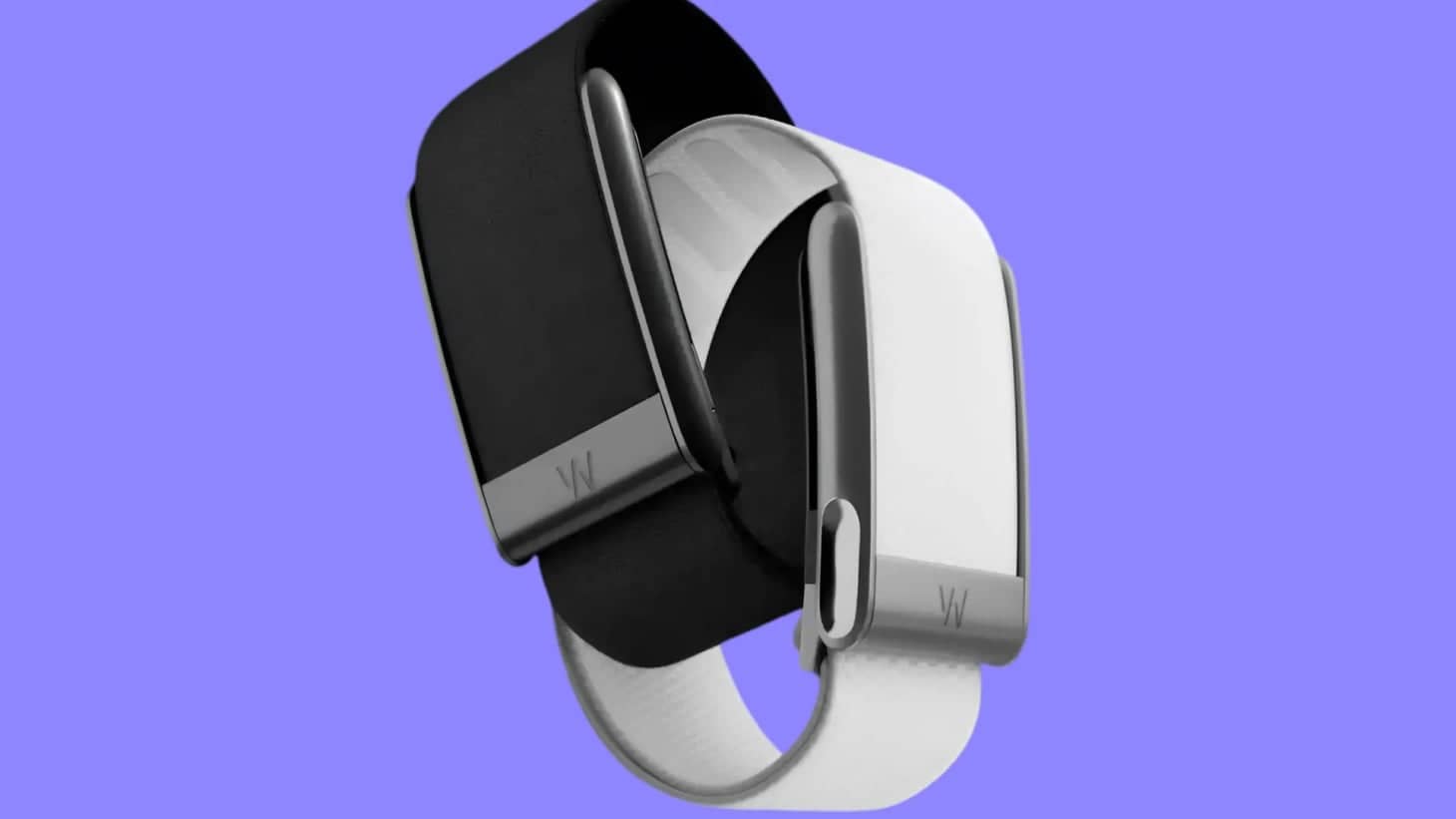
    Google to debut screen‑free Fitbit band in 2026

    Google to debut screen‑free Fitbit band in 2026

    AI‑driven training plan and upgraded platform aim at the health‑tracking market against Oura and Whoop

    3 days ago
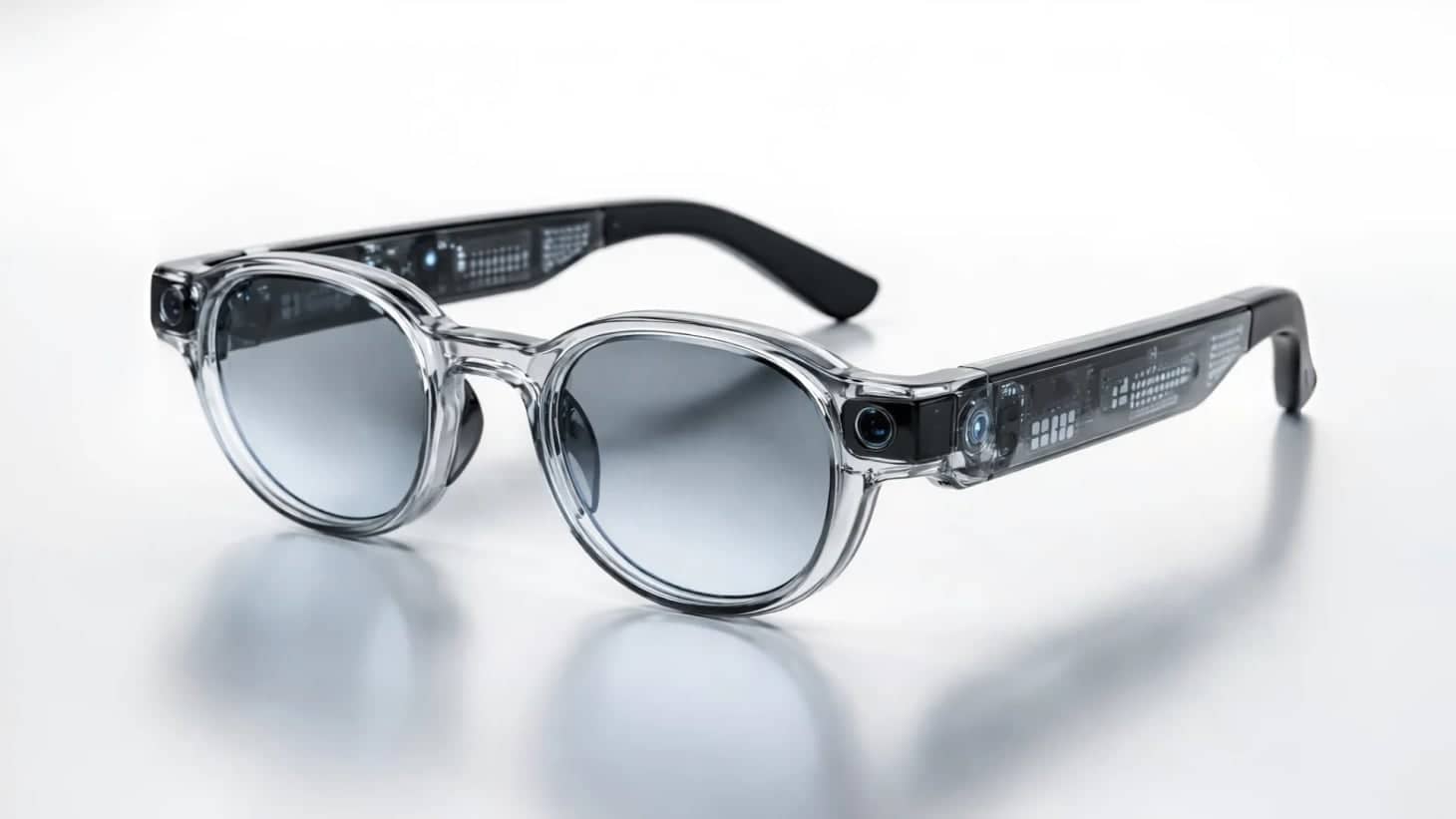
    Nothing unveils AI‑powered smart glasses for a 2027 launch

    Nothing unveils AI‑powered smart glasses for a 2027 launch

    The glasses use a paired phone and cloud, with a clear frame and LED accents

    3 days ago
    Google rolls out Veo 3.1 Lite, halving AI video costs

    Google rolls out Veo 3.1 Lite, halving AI video costs

    Veo 3.1 Lite matches Veo 3.1 Fast speed but cuts price by over 50% for devs now

    4 days ago
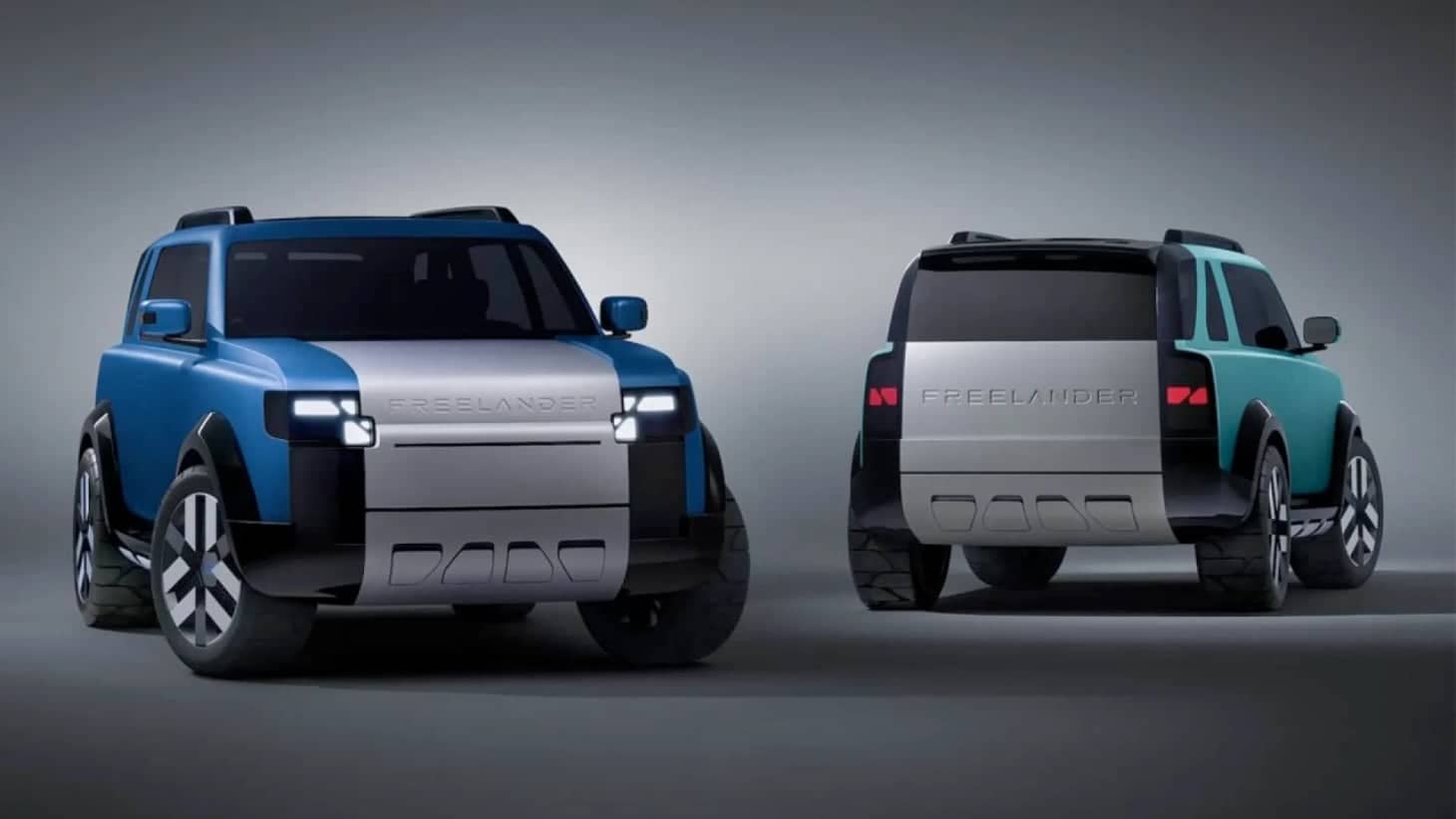
    Freelander 97 Debuts 800‑V EV Crossover in Shanghai

    Freelander 97 Debuts 800‑V EV Crossover in Shanghai

    Chery‑JLR showcases ADS 4.1 autonomy on 800‑V platform, eyeing 2028 launch

    4 days ago
    Telegram Launches Version 12.6 With AI Editor, New Polls

    Telegram Launches Version 12.6 With AI Editor, New Polls

    It adds an AI tone editor, richer polls, Live/Motion Photos, and bot management

    4 days ago

    Pixel 11 Pro Renders Leak With Black Camera Bar and MediaTek Modem

    Google’s August 2026 flagship ditches Samsung radios for improved 5G and runs the Tensor G6

    4 days ago

    Anthropic leak reveals Opus 4.7, Sonnet 4.8 in npm 2.1.88

    Leak on March 30‑31 exposed TypeScript, revealing Opus 4.7, Sonnet 4.8, and internal features

    4 days ago
    iOS 26.5 beta lands on iPhone 17 Pro with an 8 GB download

    iOS 26.5 beta lands on iPhone 17 Pro with an 8 GB download

    Apple restores RCS encryption and adds a 12‑month subscription in the update

    4 days ago
    Windows 11 24H2 Brings Dark Mode to Core Utilities

    Windows 11 24H2 Brings Dark Mode to Core Utilities

    Tools like Registry Editor get dark mode in Windows 11 24H2, out in Sep 2026

    5 days ago

    John Noble's 1,024 Thread Implant Powers Warcraft Raids

    John Noble, a former British parachutist turned veteran gamer, received a neural implant with 1,024 threads after a 2024 trial in Seattle. The device lets him control a MacBook with thought alone, turning World of Warcraft raids into hands‑free battles. His story shows how brain‑computer interfaces can expand digital access for disabled veterans and reshape gaming.

    6 days ago
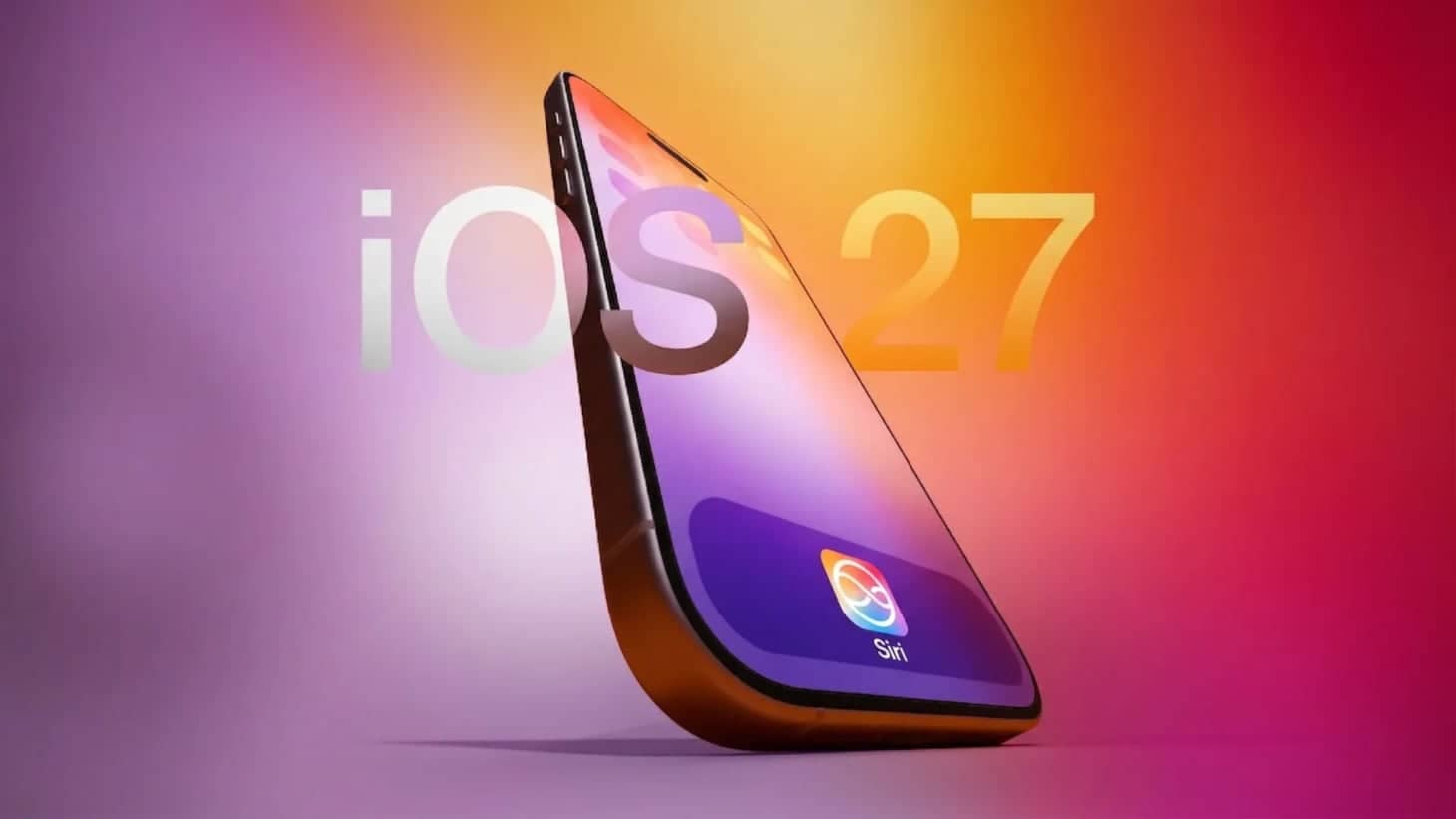
    Apple unveils Siri app for iOS 27, adds 50+ AI agents

    Apple unveils Siri app for iOS 27, adds 50+ AI agents

    iOS 27 Siri app adds Extensions marketplace, eyeing Alexa’s 100,000‑skill store

    6 days ago
    Loading...
Science/Mind

Neuralink's First Peer Review: Three Patients, Real Data

Brad Smith found his voice. Alex Conley commands robots with thought. The evidence just went public

November 2, 2025, 6:19 pm

Neuralink submitted data from its first three human patients to the New England Journal of Medicine—the moment brain-computer interfaces move from experimental to legitimate medicine. Brad Smith, an ALS patient, restored his natural voice and plays Mario Kart with his kids using thought alone. Alex Conley became the first to control a robotic arm. Noland Arbaugh thrives 21 months post-implant, studying neuroscience while living with the technology. This isn't hype—it's peer-reviewed evidence that could change thousands of lives.

image-23

Summary

  • Noland Arbaugh becomes first Neuralink patient, controlling computer cursor with thoughts after paralysis
  • Brain implant enables digital independence: playing games, studying, and connecting online using neural signals
  • Pioneering technology offers hope for paralyzed individuals, with realistic expectations of enhanced digital interaction
banner

Nolan Arbaugh remembers the exact moment he realized his life had changed forever. Not the diving accident that left him paralyzed from the shoulders down at nineteen—that memory is hazy, fragmented by trauma. No, the moment that sticks with him came years later, sitting in a research facility in California, when he moved a computer cursor across a screen using nothing but his thoughts. "I cried," he says simply. "Not because it was some big technological breakthrough. I cried because I could finally do something for myself again."

Twenty-one months later, Arbaugh isn't just surviving with a Neuralink brain implant—he's building a life that seemed impossible after his injury. He's taking pre-calculus classes, studying neuroscience, and traveling the country sharing his story as one of the first humans to live with a brain-computer interface. His journey from paralyzed teenager to neural interface pioneer reveals both the extraordinary promise of this technology and the deeply human story behind the headlines.

Before the Chip: A Life Interrupted

Arbaugh's life before the accident was unremarkable in the best way—high school, friends, sports, plans for college. The kind of ordinary teenage existence that only becomes precious after it's gone. The diving accident shattered that normalcy in an instant, leaving him dependent on others for nearly everything. Getting dressed. Eating. Turning pages in a book. The loss of independence was crushing.

"People focus on the big stuff—walking, using your arms. But it's the small things that really get to you. Not being able to scratch your own nose. Having to ask someone to adjust your pillow at three in the morning. Losing the ability to do anything privately, spontaneously, on your own terms."

He tried various assistive technologies—eye-tracking systems, voice commands, sip-and-puff controllers. Each helped, but each came with limitations. Eye-tracking was slow and exhausting. Voice commands didn't work well in noisy environments or when he was tired. Nothing felt natural. Nothing felt like control.

The Decision to Be First

When Neuralink announced it was looking for volunteers for human trials, Arbaugh's family was skeptical. Brain surgery. Experimental technology. No guarantee it would work. Plenty of risks. His mother worried about infection, about complications, about her son becoming a guinea pig for a tech company's ambitions.

But Arbaugh saw something different: possibility. "I'd already lost so much," he says. "What did I have to lose by trying? If it worked, maybe I could get some independence back. If it didn't work, I'd be exactly where I was before. The risk felt worth it."

The screening process was rigorous—medical evaluations, psychological assessments, endless consent forms explaining everything that could go wrong. Arbaugh read every word. He asked questions. He understood he was volunteering to be a pioneer, with all the uncertainty that entailed. In early 2024, he became the first person to receive a Neuralink implant.

Learning to Think Differently

The surgery itself was surprisingly straightforward—a few hours under anesthesia, a small incision, the implant placed precisely in the motor cortex region of his brain. Arbaugh woke up with a bandage on his head and a device smaller than a coin embedded in his skull, its thousands of tiny electrodes now listening to his neurons.

But having the hardware was just the beginning. Learning to use it was like learning a new language—one spoken entirely in thoughts.

"At first, nothing made sense. They'd tell me to imagine moving my hand, and sometimes the cursor would move, sometimes it wouldn't. It was frustrating as hell. I kept thinking, 'This is never going to work.'"

The breakthrough came gradually, through hours of practice and calibration. The system learned to recognize his neural patterns. He learned to produce consistent signals. Slowly, the connection strengthened. Imagining his hand moving right made the cursor move right. Thinking about clicking made the cursor click. The interface became intuitive, almost instinctive.

"It's hard to explain to people who haven't experienced it," he says. "It's not like I'm concentrating really hard or doing mental gymnastics. I just think about what I want to happen, and it happens. It feels natural now, like the cursor is an extension of my thoughts."

Finding His New Normal

Today, Arbaugh's daily life looks different than it did before the implant. He wakes up, and within minutes he's online—checking email, browsing news, connecting with friends on social media. All without speaking a word or moving anything but his thoughts. He plays video games, designs presentations for his speaking engagements, and works through his neuroscience coursework.

The pre-calculus class he's taking isn't just about learning math—it's about proving to himself that he can still pursue intellectual challenges, still grow, still work toward goals that seemed out of reach after his injury. "I want to understand how this technology works," he explains. "Not just as a user, but as someone who might contribute to making it better someday."

His family has watched the transformation with a mixture of relief and wonder. His mother describes seeing him control a computer with his thoughts for the first time as "like watching a miracle, except it's science." His friends say he seems more like his old self—engaged, independent, optimistic about the future.

But Arbaugh is quick to point out that the implant isn't a cure-all. He's still paralyzed. He still needs help with most physical tasks. The technology gives him control over digital interfaces, not his body. "It's not magic. It's a tool. A really, really good tool, but still just a tool."

Becoming a Voice for Others

As the longest-living recipient of a Neuralink implant, Arbaugh has become an unofficial ambassador for brain-computer interface technology. He speaks at conferences, participates in research discussions, and fields questions from the ten thousand people currently on Neuralink's waiting list.

"People want to know if it hurts, if it's scary, if it's worth it. I tell them the truth: the surgery was easier than I expected, living with it is better than I hoped, and yes, absolutely, it's worth it. But I also tell them it's not for everyone. You have to be willing to be a pioneer, to deal with uncertainty, to accept that we're still figuring this out."

He's particularly passionate about helping others understand what the technology can and can't do. "There's so much hype around brain chips," he notes. "People think it's going to let you read minds or download knowledge like in The Matrix. That's not reality. Reality is more modest but also more meaningful—it's about giving people tools to communicate, to create, to participate in the world again."

His advice to those considering the procedure is grounded in his own experience: "Ask yourself what you want to get out of it. If you're expecting it to solve all your problems, you'll be disappointed. If you're hoping it will give you more independence and control over your digital life, then yeah, it might be exactly what you need."

The Bigger Picture: Brad and Alex

Arbaugh isn't alone in his journey anymore. Brad Smith, diagnosed with ALS, received an implant and used it to narrate a YouTube video in his own voice—preserved through AI trained on recordings from before his disease progressed. "Watching Brad share his story in his real voice, not some computer-generated sound, that hit me hard," Arbaugh says. "That's his kids hearing their dad. That matters."

Alex Conley became the first person to control a robotic arm with a Neuralink device, extending the technology beyond screens into physical interaction with the world. "Alex is doing stuff I can't do yet," Arbaugh admits. "But that's the point—we're all pushing the boundaries in different directions, figuring out what's possible."

The three of them stay in touch, comparing experiences, troubleshooting issues, celebrating breakthroughs. They're a small community of pioneers, bound by their shared experience of living with technology that most people can barely imagine.

Looking Forward: Legacy and Hope

Neuralink has submitted data from its first three patients—including Arbaugh—to the New England Journal of Medicine for peer review. For Arbaugh, the submission represents validation of a decision he made when the technology was still unproven. "We took a risk. Now the data will show whether that risk was justified."

He's cautiously optimistic about what peer review will reveal. Twenty-one months of living with the implant have given him confidence in its safety and reliability. "It works," he says simply. "Day after day, month after month, it just works. That's what the data needs to show—not that it's perfect, but that it's real, that it's safe, that it actually helps people."

When asked about his legacy as the first person to receive a Neuralink implant, Arbaugh deflects. "I'm not trying to be famous or make history," he insists. "I just wanted my life back, or at least part of it. If my experience helps other people get that same chance, then great. That's enough for me."

But then he pauses, reconsidering. "Being paralyzed doesn't mean your life is over. It doesn't mean you can't learn, can't contribute, can't have goals and dreams." This technology is amazing, but what really matters is what people do with it. I'm taking math classes and studying neuroscience not because the chip makes me smarter, but because I decided I wasn't done growing and learning. The chip just gave me the tools to act on that decision."

A Pioneer's Perspective

As Neuralink moves toward its goal of implanting devices in thousands of people, Arbaugh's journey offers a glimpse of what that future might look like—not the glossy promotional version, but the real, complicated, deeply human experience of living with a brain-computer interface.

It's a future where paralyzed people can control computers with their thoughts, where ALS patients can preserve their voices, where independence becomes possible again for those who've lost it. But it's also a future that requires patience, adaptation, and realistic expectations. The technology is powerful, but it's not magic. It's a tool that works best when combined with human determination, creativity, and resilience.

Arbaugh embodies that combination. He's not just a patient or a test subject—he's a student, a speaker, an advocate, and a pioneer who chose to take a risk when the outcome was uncertain. Twenty-one months later, he's still here, still learning, still pushing forward.

"People ask me if I'd do it again, knowing what I know now. That's easy. Absolutely. In a heartbeat. This chip gave me back a piece of myself I thought was gone forever. It's not everything, but it's enough. And for someone in my position, enough is everything."

Topic

Neuralink Expansión Global

Can We Upload Consciousness Into Machines?

12 November 2025

Can We Upload Consciousness Into Machines?

Neuralink expands to UK as brain chip race heats up

28 October 2025

Neuralink expands to UK as brain chip race heats up

Feed

    Cursor 3 Launches Unified AI Coding Workspace

    Cursor 3 Launches Unified AI Coding Workspace

    Side‑panel lets devs toggle local and cloud agents, building on Composer 2 and Kimi 2.5

    1 day ago
    Orion’s Six‑Minute Burn Puts Artemis 2 on Free‑Return Path

    Orion’s Six‑Minute Burn Puts Artemis 2 on Free‑Return Path

    iPhone 17 Pro Max survives Orion’s deep‑space test as crew heads to lunar flyby

    1 day ago
    Android 17 Introduces System‑Level Notification Rules

    Android 17 Introduces System‑Level Notification Rules

    Samsung’s One UI 9 will adopt Android 17’s rules, adding OS‑level alert control

    1 day ago

    Nvidia rolls out DLSS 4.5, 6× boost on RTX 50-series

    Dynamic Multi‑Frame Generation smooths 120–240 Hz, delivered in the driver 595.97

    1 day ago
    Apple rolls out iOS 18.7.7 to block DarkSword

    Apple rolls out iOS 18.7.7 to block DarkSword

    Patch fixes six Safari bugs, stopping DarkSword on iOS 18–18.7 devices

    2 days ago
    BoxPlates Skins Revamp PS5 Slim & Pro in Two Weeks

    BoxPlates Skins Revamp PS5 Slim & Pro in Two Weeks

    2 days ago
    Artemis 2 Rockets Beyond Earth—402,000 km From Home

    Artemis 2 Rockets Beyond Earth—402,000 km From Home

    Lift‑off at 8:23 a.m. ET marks first crewed lunar flight since 1972, with a diverse four‑person crew

    3 days ago
    Apple celebrates 50 years with new minimalist wallpapers

    Apple celebrates 50 years with new minimalist wallpapers

    Basic Apple Guy releases iPhone and Mac wallpapers for Apple’s 50th anniversary

    3 days ago
    Razer Unveils Pro Type Ergo Ergonomic Keyboard Today

    Razer Unveils Pro Type Ergo Ergonomic Keyboard Today

    Split design, AI button, and 19‑zone RGB aim at U.S. workers with a 9.7% RSI rate

    3 days ago
    Google to debut screen‑free Fitbit band in 2026

    Google to debut screen‑free Fitbit band in 2026

    AI‑driven training plan and upgraded platform aim at the health‑tracking market against Oura and Whoop

    3 days ago
    Nothing unveils AI‑powered smart glasses for a 2027 launch

    Nothing unveils AI‑powered smart glasses for a 2027 launch

    The glasses use a paired phone and cloud, with a clear frame and LED accents

    3 days ago
    Google rolls out Veo 3.1 Lite, halving AI video costs

    Google rolls out Veo 3.1 Lite, halving AI video costs

    Veo 3.1 Lite matches Veo 3.1 Fast speed but cuts price by over 50% for devs now

    4 days ago
    Freelander 97 Debuts 800‑V EV Crossover in Shanghai

    Freelander 97 Debuts 800‑V EV Crossover in Shanghai

    Chery‑JLR showcases ADS 4.1 autonomy on 800‑V platform, eyeing 2028 launch

    4 days ago
    Telegram Launches Version 12.6 With AI Editor, New Polls

    Telegram Launches Version 12.6 With AI Editor, New Polls

    It adds an AI tone editor, richer polls, Live/Motion Photos, and bot management

    4 days ago

    Pixel 11 Pro Renders Leak With Black Camera Bar and MediaTek Modem

    Google’s August 2026 flagship ditches Samsung radios for improved 5G and runs the Tensor G6

    4 days ago

    Anthropic leak reveals Opus 4.7, Sonnet 4.8 in npm 2.1.88

    Leak on March 30‑31 exposed TypeScript, revealing Opus 4.7, Sonnet 4.8, and internal features

    4 days ago
    iOS 26.5 beta lands on iPhone 17 Pro with an 8 GB download

    iOS 26.5 beta lands on iPhone 17 Pro with an 8 GB download

    Apple restores RCS encryption and adds a 12‑month subscription in the update

    4 days ago
    Windows 11 24H2 Brings Dark Mode to Core Utilities

    Windows 11 24H2 Brings Dark Mode to Core Utilities

    Tools like Registry Editor get dark mode in Windows 11 24H2, out in Sep 2026

    5 days ago

    John Noble's 1,024 Thread Implant Powers Warcraft Raids

    John Noble, a former British parachutist turned veteran gamer, received a neural implant with 1,024 threads after a 2024 trial in Seattle. The device lets him control a MacBook with thought alone, turning World of Warcraft raids into hands‑free battles. His story shows how brain‑computer interfaces can expand digital access for disabled veterans and reshape gaming.

    6 days ago
    Apple unveils Siri app for iOS 27, adds 50+ AI agents

    Apple unveils Siri app for iOS 27, adds 50+ AI agents

    iOS 27 Siri app adds Extensions marketplace, eyeing Alexa’s 100,000‑skill store

    6 days ago
    Loading...
banner