
• My Feed
  • Home
  • What's Important
  • Media & Entertainment
Search

Stay Curious. Stay Wanture.

© 2026 Wanture. All rights reserved.

  • Terms of Use
  • Privacy Policy
Science/Mind

IQ scores are dropping. Here's what changed

After a century of gains, cognitive test scores are declining—and the reasons reveal how modern life reshapes our minds

12 November 2025

—

Explainer *

Emily Rivera
banner

For decades, IQ scores climbed steadily upward. Now they're falling in developed nations—not because people are less intelligent, but because our environments have changed. New research reveals how screen time, education shifts, and lifestyle factors are altering specific cognitive skills like abstract reasoning and verbal comprehension. The decline is measurable but reversible, offering a crucial signal about how we're adapting to modern life.

55597897-4f11-44f1-aa7e-62a74d34e59e

Summary:

  • IQ scores are declining in some populations for the first time since intelligence testing began, with drops of about 7 points per generation
  • Digital technologies and changes in education may be weakening cognitive skills like abstract reasoning and verbal comprehension
  • Experts suggest reversing decline through deep reading, critical thinking, and limiting passive screen time

For nearly a century, IQ scores climbed steadily upward—each generation outperforming the last on standardized intelligence tests. But that trend has reversed. New research confirms what scientists have been quietly tracking: average IQ scores are now declining in some populations, marking the first sustained drop since testing began. The shift is small but measurable, and it's raising questions about how modern life is reshaping the way we think.

What the Research Actually Shows

The decline isn't universal, but it's real.

A 2018 study published in the Proceedings of the National Academy of Sciences analyzed intelligence test data from Norwegian military conscripts born between 1962 and 1991. Researchers Bernt Bratsberg and Ole Rogeberg found that IQ scores rose steadily through the mid-20th century, then began to fall—dropping by an average of about 7 points per generation in some cohorts.

In the United States, a separate 2023 study published in the journal Intelligence examined online test data from 2006 to 2018. Researchers Elizabeth Dworak, William Revelle, and David Condon found declines in specific cognitive domains—particularly abstract reasoning and verbal comprehension—among younger participants.

These studies don't suggest people are becoming less intelligent overall. They show that certain measurable cognitive skills are shifting.

Understanding the Flynn Effect Reversal

For most of the 20th century, IQ scores rose by about 2 to 3 points per decade.

This pattern became known as the Flynn Effect, named after researcher James Flynn who documented it in the 1980s. The rise was attributed to better nutrition, expanded education, smaller family sizes, and increased cognitive stimulation from urbanization and technology.

But starting in the 1990s, that trend began to plateau in some developed nations. By the early 2000s, it reversed in others. Norway, Denmark, Finland, France, and the Netherlands all reported declines. The United States showed mixed results—some age groups improved, others declined.

What changed? The Bratsberg and Rogeberg study concluded that the reversal is driven by environmental factors, not genetics. IQ is shaped by both biology and experience—and something about modern environments appears to be altering the cognitive skills we develop.

Why Scores Are Dropping

Screen Time and Cognitive Function

Digital devices have fundamentally changed how we process information.

Excessive screen time—especially passive consumption like scrolling social media or watching short videos—reduces opportunities for deep focus, sustained attention, and complex problem-solving. These are the exact skills measured by abstract reasoning tests.

Consider this: reading a book requires your brain to construct mental images, follow narrative threads, and hold information in working memory. Watching a TikTok video does most of that work for you. Over time, the brain adapts to the demands placed on it—and if those demands are lower, certain cognitive abilities weaken.

Educational System Changes

Modern education increasingly emphasizes standardized testing and rote memorization over creative problem-solving and critical thinking. Students spend more time preparing for specific test formats and less time exploring open-ended questions or hands-on learning.

This shift may improve test-taking skills but doesn't necessarily build the kind of flexible, abstract reasoning that IQ tests measure. It's the difference between learning to follow a recipe and learning to cook.

Environmental and Nutritional Factors

Exposure to environmental toxins—lead, air pollution, endocrine disruptors—has been linked to cognitive impairment, particularly in early childhood. While lead exposure has decreased in many countries, other pollutants remain widespread.

Nutrition also plays a role. Diets high in processed foods and low in essential nutrients can affect brain development and function. Sleep deprivation, increasingly common among adolescents, further impairs cognitive performance.

What This Means for Society

Declining IQ scores don't mean people are becoming less capable.

Intelligence is multifaceted—IQ tests measure specific skills like pattern recognition, verbal reasoning, and mathematical logic. They don't capture creativity, emotional intelligence, practical problem-solving, or the ability to navigate complex social environments.

Some researchers suggest that modern life may be developing different cognitive strengths—multitasking, visual processing, rapid information filtering—that traditional IQ tests don't measure. A teenager who can't solve a logic puzzle might excel at coordinating a team project online or troubleshooting a technical problem through trial and error.

Still, the decline in abstract reasoning and verbal comprehension raises concerns. These skills underpin innovation, scientific thinking, and the ability to evaluate complex information—all critical for a functioning democracy and a competitive workforce.

How to Reverse Cognitive Decline

IQ isn't fixed. It reflects both biology and environment—and environments can change.

Encourage deep reading. Books, long-form articles, and complex narratives build sustained attention and comprehension. Aim for material that challenges you—not just entertainment, but content that requires thought.

Practice critical thinking. Engage with problems that don't have obvious answers. Debate ideas, analyze arguments, question assumptions. Play strategy games like chess or Go. Solve puzzles that require logic and pattern recognition.

Limit passive screen time. Replace scrolling with activities that demand active engagement—writing, building, coding, drawing. Use technology as a tool for creation, not just consumption.

Prioritize hands-on learning. Physical activities that require planning and problem-solving—cooking, woodworking, gardening, repairing things—build cognitive skills in ways that passive learning doesn't.

Protect brain health. Get adequate sleep. Eat a diet rich in omega-3 fatty acids, antioxidants, and whole foods. Minimize exposure to environmental toxins. Exercise regularly—physical activity improves cognitive function across all age groups.

The reversal of the Flynn Effect is a signal, not a sentence. It tells us that the environments we've built are shaping our minds in ways we didn't anticipate. The question now is whether we'll adapt those environments—or let them continue to adapt us.

Feed

    Apple rolls out iOS 18.7.7 to block DarkSword

    Apple rolls out iOS 18.7.7 to block DarkSword

    Patch fixes six Safari bugs, stopping DarkSword on iOS 18–18.7 devices

    about 13 hours ago
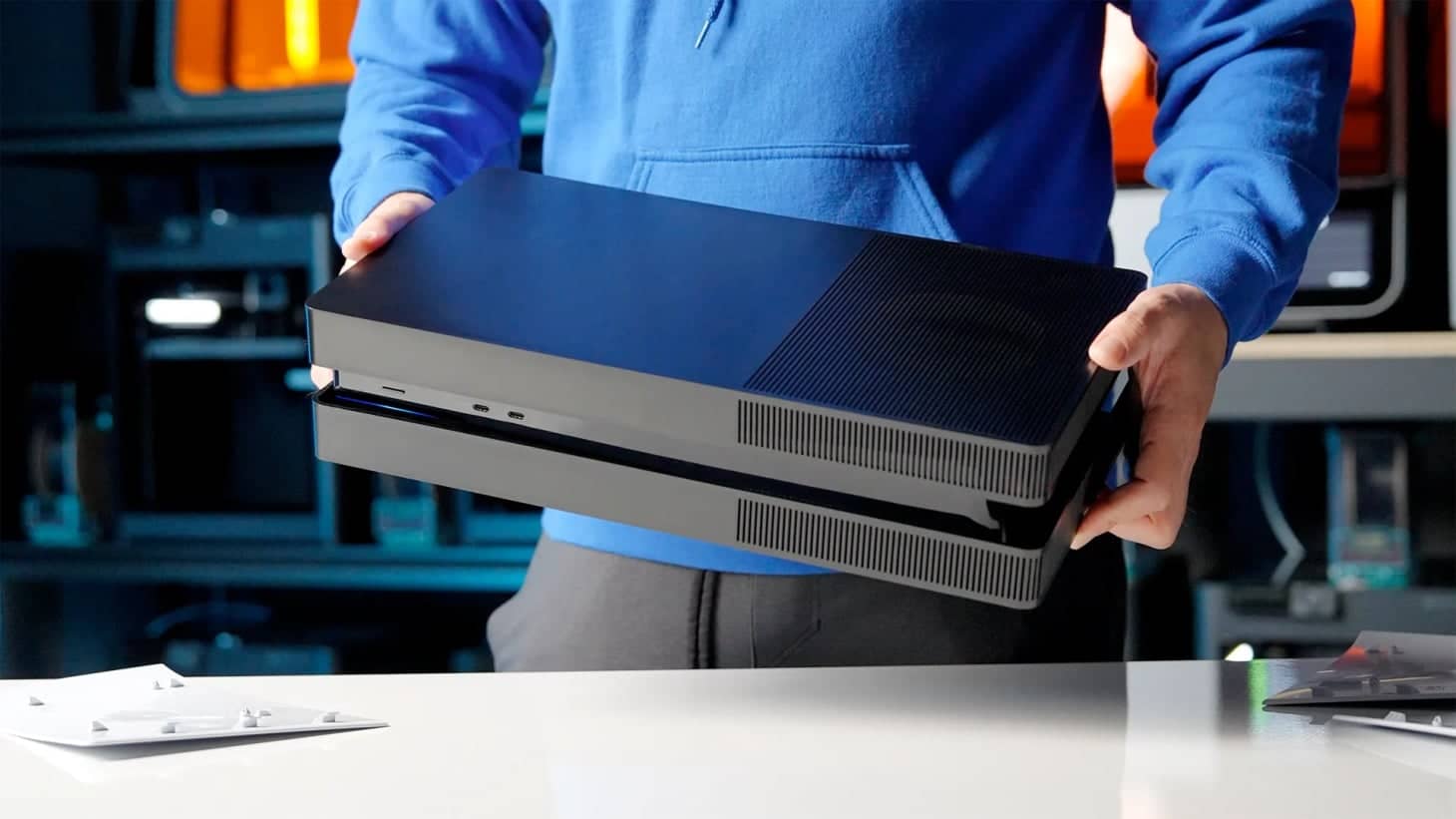
    BoxPlates Skins Revamp PS5 Slim & Pro in Two Weeks

    BoxPlates Skins Revamp PS5 Slim & Pro in Two Weeks

    about 13 hours ago
    Artemis 2 Rockets Beyond Earth—402,000 km From Home

    Artemis 2 Rockets Beyond Earth—402,000 km From Home

    Lift‑off at 8:23 a.m. ET marks first crewed lunar flight since 1972, with a diverse four‑person crew

    about 17 hours ago
    Apple celebrates 50 years with new minimalist wallpapers

    Apple celebrates 50 years with new minimalist wallpapers

    Basic Apple Guy releases iPhone and Mac wallpapers for Apple’s 50th anniversary

    about 17 hours ago
    Razer Unveils Pro Type Ergo Ergonomic Keyboard Today

    Razer Unveils Pro Type Ergo Ergonomic Keyboard Today

    Split design, AI button, and 19‑zone RGB aim at U.S. workers with a 9.7% RSI rate

    1 day ago
    Google to debut screen‑free Fitbit band in 2026

    Google to debut screen‑free Fitbit band in 2026

    AI‑driven training plan and upgraded platform aim at the health‑tracking market against Oura and Whoop

    1 day ago
    Nothing unveils AI‑powered smart glasses for a 2027 launch

    Nothing unveils AI‑powered smart glasses for a 2027 launch

    The glasses use a paired phone and cloud, with a clear frame and LED accents

    1 day ago
    Google rolls out Veo 3.1 Lite, halving AI video costs

    Google rolls out Veo 3.1 Lite, halving AI video costs

    Veo 3.1 Lite matches Veo 3.1 Fast speed but cuts price by over 50% for devs now

    1 day ago
    Freelander 97 Debuts 800‑V EV Crossover in Shanghai

    Freelander 97 Debuts 800‑V EV Crossover in Shanghai

    Chery‑JLR showcases ADS 4.1 autonomy on 800‑V platform, eyeing 2028 launch

    1 day ago
    Telegram Launches Version 12.6 With AI Editor, New Polls

    Telegram Launches Version 12.6 With AI Editor, New Polls

    It adds an AI tone editor, richer polls, Live/Motion Photos, and bot management

    1 day ago

    Pixel 11 Pro Renders Leak With Black Camera Bar and MediaTek Modem

    Google’s August 2026 flagship ditches Samsung radios for improved 5G and runs the Tensor G6

    2 days ago

    Anthropic leak reveals Opus 4.7, Sonnet 4.8 in npm 2.1.88

    Leak on March 30‑31 exposed TypeScript, revealing Opus 4.7, Sonnet 4.8, and internal features

    2 days ago

    NVIDIA launches DLSS 4.5 with driver 595.97 on the RTX 50 series

    DLSS 4.5 scales to 6×, raising FPS from 85 to 210 on the RTX 5080 — ~3 ms latency

    2 days ago
    iOS 26.5 beta lands on iPhone 17 Pro with an 8 GB download

    iOS 26.5 beta lands on iPhone 17 Pro with an 8 GB download

    Apple restores RCS encryption and adds a 12‑month subscription in the update

    2 days ago
    Windows 11 24H2 Brings Dark Mode to Core Utilities

    Windows 11 24H2 Brings Dark Mode to Core Utilities

    Tools like Registry Editor get dark mode in Windows 11 24H2, out in Sep 2026

    4 days ago

    John Noble's 1,024 Thread Implant Powers Warcraft Raids

    John Noble, a former British parachutist turned veteran gamer, received a neural implant with 1,024 threads after a 2024 trial in Seattle. The device lets him control a MacBook with thought alone, turning World of Warcraft raids into hands‑free battles. His story shows how brain‑computer interfaces can expand digital access for disabled veterans and reshape gaming.

    4 days ago
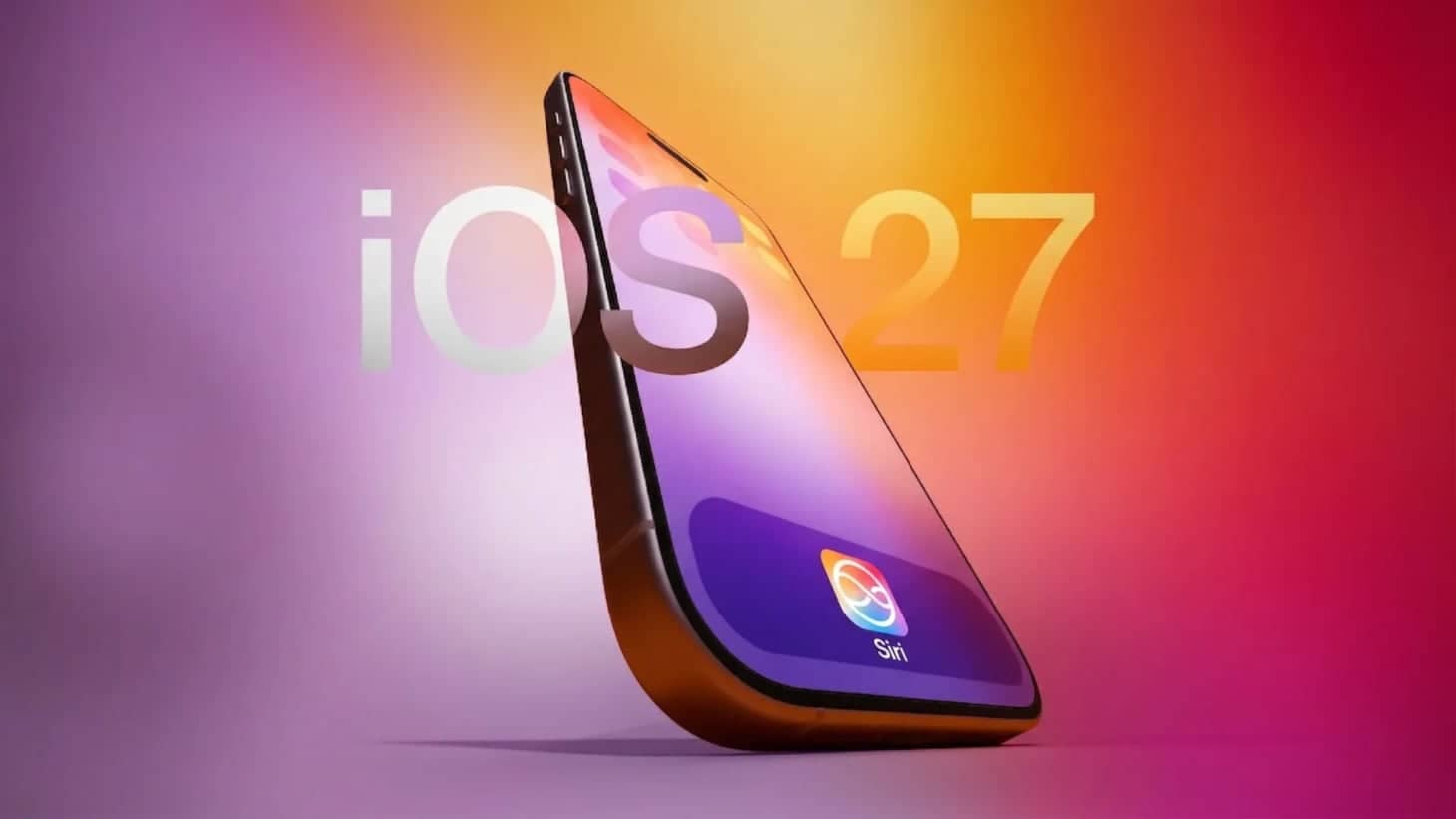
    Apple unveils Siri app for iOS 27, adds 50+ AI agents

    Apple unveils Siri app for iOS 27, adds 50+ AI agents

    iOS 27 Siri app adds Extensions marketplace, eyeing Alexa’s 100,000‑skill store

    4 days ago
    OnePlus Nord CE6 Lite 5G Debuts with 7,000 mAh Battery

    OnePlus Nord CE6 Lite 5G Debuts with 7,000 mAh Battery

    A 6.7‑inch 120 Hz LCD and MediaTek Dimensity 6300 chip aim for two days of use

    4 days ago
    Microsoft PowerToys 0.98 adds Command Palette Dock

    Microsoft PowerToys 0.98 adds Command Palette Dock

    Pinnable panel brings shortcuts and system widgets to Windows 11

    4 days ago
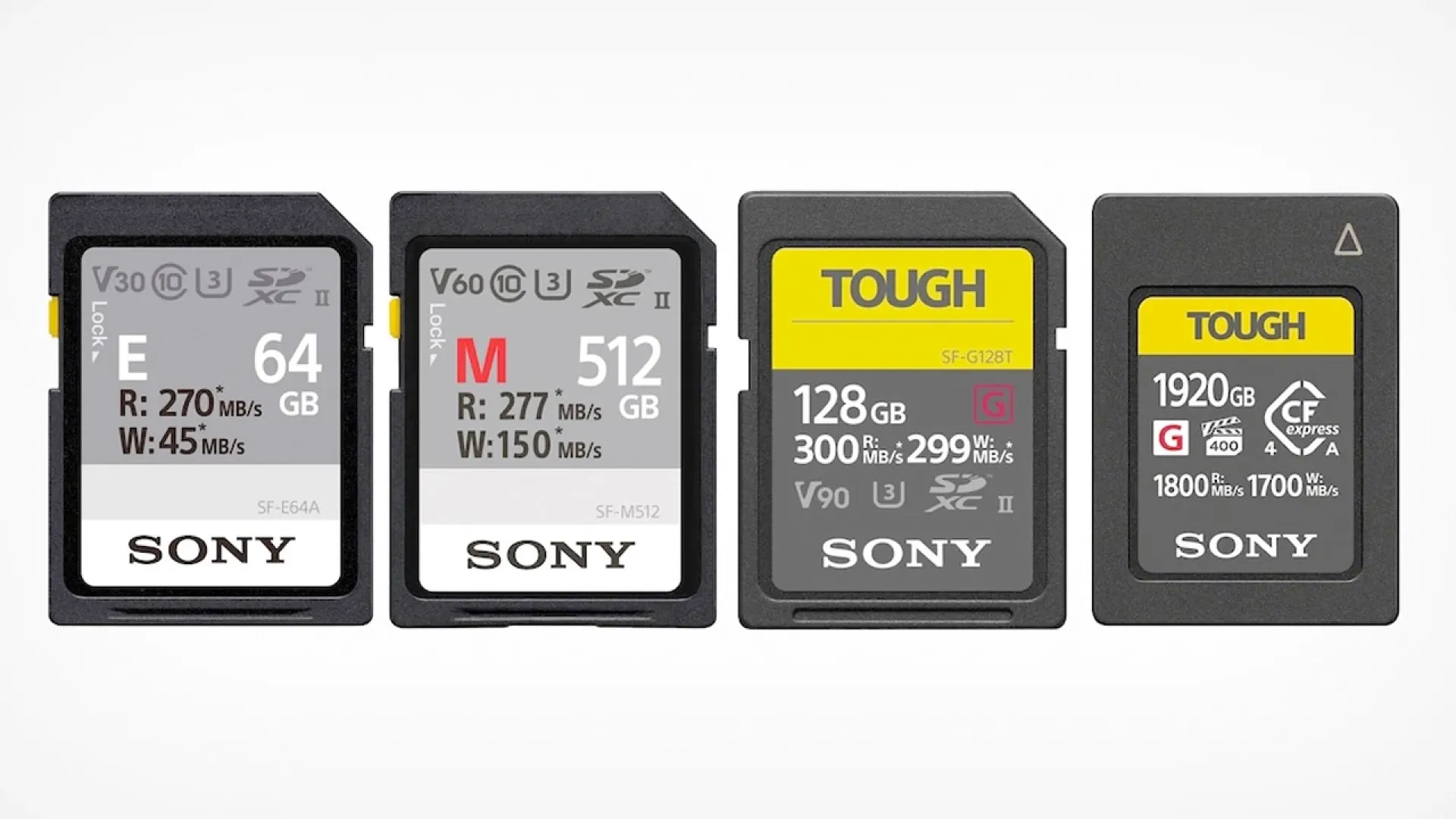
    Sony stops CFexpress, SD card orders amid shortage

    Sony stops CFexpress, SD card orders amid shortage

    CFexpress Type A/B and SDXC/SDHC orders frozen as market seeks alternatives

    4 days ago
    Loading...
Science/Mind

IQ scores are dropping. Here's what changed

After a century of gains, cognitive test scores are declining—and the reasons reveal how modern life reshapes our minds

November 12, 2025, 2:12 pm

For decades, IQ scores climbed steadily upward. Now they're falling in developed nations—not because people are less intelligent, but because our environments have changed. New research reveals how screen time, education shifts, and lifestyle factors are altering specific cognitive skills like abstract reasoning and verbal comprehension. The decline is measurable but reversible, offering a crucial signal about how we're adapting to modern life.

55597897-4f11-44f1-aa7e-62a74d34e59e

Summary

  • IQ scores are declining in some populations for the first time since intelligence testing began, with drops of about 7 points per generation
  • Digital technologies and changes in education may be weakening cognitive skills like abstract reasoning and verbal comprehension
  • Experts suggest reversing decline through deep reading, critical thinking, and limiting passive screen time

For nearly a century, IQ scores climbed steadily upward—each generation outperforming the last on standardized intelligence tests. But that trend has reversed. New research confirms what scientists have been quietly tracking: average IQ scores are now declining in some populations, marking the first sustained drop since testing began. The shift is small but measurable, and it's raising questions about how modern life is reshaping the way we think.

What the Research Actually Shows

The decline isn't universal, but it's real.

A 2018 study published in the Proceedings of the National Academy of Sciences analyzed intelligence test data from Norwegian military conscripts born between 1962 and 1991. Researchers Bernt Bratsberg and Ole Rogeberg found that IQ scores rose steadily through the mid-20th century, then began to fall—dropping by an average of about 7 points per generation in some cohorts.

In the United States, a separate 2023 study published in the journal Intelligence examined online test data from 2006 to 2018. Researchers Elizabeth Dworak, William Revelle, and David Condon found declines in specific cognitive domains—particularly abstract reasoning and verbal comprehension—among younger participants.

These studies don't suggest people are becoming less intelligent overall. They show that certain measurable cognitive skills are shifting.

Understanding the Flynn Effect Reversal

For most of the 20th century, IQ scores rose by about 2 to 3 points per decade.

This pattern became known as the Flynn Effect, named after researcher James Flynn who documented it in the 1980s. The rise was attributed to better nutrition, expanded education, smaller family sizes, and increased cognitive stimulation from urbanization and technology.

But starting in the 1990s, that trend began to plateau in some developed nations. By the early 2000s, it reversed in others. Norway, Denmark, Finland, France, and the Netherlands all reported declines. The United States showed mixed results—some age groups improved, others declined.

What changed? The Bratsberg and Rogeberg study concluded that the reversal is driven by environmental factors, not genetics. IQ is shaped by both biology and experience—and something about modern environments appears to be altering the cognitive skills we develop.

Why Scores Are Dropping

Screen Time and Cognitive Function

Digital devices have fundamentally changed how we process information.

Excessive screen time—especially passive consumption like scrolling social media or watching short videos—reduces opportunities for deep focus, sustained attention, and complex problem-solving. These are the exact skills measured by abstract reasoning tests.

Consider this: reading a book requires your brain to construct mental images, follow narrative threads, and hold information in working memory. Watching a TikTok video does most of that work for you. Over time, the brain adapts to the demands placed on it—and if those demands are lower, certain cognitive abilities weaken.

Educational System Changes

Modern education increasingly emphasizes standardized testing and rote memorization over creative problem-solving and critical thinking. Students spend more time preparing for specific test formats and less time exploring open-ended questions or hands-on learning.

This shift may improve test-taking skills but doesn't necessarily build the kind of flexible, abstract reasoning that IQ tests measure. It's the difference between learning to follow a recipe and learning to cook.

Environmental and Nutritional Factors

Exposure to environmental toxins—lead, air pollution, endocrine disruptors—has been linked to cognitive impairment, particularly in early childhood. While lead exposure has decreased in many countries, other pollutants remain widespread.

Nutrition also plays a role. Diets high in processed foods and low in essential nutrients can affect brain development and function. Sleep deprivation, increasingly common among adolescents, further impairs cognitive performance.

What This Means for Society

Declining IQ scores don't mean people are becoming less capable.

Intelligence is multifaceted—IQ tests measure specific skills like pattern recognition, verbal reasoning, and mathematical logic. They don't capture creativity, emotional intelligence, practical problem-solving, or the ability to navigate complex social environments.

Some researchers suggest that modern life may be developing different cognitive strengths—multitasking, visual processing, rapid information filtering—that traditional IQ tests don't measure. A teenager who can't solve a logic puzzle might excel at coordinating a team project online or troubleshooting a technical problem through trial and error.

Still, the decline in abstract reasoning and verbal comprehension raises concerns. These skills underpin innovation, scientific thinking, and the ability to evaluate complex information—all critical for a functioning democracy and a competitive workforce.

How to Reverse Cognitive Decline

IQ isn't fixed. It reflects both biology and environment—and environments can change.

Encourage deep reading. Books, long-form articles, and complex narratives build sustained attention and comprehension. Aim for material that challenges you—not just entertainment, but content that requires thought.

Practice critical thinking. Engage with problems that don't have obvious answers. Debate ideas, analyze arguments, question assumptions. Play strategy games like chess or Go. Solve puzzles that require logic and pattern recognition.

Limit passive screen time. Replace scrolling with activities that demand active engagement—writing, building, coding, drawing. Use technology as a tool for creation, not just consumption.

Prioritize hands-on learning. Physical activities that require planning and problem-solving—cooking, woodworking, gardening, repairing things—build cognitive skills in ways that passive learning doesn't.

Protect brain health. Get adequate sleep. Eat a diet rich in omega-3 fatty acids, antioxidants, and whole foods. Minimize exposure to environmental toxins. Exercise regularly—physical activity improves cognitive function across all age groups.

The reversal of the Flynn Effect is a signal, not a sentence. It tells us that the environments we've built are shaping our minds in ways we didn't anticipate. The question now is whether we'll adapt those environments—or let them continue to adapt us.

Feed

    Apple rolls out iOS 18.7.7 to block DarkSword

    Apple rolls out iOS 18.7.7 to block DarkSword

    Patch fixes six Safari bugs, stopping DarkSword on iOS 18–18.7 devices

    about 13 hours ago
    BoxPlates Skins Revamp PS5 Slim & Pro in Two Weeks

    BoxPlates Skins Revamp PS5 Slim & Pro in Two Weeks

    about 13 hours ago
    Artemis 2 Rockets Beyond Earth—402,000 km From Home

    Artemis 2 Rockets Beyond Earth—402,000 km From Home

    Lift‑off at 8:23 a.m. ET marks first crewed lunar flight since 1972, with a diverse four‑person crew

    about 17 hours ago
    Apple celebrates 50 years with new minimalist wallpapers

    Apple celebrates 50 years with new minimalist wallpapers

    Basic Apple Guy releases iPhone and Mac wallpapers for Apple’s 50th anniversary

    about 17 hours ago
    Razer Unveils Pro Type Ergo Ergonomic Keyboard Today

    Razer Unveils Pro Type Ergo Ergonomic Keyboard Today

    Split design, AI button, and 19‑zone RGB aim at U.S. workers with a 9.7% RSI rate

    1 day ago
    Google to debut screen‑free Fitbit band in 2026

    Google to debut screen‑free Fitbit band in 2026

    AI‑driven training plan and upgraded platform aim at the health‑tracking market against Oura and Whoop

    1 day ago
    Nothing unveils AI‑powered smart glasses for a 2027 launch

    Nothing unveils AI‑powered smart glasses for a 2027 launch

    The glasses use a paired phone and cloud, with a clear frame and LED accents

    1 day ago
    Google rolls out Veo 3.1 Lite, halving AI video costs

    Google rolls out Veo 3.1 Lite, halving AI video costs

    Veo 3.1 Lite matches Veo 3.1 Fast speed but cuts price by over 50% for devs now

    1 day ago
    Freelander 97 Debuts 800‑V EV Crossover in Shanghai

    Freelander 97 Debuts 800‑V EV Crossover in Shanghai

    Chery‑JLR showcases ADS 4.1 autonomy on 800‑V platform, eyeing 2028 launch

    1 day ago
    Telegram Launches Version 12.6 With AI Editor, New Polls

    Telegram Launches Version 12.6 With AI Editor, New Polls

    It adds an AI tone editor, richer polls, Live/Motion Photos, and bot management

    1 day ago

    Pixel 11 Pro Renders Leak With Black Camera Bar and MediaTek Modem

    Google’s August 2026 flagship ditches Samsung radios for improved 5G and runs the Tensor G6

    2 days ago

    Anthropic leak reveals Opus 4.7, Sonnet 4.8 in npm 2.1.88

    Leak on March 30‑31 exposed TypeScript, revealing Opus 4.7, Sonnet 4.8, and internal features

    2 days ago

    NVIDIA launches DLSS 4.5 with driver 595.97 on the RTX 50 series

    DLSS 4.5 scales to 6×, raising FPS from 85 to 210 on the RTX 5080 — ~3 ms latency

    2 days ago
    iOS 26.5 beta lands on iPhone 17 Pro with an 8 GB download

    iOS 26.5 beta lands on iPhone 17 Pro with an 8 GB download

    Apple restores RCS encryption and adds a 12‑month subscription in the update

    2 days ago
    Windows 11 24H2 Brings Dark Mode to Core Utilities

    Windows 11 24H2 Brings Dark Mode to Core Utilities

    Tools like Registry Editor get dark mode in Windows 11 24H2, out in Sep 2026

    4 days ago

    John Noble's 1,024 Thread Implant Powers Warcraft Raids

    John Noble, a former British parachutist turned veteran gamer, received a neural implant with 1,024 threads after a 2024 trial in Seattle. The device lets him control a MacBook with thought alone, turning World of Warcraft raids into hands‑free battles. His story shows how brain‑computer interfaces can expand digital access for disabled veterans and reshape gaming.

    4 days ago
    Apple unveils Siri app for iOS 27, adds 50+ AI agents

    Apple unveils Siri app for iOS 27, adds 50+ AI agents

    iOS 27 Siri app adds Extensions marketplace, eyeing Alexa’s 100,000‑skill store

    4 days ago
    OnePlus Nord CE6 Lite 5G Debuts with 7,000 mAh Battery

    OnePlus Nord CE6 Lite 5G Debuts with 7,000 mAh Battery

    A 6.7‑inch 120 Hz LCD and MediaTek Dimensity 6300 chip aim for two days of use

    4 days ago
    Microsoft PowerToys 0.98 adds Command Palette Dock

    Microsoft PowerToys 0.98 adds Command Palette Dock

    Pinnable panel brings shortcuts and system widgets to Windows 11

    4 days ago
    Sony stops CFexpress, SD card orders amid shortage

    Sony stops CFexpress, SD card orders amid shortage

    CFexpress Type A/B and SDXC/SDHC orders frozen as market seeks alternatives

    4 days ago
    Loading...
banner