
Nissan announced it will cut 20,000 jobs globally and close seven factories as part of a restructuring to address losses exceeding $4 billion over two consecutive years. The company is slashing $3.1 billion in annual expenses while pivoting toward autonomous vehicles through a robotaxi partnership with Uber and British AI startup Wayve.
Driving the news: The layoffs affect roughly 8% of Nissan's global workforce as CEO Ivan Espinosa implements an aggressive turnaround plan. The company's total sales have plummeted from 5.8 million vehicles in 2017 to 3.2 million in 2025.
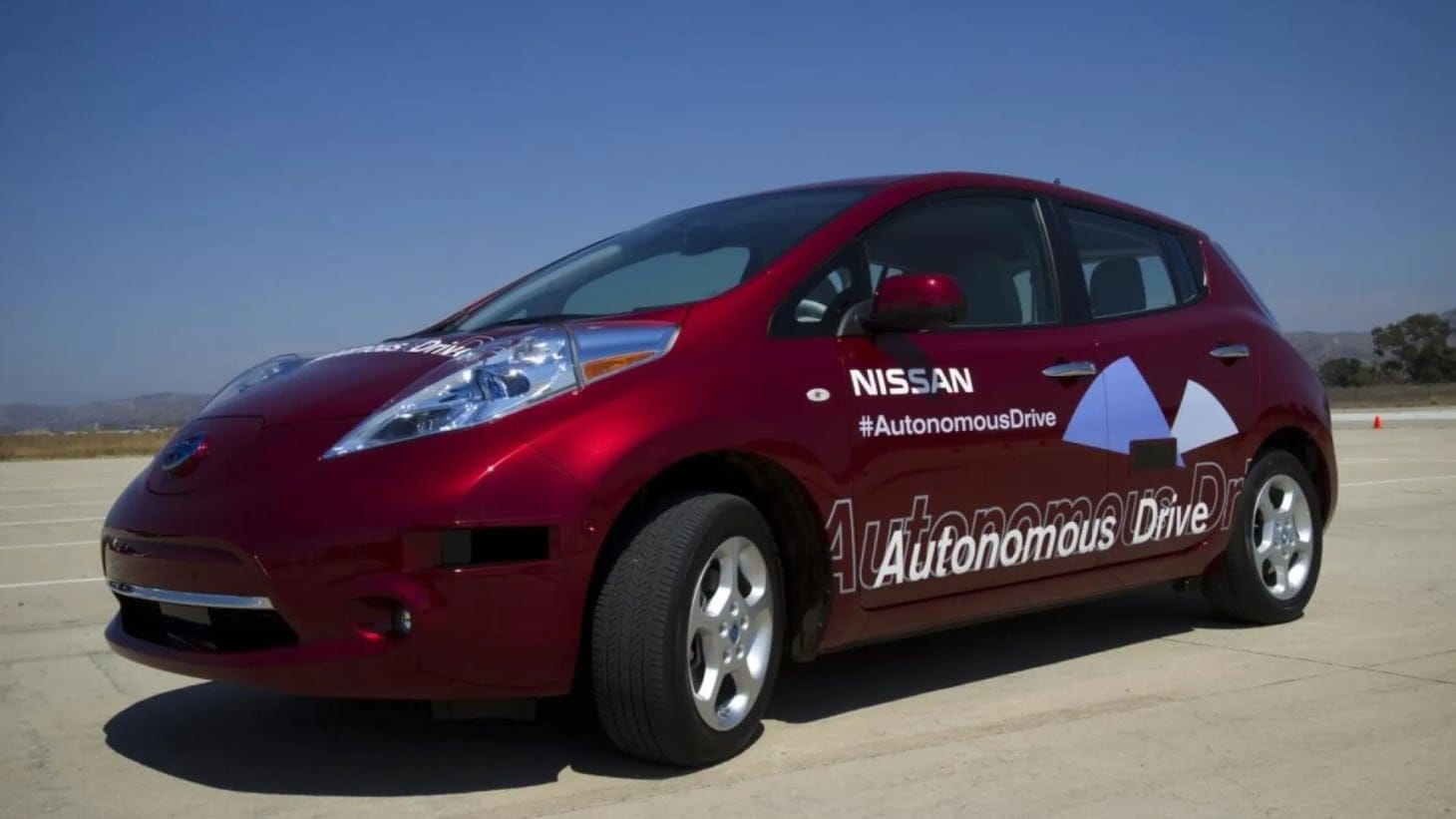
What's new: Nissan will launch a robotaxi pilot program in Tokyo by the end of this year using Nissan Leaf electric vehicles equipped with Wayve's autonomous driving technology. The initiative is part of a partnership with Uber aimed at entering the driverless ride-hailing market, though some company executives have expressed concerns about relying on the startup's AI system for fully autonomous operations.
Why it matters: The dramatic sales decline has forced Nissan to choose between remaining an independent automaker or becoming a contract manufacturer for technology companies. The robotaxi program represents management's bet on preserving brand relevance in the evolving mobility landscape.
By the numbers: The 2025 Nissan Leaf carries an MSRP of $28,040 plus destination fees. With a federal EV tax credit of up to $7,500 and additional state incentives in markets like California, the effective purchase price can drop significantly. The Leaf offers an EPA-estimated combined range of 226 miles, making it a practical choice for urban and suburban driving.
Reality check: Autonomous ride-hailing services using electric vehicles like the Leaf are likely to gain traction first in dense urban environments with well-developed charging infrastructure. Cities with consistent weather patterns and high ride-share demand present the strongest initial markets. Extreme climates—whether hot desert conditions or freezing winters—can reduce EV range by 15-20%, requiring operators to account for these limitations in fleet planning.
The bottom line: Nissan's restructuring combines painful workforce reductions with a forward-looking bet on autonomous electric mobility. While the Tokyo robotaxi pilot offers a potential pathway to relevance in the changing automotive landscape, the company's ability to execute amid severe financial pressure remains uncertain.
What to watch: The Tokyo launch will test whether Nissan can leverage its existing EV platform to compete in autonomous services, or whether the company will ultimately become a vehicle supplier to technology firms rather than a mobility provider in its own right.