
.png&w=3840&q=75)
Your Fitbit says you slept poorly. Your Oura ring flags elevated stress. Your Apple Watch nudges you to close three more activity rings. You check the dashboards, adjust your habits, then check again an hour later. Health tracking apps promise optimization but deliver anxiety. The data shows constant monitoring harms more than it helps, and the simplest habits beat the most sophisticated metrics.
Tracking Accuracy Is Worse Than You Think
Wearables sample heart rate, movement, and sleep stages every few seconds. They turn those signals into scores that feel authoritative. A randomized trial of 400 adults compared consumer sleep trackers to research‑grade polysomnography, the clinical gold standard. The trackers misclassified sleep stages 43% of the time and underestimated deep sleep by an average of 28 minutes. Participants who saw "poor" scores reported higher fatigue the next day, even though objective sleep quality was unchanged (Northwestern University, 2024, randomized trial).
Continuous glucose monitors marketed to healthy adults show the same pattern. An analysis in JAMA Internal Medicine of 12,000 non‑diabetic users found that 89% received alerts for "glucose spikes" that fell within normal post‑prandial ranges (JAMA Internal Medicine, 2025, cohort study). The alerts created unnecessary worry without clinical benefit. Your device is feeding you errors dressed up as insights, and you're treating them like medical facts.
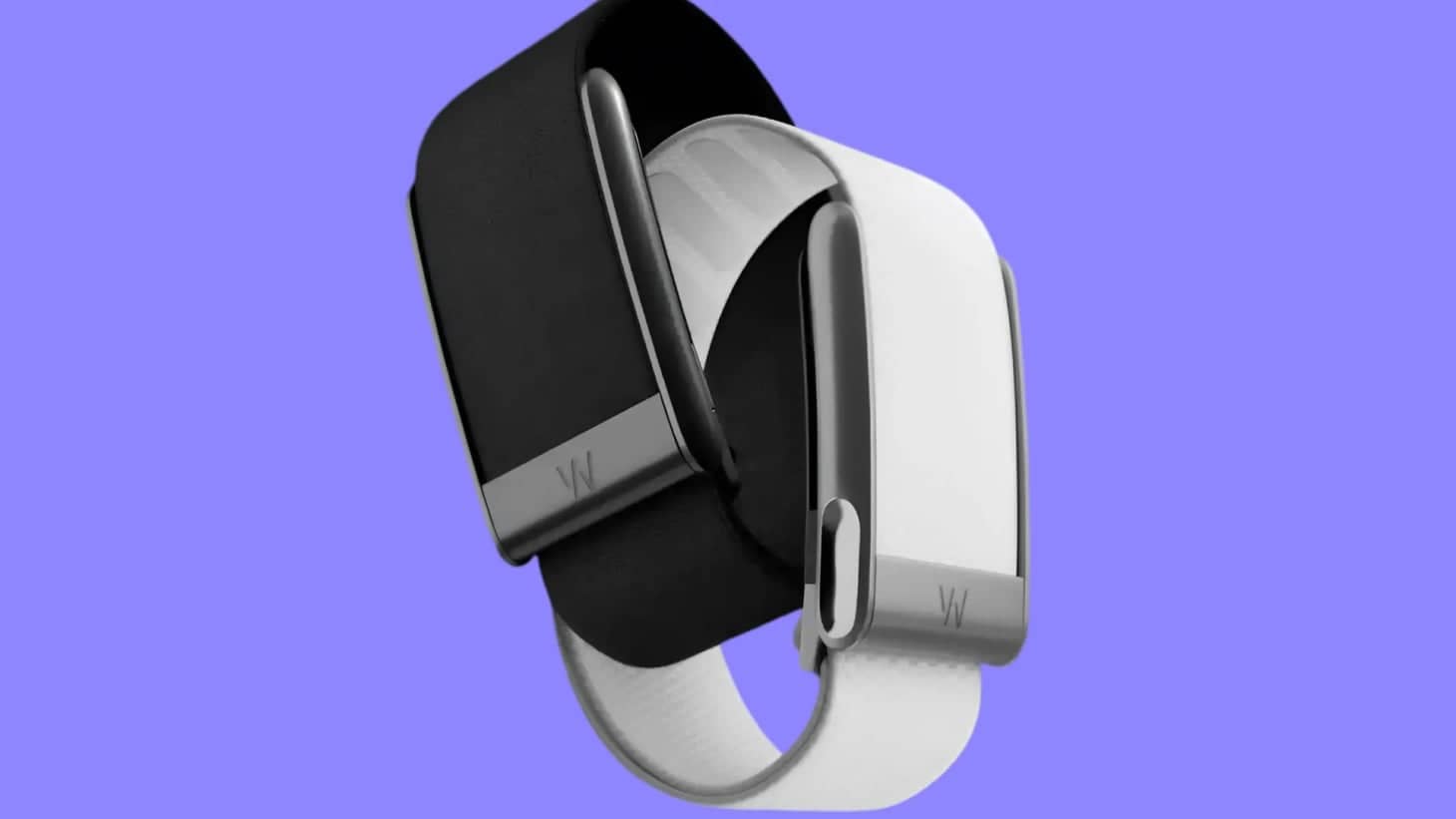
Whoop bands, Garmin watches, and similar devices flood American wellness culture with data points that lack clinical validation. A 2023 CDC report shows that 30% of U.S. adults regularly wear a health tracker. A 2022 survey of 2,500 U.S. workers found that 48% log at least one metric each day, most often sleep quality or step count. The goal is to turn daily habits into quantifiable targets that promise higher output. The reality is noise masquerading as signal.
The Anxiety Loop Undermines Performance
Frequent monitoring doesn't just waste time. It rewires your stress response. A 2023 scoping review of wearable studies reported that participants who checked their devices more than eight times per day experienced a 34% increase in anxiety scores compared with those who checked twice daily (global scoping review, 2023, systematic review). The review highlighted that the act of monitoring itself, not the biometric data, drove the stress response.
Silicon Valley biohacking culture amplifies this loop. Executives track cortisol, testosterone, and heart‑rate variability around the clock, convinced that more data equals better outcomes. A 2025 Duke University study observed that 68% of participants who tracked food intake for longer than six months developed disordered eating behaviors, versus 12% of those who stopped after four weeks (Duke University, 2025, longitudinal study). Workplace wellness programs that reward step counts and sleep scores can inadvertently push employees into compulsive monitoring cycles.
Other warning signs include feeling panic when a device is unavailable, letting metric results dictate mood, and a drop in spontaneous activity because workouts become tied to badge goals. When your dashboard becomes your emotional thermostat, you've crossed from optimization into obsession.
Simple Habits Beat Complex Metrics
The strongest evidence for behavior change comes from studies that ignore tracking entirely. A University of Pennsylvania trial assigned 600 participants to either a Fitbit or a paper habit checklist. The checklist group added an average of 1,200 steps per day, while the Fitbit group added 300 fewer steps (University of Pennsylvania, 2022, randomized trial).
A meta‑analysis published in The Lancet Digital Health reviewed 47 randomized trials involving roughly 10,000 participants who used self‑tracking tools for six months or longer. The pooled evidence found no significant improvement in cardiovascular outcomes, metabolic markers, or self‑reported wellbeing compared with control groups that followed standard public‑health recommendations (Lancet Digital Health, 2023, meta‑analysis).
Consistent bedtime within a 30‑minute window outperforms sleep‑stage data. A weekly subjective energy rating on a 1‑to‑10 scale captures wellness trends better than daily heart‑rate variability logs. The American Heart Association's 2024 review of 88 studies recommends limiting step‑count goals to a range of 7,000 to 8,000 daily steps for most adults. Pursuing higher targets adds little cardiovascular benefit and can raise stress if missed (American Heart Association, 2024, systematic review).
Professional guidelines reinforce restraint. The National Sleep Foundation advises tracking sleep only when a sleep disorder is suspected, and suggests reviewing data no more than once per week to avoid over‑analysis (National Sleep Foundation, 2023, guideline). For hormone or metabolic panels, the Endocrine Society states that repeat testing without a clinical indication should not occur more often than once per year (Endocrine Society, 2022, guideline).
The Counterpoint: When Tracking Helps
Defenders of health tracking argue that some users find motivation in numbers, and clinical populations benefit from structured monitoring. Both points deserve consideration.
For individuals managing chronic conditions like diabetes or atrial fibrillation, clinician‑prescribed devices provide actionable feedback that standard care cannot match. Continuous glucose monitors help diabetic patients adjust insulin dosing in real time. Heart monitors catch arrhythmias before they escalate.
Some healthy adults do report short‑term motivation boosts from step counts or activity rings. The issue is sustainability. Studies that followed participants beyond six months show that intrinsic motivation declines as the novelty fades, leaving only the compulsion to check. The devices that help are the ones prescribed by a provider, reviewed with a care plan, and used to answer a specific clinical question.
The difference between helpful tracking and harmful obsession lies in purpose. If you can articulate a clear health goal, set a time‑limited tracking period, and stop when the question is answered, the tool serves you. If you check reflexively, adjust behavior based on every fluctuation, and feel anxiety when the device is unavailable, the tool owns you.
How to Cut Back Without Losing Ground
Delete or disable non‑essential health apps. Keep only those prescribed by a clinician. Choose one meaningful habit, such as consistent bedtime within a 30‑minute window, and practice it seven days a week. Pair the habit with a brief subjective rating of energy on a 1‑to‑10 scale, recorded only once each week.
Schedule a weekly check‑in with yourself to note any changes in mood or performance. Skip the dashboard. Ask your provider questions like, "Is daily heart‑rate monitoring necessary for my health status?" and "What thresholds would indicate a need for medical evaluation?"
If you use a Fitbit, Apple Watch, Oura ring, or similar device, turn off all notifications except those tied to a documented medical need. Disable social‑sharing features and competition modes. Set a calendar reminder to review your data once per week, not once per hour.
By shifting focus from constant data streams to a few reliable routines, you can lower anxiety, improve sleep consistency, and maintain the productivity gains that matter. The irony of productivity optimization culture is that the fastest route to better performance is to stop measuring it so obsessively.
For deeper insight into how fitness‑app streaks create compulsive behavior, read The Dark Side of Fitness App Streaks. To understand what your sleep tracker actually measures, see What Your Sleep Tracker Really Measures (and Misses). And if you're navigating the broader world of self‑experimentation, explore Biohacking Basics: Proven Practices and Hidden Pitfalls.
.png&w=3840&q=75)









.png&w=1920&q=75)
