• My Feed
  • Home
  • What's Important
  • Media & Entertainment
Search

Stay Curious. Stay Wanture.

© 2026 Wanture. All rights reserved.

  • Terms of Use
  • Privacy Policy
Health/Wellness

How Sleep Loss Rewires Your Brain's Control Center

Three nights of poor sleep dims the prefrontal cortex, shifting you from strategic thinking to reactive survival mode

11 February 2026

—

Explainer *

Caleb Brooks
banner

After just three nights of restricted sleep, your brain's prefrontal cortex—responsible for planning, decision-making, and self-control—begins to fail. Working memory collapses, impulsivity rises, and you stop noticing the decline. This isn't fatigue. It's neurological rewiring that makes you operate in survival mode while feeling normal.

image (20)

Summary:

  • Six hours of sleep already dims the prefrontal cortex, turning strategic thinking into reactive snap decisions and raising error risk.
  • Working memory shrinks, so juggling info feels like dropping balls; tasks like remembering a phone number or a recipe become hard and error‑prone.
  • After a week, people feel only mildly sleepy while performance matches an all‑night binge; fix it by keeping a regular 7‑9‑hour schedule and tracking objective errors.

After three nights of six-hour sleep, a project manager in Chicago opens her laptop to review a budget spreadsheet. She scans the same column three times, loses her place, and approves a line item she meant to flag. Later that afternoon, she can't recall why she walked into the conference room. Her brain isn't just tired—it's rewired. The prefrontal cortex, the region that plans her day and holds her intentions, starts to flicker. Strategic thinking gives way to reactive thinking. She stops playing chess and starts swatting flies.

This isn't about yawning through meetings. It's about what happens when the brain's control center goes offline while you're still awake—and you don't even realize it's happening.

The Prefrontal Cortex Dims

The prefrontal cortex—your brain's command center for planning, decision-making, and self-control—falters first under sleep restriction. Even at six hours per night, a threshold many professionals consider manageable, this region shows measurable declines in activity.

A 2003 study at the University of Pennsylvania's Sleep and Chronobiology Laboratory tracked 48 healthy adults ages 21 to 38. Researchers randomized participants to sleep eight, six, or four hours per night for 14 consecutive days. They measured cognitive performance using the psychomotor vigilance test, a standard tool for tracking attention lapses.

The result: chronic restriction to six hours or less produced cognitive deficits equivalent to up to two nights of total sleep deprivation. Participants limited to six hours showed lapses in behavioral alertness closely tied to cumulative wakefulness exceeding 15.84 hours. Here's what makes it dangerous: by day ten, most subjects reported feeling only mildly sleepy, even as their performance collapsed.

Cognitive flexibility—the ability to shift between tasks, adapt to new information, or hold multiple ideas in working memory—erodes. The brain changes modes. You stop planning three steps ahead and start responding to whatever's directly in front of you.

Working Memory Shrinks

Working memory—your brain's scratch pad for holding and manipulating information—collapses under sleep loss. Think of it like juggling while someone keeps removing balls from the air. You can still catch what's left, but the act becomes harder, less fluid, more fragile.

Dr. Matthew Walker, a neuroscientist at UC Berkeley's Center for Human Sleep Science, describes this as "informational fragility." The brain can still encode new information during sleep deprivation, but it struggles to hold onto that information long enough to use it. Error rates climb. Processing speed drops.

Tasks that once felt automatic—holding a phone number in your head, following a multi-step recipe, tracking the thread of a conversation—require conscious effort. A composite case from a rural hospital in Kansas illustrates this: a nurse working rotating shifts on six hours of sleep made three near-miss medication dosage errors in one week, each time reading the same chart correctly but losing the information between the supply room and the patient's bedside.

This isn't about forgetting where you put your keys. It's about losing the mental workspace where thinking actually happens.

Impulsivity Takes Over

Sleep deprivation shifts your brain's reward circuitry toward immediate gratification. The ventral striatum, a region involved in processing rewards, becomes hyperactive. Meanwhile, the prefrontal cortex, which normally acts as a brake on impulsive decisions, weakens its grip.

You're more likely to choose the quick win over the complex task. Scrolling through social media instead of tackling that report. Ordering takeout instead of meal-prepping. Snapping at a colleague instead of pausing to respond thoughtfully.

Research published in the journal Sleep found that sleep-restricted individuals showed increased activity in reward-seeking brain regions when presented with images of high-calorie foods, even when they weren't hungry. Emotional reactivity rises in lockstep. Small frustrations feel larger. Patience for ambiguity evaporates.

The brain, operating in a depleted state, defaults to the path of least resistance.

Metabolism and Stress Hormones Spiral

Sleep loss cascades into the body's metabolic and hormonal systems, which then loop back to affect cognitive function. Cortisol, the stress hormone, spikes. Insulin sensitivity drops, making it harder for cells to absorb glucose—the brain's primary fuel.

A study from the University of Chicago found that just four nights of restricted sleep reduced insulin sensitivity by 30 percent, a decline comparable to metabolic changes seen in prediabetes.

Hunger intensifies, particularly for high-calorie, high-carbohydrate foods. Leptin, the hormone that signals fullness, decreases. Ghrelin, which signals hunger, increases. The brain and body, sensing an energy crisis, shift into conservation mode.

When your body is metabolically unstable, your brain can't maintain steady focus. Glucose delivery becomes erratic. Cortisol interferes with memory consolidation. Inflammation markers rise, affecting neural signaling. Concentration doesn't just weaken—it destabilizes.

Adaptation Is an Illusion

After several nights of short sleep, you stop feeling as tired. Subjectively, you adapt. You tell yourself you're functioning fine. But objective performance metrics tell a different story.

In the Penn Sleep Lab study, subjective sleepiness ratings rose initially but plateaued and did not track the continued objective cognitive decline. By the end of two weeks at six hours per night, participants rated their sleepiness as mild. Yet their performance on attention and working memory tasks had declined to levels seen in people who'd pulled an all-nighter.

This gap—between how you feel and how you're actually performing—is what makes chronic sleep restriction so insidious. You can't trust your own assessment. The brain recalibrates its baseline. You feel "normal" while operating at a deficit.

What You Can Do

Fortunately, the brain is remarkably responsive to restored sleep, even after periods of restriction. Recognizing the hidden cost of chronic short sleep is the first step; protecting your concentration requires concrete, sustainable habits.

Prioritize Consistency Over Perfection

Aim for seven to nine hours per night, but focus first on keeping a regular sleep schedule. Your circadian rhythm thrives on predictability. Going to bed and waking up at the same time daily—even on weekends—stabilizes your internal clock and improves sleep quality. Many people use wearables like Fitbit or Oura Ring to track sleep consistency and identify patterns they wouldn't notice otherwise.

Track Performance, Not Just Feelings

Use objective markers: error rates at work, time to complete familiar tasks, mood fluctuations. If you notice patterns of decline during the week, that's your brain signaling it needs more recovery time. Don't rely on how tired you feel—measure what you actually do.

Create a Pre-Sleep Buffer

The hour before bed should transition your nervous system from alert to restful. Dim the lights. Reduce screen time. Engage in low-stimulation activities—reading, stretching, journaling. Apps like Calm or Headspace can support pre-sleep wind-down routines with guided breathing or body scans. This isn't about relaxation for its own sake. It's about giving your prefrontal cortex permission to disengage before you actually need to sleep.

Sleep isn't a luxury you fit in when everything else is done. It's the foundation on which everything else is built. The brain that plans your day, holds your ideas, and navigates your relationships needs those hours to restore its architecture. Without them, you're not just tired. You're working with different circuitry—one designed for survival, not sophistication.

Topic

Individual Sleep Needs

What Your Sleep Tracker Really Measures (and Misses)?

14 February 2026

What Your Sleep Tracker Really Measures (and Misses)?

Sleep Deprivation Sparks Hormone Surge, Insulin Spike

13 February 2026

Sleep Deprivation Sparks Hormone Surge, Insulin Spike

Why Sleep Cycles Matter More Than Sleep Duration

11 February 2026

Why Sleep Cycles Matter More Than Sleep Duration

What is this about?

  • sleep optimization/
  • cognitive performance/
  • cortisol regulation/
  • circadian biology/
  • decision-making wisdom

Feed

    Cursor 3 Launches Unified AI Coding Workspace

    Cursor 3 Launches Unified AI Coding Workspace

    Side‑panel lets devs toggle local and cloud agents, building on Composer 2 and Kimi 2.5

    about 13 hours ago
    Orion’s Six‑Minute Burn Puts Artemis 2 on Free‑Return Path

    Orion’s Six‑Minute Burn Puts Artemis 2 on Free‑Return Path

    iPhone 17 Pro Max survives Orion’s deep‑space test as crew heads to lunar flyby

    about 15 hours ago
    Android 17 Introduces System‑Level Notification Rules

    Android 17 Introduces System‑Level Notification Rules

    Samsung’s One UI 9 will adopt Android 17’s rules, adding OS‑level alert control

    about 15 hours ago

    Nvidia rolls out DLSS 4.5, 6× boost on RTX 50-series

    Dynamic Multi‑Frame Generation smooths 120–240 Hz, delivered in the driver 595.97

    about 17 hours ago
    Apple rolls out iOS 18.7.7 to block DarkSword

    Apple rolls out iOS 18.7.7 to block DarkSword

    Patch fixes six Safari bugs, stopping DarkSword on iOS 18–18.7 devices

    1 day ago
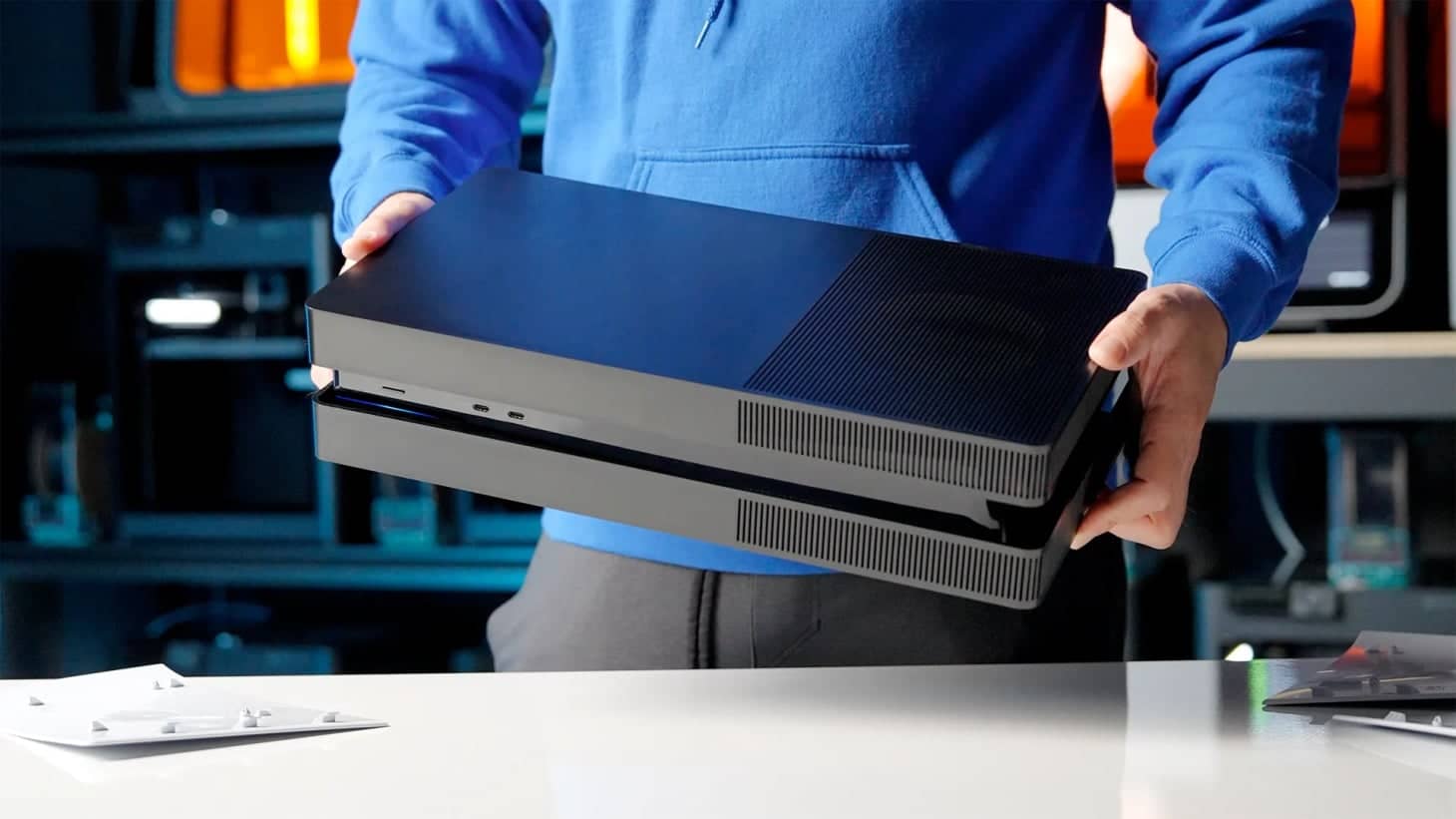
    BoxPlates Skins Revamp PS5 Slim & Pro in Two Weeks

    BoxPlates Skins Revamp PS5 Slim & Pro in Two Weeks

    1 day ago
    Artemis 2 Rockets Beyond Earth—402,000 km From Home

    Artemis 2 Rockets Beyond Earth—402,000 km From Home

    Lift‑off at 8:23 a.m. ET marks first crewed lunar flight since 1972, with a diverse four‑person crew

    1 day ago
    Apple celebrates 50 years with new minimalist wallpapers

    Apple celebrates 50 years with new minimalist wallpapers

    Basic Apple Guy releases iPhone and Mac wallpapers for Apple’s 50th anniversary

    1 day ago
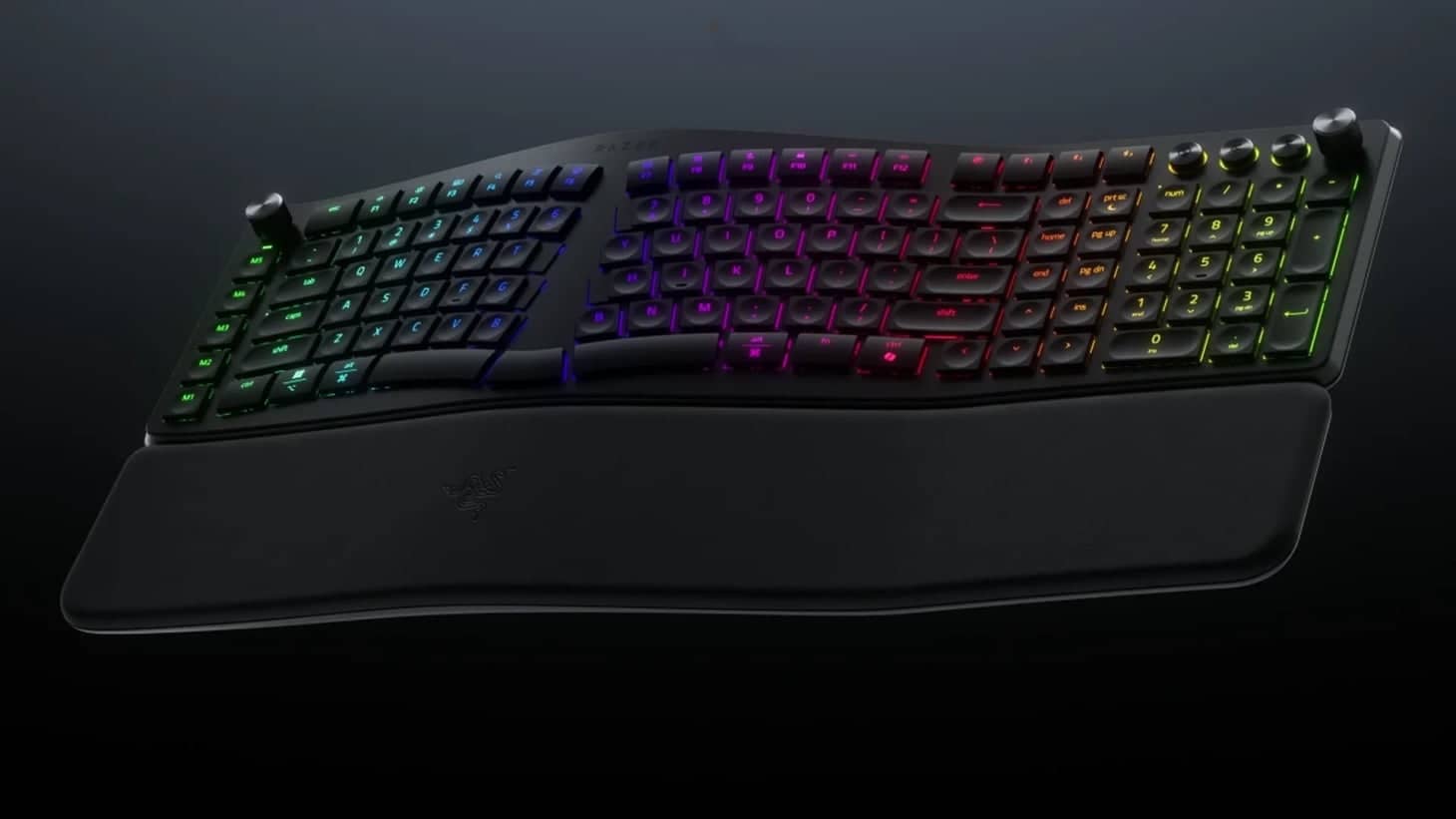
    Razer Unveils Pro Type Ergo Ergonomic Keyboard Today

    Razer Unveils Pro Type Ergo Ergonomic Keyboard Today

    Split design, AI button, and 19‑zone RGB aim at U.S. workers with a 9.7% RSI rate

    2 days ago
    Google to debut screen‑free Fitbit band in 2026

    Google to debut screen‑free Fitbit band in 2026

    AI‑driven training plan and upgraded platform aim at the health‑tracking market against Oura and Whoop

    2 days ago
    Nothing unveils AI‑powered smart glasses for a 2027 launch

    Nothing unveils AI‑powered smart glasses for a 2027 launch

    The glasses use a paired phone and cloud, with a clear frame and LED accents

    3 days ago
    Google rolls out Veo 3.1 Lite, halving AI video costs

    Google rolls out Veo 3.1 Lite, halving AI video costs

    Veo 3.1 Lite matches Veo 3.1 Fast speed but cuts price by over 50% for devs now

    3 days ago
    Freelander 97 Debuts 800‑V EV Crossover in Shanghai

    Freelander 97 Debuts 800‑V EV Crossover in Shanghai

    Chery‑JLR showcases ADS 4.1 autonomy on 800‑V platform, eyeing 2028 launch

    3 days ago
    Telegram Launches Version 12.6 With AI Editor, New Polls

    Telegram Launches Version 12.6 With AI Editor, New Polls

    It adds an AI tone editor, richer polls, Live/Motion Photos, and bot management

    3 days ago

    Pixel 11 Pro Renders Leak With Black Camera Bar and MediaTek Modem

    Google’s August 2026 flagship ditches Samsung radios for improved 5G and runs the Tensor G6

    3 days ago

    Anthropic leak reveals Opus 4.7, Sonnet 4.8 in npm 2.1.88

    Leak on March 30‑31 exposed TypeScript, revealing Opus 4.7, Sonnet 4.8, and internal features

    3 days ago
    iOS 26.5 beta lands on iPhone 17 Pro with an 8 GB download

    iOS 26.5 beta lands on iPhone 17 Pro with an 8 GB download

    Apple restores RCS encryption and adds a 12‑month subscription in the update

    3 days ago
    Windows 11 24H2 Brings Dark Mode to Core Utilities

    Windows 11 24H2 Brings Dark Mode to Core Utilities

    Tools like Registry Editor get dark mode in Windows 11 24H2, out in Sep 2026

    5 days ago

    John Noble's 1,024 Thread Implant Powers Warcraft Raids

    John Noble, a former British parachutist turned veteran gamer, received a neural implant with 1,024 threads after a 2024 trial in Seattle. The device lets him control a MacBook with thought alone, turning World of Warcraft raids into hands‑free battles. His story shows how brain‑computer interfaces can expand digital access for disabled veterans and reshape gaming.

    5 days ago
    Apple unveils Siri app for iOS 27, adds 50+ AI agents

    Apple unveils Siri app for iOS 27, adds 50+ AI agents

    iOS 27 Siri app adds Extensions marketplace, eyeing Alexa’s 100,000‑skill store

    5 days ago
    Loading...
Health/Wellness

How Sleep Loss Rewires Your Brain's Control Center

Three nights of poor sleep dims the prefrontal cortex, shifting you from strategic thinking to reactive survival mode

February 11, 2026, 4:39 pm

After just three nights of restricted sleep, your brain's prefrontal cortex—responsible for planning, decision-making, and self-control—begins to fail. Working memory collapses, impulsivity rises, and you stop noticing the decline. This isn't fatigue. It's neurological rewiring that makes you operate in survival mode while feeling normal.

image (20)

Summary

  • Six hours of sleep already dims the prefrontal cortex, turning strategic thinking into reactive snap decisions and raising error risk.
  • Working memory shrinks, so juggling info feels like dropping balls; tasks like remembering a phone number or a recipe become hard and error‑prone.
  • After a week, people feel only mildly sleepy while performance matches an all‑night binge; fix it by keeping a regular 7‑9‑hour schedule and tracking objective errors.

After three nights of six-hour sleep, a project manager in Chicago opens her laptop to review a budget spreadsheet. She scans the same column three times, loses her place, and approves a line item she meant to flag. Later that afternoon, she can't recall why she walked into the conference room. Her brain isn't just tired—it's rewired. The prefrontal cortex, the region that plans her day and holds her intentions, starts to flicker. Strategic thinking gives way to reactive thinking. She stops playing chess and starts swatting flies.

This isn't about yawning through meetings. It's about what happens when the brain's control center goes offline while you're still awake—and you don't even realize it's happening.

The Prefrontal Cortex Dims

The prefrontal cortex—your brain's command center for planning, decision-making, and self-control—falters first under sleep restriction. Even at six hours per night, a threshold many professionals consider manageable, this region shows measurable declines in activity.

A 2003 study at the University of Pennsylvania's Sleep and Chronobiology Laboratory tracked 48 healthy adults ages 21 to 38. Researchers randomized participants to sleep eight, six, or four hours per night for 14 consecutive days. They measured cognitive performance using the psychomotor vigilance test, a standard tool for tracking attention lapses.

The result: chronic restriction to six hours or less produced cognitive deficits equivalent to up to two nights of total sleep deprivation. Participants limited to six hours showed lapses in behavioral alertness closely tied to cumulative wakefulness exceeding 15.84 hours. Here's what makes it dangerous: by day ten, most subjects reported feeling only mildly sleepy, even as their performance collapsed.

Cognitive flexibility—the ability to shift between tasks, adapt to new information, or hold multiple ideas in working memory—erodes. The brain changes modes. You stop planning three steps ahead and start responding to whatever's directly in front of you.

Working Memory Shrinks

Working memory—your brain's scratch pad for holding and manipulating information—collapses under sleep loss. Think of it like juggling while someone keeps removing balls from the air. You can still catch what's left, but the act becomes harder, less fluid, more fragile.

Dr. Matthew Walker, a neuroscientist at UC Berkeley's Center for Human Sleep Science, describes this as "informational fragility." The brain can still encode new information during sleep deprivation, but it struggles to hold onto that information long enough to use it. Error rates climb. Processing speed drops.

Tasks that once felt automatic—holding a phone number in your head, following a multi-step recipe, tracking the thread of a conversation—require conscious effort. A composite case from a rural hospital in Kansas illustrates this: a nurse working rotating shifts on six hours of sleep made three near-miss medication dosage errors in one week, each time reading the same chart correctly but losing the information between the supply room and the patient's bedside.

This isn't about forgetting where you put your keys. It's about losing the mental workspace where thinking actually happens.

Impulsivity Takes Over

Sleep deprivation shifts your brain's reward circuitry toward immediate gratification. The ventral striatum, a region involved in processing rewards, becomes hyperactive. Meanwhile, the prefrontal cortex, which normally acts as a brake on impulsive decisions, weakens its grip.

You're more likely to choose the quick win over the complex task. Scrolling through social media instead of tackling that report. Ordering takeout instead of meal-prepping. Snapping at a colleague instead of pausing to respond thoughtfully.

Research published in the journal Sleep found that sleep-restricted individuals showed increased activity in reward-seeking brain regions when presented with images of high-calorie foods, even when they weren't hungry. Emotional reactivity rises in lockstep. Small frustrations feel larger. Patience for ambiguity evaporates.

The brain, operating in a depleted state, defaults to the path of least resistance.

Metabolism and Stress Hormones Spiral

Sleep loss cascades into the body's metabolic and hormonal systems, which then loop back to affect cognitive function. Cortisol, the stress hormone, spikes. Insulin sensitivity drops, making it harder for cells to absorb glucose—the brain's primary fuel.

A study from the University of Chicago found that just four nights of restricted sleep reduced insulin sensitivity by 30 percent, a decline comparable to metabolic changes seen in prediabetes.

Hunger intensifies, particularly for high-calorie, high-carbohydrate foods. Leptin, the hormone that signals fullness, decreases. Ghrelin, which signals hunger, increases. The brain and body, sensing an energy crisis, shift into conservation mode.

When your body is metabolically unstable, your brain can't maintain steady focus. Glucose delivery becomes erratic. Cortisol interferes with memory consolidation. Inflammation markers rise, affecting neural signaling. Concentration doesn't just weaken—it destabilizes.

Adaptation Is an Illusion

After several nights of short sleep, you stop feeling as tired. Subjectively, you adapt. You tell yourself you're functioning fine. But objective performance metrics tell a different story.

In the Penn Sleep Lab study, subjective sleepiness ratings rose initially but plateaued and did not track the continued objective cognitive decline. By the end of two weeks at six hours per night, participants rated their sleepiness as mild. Yet their performance on attention and working memory tasks had declined to levels seen in people who'd pulled an all-nighter.

This gap—between how you feel and how you're actually performing—is what makes chronic sleep restriction so insidious. You can't trust your own assessment. The brain recalibrates its baseline. You feel "normal" while operating at a deficit.

What You Can Do

Fortunately, the brain is remarkably responsive to restored sleep, even after periods of restriction. Recognizing the hidden cost of chronic short sleep is the first step; protecting your concentration requires concrete, sustainable habits.

Prioritize Consistency Over Perfection

Aim for seven to nine hours per night, but focus first on keeping a regular sleep schedule. Your circadian rhythm thrives on predictability. Going to bed and waking up at the same time daily—even on weekends—stabilizes your internal clock and improves sleep quality. Many people use wearables like Fitbit or Oura Ring to track sleep consistency and identify patterns they wouldn't notice otherwise.

Track Performance, Not Just Feelings

Use objective markers: error rates at work, time to complete familiar tasks, mood fluctuations. If you notice patterns of decline during the week, that's your brain signaling it needs more recovery time. Don't rely on how tired you feel—measure what you actually do.

Create a Pre-Sleep Buffer

The hour before bed should transition your nervous system from alert to restful. Dim the lights. Reduce screen time. Engage in low-stimulation activities—reading, stretching, journaling. Apps like Calm or Headspace can support pre-sleep wind-down routines with guided breathing or body scans. This isn't about relaxation for its own sake. It's about giving your prefrontal cortex permission to disengage before you actually need to sleep.

Sleep isn't a luxury you fit in when everything else is done. It's the foundation on which everything else is built. The brain that plans your day, holds your ideas, and navigates your relationships needs those hours to restore its architecture. Without them, you're not just tired. You're working with different circuitry—one designed for survival, not sophistication.

Topic

Individual Sleep Needs

What Your Sleep Tracker Really Measures (and Misses)?

14 February 2026

What Your Sleep Tracker Really Measures (and Misses)?

Sleep Deprivation Sparks Hormone Surge, Insulin Spike

13 February 2026

Sleep Deprivation Sparks Hormone Surge, Insulin Spike

Why Sleep Cycles Matter More Than Sleep Duration

11 February 2026

Why Sleep Cycles Matter More Than Sleep Duration

What is this about?

  • sleep optimization/
  • cognitive performance/
  • cortisol regulation/
  • circadian biology/
  • decision-making wisdom

Feed

    Cursor 3 Launches Unified AI Coding Workspace

    Cursor 3 Launches Unified AI Coding Workspace

    Side‑panel lets devs toggle local and cloud agents, building on Composer 2 and Kimi 2.5

    about 13 hours ago
    Orion’s Six‑Minute Burn Puts Artemis 2 on Free‑Return Path

    Orion’s Six‑Minute Burn Puts Artemis 2 on Free‑Return Path

    iPhone 17 Pro Max survives Orion’s deep‑space test as crew heads to lunar flyby

    about 15 hours ago
    Android 17 Introduces System‑Level Notification Rules

    Android 17 Introduces System‑Level Notification Rules

    Samsung’s One UI 9 will adopt Android 17’s rules, adding OS‑level alert control

    about 15 hours ago

    Nvidia rolls out DLSS 4.5, 6× boost on RTX 50-series

    Dynamic Multi‑Frame Generation smooths 120–240 Hz, delivered in the driver 595.97

    about 17 hours ago
    Apple rolls out iOS 18.7.7 to block DarkSword

    Apple rolls out iOS 18.7.7 to block DarkSword

    Patch fixes six Safari bugs, stopping DarkSword on iOS 18–18.7 devices

    1 day ago
    BoxPlates Skins Revamp PS5 Slim & Pro in Two Weeks

    BoxPlates Skins Revamp PS5 Slim & Pro in Two Weeks

    1 day ago
    Artemis 2 Rockets Beyond Earth—402,000 km From Home

    Artemis 2 Rockets Beyond Earth—402,000 km From Home

    Lift‑off at 8:23 a.m. ET marks first crewed lunar flight since 1972, with a diverse four‑person crew

    1 day ago
    Apple celebrates 50 years with new minimalist wallpapers

    Apple celebrates 50 years with new minimalist wallpapers

    Basic Apple Guy releases iPhone and Mac wallpapers for Apple’s 50th anniversary

    1 day ago
    Razer Unveils Pro Type Ergo Ergonomic Keyboard Today

    Razer Unveils Pro Type Ergo Ergonomic Keyboard Today

    Split design, AI button, and 19‑zone RGB aim at U.S. workers with a 9.7% RSI rate

    2 days ago
    Google to debut screen‑free Fitbit band in 2026

    Google to debut screen‑free Fitbit band in 2026

    AI‑driven training plan and upgraded platform aim at the health‑tracking market against Oura and Whoop

    2 days ago
    Nothing unveils AI‑powered smart glasses for a 2027 launch

    Nothing unveils AI‑powered smart glasses for a 2027 launch

    The glasses use a paired phone and cloud, with a clear frame and LED accents

    3 days ago
    Google rolls out Veo 3.1 Lite, halving AI video costs

    Google rolls out Veo 3.1 Lite, halving AI video costs

    Veo 3.1 Lite matches Veo 3.1 Fast speed but cuts price by over 50% for devs now

    3 days ago
    Freelander 97 Debuts 800‑V EV Crossover in Shanghai

    Freelander 97 Debuts 800‑V EV Crossover in Shanghai

    Chery‑JLR showcases ADS 4.1 autonomy on 800‑V platform, eyeing 2028 launch

    3 days ago
    Telegram Launches Version 12.6 With AI Editor, New Polls

    Telegram Launches Version 12.6 With AI Editor, New Polls

    It adds an AI tone editor, richer polls, Live/Motion Photos, and bot management

    3 days ago

    Pixel 11 Pro Renders Leak With Black Camera Bar and MediaTek Modem

    Google’s August 2026 flagship ditches Samsung radios for improved 5G and runs the Tensor G6

    3 days ago

    Anthropic leak reveals Opus 4.7, Sonnet 4.8 in npm 2.1.88

    Leak on March 30‑31 exposed TypeScript, revealing Opus 4.7, Sonnet 4.8, and internal features

    3 days ago
    iOS 26.5 beta lands on iPhone 17 Pro with an 8 GB download

    iOS 26.5 beta lands on iPhone 17 Pro with an 8 GB download

    Apple restores RCS encryption and adds a 12‑month subscription in the update

    3 days ago
    Windows 11 24H2 Brings Dark Mode to Core Utilities

    Windows 11 24H2 Brings Dark Mode to Core Utilities

    Tools like Registry Editor get dark mode in Windows 11 24H2, out in Sep 2026

    5 days ago

    John Noble's 1,024 Thread Implant Powers Warcraft Raids

    John Noble, a former British parachutist turned veteran gamer, received a neural implant with 1,024 threads after a 2024 trial in Seattle. The device lets him control a MacBook with thought alone, turning World of Warcraft raids into hands‑free battles. His story shows how brain‑computer interfaces can expand digital access for disabled veterans and reshape gaming.

    5 days ago
    Apple unveils Siri app for iOS 27, adds 50+ AI agents

    Apple unveils Siri app for iOS 27, adds 50+ AI agents

    iOS 27 Siri app adds Extensions marketplace, eyeing Alexa’s 100,000‑skill store

    5 days ago
    Loading...
banner