• My Feed
  • Home
  • What's Important
  • Media & Entertainment
Search

Stay Curious. Stay Wanture.

© 2026 Wanture. All rights reserved.

  • Terms of Use
  • Privacy Policy
Health/Nutrition

Why One‑Size Diets Fail and How to Personalize Weight Loss

Discover how metabolism, sleep, stress and gut microbes drive weight loss

14 February 2026

—

Explainer *

Sofia Ramirez
banner

Weight loss in 2026 no longer relies on blanket calorie counts. This explainer breaks down why your metabolism, sleep quality, stress hormones and the gut microbiome each pull the lever on fat storage, and shows a three‑phase, data‑driven method to measure your baseline, test a single variable, then layer additional tweaks for lasting results.

image (39)

Summary:

  • Traditional calorie cuts trigger metabolic slowdown, hormone shifts, and stress, causing the body to hold weight despite lower intake.
  • Gut microbiome decides calorie extraction; diet changes shift bacteria within days, so personalized testing beats generic plans.
  • Use a three‑step protocol: record baseline, tweak one factor (sleep, stress or glucose) for two weeks, then add another—weight drops in weeks.

In 2019, Stanford's Gardner Lab tracked 609 adults through identical diet programs. Some lost thirty pounds. Others gained weight. Same meals, same calorie counts, wildly different outcomes. The researchers discovered something the diet industry has ignored for decades: your body doesn't read nutrition labels the way a calculator does.

Weight loss in 2026 looks nothing like the diet culture that dominated the past fifty years. The science has shifted from universal prescriptions to individual biology, and it's producing results that finally make sense.

Why Your Last Three Diets Failed (And Why That's Not Your Fault)

Traditional calorie restriction triggers a metabolic defense system older than agriculture itself. When you cut calories by 500 per day, your body interprets this as scarcity. Within two weeks, your resting metabolic rate drops by 15 to 20 percent, according to 2024 research published in Cell Metabolism.

You're burning fewer calories at rest, which means the math that worked in week one stops working by week three. This isn't willpower failure. It's biology doing exactly what evolution designed it to do: protect you from starvation.

Your thyroid hormone production slows. Your hunger hormone ghrelin increases by 24 percent. Your satiety hormone leptin drops by 40 percent. You're fighting your entire endocrine system with a calorie counting app.

Add to this the psychological toll: restrictive diets increase cortisol by 18 percent within the first month, creating a stress cycle that makes fat storage more efficient. Your diet is literally telling your body to hold onto weight.

Your Microbiome Controls More Than You Think

The three pounds of bacteria living in your gut determine how many calories you extract from a salad. Two people eat identical meals, but one person's microbiome extracts 200 more calories from the same food. This isn't speculation. It's measurable in clinical settings using indirect calorimetry.

A May 2024 study published in Nature Communications examined how different dietary approaches alter gut bacteria and metabolic outcomes. The research compared intermittent fasting with protein pacing against continuous caloric restriction in 41 participants, finding distinct microbiome and metabolomic differences between approaches.

But here's what makes this actionable: your microbiome responds to what you feed it within 48 hours. Introduce fermented foods, and beneficial bacteria populations shift measurably within three days. Reduce ultra-processed foods, and inflammatory bacterial strains decline within a week.

Personalized interventions based on initial microbiome composition produce measurably better outcomes than generic approaches. The key is testing first, then targeting.

The Metabolism Myth That's Actually True

Your metabolism isn't fixed. It's a response system that adapts to how you live. Sleep deprivation decreases insulin sensitivity by 30 percent within four nights, according to research from the University of Chicago. When insulin doesn't work efficiently, your body stores more calories as fat instead of burning them for energy.

Chronic stress elevates cortisol, which redirects calories toward abdominal fat storage. A 2024 study tracking 450 healthcare workers found that those with consistently elevated cortisol stored 40 percent more visceral fat than their lower-stress counterparts, even when total calorie intake was controlled.

But metabolism responds to intervention faster than most people realize. Improving sleep from five to seven hours per night restores insulin sensitivity to baseline within two weeks. Adding 20 minutes of morning sunlight exposure regulates cortisol rhythm within ten days. These aren't month-long projects. They're two-week experiments.

What Biohacking Actually Measures

Biohacking weight loss means testing one variable at a time and measuring the outcome. Not overhauling your entire life and hoping something works.

Start with continuous glucose monitoring, which tracks blood sugar responses to specific foods in real time. A bagel might spike one person's glucose to 180 mg/dL while barely affecting another. That difference determines fat storage patterns. Knowing which foods cause your personal glucose spikes lets you make swaps that prevent insulin resistance without eliminating entire food groups.

Sleep tracking through wearables like Oura Ring or WHOOP provides three critical metrics: time in deep sleep, time in REM sleep, and heart rate variability (HRV). Deep sleep regulates growth hormone, which affects muscle retention during weight loss. REM sleep regulates ghrelin and leptin. HRV indicates stress recovery.

Target at least 90 minutes of deep sleep, at least 90 minutes of REM, and HRV above your personal baseline.

Resting heart rate trends over time indicate metabolic adaptation. If your resting heart rate increases while weight stays stable, your body is fighting restriction. If it decreases or stays steady while weight drops, you're in sustainable fat loss.

Cost consideration: continuous glucose monitors run $80 to $150 monthly. Basic sleep trackers start at $100 one-time. Resting heart rate requires only a smartphone. Prioritize based on which variable you suspect is your primary barrier.

Building Your Personalized Plan in Three Phases

Phase One (Weeks 1–2): Baseline Measurement

Don't change anything yet. Track your current state. Record sleep hours, stress levels (rated 1 to 10 daily), food intake (not calories, just what you ate), and weight. Use a continuous glucose monitor if budget allows, or simply note energy crashes after meals.

This data reveals patterns: Do you sleep poorly before high-stress days? Does your weight spike after poor sleep? Does afternoon fatigue correlate with lunch composition? Time investment: 10 minutes daily for tracking. Zero behavior change required.

Phase Two (Weeks 3–6): Single Variable Testing

Choose one intervention based on your baseline data. If you averaged five hours of sleep, prioritize extending that to seven before touching food. If sleep was adequate but stress ratings averaged 7+, test a daily 20-minute walk before addressing diet.

If both were controlled but glucose spiked after meals, test food sequencing: eating protein and vegetables before carbohydrates at the same meal. Research shows this reduces glucose spikes by 40 percent.

Test only one variable. Measure for three weeks. This isolates cause and effect, so you know what actually worked.

Phase Three (Week 7+): Layer Additional Variables

Once you've confirmed one intervention produces measurable change, add a second variable. If you started with sleep and it worked, add stress management. If glucose control worked, add sleep optimization. Build systematically.

The hierarchy based on research impact: sleep first (affects everything downstream), stress management second (cortisol influences all hormones), food composition third (works better when the first two are stable).

What Works in Real Schedules

A healthcare administrator managing clinic operations and two kids tested food sequencing first because it required zero extra time. Eating vegetables and protein before rice or bread at the same meal cut her post-lunch energy crashes within five days.

She then added a 15-minute morning walk with her dog, which she was already doing, but moved it to immediately after waking to optimize cortisol rhythm. Eight weeks in, she's down 11 pounds and sleeping through the night for the first time in two years.

What This Means for You

Weight loss in 2026 isn't about following someone else's meal plan. It's about discovering which variables your body responds to, then optimizing those first. Recent research on emotional eating interventions, published in February 2025, examined 47 studies involving 6,729 participants and found that psychological and behavioral approaches targeting stress and eating behaviors produced meaningful weight outcomes.

This supports the broader concept that addressing underlying behavioral and physiological factors, rather than solely restricting calories, improves long-term results.

You're not fighting willpower. You're adjusting systems. And systems respond to measurement, testing, and iteration—the same process that works for optimizing anything else worth improving.

Consult a healthcare provider if your resting heart rate exceeds 100 bpm consistently, fasting glucose measures above 100 mg/dL on two separate occasions, or you're managing medications that affect weight.

Topic

Weight Loss Barriers

Why Cardio Alone Won’t Melt Fat: What to Do Instead

1 March 2026

Why Cardio Alone Won’t Melt Fat: What to Do Instead

How Muscle Loss Drives Unexpected Fat Gain

1 March 2026

10 Steps to Manage Weight After 40 Naturally

11 February 2026

10 Steps to Manage Weight After 40 Naturally

5 Hidden Reasons You're Not Losing Weight

29 October 2025

5 Hidden Reasons You're Not Losing Weight

What is this about?

  • metabolic health/
  • evidence-based biohacking/
  • circadian biology/
  • wearable health tracking

Feed

    Cursor 3 Launches Unified AI Coding Workspace

    Cursor 3 Launches Unified AI Coding Workspace

    Side‑panel lets devs toggle local and cloud agents, building on Composer 2 and Kimi 2.5

    about 11 hours ago
    Orion’s Six‑Minute Burn Puts Artemis 2 on Free‑Return Path

    Orion’s Six‑Minute Burn Puts Artemis 2 on Free‑Return Path

    iPhone 17 Pro Max survives Orion’s deep‑space test as crew heads to lunar flyby

    about 12 hours ago
    Android 17 Introduces System‑Level Notification Rules

    Android 17 Introduces System‑Level Notification Rules

    Samsung’s One UI 9 will adopt Android 17’s rules, adding OS‑level alert control

    about 13 hours ago

    Nvidia rolls out DLSS 4.5, 6× boost on RTX 50-series

    Dynamic Multi‑Frame Generation smooths 120–240 Hz, delivered in the driver 595.97

    about 15 hours ago
    Apple rolls out iOS 18.7.7 to block DarkSword

    Apple rolls out iOS 18.7.7 to block DarkSword

    Patch fixes six Safari bugs, stopping DarkSword on iOS 18–18.7 devices

    1 day ago
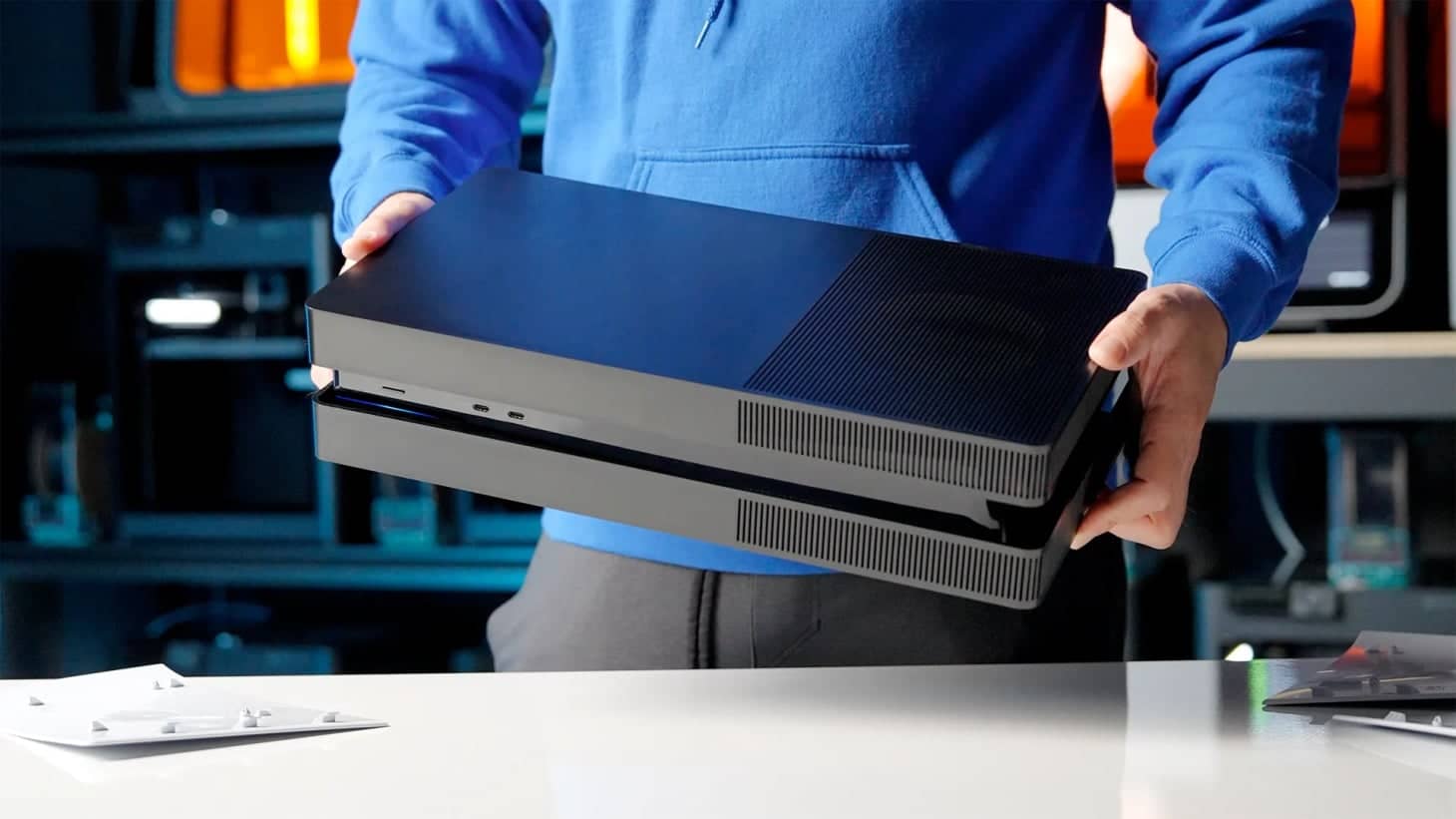
    BoxPlates Skins Revamp PS5 Slim & Pro in Two Weeks

    BoxPlates Skins Revamp PS5 Slim & Pro in Two Weeks

    1 day ago
    Artemis 2 Rockets Beyond Earth—402,000 km From Home

    Artemis 2 Rockets Beyond Earth—402,000 km From Home

    Lift‑off at 8:23 a.m. ET marks first crewed lunar flight since 1972, with a diverse four‑person crew

    1 day ago
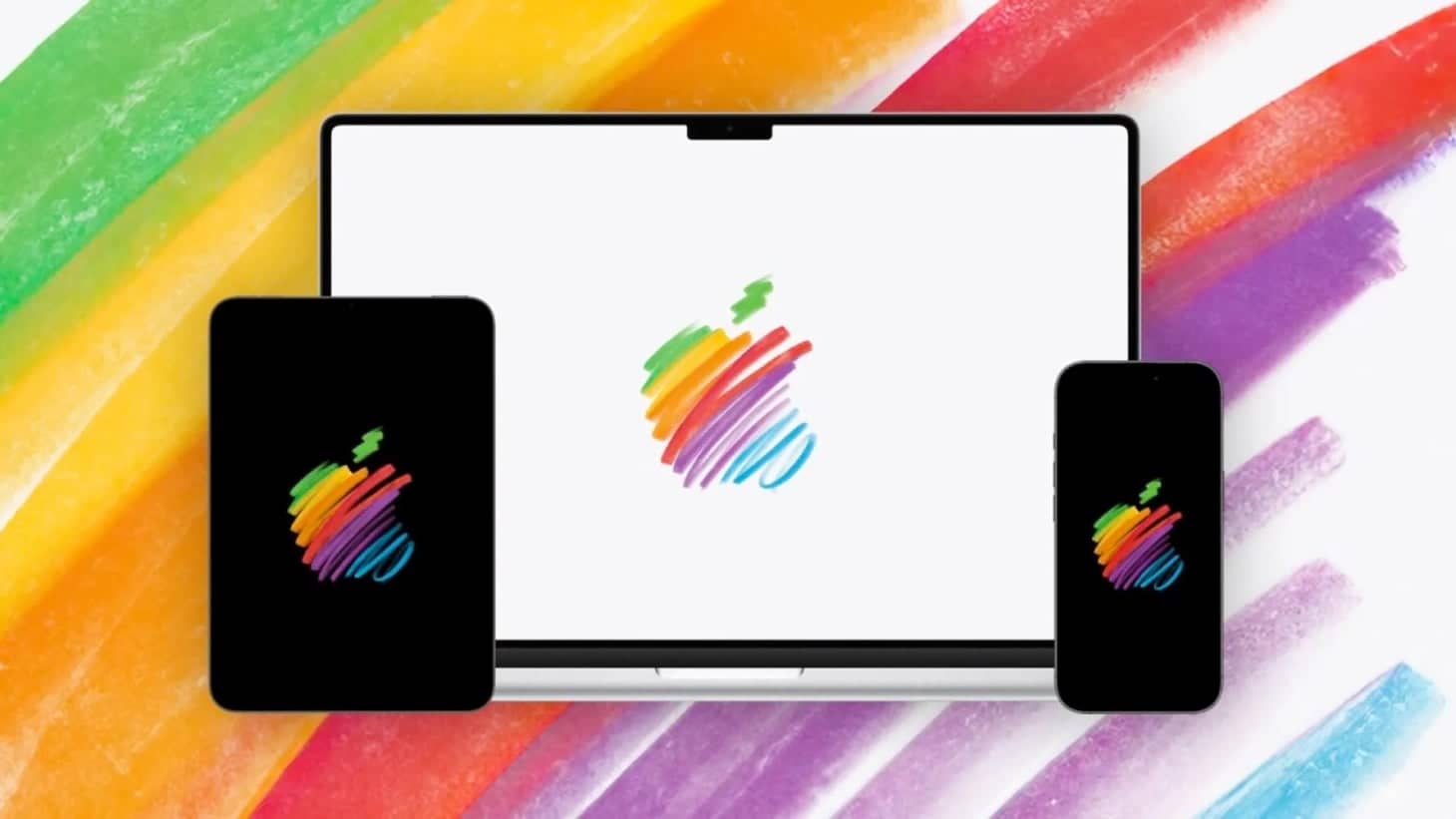
    Apple celebrates 50 years with new minimalist wallpapers

    Apple celebrates 50 years with new minimalist wallpapers

    Basic Apple Guy releases iPhone and Mac wallpapers for Apple’s 50th anniversary

    1 day ago
    Razer Unveils Pro Type Ergo Ergonomic Keyboard Today

    Razer Unveils Pro Type Ergo Ergonomic Keyboard Today

    Split design, AI button, and 19‑zone RGB aim at U.S. workers with a 9.7% RSI rate

    2 days ago
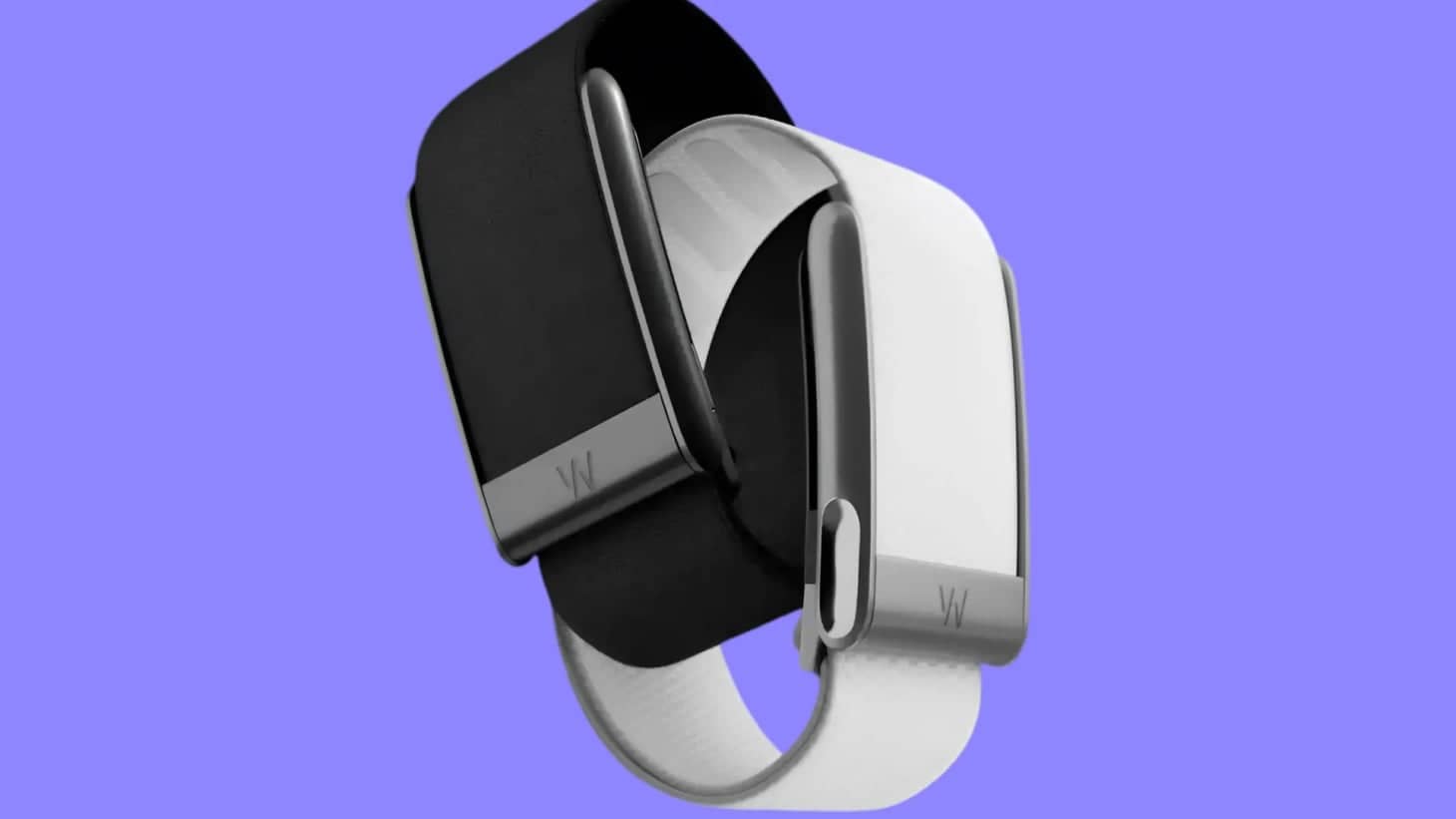
    Google to debut screen‑free Fitbit band in 2026

    Google to debut screen‑free Fitbit band in 2026

    AI‑driven training plan and upgraded platform aim at the health‑tracking market against Oura and Whoop

    2 days ago
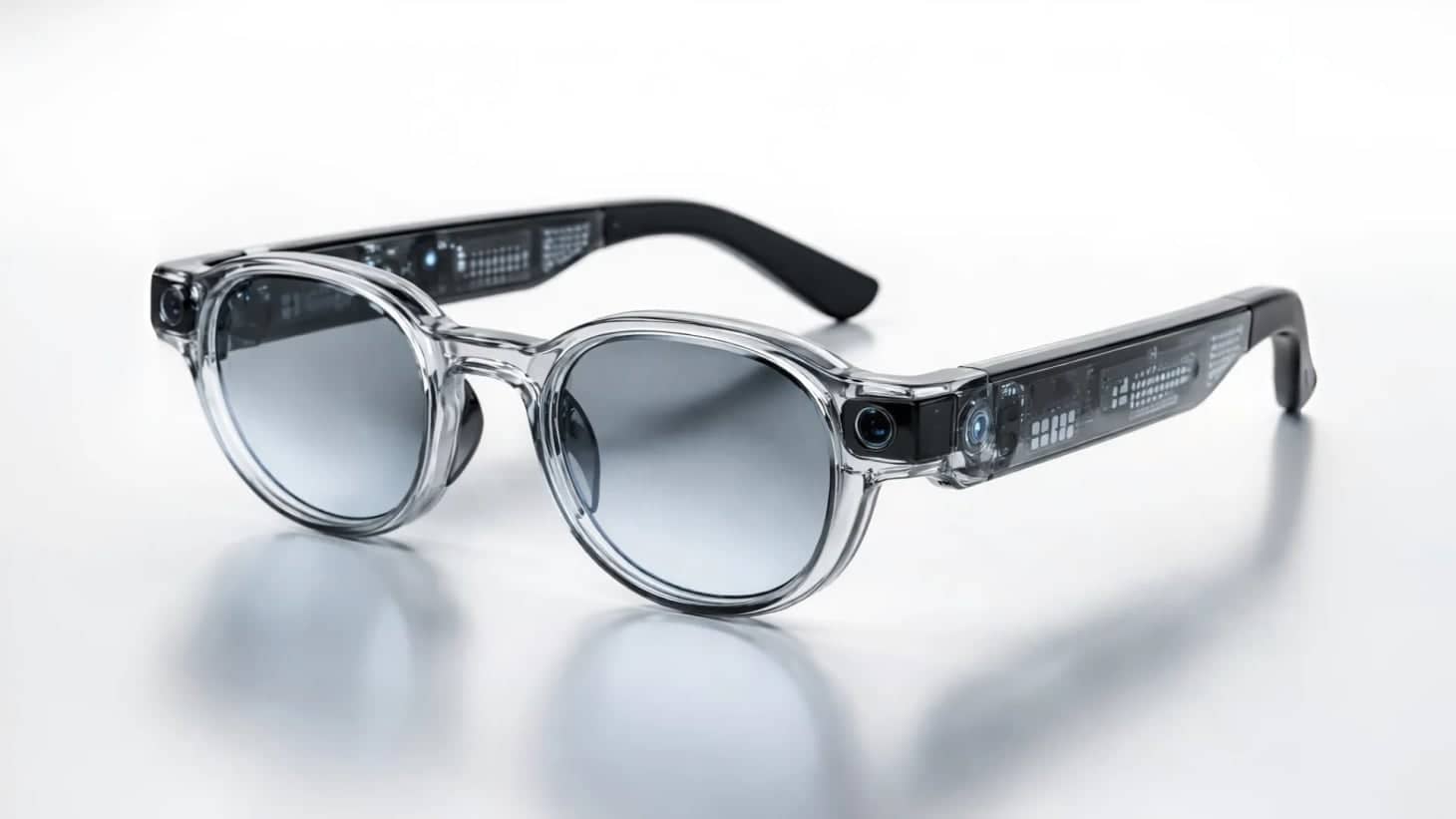
    Nothing unveils AI‑powered smart glasses for a 2027 launch

    Nothing unveils AI‑powered smart glasses for a 2027 launch

    The glasses use a paired phone and cloud, with a clear frame and LED accents

    2 days ago
    Google rolls out Veo 3.1 Lite, halving AI video costs

    Google rolls out Veo 3.1 Lite, halving AI video costs

    Veo 3.1 Lite matches Veo 3.1 Fast speed but cuts price by over 50% for devs now

    2 days ago
    Freelander 97 Debuts 800‑V EV Crossover in Shanghai

    Freelander 97 Debuts 800‑V EV Crossover in Shanghai

    Chery‑JLR showcases ADS 4.1 autonomy on 800‑V platform, eyeing 2028 launch

    3 days ago
    Telegram Launches Version 12.6 With AI Editor, New Polls

    Telegram Launches Version 12.6 With AI Editor, New Polls

    It adds an AI tone editor, richer polls, Live/Motion Photos, and bot management

    3 days ago

    Pixel 11 Pro Renders Leak With Black Camera Bar and MediaTek Modem

    Google’s August 2026 flagship ditches Samsung radios for improved 5G and runs the Tensor G6

    3 days ago

    Anthropic leak reveals Opus 4.7, Sonnet 4.8 in npm 2.1.88

    Leak on March 30‑31 exposed TypeScript, revealing Opus 4.7, Sonnet 4.8, and internal features

    3 days ago
    iOS 26.5 beta lands on iPhone 17 Pro with an 8 GB download

    iOS 26.5 beta lands on iPhone 17 Pro with an 8 GB download

    Apple restores RCS encryption and adds a 12‑month subscription in the update

    3 days ago
    Windows 11 24H2 Brings Dark Mode to Core Utilities

    Windows 11 24H2 Brings Dark Mode to Core Utilities

    Tools like Registry Editor get dark mode in Windows 11 24H2, out in Sep 2026

    4 days ago

    John Noble's 1,024 Thread Implant Powers Warcraft Raids

    John Noble, a former British parachutist turned veteran gamer, received a neural implant with 1,024 threads after a 2024 trial in Seattle. The device lets him control a MacBook with thought alone, turning World of Warcraft raids into hands‑free battles. His story shows how brain‑computer interfaces can expand digital access for disabled veterans and reshape gaming.

    5 days ago
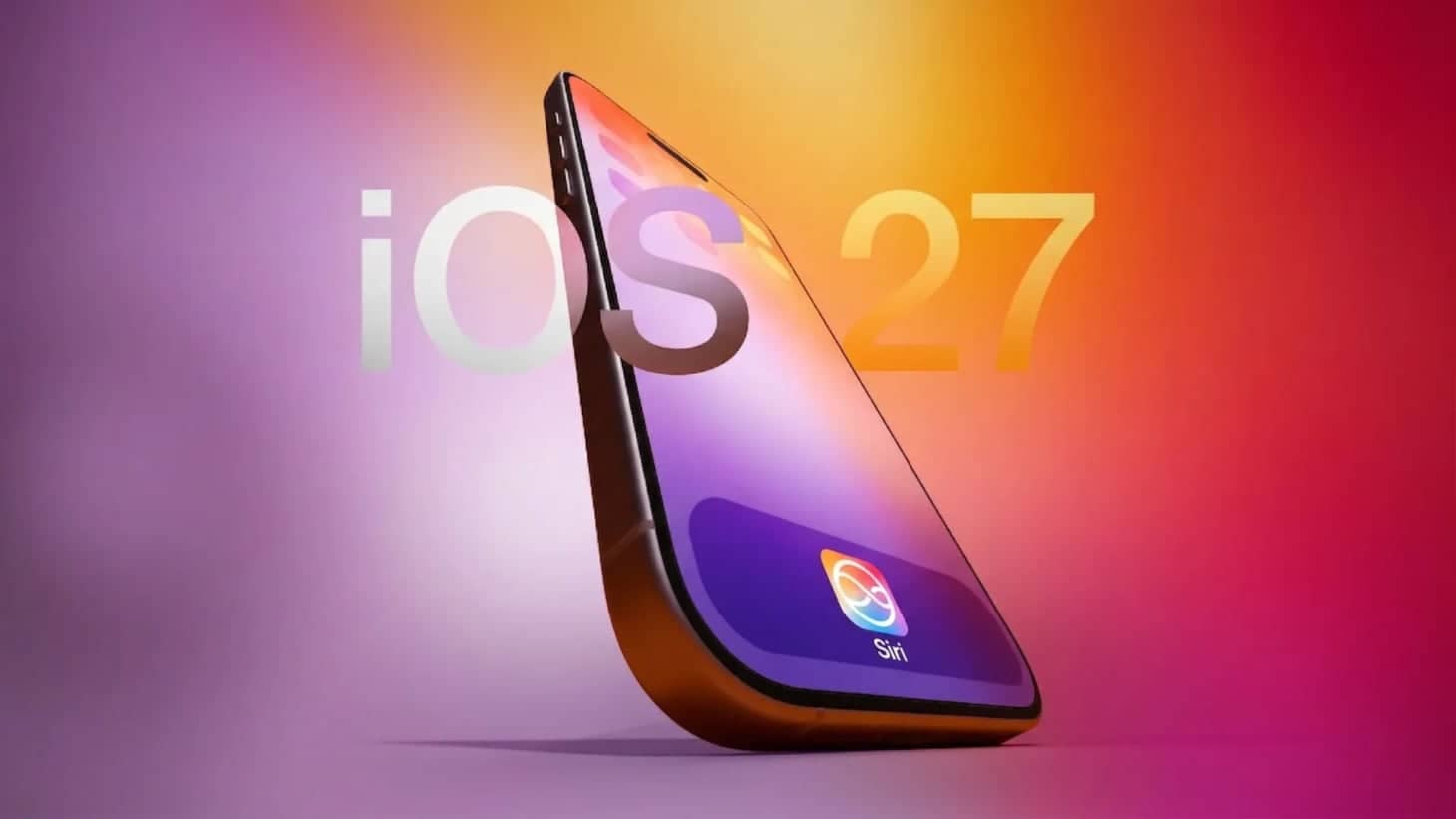
    Apple unveils Siri app for iOS 27, adds 50+ AI agents

    Apple unveils Siri app for iOS 27, adds 50+ AI agents

    iOS 27 Siri app adds Extensions marketplace, eyeing Alexa’s 100,000‑skill store

    5 days ago
    Loading...
Health/Nutrition

Why One‑Size Diets Fail and How to Personalize Weight Loss

Discover how metabolism, sleep, stress and gut microbes drive weight loss

February 14, 2026, 1:46 pm

Weight loss in 2026 no longer relies on blanket calorie counts. This explainer breaks down why your metabolism, sleep quality, stress hormones and the gut microbiome each pull the lever on fat storage, and shows a three‑phase, data‑driven method to measure your baseline, test a single variable, then layer additional tweaks for lasting results.

image (39)

Summary

  • Traditional calorie cuts trigger metabolic slowdown, hormone shifts, and stress, causing the body to hold weight despite lower intake.
  • Gut microbiome decides calorie extraction; diet changes shift bacteria within days, so personalized testing beats generic plans.
  • Use a three‑step protocol: record baseline, tweak one factor (sleep, stress or glucose) for two weeks, then add another—weight drops in weeks.

In 2019, Stanford's Gardner Lab tracked 609 adults through identical diet programs. Some lost thirty pounds. Others gained weight. Same meals, same calorie counts, wildly different outcomes. The researchers discovered something the diet industry has ignored for decades: your body doesn't read nutrition labels the way a calculator does.

Weight loss in 2026 looks nothing like the diet culture that dominated the past fifty years. The science has shifted from universal prescriptions to individual biology, and it's producing results that finally make sense.

Why Your Last Three Diets Failed (And Why That's Not Your Fault)

Traditional calorie restriction triggers a metabolic defense system older than agriculture itself. When you cut calories by 500 per day, your body interprets this as scarcity. Within two weeks, your resting metabolic rate drops by 15 to 20 percent, according to 2024 research published in Cell Metabolism.

You're burning fewer calories at rest, which means the math that worked in week one stops working by week three. This isn't willpower failure. It's biology doing exactly what evolution designed it to do: protect you from starvation.

Your thyroid hormone production slows. Your hunger hormone ghrelin increases by 24 percent. Your satiety hormone leptin drops by 40 percent. You're fighting your entire endocrine system with a calorie counting app.

Add to this the psychological toll: restrictive diets increase cortisol by 18 percent within the first month, creating a stress cycle that makes fat storage more efficient. Your diet is literally telling your body to hold onto weight.

Your Microbiome Controls More Than You Think

The three pounds of bacteria living in your gut determine how many calories you extract from a salad. Two people eat identical meals, but one person's microbiome extracts 200 more calories from the same food. This isn't speculation. It's measurable in clinical settings using indirect calorimetry.

A May 2024 study published in Nature Communications examined how different dietary approaches alter gut bacteria and metabolic outcomes. The research compared intermittent fasting with protein pacing against continuous caloric restriction in 41 participants, finding distinct microbiome and metabolomic differences between approaches.

But here's what makes this actionable: your microbiome responds to what you feed it within 48 hours. Introduce fermented foods, and beneficial bacteria populations shift measurably within three days. Reduce ultra-processed foods, and inflammatory bacterial strains decline within a week.

Personalized interventions based on initial microbiome composition produce measurably better outcomes than generic approaches. The key is testing first, then targeting.

The Metabolism Myth That's Actually True

Your metabolism isn't fixed. It's a response system that adapts to how you live. Sleep deprivation decreases insulin sensitivity by 30 percent within four nights, according to research from the University of Chicago. When insulin doesn't work efficiently, your body stores more calories as fat instead of burning them for energy.

Chronic stress elevates cortisol, which redirects calories toward abdominal fat storage. A 2024 study tracking 450 healthcare workers found that those with consistently elevated cortisol stored 40 percent more visceral fat than their lower-stress counterparts, even when total calorie intake was controlled.

But metabolism responds to intervention faster than most people realize. Improving sleep from five to seven hours per night restores insulin sensitivity to baseline within two weeks. Adding 20 minutes of morning sunlight exposure regulates cortisol rhythm within ten days. These aren't month-long projects. They're two-week experiments.

What Biohacking Actually Measures

Biohacking weight loss means testing one variable at a time and measuring the outcome. Not overhauling your entire life and hoping something works.

Start with continuous glucose monitoring, which tracks blood sugar responses to specific foods in real time. A bagel might spike one person's glucose to 180 mg/dL while barely affecting another. That difference determines fat storage patterns. Knowing which foods cause your personal glucose spikes lets you make swaps that prevent insulin resistance without eliminating entire food groups.

Sleep tracking through wearables like Oura Ring or WHOOP provides three critical metrics: time in deep sleep, time in REM sleep, and heart rate variability (HRV). Deep sleep regulates growth hormone, which affects muscle retention during weight loss. REM sleep regulates ghrelin and leptin. HRV indicates stress recovery.

Target at least 90 minutes of deep sleep, at least 90 minutes of REM, and HRV above your personal baseline.

Resting heart rate trends over time indicate metabolic adaptation. If your resting heart rate increases while weight stays stable, your body is fighting restriction. If it decreases or stays steady while weight drops, you're in sustainable fat loss.

Cost consideration: continuous glucose monitors run $80 to $150 monthly. Basic sleep trackers start at $100 one-time. Resting heart rate requires only a smartphone. Prioritize based on which variable you suspect is your primary barrier.

Building Your Personalized Plan in Three Phases

Phase One (Weeks 1–2): Baseline Measurement

Don't change anything yet. Track your current state. Record sleep hours, stress levels (rated 1 to 10 daily), food intake (not calories, just what you ate), and weight. Use a continuous glucose monitor if budget allows, or simply note energy crashes after meals.

This data reveals patterns: Do you sleep poorly before high-stress days? Does your weight spike after poor sleep? Does afternoon fatigue correlate with lunch composition? Time investment: 10 minutes daily for tracking. Zero behavior change required.

Phase Two (Weeks 3–6): Single Variable Testing

Choose one intervention based on your baseline data. If you averaged five hours of sleep, prioritize extending that to seven before touching food. If sleep was adequate but stress ratings averaged 7+, test a daily 20-minute walk before addressing diet.

If both were controlled but glucose spiked after meals, test food sequencing: eating protein and vegetables before carbohydrates at the same meal. Research shows this reduces glucose spikes by 40 percent.

Test only one variable. Measure for three weeks. This isolates cause and effect, so you know what actually worked.

Phase Three (Week 7+): Layer Additional Variables

Once you've confirmed one intervention produces measurable change, add a second variable. If you started with sleep and it worked, add stress management. If glucose control worked, add sleep optimization. Build systematically.

The hierarchy based on research impact: sleep first (affects everything downstream), stress management second (cortisol influences all hormones), food composition third (works better when the first two are stable).

What Works in Real Schedules

A healthcare administrator managing clinic operations and two kids tested food sequencing first because it required zero extra time. Eating vegetables and protein before rice or bread at the same meal cut her post-lunch energy crashes within five days.

She then added a 15-minute morning walk with her dog, which she was already doing, but moved it to immediately after waking to optimize cortisol rhythm. Eight weeks in, she's down 11 pounds and sleeping through the night for the first time in two years.

What This Means for You

Weight loss in 2026 isn't about following someone else's meal plan. It's about discovering which variables your body responds to, then optimizing those first. Recent research on emotional eating interventions, published in February 2025, examined 47 studies involving 6,729 participants and found that psychological and behavioral approaches targeting stress and eating behaviors produced meaningful weight outcomes.

This supports the broader concept that addressing underlying behavioral and physiological factors, rather than solely restricting calories, improves long-term results.

You're not fighting willpower. You're adjusting systems. And systems respond to measurement, testing, and iteration—the same process that works for optimizing anything else worth improving.

Consult a healthcare provider if your resting heart rate exceeds 100 bpm consistently, fasting glucose measures above 100 mg/dL on two separate occasions, or you're managing medications that affect weight.

Topic

Weight Loss Barriers

Why Cardio Alone Won’t Melt Fat: What to Do Instead

1 March 2026

Why Cardio Alone Won’t Melt Fat: What to Do Instead

How Muscle Loss Drives Unexpected Fat Gain

1 March 2026

10 Steps to Manage Weight After 40 Naturally

11 February 2026

10 Steps to Manage Weight After 40 Naturally

5 Hidden Reasons You're Not Losing Weight

29 October 2025

5 Hidden Reasons You're Not Losing Weight

What is this about?

  • metabolic health/
  • evidence-based biohacking/
  • circadian biology/
  • wearable health tracking

Feed

    Cursor 3 Launches Unified AI Coding Workspace

    Cursor 3 Launches Unified AI Coding Workspace

    Side‑panel lets devs toggle local and cloud agents, building on Composer 2 and Kimi 2.5

    about 11 hours ago
    Orion’s Six‑Minute Burn Puts Artemis 2 on Free‑Return Path

    Orion’s Six‑Minute Burn Puts Artemis 2 on Free‑Return Path

    iPhone 17 Pro Max survives Orion’s deep‑space test as crew heads to lunar flyby

    about 12 hours ago
    Android 17 Introduces System‑Level Notification Rules

    Android 17 Introduces System‑Level Notification Rules

    Samsung’s One UI 9 will adopt Android 17’s rules, adding OS‑level alert control

    about 13 hours ago

    Nvidia rolls out DLSS 4.5, 6× boost on RTX 50-series

    Dynamic Multi‑Frame Generation smooths 120–240 Hz, delivered in the driver 595.97

    about 15 hours ago
    Apple rolls out iOS 18.7.7 to block DarkSword

    Apple rolls out iOS 18.7.7 to block DarkSword

    Patch fixes six Safari bugs, stopping DarkSword on iOS 18–18.7 devices

    1 day ago
    BoxPlates Skins Revamp PS5 Slim & Pro in Two Weeks

    BoxPlates Skins Revamp PS5 Slim & Pro in Two Weeks

    1 day ago
    Artemis 2 Rockets Beyond Earth—402,000 km From Home

    Artemis 2 Rockets Beyond Earth—402,000 km From Home

    Lift‑off at 8:23 a.m. ET marks first crewed lunar flight since 1972, with a diverse four‑person crew

    1 day ago
    Apple celebrates 50 years with new minimalist wallpapers

    Apple celebrates 50 years with new minimalist wallpapers

    Basic Apple Guy releases iPhone and Mac wallpapers for Apple’s 50th anniversary

    1 day ago
    Razer Unveils Pro Type Ergo Ergonomic Keyboard Today

    Razer Unveils Pro Type Ergo Ergonomic Keyboard Today

    Split design, AI button, and 19‑zone RGB aim at U.S. workers with a 9.7% RSI rate

    2 days ago
    Google to debut screen‑free Fitbit band in 2026

    Google to debut screen‑free Fitbit band in 2026

    AI‑driven training plan and upgraded platform aim at the health‑tracking market against Oura and Whoop

    2 days ago
    Nothing unveils AI‑powered smart glasses for a 2027 launch

    Nothing unveils AI‑powered smart glasses for a 2027 launch

    The glasses use a paired phone and cloud, with a clear frame and LED accents

    2 days ago
    Google rolls out Veo 3.1 Lite, halving AI video costs

    Google rolls out Veo 3.1 Lite, halving AI video costs

    Veo 3.1 Lite matches Veo 3.1 Fast speed but cuts price by over 50% for devs now

    2 days ago
    Freelander 97 Debuts 800‑V EV Crossover in Shanghai

    Freelander 97 Debuts 800‑V EV Crossover in Shanghai

    Chery‑JLR showcases ADS 4.1 autonomy on 800‑V platform, eyeing 2028 launch

    3 days ago
    Telegram Launches Version 12.6 With AI Editor, New Polls

    Telegram Launches Version 12.6 With AI Editor, New Polls

    It adds an AI tone editor, richer polls, Live/Motion Photos, and bot management

    3 days ago

    Pixel 11 Pro Renders Leak With Black Camera Bar and MediaTek Modem

    Google’s August 2026 flagship ditches Samsung radios for improved 5G and runs the Tensor G6

    3 days ago

    Anthropic leak reveals Opus 4.7, Sonnet 4.8 in npm 2.1.88

    Leak on March 30‑31 exposed TypeScript, revealing Opus 4.7, Sonnet 4.8, and internal features

    3 days ago
    iOS 26.5 beta lands on iPhone 17 Pro with an 8 GB download

    iOS 26.5 beta lands on iPhone 17 Pro with an 8 GB download

    Apple restores RCS encryption and adds a 12‑month subscription in the update

    3 days ago
    Windows 11 24H2 Brings Dark Mode to Core Utilities

    Windows 11 24H2 Brings Dark Mode to Core Utilities

    Tools like Registry Editor get dark mode in Windows 11 24H2, out in Sep 2026

    4 days ago

    John Noble's 1,024 Thread Implant Powers Warcraft Raids

    John Noble, a former British parachutist turned veteran gamer, received a neural implant with 1,024 threads after a 2024 trial in Seattle. The device lets him control a MacBook with thought alone, turning World of Warcraft raids into hands‑free battles. His story shows how brain‑computer interfaces can expand digital access for disabled veterans and reshape gaming.

    5 days ago
    Apple unveils Siri app for iOS 27, adds 50+ AI agents

    Apple unveils Siri app for iOS 27, adds 50+ AI agents

    iOS 27 Siri app adds Extensions marketplace, eyeing Alexa’s 100,000‑skill store

    5 days ago
    Loading...
banner