• My Feed
  • Home
  • What's Important
  • Media & Entertainment
Search

Stay Curious. Stay Wanture.

© 2026 Wanture. All rights reserved.

  • Terms of Use
  • Privacy Policy
Health/Wellness

How Peptides Actually Rebuild Your Skin

The molecular messengers that trigger collagen repair without needles

3 January 2026

—

Explainer *

Layla Johnson
banner

Your skin cells communicate through peptide signals that command repair and collagen synthesis. Unlike injectables that paralyze or fill, topical peptides—Matrixyl, GHK-Cu, Argireline—instruct fibroblasts to rebuild structure from within. Here's how these molecular messengers work, what clinical evidence shows, and how to use them effectively for cumulative improvement.

b892039d-e89d-4e89-9b4b-d5b4f287ebc5

Summary:

  • Peptides are short chains of amino acids that mimic skin's natural repair signals to stimulate collagen, elastin, and hyaluronic acid production without causing injury.
  • While some peptides like Argireline (acetyl hexapeptide-8) reduce muscle contractions to lessen expression lines, they work gradually over 6–12 weeks and don’t paralyze muscles like Botox.
  • Copper peptides like GHK-Cu rebuild skin structure by boosting collagen, neutralizing free radicals, and blocking collagen-degrading enzymes—offering natural-looking results with minimal side effects.

Skin care aisles promise "Botox in a bottle." They're lying—and telling the truth. Peptides don't paralyze muscles like Botox. They do something smarter: hijack your skin's natural repair signals to trigger collagen production from within. Here's how a short chain of amino acids became skincare's most misunderstood ingredient.

What Peptides Actually Do

Peptides function as cellular instructions your body already knows how to read. When skin sustains damage—UV exposure, a wound, even microscopic tears from smiling—cells break down proteins into peptide fragments. Your body reads these fragments as distress signals. It responds by synthesizing collagen, elastin, and hyaluronic acid. Topical peptides mimic this alarm system. Applied to skin, they trigger repair without requiring actual injury.

What changed in recent years is delivery. Many peptides degrade quickly when exposed to light, air, or incompatible ingredients. By 2026, most evidence-backed brands—The Ordinary's Buffet, Paula's Choice peptide booster, Olay's Regenerist line (Product mentions are for illustrative purposes only and do not constitute endorsements. The publisher has no commercial relationships with the brands mentioned and receives no compensation for their inclusion. Readers should conduct independent research and consult professionals when selecting skincare products.)—use encapsulation technology. Picture protective lipid spheres that shield peptides through your skin's outer barrier and release them gradually at target sites. This innovation explains why current formulations produce consistent results that earlier versions couldn't deliver.

The Botox Comparison: Where It Works and Where It Fails

One peptide—acetyl hexapeptide-8, marketed as Argireline—does reduce muscle contraction. It inhibits the SNARE complex, a protein assembly muscle fibers need to contract. Applied consistently over the forehead or crow's feet, Argireline reduces expression line depth. A 2013 multicenter randomized controlled trial by Wang et al. showed 48.9% total anti-wrinkle efficacy in the Argireline group versus 0% in placebo after four weeks, with objective instrumental measures confirming significant decreases.

But here's the critical distinction: Botox paralyzes muscles completely. Argireline relaxes them partially. You retain the ability to express surprise or concern. Results also take six to twelve weeks—think cross-country road trip, not weekend getaway—because peptides work by gradually shifting cellular behavior rather than blocking nerve transmission.

The comparison also obscures an important limitation. Topical acetyl hexapeptide-8 penetration studies using human cadaver skin models show approximately 0.22% of applied dose reaches the outer skin layer, roughly 0.01% penetrates the epidermis, and none reaches deeper tissue. This explains why results are more modest than injectable neurotoxins, which deliver concentrated doses directly to neuromuscular junctions. Unlike Botox appointments that cost $300–$600 per treatment, peptide serums work over weeks at a fraction of the price—but with proportionally gentler effects.

Most peptides don't act on muscles at all. Ingredients like palmitoyl pentapeptide-4 (Matrixyl) and GHK-Cu rebuild skin architecture by stimulating collagen synthesis, increasing hyaluronic acid and fibronectin production, and improving tissue density. They address volume loss and structural collapse—changes no amount of muscle relaxation can reverse.

How Copper Peptides and Matrixyl Actually Rebuild Structure

GHK-Cu was first studied for wound healing in burn victims during the 1970s. Researchers noticed healed skin looked younger—fewer fine lines, improved firmness. The copper component functions as an enzyme cofactor, accelerating the peptide's activity.

GHK-Cu does three things. First, it triggers collagen types I and III—the proteins that keep skin firm and elastic. Second, it neutralizes free radicals that damage cells. Third, it blocks matrix metalloproteinases, enzymes that destroy collagen during inflammation. The result: denser skin that rebuilds faster. What dermatologists term "tissue remodeling"—a subtle lifting effect as collagen networks reorganize—becomes visible after eight to twelve weeks.

Matrixyl (palmitoyl pentapeptide-4 and related compounds like palmitoyl tripeptide-1) ranks among the most evidence-based anti-aging peptides. It stimulates synthesis of collagen, hyaluronic acid, and fibronectin—the structural proteins that maintain skin architecture. Clinical studies show visible reduction in wrinkle depth after six to twelve weeks of regular use, making it a cornerstone ingredient in successful formulations from European and Korean brands.

One caution: copper peptides (Copper peptides can cause temporary redness or mild stinging as cellular turnover accelerates. Start with lower concentrations (1-2%) and alternate application days to allow skin adaptation. Do not combine copper peptides with vitamin C above 10% or direct acids in the same routine. Pregnant or nursing individuals should consult a dermatologist before use.) are potent. Some users experience temporary redness or mild stinging as cellular turnover accelerates. Starting with lower concentrations (1–2%) and alternating application days helps skin adapt. Avoid combining copper peptides with vitamin C above 10% or direct acids in the same routine—these ingredients destabilize the copper complex before it reaches target cells.

What Realistic Expectations Look Like

Peptides deliver cumulative structural improvement without downtime, needles, or risk of vascular occlusion, infection, or asymmetry. They work with your biology rather than temporarily overriding it. Results build gradually and look natural because they are natural—your own cells synthesizing collagen and hyaluronic acid when given the right molecular signals.

A 2024 systematic review published in MDPI International Journal of Molecular Sciences found evidence of surface improvement in peptide studies but emphasized delivery limitations and heterogeneity across approximately ten clinical trials. Translation: peptides work, but not for everyone, and not as dramatically as procedures. Clinical studies typically show visible improvement beginning at six weeks, with continued enhancement through twelve weeks. Think of it as your skin getting slightly better instructions each day—not an overnight renovation.

Many dermatologists now recommend peptides as either first-line intervention for early signs of aging or maintenance between injectable treatments. This approach extends results from procedures while improving overall skin quality—texture, tone, hydration—that injectables don't address.

Who Benefits Most and What to Look For

Peptides shine for specific groups. Women with sensitive skin who cannot tolerate retinoids. Those recovering from laser treatments or peels. Anyone seeking natural-looking results without frozen expressions. Prevention-focused individuals maintaining skin quality before significant photoaging occurs. For women over 35 noticing loss of firmness, combining a muscle-relaxing peptide (Argireline) with collagen-stimulating types (Matrixyl or GHK-Cu) often delivers the most noticeable improvement.

When shopping, ingredient concentration matters more than ingredient presence. A product listing "Palmitoyl Pentapeptide-4" could contain 0.5% or 5%. Reputable brands publish concentration information or clinical data supporting their formulations. Packaging affects stability—airless pumps and opaque containers protect light-sensitive and oxygen-sensitive peptides better than elegant jar packaging. Effective peptide serums typically range from $40 to $120 for a two-to-three-month supply. Products significantly below this range may contain inadequate peptide concentrations or unstable formulations.

Public interest in acetyl hexapeptide-8 increased rapidly in the United States from 2013 to 2023, according to a 2024 analysis published in JMIR Dermatology. The authors recommended more clinical and safety research to match consumer demand. This cultural shift reflects broader movement toward "quiet cosmetics"—treatments that enhance without announcing themselves. Peptides fit this philosophy perfectly. Results appear as improved skin quality rather than obvious intervention. They communicate in the language skin already understands: molecular signals that instruct cells when to repair, rebuild, and rest.

What is this about?

  • topical peptides/
  • anti-aging skincare/
  • non-invasive cosmetics/
  • Argireline/
  • collagen stimulation/
  • copper peptides

Feed

    Cursor 3 Launches Unified AI Coding Workspace

    Cursor 3 Launches Unified AI Coding Workspace

    Side‑panel lets devs toggle local and cloud agents, building on Composer 2 and Kimi 2.5

    1 day ago
    Orion’s Six‑Minute Burn Puts Artemis 2 on Free‑Return Path

    Orion’s Six‑Minute Burn Puts Artemis 2 on Free‑Return Path

    iPhone 17 Pro Max survives Orion’s deep‑space test as crew heads to lunar flyby

    1 day ago
    Android 17 Introduces System‑Level Notification Rules

    Android 17 Introduces System‑Level Notification Rules

    Samsung’s One UI 9 will adopt Android 17’s rules, adding OS‑level alert control

    1 day ago

    Nvidia rolls out DLSS 4.5, 6× boost on RTX 50-series

    Dynamic Multi‑Frame Generation smooths 120–240 Hz, delivered in the driver 595.97

    1 day ago
    Apple rolls out iOS 18.7.7 to block DarkSword

    Apple rolls out iOS 18.7.7 to block DarkSword

    Patch fixes six Safari bugs, stopping DarkSword on iOS 18–18.7 devices

    2 days ago
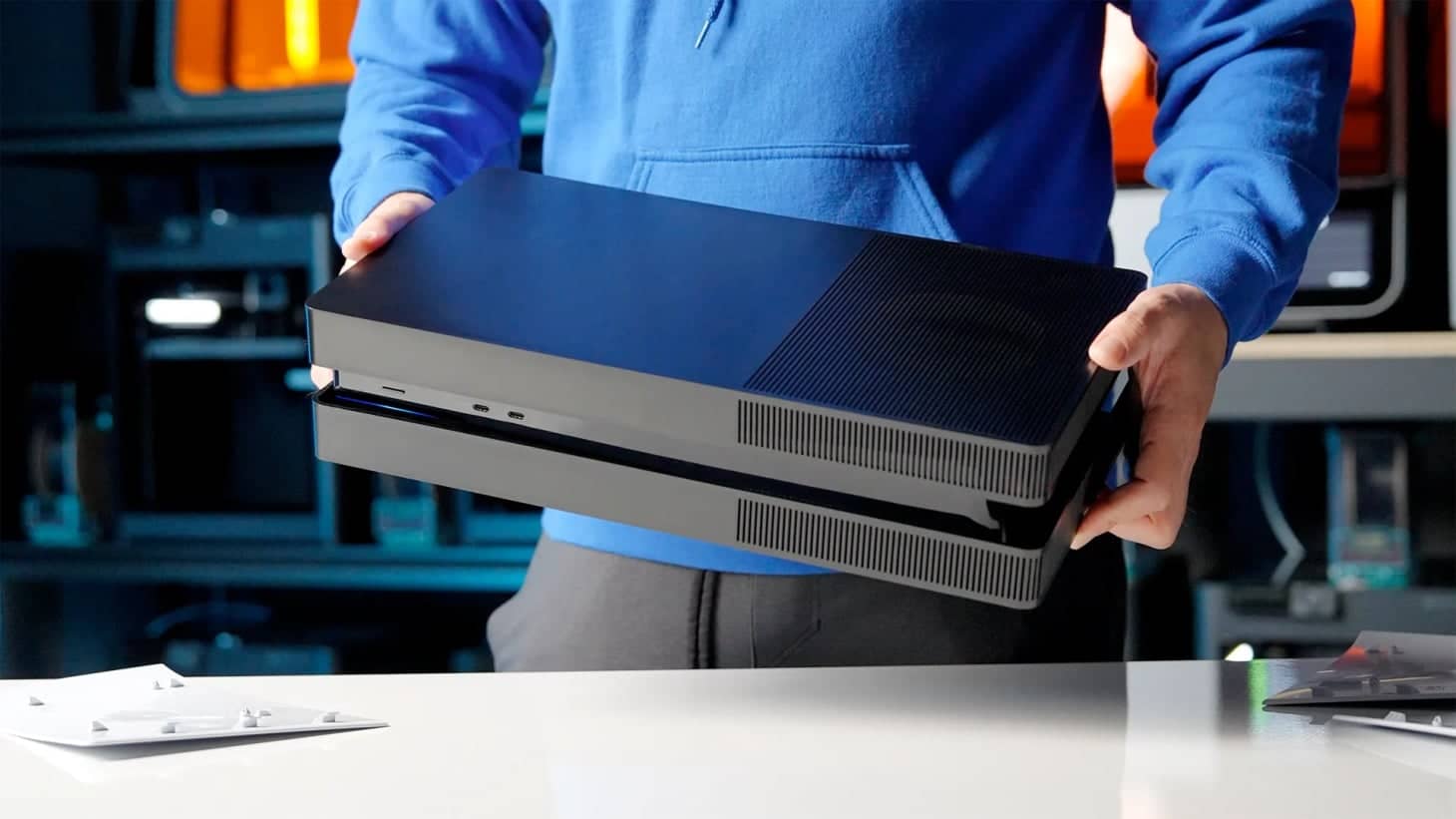
    BoxPlates Skins Revamp PS5 Slim & Pro in Two Weeks

    BoxPlates Skins Revamp PS5 Slim & Pro in Two Weeks

    2 days ago
    Artemis 2 Rockets Beyond Earth—402,000 km From Home

    Artemis 2 Rockets Beyond Earth—402,000 km From Home

    Lift‑off at 8:23 a.m. ET marks first crewed lunar flight since 1972, with a diverse four‑person crew

    2 days ago
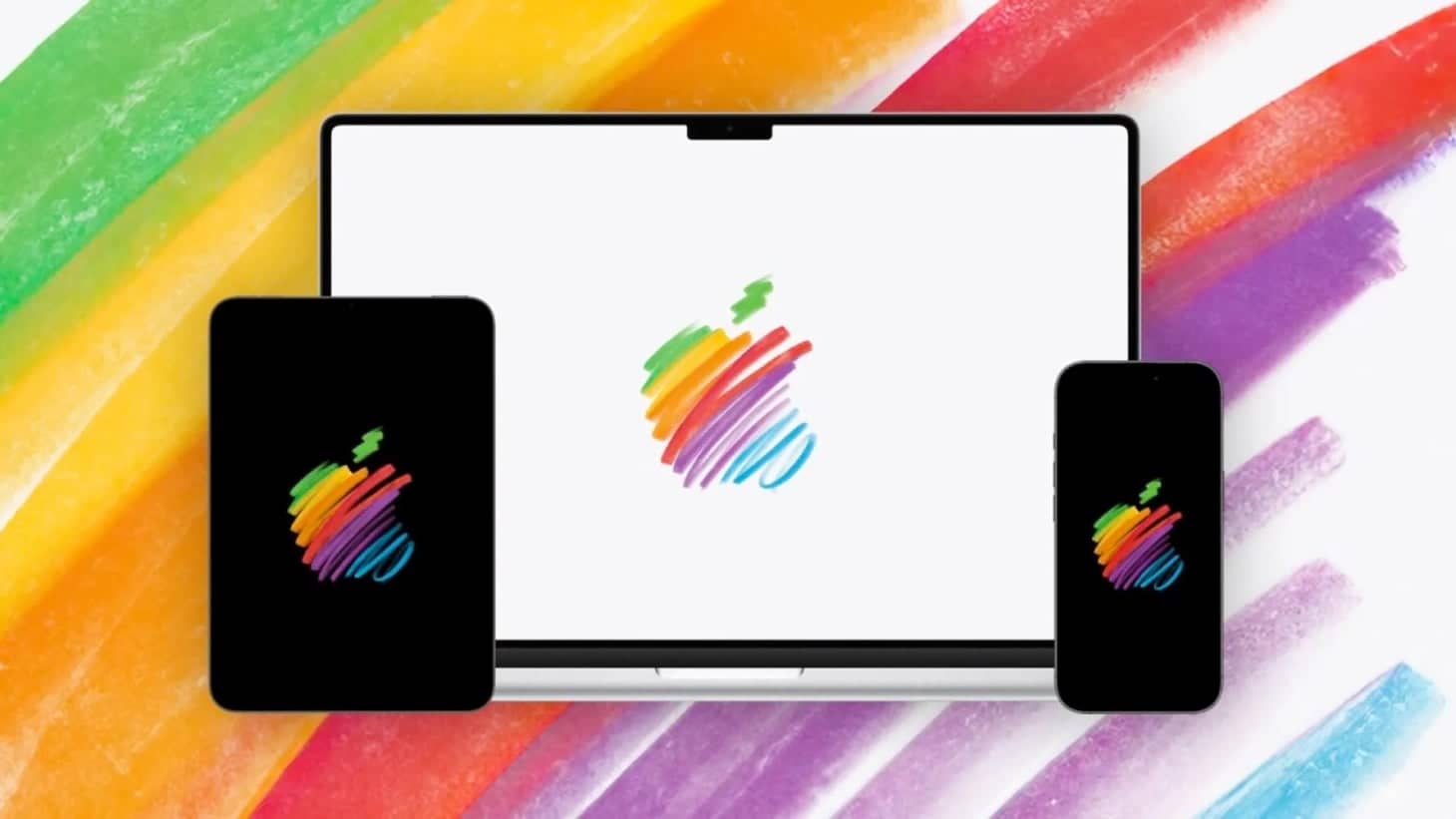
    Apple celebrates 50 years with new minimalist wallpapers

    Apple celebrates 50 years with new minimalist wallpapers

    Basic Apple Guy releases iPhone and Mac wallpapers for Apple’s 50th anniversary

    2 days ago
    Razer Unveils Pro Type Ergo Ergonomic Keyboard Today

    Razer Unveils Pro Type Ergo Ergonomic Keyboard Today

    Split design, AI button, and 19‑zone RGB aim at U.S. workers with a 9.7% RSI rate

    3 days ago
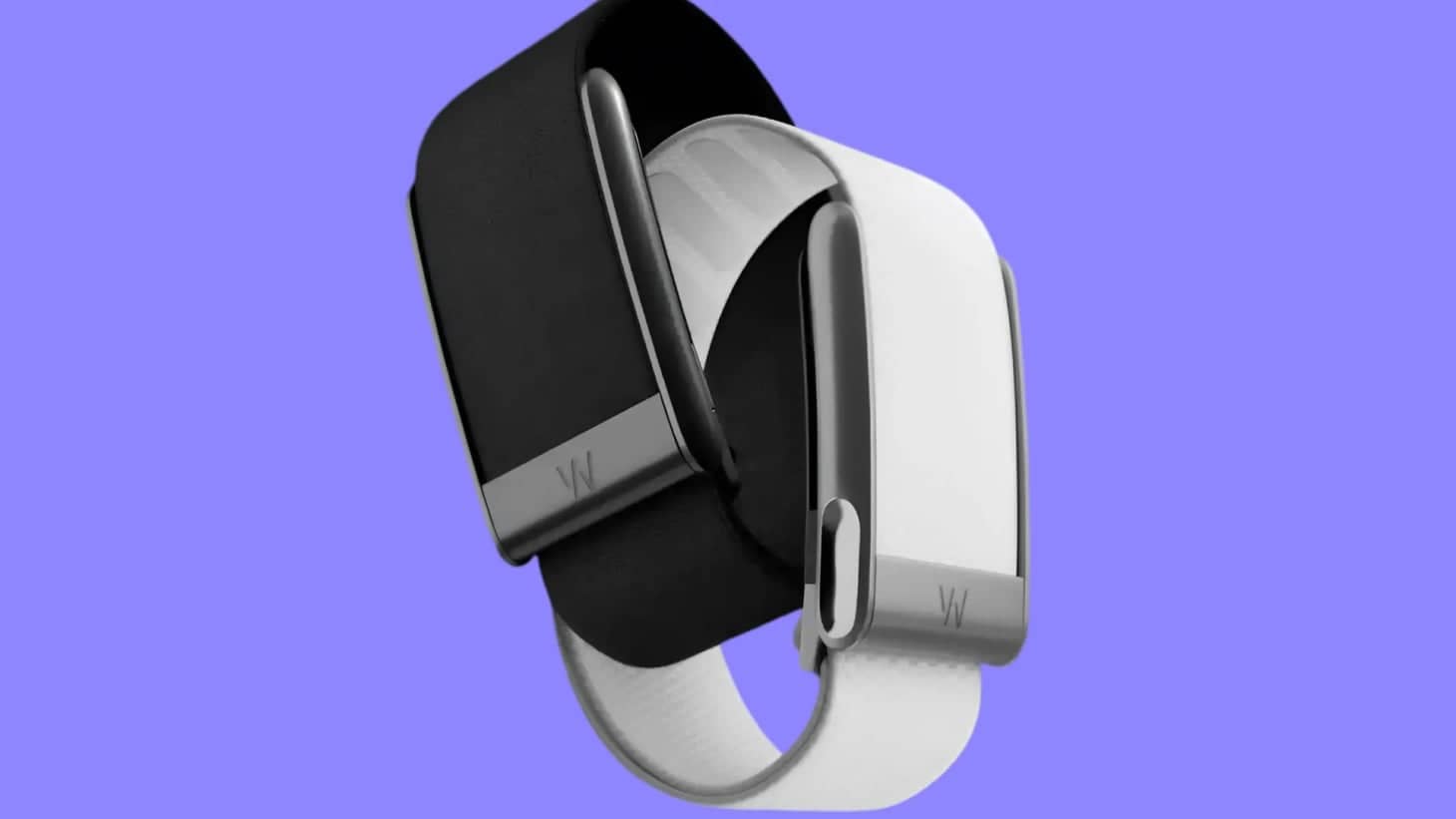
    Google to debut screen‑free Fitbit band in 2026

    Google to debut screen‑free Fitbit band in 2026

    AI‑driven training plan and upgraded platform aim at the health‑tracking market against Oura and Whoop

    3 days ago
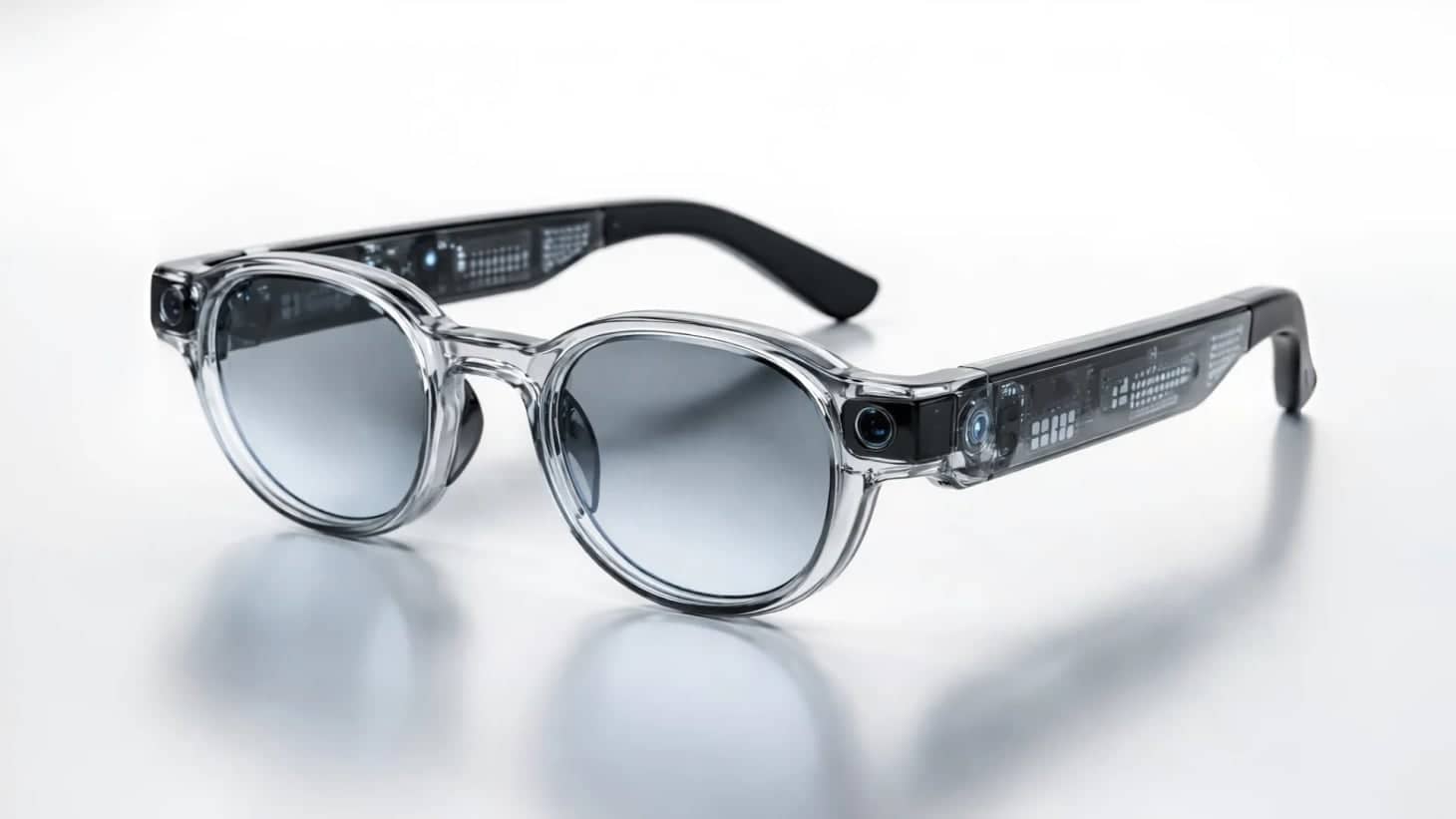
    Nothing unveils AI‑powered smart glasses for a 2027 launch

    Nothing unveils AI‑powered smart glasses for a 2027 launch

    The glasses use a paired phone and cloud, with a clear frame and LED accents

    3 days ago
    Google rolls out Veo 3.1 Lite, halving AI video costs

    Google rolls out Veo 3.1 Lite, halving AI video costs

    Veo 3.1 Lite matches Veo 3.1 Fast speed but cuts price by over 50% for devs now

    3 days ago
    Freelander 97 Debuts 800‑V EV Crossover in Shanghai

    Freelander 97 Debuts 800‑V EV Crossover in Shanghai

    Chery‑JLR showcases ADS 4.1 autonomy on 800‑V platform, eyeing 2028 launch

    3 days ago
    Telegram Launches Version 12.6 With AI Editor, New Polls

    Telegram Launches Version 12.6 With AI Editor, New Polls

    It adds an AI tone editor, richer polls, Live/Motion Photos, and bot management

    3 days ago

    Pixel 11 Pro Renders Leak With Black Camera Bar and MediaTek Modem

    Google’s August 2026 flagship ditches Samsung radios for improved 5G and runs the Tensor G6

    4 days ago

    Anthropic leak reveals Opus 4.7, Sonnet 4.8 in npm 2.1.88

    Leak on March 30‑31 exposed TypeScript, revealing Opus 4.7, Sonnet 4.8, and internal features

    4 days ago
    iOS 26.5 beta lands on iPhone 17 Pro with an 8 GB download

    iOS 26.5 beta lands on iPhone 17 Pro with an 8 GB download

    Apple restores RCS encryption and adds a 12‑month subscription in the update

    4 days ago
    Windows 11 24H2 Brings Dark Mode to Core Utilities

    Windows 11 24H2 Brings Dark Mode to Core Utilities

    Tools like Registry Editor get dark mode in Windows 11 24H2, out in Sep 2026

    5 days ago

    John Noble's 1,024 Thread Implant Powers Warcraft Raids

    John Noble, a former British parachutist turned veteran gamer, received a neural implant with 1,024 threads after a 2024 trial in Seattle. The device lets him control a MacBook with thought alone, turning World of Warcraft raids into hands‑free battles. His story shows how brain‑computer interfaces can expand digital access for disabled veterans and reshape gaming.

    5 days ago
    Apple unveils Siri app for iOS 27, adds 50+ AI agents

    Apple unveils Siri app for iOS 27, adds 50+ AI agents

    iOS 27 Siri app adds Extensions marketplace, eyeing Alexa’s 100,000‑skill store

    5 days ago
    Loading...
Health/Wellness

How Peptides Actually Rebuild Your Skin

The molecular messengers that trigger collagen repair without needles

January 3, 2026, 6:12 pm

Your skin cells communicate through peptide signals that command repair and collagen synthesis. Unlike injectables that paralyze or fill, topical peptides—Matrixyl, GHK-Cu, Argireline—instruct fibroblasts to rebuild structure from within. Here's how these molecular messengers work, what clinical evidence shows, and how to use them effectively for cumulative improvement.

b892039d-e89d-4e89-9b4b-d5b4f287ebc5

Summary

  • Peptides are short chains of amino acids that mimic skin's natural repair signals to stimulate collagen, elastin, and hyaluronic acid production without causing injury.
  • While some peptides like Argireline (acetyl hexapeptide-8) reduce muscle contractions to lessen expression lines, they work gradually over 6–12 weeks and don’t paralyze muscles like Botox.
  • Copper peptides like GHK-Cu rebuild skin structure by boosting collagen, neutralizing free radicals, and blocking collagen-degrading enzymes—offering natural-looking results with minimal side effects.

Skin care aisles promise "Botox in a bottle." They're lying—and telling the truth. Peptides don't paralyze muscles like Botox. They do something smarter: hijack your skin's natural repair signals to trigger collagen production from within. Here's how a short chain of amino acids became skincare's most misunderstood ingredient.

What Peptides Actually Do

Peptides function as cellular instructions your body already knows how to read. When skin sustains damage—UV exposure, a wound, even microscopic tears from smiling—cells break down proteins into peptide fragments. Your body reads these fragments as distress signals. It responds by synthesizing collagen, elastin, and hyaluronic acid. Topical peptides mimic this alarm system. Applied to skin, they trigger repair without requiring actual injury.

What changed in recent years is delivery. Many peptides degrade quickly when exposed to light, air, or incompatible ingredients. By 2026, most evidence-backed brands—The Ordinary's Buffet, Paula's Choice peptide booster, Olay's Regenerist line (Product mentions are for illustrative purposes only and do not constitute endorsements. The publisher has no commercial relationships with the brands mentioned and receives no compensation for their inclusion. Readers should conduct independent research and consult professionals when selecting skincare products.)—use encapsulation technology. Picture protective lipid spheres that shield peptides through your skin's outer barrier and release them gradually at target sites. This innovation explains why current formulations produce consistent results that earlier versions couldn't deliver.

The Botox Comparison: Where It Works and Where It Fails

One peptide—acetyl hexapeptide-8, marketed as Argireline—does reduce muscle contraction. It inhibits the SNARE complex, a protein assembly muscle fibers need to contract. Applied consistently over the forehead or crow's feet, Argireline reduces expression line depth. A 2013 multicenter randomized controlled trial by Wang et al. showed 48.9% total anti-wrinkle efficacy in the Argireline group versus 0% in placebo after four weeks, with objective instrumental measures confirming significant decreases.

But here's the critical distinction: Botox paralyzes muscles completely. Argireline relaxes them partially. You retain the ability to express surprise or concern. Results also take six to twelve weeks—think cross-country road trip, not weekend getaway—because peptides work by gradually shifting cellular behavior rather than blocking nerve transmission.

The comparison also obscures an important limitation. Topical acetyl hexapeptide-8 penetration studies using human cadaver skin models show approximately 0.22% of applied dose reaches the outer skin layer, roughly 0.01% penetrates the epidermis, and none reaches deeper tissue. This explains why results are more modest than injectable neurotoxins, which deliver concentrated doses directly to neuromuscular junctions. Unlike Botox appointments that cost $300–$600 per treatment, peptide serums work over weeks at a fraction of the price—but with proportionally gentler effects.

Most peptides don't act on muscles at all. Ingredients like palmitoyl pentapeptide-4 (Matrixyl) and GHK-Cu rebuild skin architecture by stimulating collagen synthesis, increasing hyaluronic acid and fibronectin production, and improving tissue density. They address volume loss and structural collapse—changes no amount of muscle relaxation can reverse.

How Copper Peptides and Matrixyl Actually Rebuild Structure

GHK-Cu was first studied for wound healing in burn victims during the 1970s. Researchers noticed healed skin looked younger—fewer fine lines, improved firmness. The copper component functions as an enzyme cofactor, accelerating the peptide's activity.

GHK-Cu does three things. First, it triggers collagen types I and III—the proteins that keep skin firm and elastic. Second, it neutralizes free radicals that damage cells. Third, it blocks matrix metalloproteinases, enzymes that destroy collagen during inflammation. The result: denser skin that rebuilds faster. What dermatologists term "tissue remodeling"—a subtle lifting effect as collagen networks reorganize—becomes visible after eight to twelve weeks.

Matrixyl (palmitoyl pentapeptide-4 and related compounds like palmitoyl tripeptide-1) ranks among the most evidence-based anti-aging peptides. It stimulates synthesis of collagen, hyaluronic acid, and fibronectin—the structural proteins that maintain skin architecture. Clinical studies show visible reduction in wrinkle depth after six to twelve weeks of regular use, making it a cornerstone ingredient in successful formulations from European and Korean brands.

One caution: copper peptides (Copper peptides can cause temporary redness or mild stinging as cellular turnover accelerates. Start with lower concentrations (1-2%) and alternate application days to allow skin adaptation. Do not combine copper peptides with vitamin C above 10% or direct acids in the same routine. Pregnant or nursing individuals should consult a dermatologist before use.) are potent. Some users experience temporary redness or mild stinging as cellular turnover accelerates. Starting with lower concentrations (1–2%) and alternating application days helps skin adapt. Avoid combining copper peptides with vitamin C above 10% or direct acids in the same routine—these ingredients destabilize the copper complex before it reaches target cells.

What Realistic Expectations Look Like

Peptides deliver cumulative structural improvement without downtime, needles, or risk of vascular occlusion, infection, or asymmetry. They work with your biology rather than temporarily overriding it. Results build gradually and look natural because they are natural—your own cells synthesizing collagen and hyaluronic acid when given the right molecular signals.

A 2024 systematic review published in MDPI International Journal of Molecular Sciences found evidence of surface improvement in peptide studies but emphasized delivery limitations and heterogeneity across approximately ten clinical trials. Translation: peptides work, but not for everyone, and not as dramatically as procedures. Clinical studies typically show visible improvement beginning at six weeks, with continued enhancement through twelve weeks. Think of it as your skin getting slightly better instructions each day—not an overnight renovation.

Many dermatologists now recommend peptides as either first-line intervention for early signs of aging or maintenance between injectable treatments. This approach extends results from procedures while improving overall skin quality—texture, tone, hydration—that injectables don't address.

Who Benefits Most and What to Look For

Peptides shine for specific groups. Women with sensitive skin who cannot tolerate retinoids. Those recovering from laser treatments or peels. Anyone seeking natural-looking results without frozen expressions. Prevention-focused individuals maintaining skin quality before significant photoaging occurs. For women over 35 noticing loss of firmness, combining a muscle-relaxing peptide (Argireline) with collagen-stimulating types (Matrixyl or GHK-Cu) often delivers the most noticeable improvement.

When shopping, ingredient concentration matters more than ingredient presence. A product listing "Palmitoyl Pentapeptide-4" could contain 0.5% or 5%. Reputable brands publish concentration information or clinical data supporting their formulations. Packaging affects stability—airless pumps and opaque containers protect light-sensitive and oxygen-sensitive peptides better than elegant jar packaging. Effective peptide serums typically range from $40 to $120 for a two-to-three-month supply. Products significantly below this range may contain inadequate peptide concentrations or unstable formulations.

Public interest in acetyl hexapeptide-8 increased rapidly in the United States from 2013 to 2023, according to a 2024 analysis published in JMIR Dermatology. The authors recommended more clinical and safety research to match consumer demand. This cultural shift reflects broader movement toward "quiet cosmetics"—treatments that enhance without announcing themselves. Peptides fit this philosophy perfectly. Results appear as improved skin quality rather than obvious intervention. They communicate in the language skin already understands: molecular signals that instruct cells when to repair, rebuild, and rest.

What is this about?

  • topical peptides/
  • anti-aging skincare/
  • non-invasive cosmetics/
  • Argireline/
  • collagen stimulation/
  • copper peptides

Feed

    Cursor 3 Launches Unified AI Coding Workspace

    Cursor 3 Launches Unified AI Coding Workspace

    Side‑panel lets devs toggle local and cloud agents, building on Composer 2 and Kimi 2.5

    1 day ago
    Orion’s Six‑Minute Burn Puts Artemis 2 on Free‑Return Path

    Orion’s Six‑Minute Burn Puts Artemis 2 on Free‑Return Path

    iPhone 17 Pro Max survives Orion’s deep‑space test as crew heads to lunar flyby

    1 day ago
    Android 17 Introduces System‑Level Notification Rules

    Android 17 Introduces System‑Level Notification Rules

    Samsung’s One UI 9 will adopt Android 17’s rules, adding OS‑level alert control

    1 day ago

    Nvidia rolls out DLSS 4.5, 6× boost on RTX 50-series

    Dynamic Multi‑Frame Generation smooths 120–240 Hz, delivered in the driver 595.97

    1 day ago
    Apple rolls out iOS 18.7.7 to block DarkSword

    Apple rolls out iOS 18.7.7 to block DarkSword

    Patch fixes six Safari bugs, stopping DarkSword on iOS 18–18.7 devices

    2 days ago
    BoxPlates Skins Revamp PS5 Slim & Pro in Two Weeks

    BoxPlates Skins Revamp PS5 Slim & Pro in Two Weeks

    2 days ago
    Artemis 2 Rockets Beyond Earth—402,000 km From Home

    Artemis 2 Rockets Beyond Earth—402,000 km From Home

    Lift‑off at 8:23 a.m. ET marks first crewed lunar flight since 1972, with a diverse four‑person crew

    2 days ago
    Apple celebrates 50 years with new minimalist wallpapers

    Apple celebrates 50 years with new minimalist wallpapers

    Basic Apple Guy releases iPhone and Mac wallpapers for Apple’s 50th anniversary

    2 days ago
    Razer Unveils Pro Type Ergo Ergonomic Keyboard Today

    Razer Unveils Pro Type Ergo Ergonomic Keyboard Today

    Split design, AI button, and 19‑zone RGB aim at U.S. workers with a 9.7% RSI rate

    3 days ago
    Google to debut screen‑free Fitbit band in 2026

    Google to debut screen‑free Fitbit band in 2026

    AI‑driven training plan and upgraded platform aim at the health‑tracking market against Oura and Whoop

    3 days ago
    Nothing unveils AI‑powered smart glasses for a 2027 launch

    Nothing unveils AI‑powered smart glasses for a 2027 launch

    The glasses use a paired phone and cloud, with a clear frame and LED accents

    3 days ago
    Google rolls out Veo 3.1 Lite, halving AI video costs

    Google rolls out Veo 3.1 Lite, halving AI video costs

    Veo 3.1 Lite matches Veo 3.1 Fast speed but cuts price by over 50% for devs now

    3 days ago
    Freelander 97 Debuts 800‑V EV Crossover in Shanghai

    Freelander 97 Debuts 800‑V EV Crossover in Shanghai

    Chery‑JLR showcases ADS 4.1 autonomy on 800‑V platform, eyeing 2028 launch

    3 days ago
    Telegram Launches Version 12.6 With AI Editor, New Polls

    Telegram Launches Version 12.6 With AI Editor, New Polls

    It adds an AI tone editor, richer polls, Live/Motion Photos, and bot management

    3 days ago

    Pixel 11 Pro Renders Leak With Black Camera Bar and MediaTek Modem

    Google’s August 2026 flagship ditches Samsung radios for improved 5G and runs the Tensor G6

    4 days ago

    Anthropic leak reveals Opus 4.7, Sonnet 4.8 in npm 2.1.88

    Leak on March 30‑31 exposed TypeScript, revealing Opus 4.7, Sonnet 4.8, and internal features

    4 days ago
    iOS 26.5 beta lands on iPhone 17 Pro with an 8 GB download

    iOS 26.5 beta lands on iPhone 17 Pro with an 8 GB download

    Apple restores RCS encryption and adds a 12‑month subscription in the update

    4 days ago
    Windows 11 24H2 Brings Dark Mode to Core Utilities

    Windows 11 24H2 Brings Dark Mode to Core Utilities

    Tools like Registry Editor get dark mode in Windows 11 24H2, out in Sep 2026

    5 days ago

    John Noble's 1,024 Thread Implant Powers Warcraft Raids

    John Noble, a former British parachutist turned veteran gamer, received a neural implant with 1,024 threads after a 2024 trial in Seattle. The device lets him control a MacBook with thought alone, turning World of Warcraft raids into hands‑free battles. His story shows how brain‑computer interfaces can expand digital access for disabled veterans and reshape gaming.

    5 days ago
    Apple unveils Siri app for iOS 27, adds 50+ AI agents

    Apple unveils Siri app for iOS 27, adds 50+ AI agents

    iOS 27 Siri app adds Extensions marketplace, eyeing Alexa’s 100,000‑skill store

    5 days ago
    Loading...
banner