• My Feed
  • Home
  • What's Important
  • Media & Entertainment
Search

Stay Curious. Stay Wanture.

© 2026 Wanture. All rights reserved.

  • Terms of Use
  • Privacy Policy
Health/Mental

Why Constant Notifications Destroy Deep Work

How alerts hijack the brain’s orienting response, raise stress and kill focus

12 February 2026

—

Explainer *

Cameron Ellis
banner

Every buzz on your phone triggers an ancient orienting response, flooding your brain with norepinephrine and breaking the mental model you need for deep work. This explainer shows how constant notifications create attentional residue, raise cortisol, and erode focus, then offers a simple audit and proven steps to trim alerts, reclaim sustained attention, and lower stress.

image (28)

Summary:

  • Each buzz sparks the brain’s orienting response, releasing norepinephrine, raising heart rate, and breaking the mental model built for deep work.
  • Unanswered alerts leave attentional residue, slowing reactions and raising cortisol, which fuels chronic low‑grade stress and anxiety.
  • Audit your alerts, keep only 8‑12 essential per day, mute the rest, and check messages in three scheduled blocks to restore focus and cut stress.

You're mid‑email when a notification drops. Your eyes flick to it. The email you were writing vanishes from working memory. You return, reread the last paragraph, try to remember where you were going. Another notification. Another reset.

This isn't distraction. It's a biological alarm system misfiring dozens of times daily. The average knowledge worker receives between 60 and 100 notifications every day across apps, according to research from the University of California, Irvine. Each one triggers what cognitive scientists call an "orienting response": your brain's automatic reaction to potential threats or opportunities. In 2024, that system designed to detect rustling in tall grass now fires when Slack lights up.

What Happens When Your Phone Buzzes

Every notification is a question your brain can't ignore. Is this urgent? Important? Dangerous? Your attention system, primarily the locus coeruleus (a cluster of neurons in your brainstem), releases norepinephrine. Heart rate ticks up. Muscles tense slightly. You're primed to respond.

This takes roughly 200 milliseconds. Faster than conscious thought.

A peer‑reviewed field study published at the CHI 2005 conference found that interrupted tasks were resumed in an average of 22 minutes and 37 seconds for external interruptions. Not because people are weak‑willed. Because attention doesn't flip like a light switch, it ramps.

Deep focus requires building a mental model of what you're working on. Each notification collapses that model. Think of deep work like stacking blocks. You're twelve blocks high, carefully placing the thirteenth. A notification hits. The stack doesn't fall, but your hand jerks. You have to steady yourself, check the foundation, remember what you were building. By the time you're ready to place that block, another notification arrives.

Why Waiting Makes It Worse

The notification itself is only half the problem. The other half is what psychologists call "attentional residue": the cognitive cost of an unresolved loop.

You send a message to your manager asking for approval on a deadline extension. Now part of your brain is monitoring for the response. Not consciously. But that orienting response system is now scanning every buzz, every banner, every red dot for the answer you're waiting on.

A 2021 study published in the Journal of Experimental Psychology: Human Perception and Performance found that participants who were told to expect an important message showed measurably slower reaction times and higher error rates on unrelated tasks, even when no message arrived. You're running background processes you can't close.

This is why checking your phone "just to see" rarely helps. You might clear one notification, but you've likely added three new open loops: an unanswered text, a meeting invite that needs response, a news headline that triggered curiosity. Your attention system is now juggling more, not less.

The Depth Problem

Frequent interruptions don't just slow you down. They change what kind of work you can do. Cal Newport, a computer‑science professor at Georgetown University and author of Deep Work, distinguishes between shallow work (logistical, low‑cognitive‑demand tasks like answering email) and deep work (cognitively demanding tasks that create new value).

A 2016 study he cites found that managers averaged just 28 minutes of uninterrupted time per day. The rest was fragmented into blocks too short for complex problem‑solving.

When you can't hold a problem in your head long enough to see its edges, you solve simpler problems. Or you don't solve them: you manage them. The architecture you could design in two focused hours gets replaced by six hours of task‑switching between specification documents and Slack threads, never quite achieving the mental state where insight happens.

Software engineers call this "context switching cost." Your brain does too. It just bills you in cortisol and cognitive fatigue instead of computing cycles.

What Your Body Adds to the Mix

That notification‑driven tension isn't just mental. A 2018 study in the International Journal of Environmental Research and Public Health measured physiological stress markers in participants exposed to frequent smartphone notifications. Result: measurable increases in cortisol and heart‑rate variability consistent with chronic low‑grade stress.

Your body treats notification overload like a stressor because it is one. Not the life‑threatening kind. The ambiguous, unresolvable kind that evolution didn't prepare you for. Is this urgent? Should I respond now? What if I miss something critical? These questions loop without answers, and your nervous system stays activated.

Over weeks and months, this compounds. Difficulty concentrating. Irritability. Disrupted sleep as your brain continues processing unresolved notifications into the evening. What feels like "just being distracted" starts to look a lot like anxiety, because the mechanisms overlap. If notification‑related anxiety persists after you've modified your environment, or if you experience physical symptoms like rapid heartbeat when checking your phone, discuss these patterns with a mental‑health professional.

The Fix Isn't Willpower

You can't out‑discipline your orienting response. It's older than language. But you can change what triggers it.

Turning off non‑essential notifications works because it removes the trigger, not because it strengthens your focus. A 2019 experiment published in Computers in Human Behavior had participants disable all but critical notifications (calls from favorite contacts, calendar alerts) for one week. Measured outcomes: 26% improvement in sustained attention tasks, 18% reduction in self‑reported stress, and notably, no increase in missed urgent communications.

People checked their phones on their schedule instead of their phone's schedule. The participants who benefited most were those in roles requiring extended focus: writers, engineers, researchers. Knowledge workers building mental models that collapse under interruption.

Start With an Audit

Review your last 24 hours of notifications. Which alerts required immediate action versus which simply interrupted ongoing tasks? Most users receive 60 to 80 notifications daily. Research suggests optimal notification load is 8 to 12 per day for essential communications only.

Disable all notification badges, banners, and sounds except true emergencies. Batch‑check messaging apps during planned breaks: 10 AM, 1 PM, 4 PM. Your brain learns the pattern. Anxiety around "missing something" typically fades within three days as you realize nothing critical was missed.

What Changes When You Turn Them Off

Autonomic nervous system studies show the startle response to notifications begins diminishing after three to four days of reduced exposure. Attention restoration follows a longer curve, with measurable improvements in sustained focus appearing between days five through seven and continuing to improve through week three.

What This Means for How You Work

Notification‑driven anxiety isn't a personal failing. It's a design outcome. Apps are engineered to recapture your attention because attention is their business model. Red dots, sound effects, and variable‑reward notification patterns (sometimes it's important, sometimes it's not, and intermittent reinforcement is the most addictive kind) exist because they work.

The cost is your ability to think deeply.

For anyone whose work involves more than responding to messages (designing systems, writing analysis, solving novel problems), protecting attention isn't productivity theater. It's the difference between doing your job and merely appearing busy.

The research is consistent: deep work requires uninterrupted blocks, and notifications are the primary interrupter for desk workers today. Your attention is finite. Notifications treat it like it's infinite. Turning them off isn't opting out of communication. It's opting into work that requires you to think.

What is this about?

  • attention economy/
  • distraction-free computing/
  • mindfulness/
  • stress reduction/
  • caffeine science

Feed

    Cursor 3 Launches Unified AI Coding Workspace

    Cursor 3 Launches Unified AI Coding Workspace

    Side‑panel lets devs toggle local and cloud agents, building on Composer 2 and Kimi 2.5

    1 day ago
    Orion’s Six‑Minute Burn Puts Artemis 2 on Free‑Return Path

    Orion’s Six‑Minute Burn Puts Artemis 2 on Free‑Return Path

    iPhone 17 Pro Max survives Orion’s deep‑space test as crew heads to lunar flyby

    1 day ago
    Android 17 Introduces System‑Level Notification Rules

    Android 17 Introduces System‑Level Notification Rules

    Samsung’s One UI 9 will adopt Android 17’s rules, adding OS‑level alert control

    1 day ago

    Nvidia rolls out DLSS 4.5, 6× boost on RTX 50-series

    Dynamic Multi‑Frame Generation smooths 120–240 Hz, delivered in the driver 595.97

    1 day ago
    Apple rolls out iOS 18.7.7 to block DarkSword

    Apple rolls out iOS 18.7.7 to block DarkSword

    Patch fixes six Safari bugs, stopping DarkSword on iOS 18–18.7 devices

    2 days ago
    BoxPlates Skins Revamp PS5 Slim & Pro in Two Weeks

    BoxPlates Skins Revamp PS5 Slim & Pro in Two Weeks

    2 days ago
    Artemis 2 Rockets Beyond Earth—402,000 km From Home

    Artemis 2 Rockets Beyond Earth—402,000 km From Home

    Lift‑off at 8:23 a.m. ET marks first crewed lunar flight since 1972, with a diverse four‑person crew

    2 days ago
    Apple celebrates 50 years with new minimalist wallpapers

    Apple celebrates 50 years with new minimalist wallpapers

    Basic Apple Guy releases iPhone and Mac wallpapers for Apple’s 50th anniversary

    2 days ago
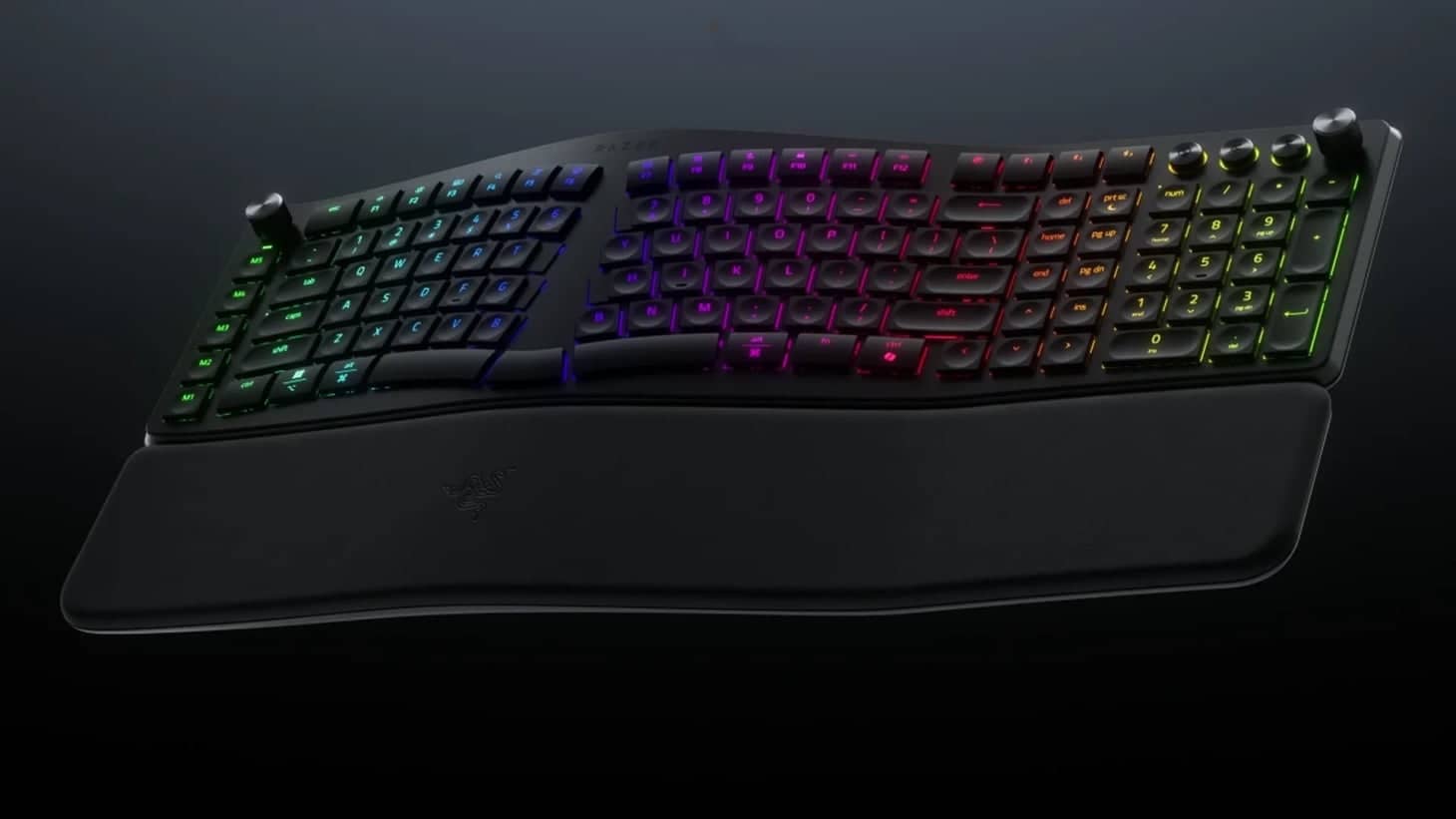
    Razer Unveils Pro Type Ergo Ergonomic Keyboard Today

    Razer Unveils Pro Type Ergo Ergonomic Keyboard Today

    Split design, AI button, and 19‑zone RGB aim at U.S. workers with a 9.7% RSI rate

    3 days ago
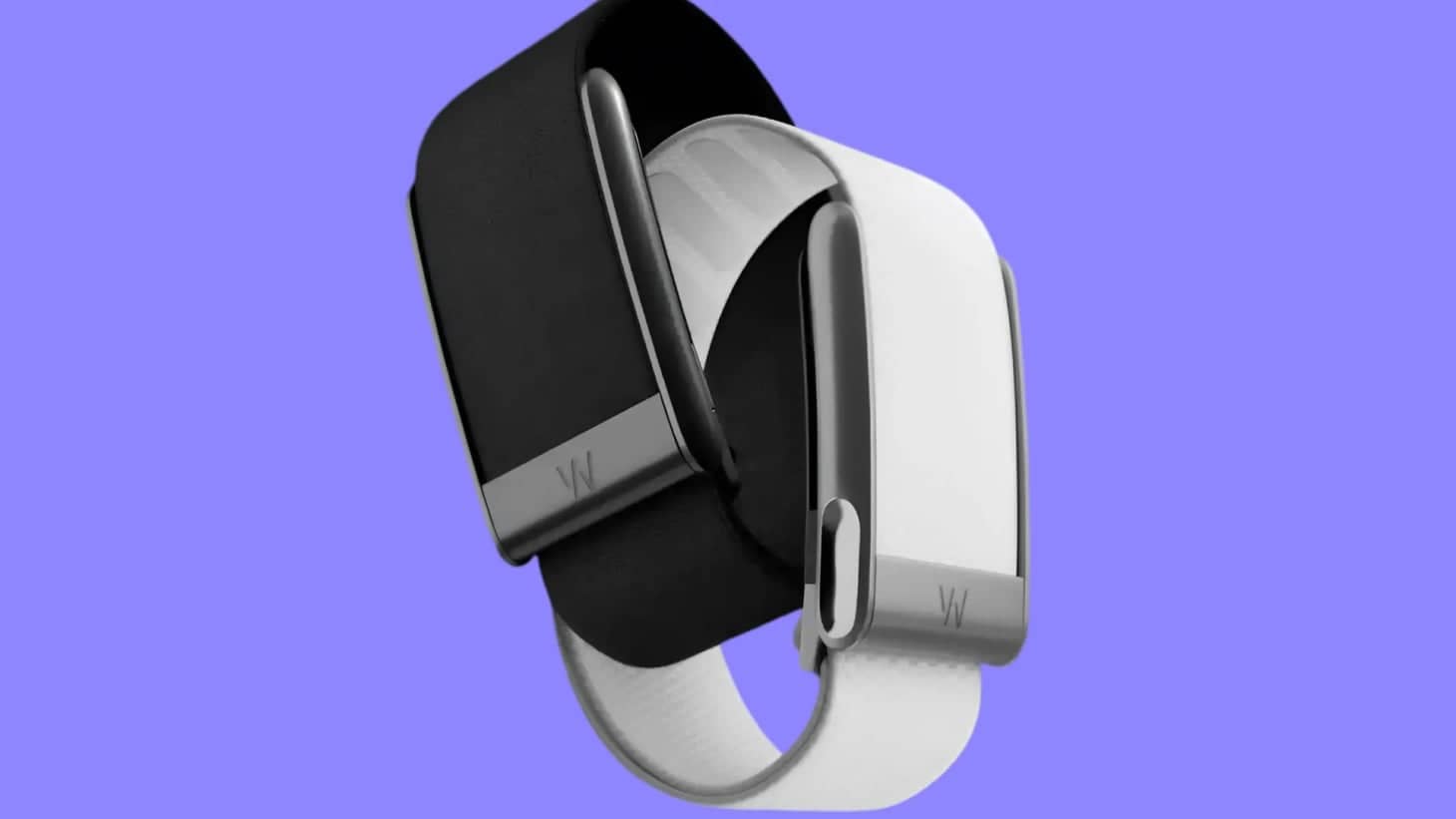
    Google to debut screen‑free Fitbit band in 2026

    Google to debut screen‑free Fitbit band in 2026

    AI‑driven training plan and upgraded platform aim at the health‑tracking market against Oura and Whoop

    3 days ago
    Nothing unveils AI‑powered smart glasses for a 2027 launch

    Nothing unveils AI‑powered smart glasses for a 2027 launch

    The glasses use a paired phone and cloud, with a clear frame and LED accents

    3 days ago
    Google rolls out Veo 3.1 Lite, halving AI video costs

    Google rolls out Veo 3.1 Lite, halving AI video costs

    Veo 3.1 Lite matches Veo 3.1 Fast speed but cuts price by over 50% for devs now

    3 days ago
    Freelander 97 Debuts 800‑V EV Crossover in Shanghai

    Freelander 97 Debuts 800‑V EV Crossover in Shanghai

    Chery‑JLR showcases ADS 4.1 autonomy on 800‑V platform, eyeing 2028 launch

    3 days ago
    Telegram Launches Version 12.6 With AI Editor, New Polls

    Telegram Launches Version 12.6 With AI Editor, New Polls

    It adds an AI tone editor, richer polls, Live/Motion Photos, and bot management

    3 days ago

    Pixel 11 Pro Renders Leak With Black Camera Bar and MediaTek Modem

    Google’s August 2026 flagship ditches Samsung radios for improved 5G and runs the Tensor G6

    4 days ago

    Anthropic leak reveals Opus 4.7, Sonnet 4.8 in npm 2.1.88

    Leak on March 30‑31 exposed TypeScript, revealing Opus 4.7, Sonnet 4.8, and internal features

    4 days ago
    iOS 26.5 beta lands on iPhone 17 Pro with an 8 GB download

    iOS 26.5 beta lands on iPhone 17 Pro with an 8 GB download

    Apple restores RCS encryption and adds a 12‑month subscription in the update

    4 days ago
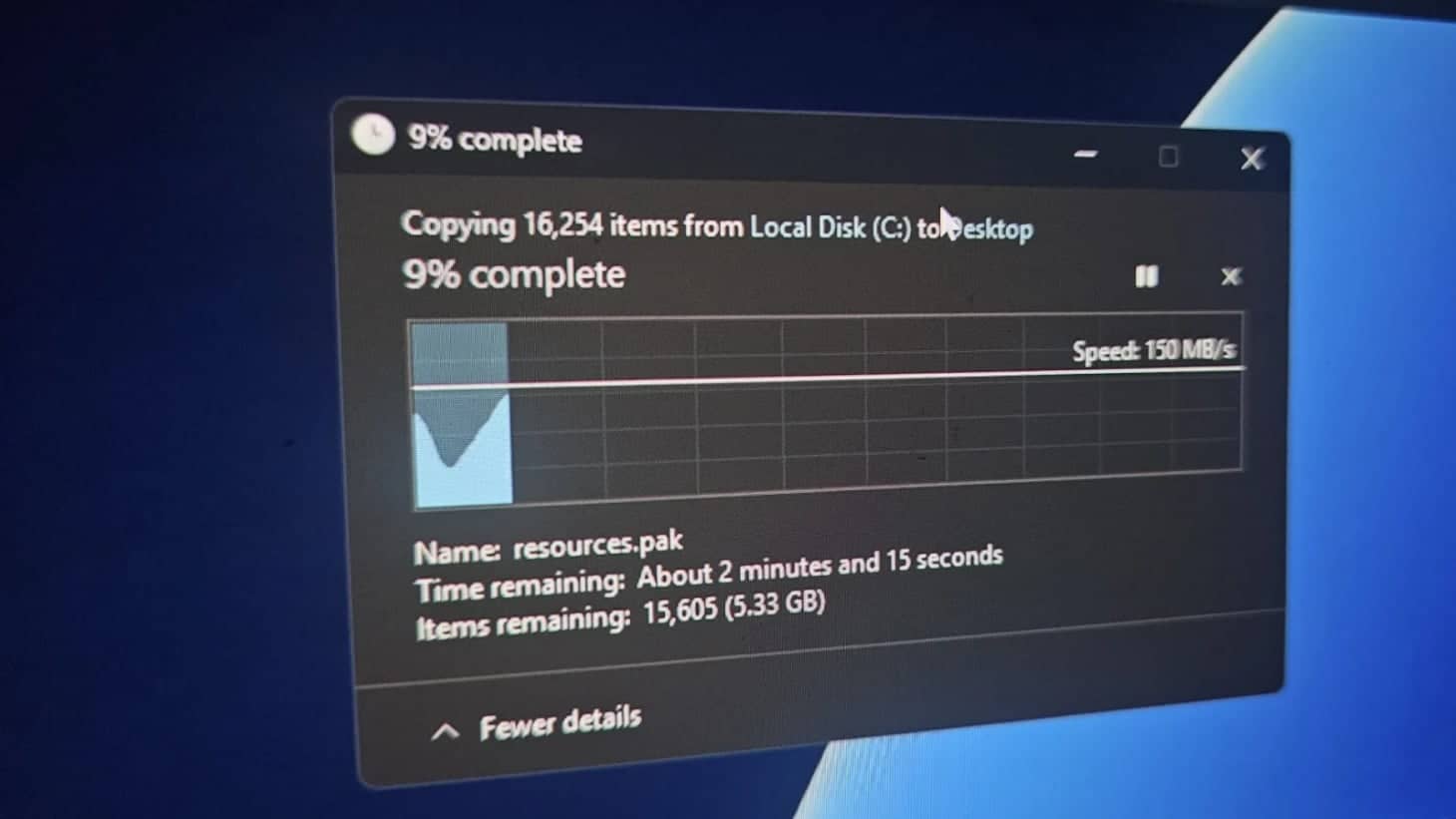
    Windows 11 24H2 Brings Dark Mode to Core Utilities

    Windows 11 24H2 Brings Dark Mode to Core Utilities

    Tools like Registry Editor get dark mode in Windows 11 24H2, out in Sep 2026

    5 days ago

    John Noble's 1,024 Thread Implant Powers Warcraft Raids

    John Noble, a former British parachutist turned veteran gamer, received a neural implant with 1,024 threads after a 2024 trial in Seattle. The device lets him control a MacBook with thought alone, turning World of Warcraft raids into hands‑free battles. His story shows how brain‑computer interfaces can expand digital access for disabled veterans and reshape gaming.

    5 days ago
    Apple unveils Siri app for iOS 27, adds 50+ AI agents

    Apple unveils Siri app for iOS 27, adds 50+ AI agents

    iOS 27 Siri app adds Extensions marketplace, eyeing Alexa’s 100,000‑skill store

    5 days ago
    Loading...
Health/Mental

Why Constant Notifications Destroy Deep Work

How alerts hijack the brain’s orienting response, raise stress and kill focus

February 12, 2026, 11:37 pm

Every buzz on your phone triggers an ancient orienting response, flooding your brain with norepinephrine and breaking the mental model you need for deep work. This explainer shows how constant notifications create attentional residue, raise cortisol, and erode focus, then offers a simple audit and proven steps to trim alerts, reclaim sustained attention, and lower stress.

image (28)

Summary

  • Each buzz sparks the brain’s orienting response, releasing norepinephrine, raising heart rate, and breaking the mental model built for deep work.
  • Unanswered alerts leave attentional residue, slowing reactions and raising cortisol, which fuels chronic low‑grade stress and anxiety.
  • Audit your alerts, keep only 8‑12 essential per day, mute the rest, and check messages in three scheduled blocks to restore focus and cut stress.

You're mid‑email when a notification drops. Your eyes flick to it. The email you were writing vanishes from working memory. You return, reread the last paragraph, try to remember where you were going. Another notification. Another reset.

This isn't distraction. It's a biological alarm system misfiring dozens of times daily. The average knowledge worker receives between 60 and 100 notifications every day across apps, according to research from the University of California, Irvine. Each one triggers what cognitive scientists call an "orienting response": your brain's automatic reaction to potential threats or opportunities. In 2024, that system designed to detect rustling in tall grass now fires when Slack lights up.

What Happens When Your Phone Buzzes

Every notification is a question your brain can't ignore. Is this urgent? Important? Dangerous? Your attention system, primarily the locus coeruleus (a cluster of neurons in your brainstem), releases norepinephrine. Heart rate ticks up. Muscles tense slightly. You're primed to respond.

This takes roughly 200 milliseconds. Faster than conscious thought.

A peer‑reviewed field study published at the CHI 2005 conference found that interrupted tasks were resumed in an average of 22 minutes and 37 seconds for external interruptions. Not because people are weak‑willed. Because attention doesn't flip like a light switch, it ramps.

Deep focus requires building a mental model of what you're working on. Each notification collapses that model. Think of deep work like stacking blocks. You're twelve blocks high, carefully placing the thirteenth. A notification hits. The stack doesn't fall, but your hand jerks. You have to steady yourself, check the foundation, remember what you were building. By the time you're ready to place that block, another notification arrives.

Why Waiting Makes It Worse

The notification itself is only half the problem. The other half is what psychologists call "attentional residue": the cognitive cost of an unresolved loop.

You send a message to your manager asking for approval on a deadline extension. Now part of your brain is monitoring for the response. Not consciously. But that orienting response system is now scanning every buzz, every banner, every red dot for the answer you're waiting on.

A 2021 study published in the Journal of Experimental Psychology: Human Perception and Performance found that participants who were told to expect an important message showed measurably slower reaction times and higher error rates on unrelated tasks, even when no message arrived. You're running background processes you can't close.

This is why checking your phone "just to see" rarely helps. You might clear one notification, but you've likely added three new open loops: an unanswered text, a meeting invite that needs response, a news headline that triggered curiosity. Your attention system is now juggling more, not less.

The Depth Problem

Frequent interruptions don't just slow you down. They change what kind of work you can do. Cal Newport, a computer‑science professor at Georgetown University and author of Deep Work, distinguishes between shallow work (logistical, low‑cognitive‑demand tasks like answering email) and deep work (cognitively demanding tasks that create new value).

A 2016 study he cites found that managers averaged just 28 minutes of uninterrupted time per day. The rest was fragmented into blocks too short for complex problem‑solving.

When you can't hold a problem in your head long enough to see its edges, you solve simpler problems. Or you don't solve them: you manage them. The architecture you could design in two focused hours gets replaced by six hours of task‑switching between specification documents and Slack threads, never quite achieving the mental state where insight happens.

Software engineers call this "context switching cost." Your brain does too. It just bills you in cortisol and cognitive fatigue instead of computing cycles.

What Your Body Adds to the Mix

That notification‑driven tension isn't just mental. A 2018 study in the International Journal of Environmental Research and Public Health measured physiological stress markers in participants exposed to frequent smartphone notifications. Result: measurable increases in cortisol and heart‑rate variability consistent with chronic low‑grade stress.

Your body treats notification overload like a stressor because it is one. Not the life‑threatening kind. The ambiguous, unresolvable kind that evolution didn't prepare you for. Is this urgent? Should I respond now? What if I miss something critical? These questions loop without answers, and your nervous system stays activated.

Over weeks and months, this compounds. Difficulty concentrating. Irritability. Disrupted sleep as your brain continues processing unresolved notifications into the evening. What feels like "just being distracted" starts to look a lot like anxiety, because the mechanisms overlap. If notification‑related anxiety persists after you've modified your environment, or if you experience physical symptoms like rapid heartbeat when checking your phone, discuss these patterns with a mental‑health professional.

The Fix Isn't Willpower

You can't out‑discipline your orienting response. It's older than language. But you can change what triggers it.

Turning off non‑essential notifications works because it removes the trigger, not because it strengthens your focus. A 2019 experiment published in Computers in Human Behavior had participants disable all but critical notifications (calls from favorite contacts, calendar alerts) for one week. Measured outcomes: 26% improvement in sustained attention tasks, 18% reduction in self‑reported stress, and notably, no increase in missed urgent communications.

People checked their phones on their schedule instead of their phone's schedule. The participants who benefited most were those in roles requiring extended focus: writers, engineers, researchers. Knowledge workers building mental models that collapse under interruption.

Start With an Audit

Review your last 24 hours of notifications. Which alerts required immediate action versus which simply interrupted ongoing tasks? Most users receive 60 to 80 notifications daily. Research suggests optimal notification load is 8 to 12 per day for essential communications only.

Disable all notification badges, banners, and sounds except true emergencies. Batch‑check messaging apps during planned breaks: 10 AM, 1 PM, 4 PM. Your brain learns the pattern. Anxiety around "missing something" typically fades within three days as you realize nothing critical was missed.

What Changes When You Turn Them Off

Autonomic nervous system studies show the startle response to notifications begins diminishing after three to four days of reduced exposure. Attention restoration follows a longer curve, with measurable improvements in sustained focus appearing between days five through seven and continuing to improve through week three.

What This Means for How You Work

Notification‑driven anxiety isn't a personal failing. It's a design outcome. Apps are engineered to recapture your attention because attention is their business model. Red dots, sound effects, and variable‑reward notification patterns (sometimes it's important, sometimes it's not, and intermittent reinforcement is the most addictive kind) exist because they work.

The cost is your ability to think deeply.

For anyone whose work involves more than responding to messages (designing systems, writing analysis, solving novel problems), protecting attention isn't productivity theater. It's the difference between doing your job and merely appearing busy.

The research is consistent: deep work requires uninterrupted blocks, and notifications are the primary interrupter for desk workers today. Your attention is finite. Notifications treat it like it's infinite. Turning them off isn't opting out of communication. It's opting into work that requires you to think.

What is this about?

  • attention economy/
  • distraction-free computing/
  • mindfulness/
  • stress reduction/
  • caffeine science

Feed

    Cursor 3 Launches Unified AI Coding Workspace

    Cursor 3 Launches Unified AI Coding Workspace

    Side‑panel lets devs toggle local and cloud agents, building on Composer 2 and Kimi 2.5

    1 day ago
    Orion’s Six‑Minute Burn Puts Artemis 2 on Free‑Return Path

    Orion’s Six‑Minute Burn Puts Artemis 2 on Free‑Return Path

    iPhone 17 Pro Max survives Orion’s deep‑space test as crew heads to lunar flyby

    1 day ago
    Android 17 Introduces System‑Level Notification Rules

    Android 17 Introduces System‑Level Notification Rules

    Samsung’s One UI 9 will adopt Android 17’s rules, adding OS‑level alert control

    1 day ago

    Nvidia rolls out DLSS 4.5, 6× boost on RTX 50-series

    Dynamic Multi‑Frame Generation smooths 120–240 Hz, delivered in the driver 595.97

    1 day ago
    Apple rolls out iOS 18.7.7 to block DarkSword

    Apple rolls out iOS 18.7.7 to block DarkSword

    Patch fixes six Safari bugs, stopping DarkSword on iOS 18–18.7 devices

    2 days ago
    BoxPlates Skins Revamp PS5 Slim & Pro in Two Weeks

    BoxPlates Skins Revamp PS5 Slim & Pro in Two Weeks

    2 days ago
    Artemis 2 Rockets Beyond Earth—402,000 km From Home

    Artemis 2 Rockets Beyond Earth—402,000 km From Home

    Lift‑off at 8:23 a.m. ET marks first crewed lunar flight since 1972, with a diverse four‑person crew

    2 days ago
    Apple celebrates 50 years with new minimalist wallpapers

    Apple celebrates 50 years with new minimalist wallpapers

    Basic Apple Guy releases iPhone and Mac wallpapers for Apple’s 50th anniversary

    2 days ago
    Razer Unveils Pro Type Ergo Ergonomic Keyboard Today

    Razer Unveils Pro Type Ergo Ergonomic Keyboard Today

    Split design, AI button, and 19‑zone RGB aim at U.S. workers with a 9.7% RSI rate

    3 days ago
    Google to debut screen‑free Fitbit band in 2026

    Google to debut screen‑free Fitbit band in 2026

    AI‑driven training plan and upgraded platform aim at the health‑tracking market against Oura and Whoop

    3 days ago
    Nothing unveils AI‑powered smart glasses for a 2027 launch

    Nothing unveils AI‑powered smart glasses for a 2027 launch

    The glasses use a paired phone and cloud, with a clear frame and LED accents

    3 days ago
    Google rolls out Veo 3.1 Lite, halving AI video costs

    Google rolls out Veo 3.1 Lite, halving AI video costs

    Veo 3.1 Lite matches Veo 3.1 Fast speed but cuts price by over 50% for devs now

    3 days ago
    Freelander 97 Debuts 800‑V EV Crossover in Shanghai

    Freelander 97 Debuts 800‑V EV Crossover in Shanghai

    Chery‑JLR showcases ADS 4.1 autonomy on 800‑V platform, eyeing 2028 launch

    3 days ago
    Telegram Launches Version 12.6 With AI Editor, New Polls

    Telegram Launches Version 12.6 With AI Editor, New Polls

    It adds an AI tone editor, richer polls, Live/Motion Photos, and bot management

    3 days ago

    Pixel 11 Pro Renders Leak With Black Camera Bar and MediaTek Modem

    Google’s August 2026 flagship ditches Samsung radios for improved 5G and runs the Tensor G6

    4 days ago

    Anthropic leak reveals Opus 4.7, Sonnet 4.8 in npm 2.1.88

    Leak on March 30‑31 exposed TypeScript, revealing Opus 4.7, Sonnet 4.8, and internal features

    4 days ago
    iOS 26.5 beta lands on iPhone 17 Pro with an 8 GB download

    iOS 26.5 beta lands on iPhone 17 Pro with an 8 GB download

    Apple restores RCS encryption and adds a 12‑month subscription in the update

    4 days ago
    Windows 11 24H2 Brings Dark Mode to Core Utilities

    Windows 11 24H2 Brings Dark Mode to Core Utilities

    Tools like Registry Editor get dark mode in Windows 11 24H2, out in Sep 2026

    5 days ago

    John Noble's 1,024 Thread Implant Powers Warcraft Raids

    John Noble, a former British parachutist turned veteran gamer, received a neural implant with 1,024 threads after a 2024 trial in Seattle. The device lets him control a MacBook with thought alone, turning World of Warcraft raids into hands‑free battles. His story shows how brain‑computer interfaces can expand digital access for disabled veterans and reshape gaming.

    5 days ago
    Apple unveils Siri app for iOS 27, adds 50+ AI agents

    Apple unveils Siri app for iOS 27, adds 50+ AI agents

    iOS 27 Siri app adds Extensions marketplace, eyeing Alexa’s 100,000‑skill store

    5 days ago
    Loading...
banner