• My Feed
  • Home
  • What's Important
  • Media & Entertainment
Search

Stay Curious. Stay Wanture.

© 2026 Wanture. All rights reserved.

  • Terms of Use
  • Privacy Policy
Health/Wellness
The full moon steals your sleep — but your phone steals more

Science confirms lunar cycles affect rest, but screens are the real culprit

3 November 2025

—

Explainer *

Naomi Kent
banner

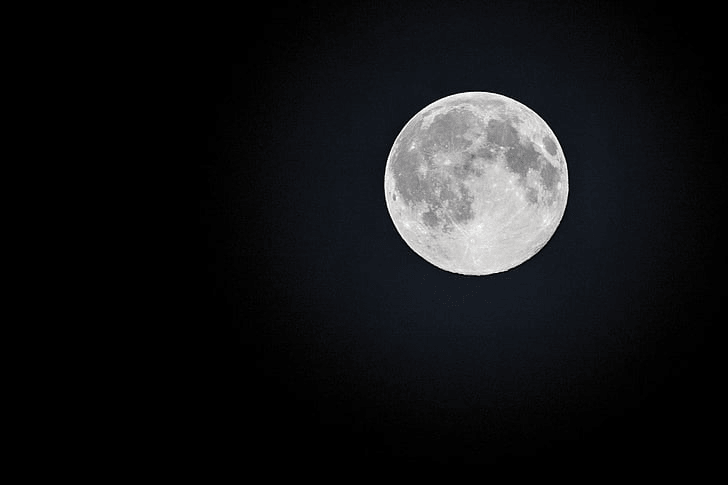
You've blamed the full moon for sleepless nights — and you're not wrong. Swiss lab studies show people lose 20-30 minutes of sleep and experience 30% less deep sleep during full moons. Field research across Argentina and Seattle confirms our ancestors evolved to stay awake when moonlight provided extra hours for survival tasks. But here's the twist: while the moon's glow might cost you an hour of rest, your smartphone's blue light suppresses melatonin far more aggressively. The moon's influence is real but modest — your evening screen time is the true sleep thief in modern life.

image-25

Summary:

  • Full moon subtly affects sleep, reducing total sleep time by up to an hour through natural light adaptation
  • Controlled studies show decreased deep sleep and longer sleep onset around full moon, with variations by gender
  • Artificial light and smartphone screens have far greater sleep disruption impact than moonlight

You've done everything right: gone to bed on time, skipped the late coffee, kept your bedroom cool and dark. But you're still awake, watching silver light spill through the curtains. It's a full moon. Could that pale glow really be stealing your sleep—or is it just another old superstition?

The answer, it turns out, is more complicated than folklore suggests. The moon does affect human sleep—but probably far less than the bright screen you scrolled through before bed.

Why Studying the Moon's Influence Is So Tricky

Untangling the moon's real effects from our expectations about it is one of the hardest challenges in sleep science. People carry strong beliefs about full moons—some romantic, some anxious—and those beliefs alone can shape how we sleep.

"Many people romanticize seeing a full moon, especially special events like harvest or blue moons, so perhaps the effects come from emotions, not physiology," says Dr. Stephen Carstensen, a consultant in sleep-related breathing disorders.

When you expect to sleep poorly under a full moon, that expectation can become a self-fulfilling prophecy. Your mind stays alert, scanning for confirmation that yes, the moon is keeping you awake. This psychological priming makes it nearly impossible to separate belief from biology in most studies.

But some researchers found a way around that problem—and what they discovered suggests the moon's influence is real, if modest.

What Controlled Laboratory Studies Reveal

The Swiss Experiment: Less Sleep, Less Depth

In 2013, Swiss researchers published a landmark study in Current Biology that caught the scientific community off guard. They had analyzed data from 33 healthy volunteers who had participated in a sleep study years earlier—crucially, without knowing their sleep would later be examined for lunar effects.

Around the full moon, participants showed a 30% drop in deep-sleep brain activity, took about five minutes longer to fall asleep, and slept roughly 20 minutes less overall. They also reported worse sleep quality and had measurably lower levels of melatonin, the hormone that signals your body it's time to rest.

"We know that light, whether artificial or natural, can have a suppressant effect on melatonin, so it is plausible that moonlight could have a natural wake-promoting effect," explains Dr. Alex Dimitriu, a psychiatrist and sleep medicine specialist and founder of Menlo Park Psychiatry and Sleep Medicine.

Gender Differences and REM Disruption

A follow-up Swiss study of 47 healthy adults found similar patterns: participants slept about 25 minutes less around the full moon. But this time, researchers noticed something unexpected—men seemed more affected than women, losing about 50 minutes of sleep overall.

The study also revealed that participants took 30 minutes longer to reach REM sleep, the dream stage critical for emotional processing and memory consolidation. Interestingly, a later Hungarian study flipped the gender finding, reporting that women experienced more sleep disruptions than men during the full moon.

These contradictions highlight a key limitation: all these studies were conducted in sleep laboratories, where the unfamiliar environment itself can interfere with natural sleep patterns. To understand the moon's true influence, scientists needed to observe people in their own beds, in their own lives.

Taking the Study Into the Real World

Researchers at the University of Washington designed an ambitious field study to bypass the laboratory problem. They tracked sleep in three very different Argentinian communities: one on the outskirts of a city, one in a rural village with limited electricity, and another in a remote area with no electricity at all. They also monitored 464 university students in Seattle.

All participants wore wristwatch-like devices that recorded their sleep for up to two months, capturing natural sleep patterns across multiple lunar cycles.

The results were striking: across all locations—regardless of access to artificial light—participants slept less and took longer to fall asleep in the nights leading up to a full moon.

An Ancient Adaptation to Natural Light

The researchers believe this pattern reflects an evolutionary adaptation. When the moon was brightest, our ancestors likely stayed up later to hunt, gather, socialize, or work by natural light. This behavior would have been advantageous: more light meant more opportunity to accomplish tasks that were dangerous or impossible in darkness.

The sleep changes were most pronounced in communities with little or no access to electricity, where moonlight remained the primary source of nighttime illumination. In these settings, the moon's influence was clear and measurable.

But in urban environments like Seattle, the picture changed. Artificial light—from streetlamps, screens, and indoor lighting—likely drowns out the moon's relatively subtle effect.

The Moon Versus Your Smartphone

The practical implications become clear when comparing the moon's effect to modern technology. While the moon can reduce total sleep time by up to an hour in certain conditions, that effect pales in comparison to the impact of screens and artificial light.

"The ability of the moon to decrease total sleep time, by up to one hour, is quite profound," says Dr. Dimitriu. "If a full moon can have that big an effect, the effect of a bright screen, right in your face, may be even greater."

Dr. Carstensen agrees: "In urban societies, artificial light probably has a far greater impact on sleep than the moon itself."

Think of it this way: the moon is a distant, diffuse light source that might add a faint glow to your bedroom. Your phone is a concentrated beam of blue-rich light held inches from your eyes, suppressing melatonin far more aggressively.

The moon's influence is real but modest. Your evening habits—scrolling social media, watching TV, leaving lights on—are the far more powerful disruptors of sleep in modern life.

What This Means for Your Sleep

If you notice restless nights around the full moon, you're not imagining it—but you're also not powerless. Here's what the science suggests:

  • Block the light. Use blackout curtains or heavy drapes to keep moonlight out of your bedroom, especially in the nights leading up to a full moon.
  • Prioritize screen hygiene. Put your phone away at least an hour before bed. The moon's effect is small; your screen's is not.
  • Maintain consistency. Stick to your regular sleep schedule even when the moon is full. Your body's internal clock benefits from routine more than it's disrupted by lunar phases.
  • Manage expectations. Knowing that any moon-related sleep loss is likely to be minor can reduce anxiety and prevent the self-fulfilling prophecy of a sleepless night.

The moon has shaped human behavior for millennia, and its subtle influence on our sleep is a reminder that we're still connected to natural rhythms. But in an age of artificial light and glowing screens, the moon is no longer the main character in the story of our sleep. We are.
What is this about?

  • Explainer */
  • Naomi Kent/
  • Health/
  • Wellness

Feed

    Xbox’s Next Console Chooses Off‑Shelf AMD RDNA 2 GPU

    Xbox’s Next Console Chooses Off‑Shelf AMD RDNA 2 GPU

    AMD GPU brings FidelityFX Super Resolution, echoing PlayStation 5’s RDNA 2

    Priya Desaiabout 12 hours ago
    Foldable iPhone Keeps 4.4 mm Body, Camera Control Button

    Foldable iPhone Keeps 4.4 mm Body, Camera Control Button

    Launching this year, the foldable iPhone is slimmer than the iPhone Air and is eSIM‑only.

    Carter Brooksabout 12 hours ago
    2024 C400 4Matic EV Packs 483 hp, 420‑mile Range

    2024 C400 4Matic EV Packs 483 hp, 420‑mile Range

    U.S. launch offers 3.9‑second 0‑62 mph sprint, $55,000 MSRP and $7,500 federal EV credit

    Ethan Whitakerabout 12 hours ago
    OnePlus drops Ace 6 Ultra gaming phone on April 28

    OnePlus drops Ace 6 Ultra gaming phone on April 28

    Clip‑on case adds buttons, fan, and pass‑through charging for console‑level play

    Carter Brooks1 day ago
    iPhone Express Transit Flaw Lets Thieves Steal $10,000

    iPhone Express Transit Flaw Lets Thieves Steal $10,000

    Locked iPhone Visa cards can be tapped for fraud; Apple and Visa have no fix

    Carter Brooks1 day ago
    China's Dola‑Seed‑2.0 Cuts Gap to 2.7% vs. Claude Opus 4.6

    China's Dola‑Seed‑2.0 Cuts Gap to 2.7% vs. Claude Opus 4.6

    Rachel Stein1 day ago
    Apple delays refreshed Mac Studio launch to October

    Apple delays refreshed Mac Studio launch to October

    Supply shortages push MacBook Pro to late‑2026/early‑2027, Q4 earnings at risk

    Carter Brooks1 day ago
    Apple delays M6‑Pro/M6‑Max OLED MacBook Pro to 2027

    Apple delays M6‑Pro/M6‑Max OLED MacBook Pro to 2027

    Shortages delay M6‑Pro and M6‑Max to early 2027, pushing back the new Mac

    Carter Brooks1 day ago
    Apple unveils glassy Siri on Dynamic Island with iOS 27

    Apple unveils glassy Siri on Dynamic Island with iOS 27

    WWDC 2026: Siri expands Island on iPhone 14 Pro and up, arriving with iOS 27

    Carter Brooks1 day ago
    Honor Robot Shatters Half‑Marathon Record in 50:26

    Honor Robot Shatters Half‑Marathon Record in 50:26

    Robot Beats Human Benchmark by 7 Minutes, With 40% Fully Autonomous

    Marcus Dillard2 days ago
    Loading...
Health/Wellness

The full moon steals your sleep — but your phone steals more

Science confirms lunar cycles affect rest, but screens are the real culprit

November 3, 2025, 12:14 pm

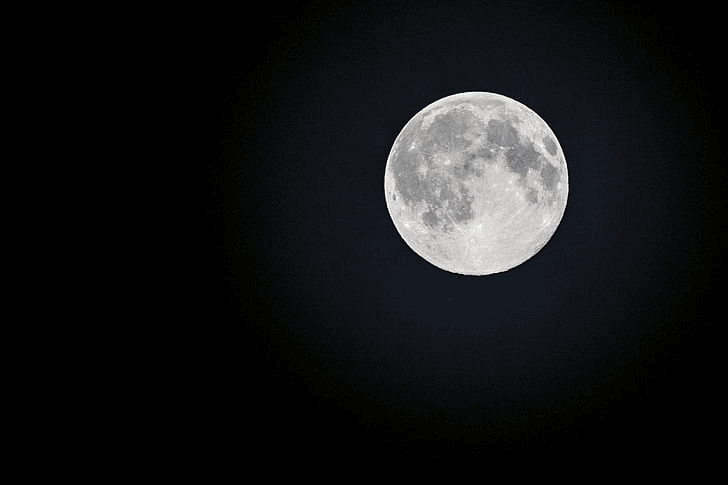
You've blamed the full moon for sleepless nights — and you're not wrong. Swiss lab studies show people lose 20-30 minutes of sleep and experience 30% less deep sleep during full moons. Field research across Argentina and Seattle confirms our ancestors evolved to stay awake when moonlight provided extra hours for survival tasks. But here's the twist: while the moon's glow might cost you an hour of rest, your smartphone's blue light suppresses melatonin far more aggressively. The moon's influence is real but modest — your evening screen time is the true sleep thief in modern life.

image-25

Summary

  • Full moon subtly affects sleep, reducing total sleep time by up to an hour through natural light adaptation
  • Controlled studies show decreased deep sleep and longer sleep onset around full moon, with variations by gender
  • Artificial light and smartphone screens have far greater sleep disruption impact than moonlight

You've done everything right: gone to bed on time, skipped the late coffee, kept your bedroom cool and dark. But you're still awake, watching silver light spill through the curtains. It's a full moon. Could that pale glow really be stealing your sleep—or is it just another old superstition?

The answer, it turns out, is more complicated than folklore suggests. The moon does affect human sleep—but probably far less than the bright screen you scrolled through before bed.

Why Studying the Moon's Influence Is So Tricky

Untangling the moon's real effects from our expectations about it is one of the hardest challenges in sleep science. People carry strong beliefs about full moons—some romantic, some anxious—and those beliefs alone can shape how we sleep.

"Many people romanticize seeing a full moon, especially special events like harvest or blue moons, so perhaps the effects come from emotions, not physiology," says Dr. Stephen Carstensen, a consultant in sleep-related breathing disorders.

When you expect to sleep poorly under a full moon, that expectation can become a self-fulfilling prophecy. Your mind stays alert, scanning for confirmation that yes, the moon is keeping you awake. This psychological priming makes it nearly impossible to separate belief from biology in most studies.

But some researchers found a way around that problem—and what they discovered suggests the moon's influence is real, if modest.

What Controlled Laboratory Studies Reveal

The Swiss Experiment: Less Sleep, Less Depth

In 2013, Swiss researchers published a landmark study in Current Biology that caught the scientific community off guard. They had analyzed data from 33 healthy volunteers who had participated in a sleep study years earlier—crucially, without knowing their sleep would later be examined for lunar effects.

Around the full moon, participants showed a 30% drop in deep-sleep brain activity, took about five minutes longer to fall asleep, and slept roughly 20 minutes less overall. They also reported worse sleep quality and had measurably lower levels of melatonin, the hormone that signals your body it's time to rest.

"We know that light, whether artificial or natural, can have a suppressant effect on melatonin, so it is plausible that moonlight could have a natural wake-promoting effect," explains Dr. Alex Dimitriu, a psychiatrist and sleep medicine specialist and founder of Menlo Park Psychiatry and Sleep Medicine.

Gender Differences and REM Disruption

A follow-up Swiss study of 47 healthy adults found similar patterns: participants slept about 25 minutes less around the full moon. But this time, researchers noticed something unexpected—men seemed more affected than women, losing about 50 minutes of sleep overall.

The study also revealed that participants took 30 minutes longer to reach REM sleep, the dream stage critical for emotional processing and memory consolidation. Interestingly, a later Hungarian study flipped the gender finding, reporting that women experienced more sleep disruptions than men during the full moon.

These contradictions highlight a key limitation: all these studies were conducted in sleep laboratories, where the unfamiliar environment itself can interfere with natural sleep patterns. To understand the moon's true influence, scientists needed to observe people in their own beds, in their own lives.

Taking the Study Into the Real World

Researchers at the University of Washington designed an ambitious field study to bypass the laboratory problem. They tracked sleep in three very different Argentinian communities: one on the outskirts of a city, one in a rural village with limited electricity, and another in a remote area with no electricity at all. They also monitored 464 university students in Seattle.

All participants wore wristwatch-like devices that recorded their sleep for up to two months, capturing natural sleep patterns across multiple lunar cycles.

The results were striking: across all locations—regardless of access to artificial light—participants slept less and took longer to fall asleep in the nights leading up to a full moon.

An Ancient Adaptation to Natural Light

The researchers believe this pattern reflects an evolutionary adaptation. When the moon was brightest, our ancestors likely stayed up later to hunt, gather, socialize, or work by natural light. This behavior would have been advantageous: more light meant more opportunity to accomplish tasks that were dangerous or impossible in darkness.

The sleep changes were most pronounced in communities with little or no access to electricity, where moonlight remained the primary source of nighttime illumination. In these settings, the moon's influence was clear and measurable.

But in urban environments like Seattle, the picture changed. Artificial light—from streetlamps, screens, and indoor lighting—likely drowns out the moon's relatively subtle effect.

The Moon Versus Your Smartphone

The practical implications become clear when comparing the moon's effect to modern technology. While the moon can reduce total sleep time by up to an hour in certain conditions, that effect pales in comparison to the impact of screens and artificial light.

"The ability of the moon to decrease total sleep time, by up to one hour, is quite profound," says Dr. Dimitriu. "If a full moon can have that big an effect, the effect of a bright screen, right in your face, may be even greater."

Dr. Carstensen agrees: "In urban societies, artificial light probably has a far greater impact on sleep than the moon itself."

Think of it this way: the moon is a distant, diffuse light source that might add a faint glow to your bedroom. Your phone is a concentrated beam of blue-rich light held inches from your eyes, suppressing melatonin far more aggressively.

The moon's influence is real but modest. Your evening habits—scrolling social media, watching TV, leaving lights on—are the far more powerful disruptors of sleep in modern life.

What This Means for Your Sleep

If you notice restless nights around the full moon, you're not imagining it—but you're also not powerless. Here's what the science suggests:

  • Block the light. Use blackout curtains or heavy drapes to keep moonlight out of your bedroom, especially in the nights leading up to a full moon.
  • Prioritize screen hygiene. Put your phone away at least an hour before bed. The moon's effect is small; your screen's is not.
  • Maintain consistency. Stick to your regular sleep schedule even when the moon is full. Your body's internal clock benefits from routine more than it's disrupted by lunar phases.
  • Manage expectations. Knowing that any moon-related sleep loss is likely to be minor can reduce anxiety and prevent the self-fulfilling prophecy of a sleepless night.

The moon has shaped human behavior for millennia, and its subtle influence on our sleep is a reminder that we're still connected to natural rhythms. But in an age of artificial light and glowing screens, the moon is no longer the main character in the story of our sleep. We are.
What is this about?

  • Explainer */
  • Naomi Kent/
  • Health/
  • Wellness

Feed

    Xbox’s Next Console Chooses Off‑Shelf AMD RDNA 2 GPU

    Xbox’s Next Console Chooses Off‑Shelf AMD RDNA 2 GPU

    AMD GPU brings FidelityFX Super Resolution, echoing PlayStation 5’s RDNA 2

    Priya Desaiabout 12 hours ago
    Foldable iPhone Keeps 4.4 mm Body, Camera Control Button

    Foldable iPhone Keeps 4.4 mm Body, Camera Control Button

    Launching this year, the foldable iPhone is slimmer than the iPhone Air and is eSIM‑only.

    Carter Brooksabout 12 hours ago
    2024 C400 4Matic EV Packs 483 hp, 420‑mile Range

    2024 C400 4Matic EV Packs 483 hp, 420‑mile Range

    U.S. launch offers 3.9‑second 0‑62 mph sprint, $55,000 MSRP and $7,500 federal EV credit

    Ethan Whitakerabout 12 hours ago
    OnePlus drops Ace 6 Ultra gaming phone on April 28

    OnePlus drops Ace 6 Ultra gaming phone on April 28

    Clip‑on case adds buttons, fan, and pass‑through charging for console‑level play

    Carter Brooks1 day ago
    iPhone Express Transit Flaw Lets Thieves Steal $10,000

    iPhone Express Transit Flaw Lets Thieves Steal $10,000

    Locked iPhone Visa cards can be tapped for fraud; Apple and Visa have no fix

    Carter Brooks1 day ago
    China's Dola‑Seed‑2.0 Cuts Gap to 2.7% vs. Claude Opus 4.6

    China's Dola‑Seed‑2.0 Cuts Gap to 2.7% vs. Claude Opus 4.6

    Rachel Stein1 day ago
    Apple delays refreshed Mac Studio launch to October

    Apple delays refreshed Mac Studio launch to October

    Supply shortages push MacBook Pro to late‑2026/early‑2027, Q4 earnings at risk

    Carter Brooks1 day ago
    Apple delays M6‑Pro/M6‑Max OLED MacBook Pro to 2027

    Apple delays M6‑Pro/M6‑Max OLED MacBook Pro to 2027

    Shortages delay M6‑Pro and M6‑Max to early 2027, pushing back the new Mac

    Carter Brooks1 day ago
    Apple unveils glassy Siri on Dynamic Island with iOS 27

    Apple unveils glassy Siri on Dynamic Island with iOS 27

    WWDC 2026: Siri expands Island on iPhone 14 Pro and up, arriving with iOS 27

    Carter Brooks1 day ago
    Honor Robot Shatters Half‑Marathon Record in 50:26

    Honor Robot Shatters Half‑Marathon Record in 50:26

    Robot Beats Human Benchmark by 7 Minutes, With 40% Fully Autonomous

    Marcus Dillard2 days ago
    Loading...
banner