• My Feed
  • Home
  • What's Important
  • Media & Entertainment
Search

Stay Curious. Stay Wanture.

© 2026 Wanture. All rights reserved.

  • Terms of Use
  • Privacy Policy
Health/Mental

Why Your Brain Burns Out After Video Calls?

Task‑switching spikes cortisol and drains focus; short breaks can reset brain

13 February 2026

—

Explainer *

Cameron Ellis
banner

Video calls, Slack pings, and endless task‑switching overload your working memory, spike cortisol, and fragment sleep, leaving you drained even after a full night’s rest. This explainer reveals the biology of mental fatigue and offers research‑backed fixes: movement breaks, work windows, and strategic disconnection, to restore cognitive bandwidth and protect long‑term wellbeing.

image (34)

Summary:

  • Task switching every few minutes drains your brain’s four‑item working‑memory scratchpad, causing mental fatigue by late afternoon.
  • Continuous low‑level cortisol from nonstop alerts keeps the nervous system on alert, so you feel exhausted yet wired even with normal heart rate.
  • Take 5‑minute movement or breathing breaks every 50 minutes, batch notifications, and protect the first hour of work to restore focus and improve sleep.

You close your laptop after three hours of video calls. No deadlines missed. No fires to put out. Just meetings. Yet your brain feels like it has sprinted uphill for miles. That exhaustion is mental fatigue, and it operates through measurable biological mechanisms as real as muscle soreness after a workout. The drain comes from working memory overload, sustained cortisol elevation, and an information environment engineered to fracture attention every few minutes.

Your Brain Has a Bandwidth Limit

Working memory holds roughly four chunks of information simultaneously. Think of it as your brain's scratchpad. When you toggle between Slack threads, a Zoom call, email, and a project doc, you're not multitasking. You're task-switching. Every switch forces your prefrontal cortex to reload context, burning glucose and depleting neurotransmitters with each cycle.

Field observations by researchers González and Mark at UC Irvine, presented at CHI 2004, documented that knowledge workers switch contexts roughly every three minutes during their workday. Each switch costs cognitive energy. By mid-afternoon, your neural tank runs dry. This isn't about willpower. It's physiology.

Sophie Leroy's 2009 study in Organizational Behavior and Human Decision Processes demonstrated that switching tasks leaves attention residue behind. Part of your cognitive capacity stays attached to the previous task, reducing what's available for the next one. Your scratchpad fills with incomplete fragments instead of the four clean chunks it was designed to hold.

The Stress Your Smartwatch Can't Measure

Mental fatigue triggers cortisol release, the same stress hormone your body produces when facing physical threats. Your adrenal system doesn't distinguish between a project deadline and physical danger. Both register as threat signals, activating your stress response.

Chronic low-level cortisol keeps your nervous system in alert mode. You feel simultaneously exhausted and wired. Your fitness tracker shows normal heart rate. Your step count looks fine. But internally, you're running a stress loop that drains energy without producing measurable physical exertion.

Mark, Gudith, and Klocke's 2008 CHI study, "The Cost of Interrupted Work," used controlled experiments to show that interruptions change work pace and measurably increase stress markers. Stanford School of Medicine research confirms that sustained cognitive load elevates cortisol for hours after the mental work ends. That 6 p.m. couch crash isn't laziness. It's your body processing accumulated stress from holding architectural decisions, stakeholder expectations, and user needs in your head all day.

Why Rest Doesn't Always Restore

Sleep duration matters, but sleep architecture matters more. Mental fatigue fragments your sleep structure. You log hours in bed but miss adequate slow-wave sleep, the phase where your brain consolidates memories and clears metabolic waste.

A 2023 study in Sleep Medicine found that participants carrying high cognitive load during waking hours spent 34 percent less time in restorative slow-wave sleep compared to baseline. This creates a feedback loop. Poor sleep reduces next-day working memory capacity, shrinking your brain's scratchpad. Reduced capacity increases cognitive strain. Increased strain worsens sleep quality.

Breaking the cycle requires addressing daytime overload, not just optimizing your bedroom temperature and blackout curtains.

Your Environment Is an Invisible Load

The modern information environment fractures attention by design. Notifications aren't accidents. They're engineered interruptions. Every ping, badge, and algorithmic nudge represents a micro-demand on your cognitive resources.

When interruptions arrive every few minutes, you never actually return to a task. You exist in perpetual fragmentation, where your brain constantly loads but rarely executes. This isn't just productivity loss. It's exhaustion.

Resisting distraction costs nearly as much energy as giving in. Your anterior cingulate cortex, the brain region managing conflict between competing demands, runs hot all day. Just ignoring notifications feels impossible because you're asking your brain to fight its environment continuously.

What Actually Helps

Daily Cognitive Maintenance

Breaks must last at least five minutes to reset working memory and clear your mental scratchpad. A 2022 University of Illinois study of 180 participants found that five-minute breaks every 50 minutes improved sustained attention by 28 percent compared to continuous work. Shorter breaks didn't register measurable effects. Longer breaks risked losing task context.

Break content matters. Scrolling social media doesn't count. It's just different information processing. Effective breaks involve physical movement, looking at distant objects to reset visual focus, or structured breathing like 4-4-8 (inhale four seconds, hold four, exhale eight). These activities genuinely downshift cognitive demand instead of redirecting it.

Match task type to cognitive capacity. Handle complex architectural decisions or user research synthesis in your first 90 minutes, when prefrontal function peaks and your scratchpad operates at full capacity. Reserve post-lunch hours for collaborative work or routine tasks that benefit from social energy but require less deep focus.

For engineers on call: build interrupt buffers into your schedule. Designate specific 30-minute windows for Slack responses or PR reviews. Outside those windows, batch notifications. This doesn't eliminate interruptions, but it reduces the cognitive cost of constant vigilance.

For researchers and facilitators: bookend high-demand sessions with low-demand recovery tasks. After a 90-minute usability session, your cognitive and emotional reserves are depleted. Expecting immediate insight synthesis is like asking for a sprint after a marathon. Schedule transcription review or administrative work instead.

Strategic Disconnection

You don't need digital detox retreats. You need structured disconnection inside your existing routine. A 2024 study of 340 knowledge workers found the most effective intervention was simple: no communication tools for the first hour of the workday. Participants reported 41 percent less decision fatigue by mid-afternoon and 23 percent better sleep quality.

If a full hour isn't possible, start with 25 minutes. Close Slack. Silence your phone. Work on one thing. This protects your working memory, giving your brain a chance to operate without constant reloading—letting you use all four chunks of scratchpad capacity instead of fragmenting them across competing demands.

Recovery Takes Time

Cognitive function doesn't bounce back immediately after sustained overload. Max Planck Institute research shows that after a week of intense cognitive demand, baseline performance takes three to five days to fully restore, assuming adequate sleep and reduced cognitive load during recovery.

This has practical implications. After a sprint or major launch, don't immediately start the next high-stakes project. Budget recovery time the way athletes schedule rest days. Your brain is an organ, not a machine. It needs repair cycles.

A 2024 study in Transportation Research demonstrated that attentional switch costs can persist for several minutes even in high-stakes contexts like driving, showing that cognitive switching effects don't disappear instantly.

Why This Matters Beyond Productivity

Mental fatigue isn't just an efficiency problem. Chronic cognitive overload links to increased anxiety, reduced emotional regulation, and higher burnout rates. A longitudinal study from the American Psychological Association found that knowledge workers reporting persistent mental fatigue were 2.7 times more likely to experience clinical burnout within 18 months.

Addressing mental fatigue isn't about squeezing more work into your calendar. It's about sustainable cognitive performance over years, not quarters. The ability to think clearly, make sound decisions, and maintain emotional equilibrium matters for long-term career health.

Recent research from 2024 confirms task-switch costs exist, though effect sizes vary by task type, context, and measurement method. A 2024 replication study in Empirical Software Engineering showed that biometric prediction models for developer interruptibility failed to replicate across samples, demonstrating the complexity of measuring cognitive load in real work environments.

Where to Start

Your exhaustion has a mechanism. It also has solutions that don't require quitting your job or moving off-grid.

Start with one variable: measure your context switches tomorrow using RescueTime or ManicTime. See the actual number. Then pick one five-minute break window and protect it. That's not a productivity optimization. That's a cognitive repair protocol.

Mental fatigue operates through working memory limits, cortisol elevation, and an attention-fragmenting environment. Each mechanism has evidence-based interventions. Small structural changes to how you batch tasks, schedule breaks, and protect focus windows produce measurable improvements in cognitive endurance and recovery time.

The researchers, engineers, and product managers building the next decade of technology need their cognitive health intact to do it well. Attention isn't infinite. Treat it like the fragile resource it is.

What is this about?

  • mental strain measurement/
  • sleep optimization/
  • burnout prevention/
  • evidence-based biohacking/
  • stress reduction

Feed

    Cursor 3 Launches Unified AI Coding Workspace

    Cursor 3 Launches Unified AI Coding Workspace

    Side‑panel lets devs toggle local and cloud agents, building on Composer 2 and Kimi 2.5

    about 16 hours ago
    Orion’s Six‑Minute Burn Puts Artemis 2 on Free‑Return Path

    Orion’s Six‑Minute Burn Puts Artemis 2 on Free‑Return Path

    iPhone 17 Pro Max survives Orion’s deep‑space test as crew heads to lunar flyby

    about 18 hours ago
    Android 17 Introduces System‑Level Notification Rules

    Android 17 Introduces System‑Level Notification Rules

    Samsung’s One UI 9 will adopt Android 17’s rules, adding OS‑level alert control

    about 18 hours ago

    Nvidia rolls out DLSS 4.5, 6× boost on RTX 50-series

    Dynamic Multi‑Frame Generation smooths 120–240 Hz, delivered in the driver 595.97

    about 20 hours ago
    Apple rolls out iOS 18.7.7 to block DarkSword

    Apple rolls out iOS 18.7.7 to block DarkSword

    Patch fixes six Safari bugs, stopping DarkSword on iOS 18–18.7 devices

    1 day ago
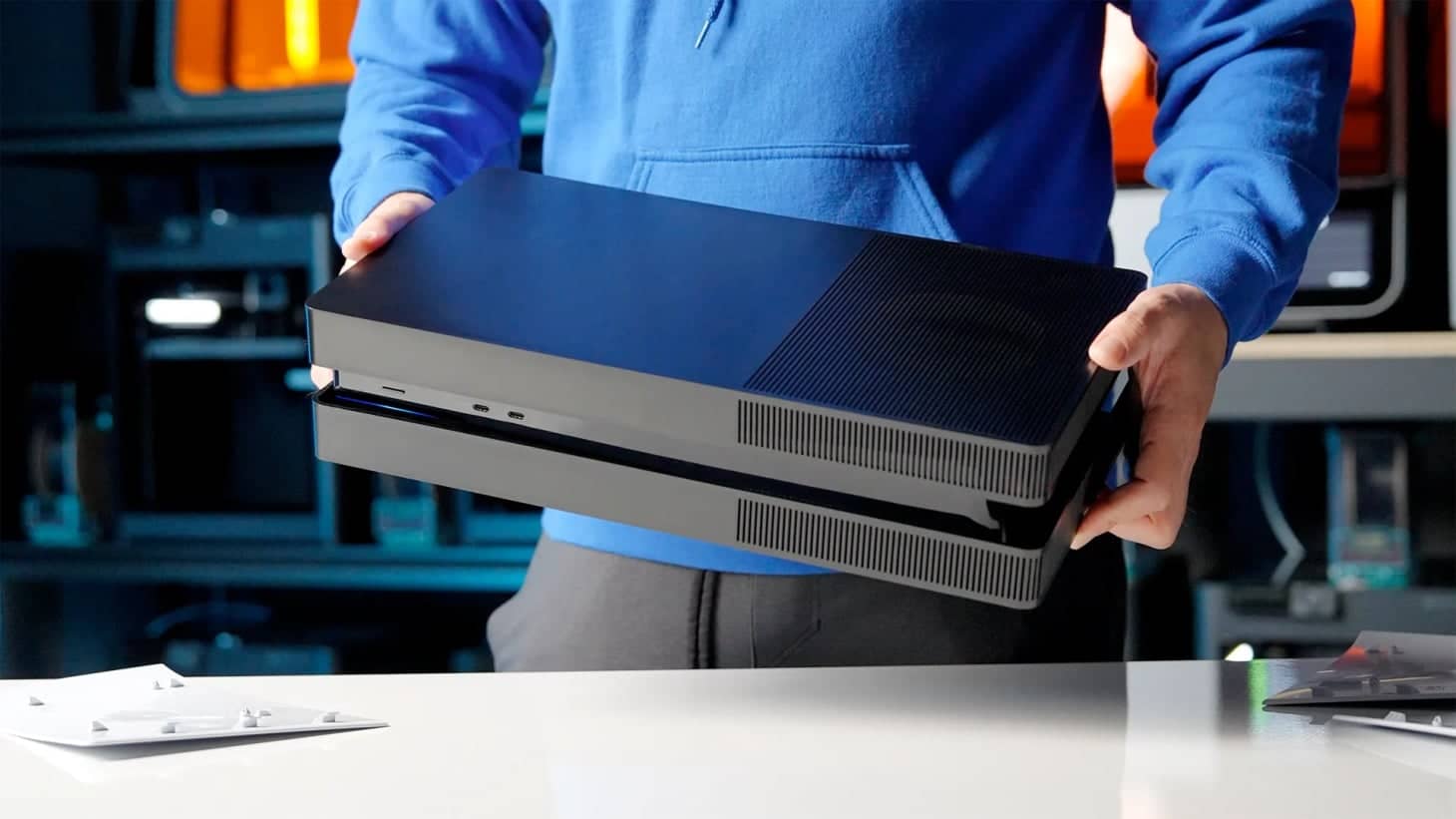
    BoxPlates Skins Revamp PS5 Slim & Pro in Two Weeks

    BoxPlates Skins Revamp PS5 Slim & Pro in Two Weeks

    1 day ago
    Artemis 2 Rockets Beyond Earth—402,000 km From Home

    Artemis 2 Rockets Beyond Earth—402,000 km From Home

    Lift‑off at 8:23 a.m. ET marks first crewed lunar flight since 1972, with a diverse four‑person crew

    2 days ago
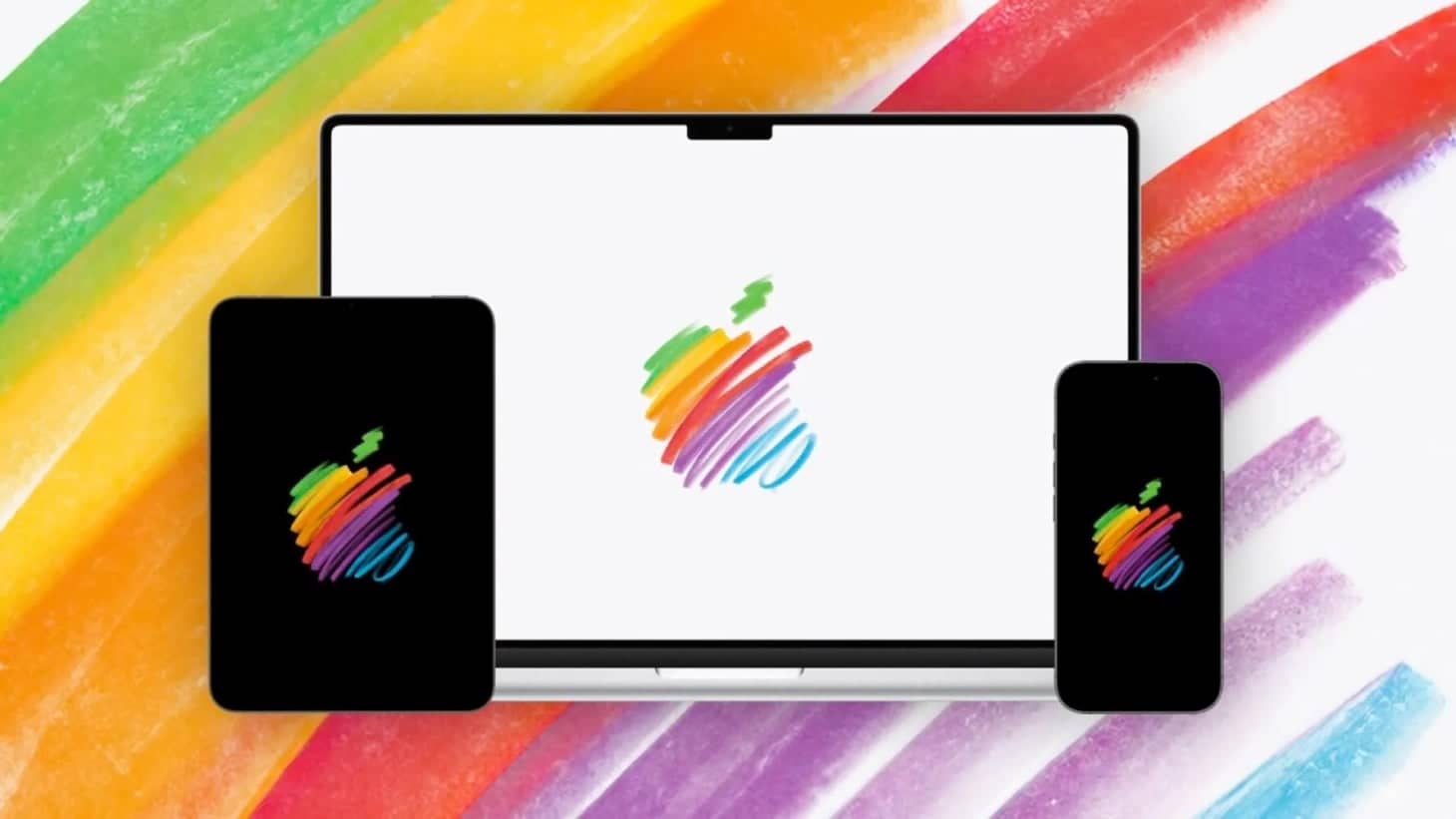
    Apple celebrates 50 years with new minimalist wallpapers

    Apple celebrates 50 years with new minimalist wallpapers

    Basic Apple Guy releases iPhone and Mac wallpapers for Apple’s 50th anniversary

    2 days ago
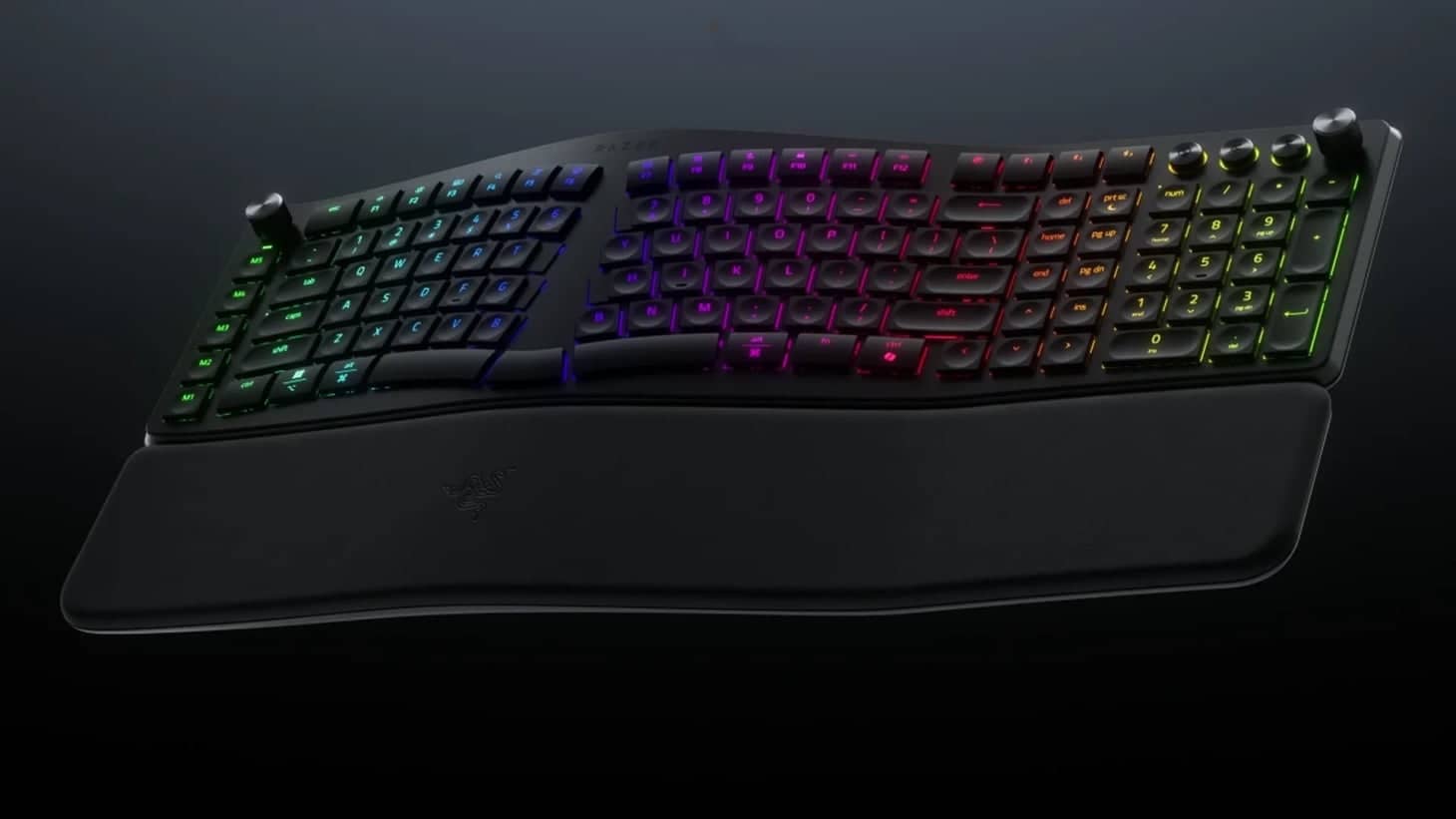
    Razer Unveils Pro Type Ergo Ergonomic Keyboard Today

    Razer Unveils Pro Type Ergo Ergonomic Keyboard Today

    Split design, AI button, and 19‑zone RGB aim at U.S. workers with a 9.7% RSI rate

    3 days ago
    Google to debut screen‑free Fitbit band in 2026

    Google to debut screen‑free Fitbit band in 2026

    AI‑driven training plan and upgraded platform aim at the health‑tracking market against Oura and Whoop

    3 days ago
    Nothing unveils AI‑powered smart glasses for a 2027 launch

    Nothing unveils AI‑powered smart glasses for a 2027 launch

    The glasses use a paired phone and cloud, with a clear frame and LED accents

    3 days ago
    Google rolls out Veo 3.1 Lite, halving AI video costs

    Google rolls out Veo 3.1 Lite, halving AI video costs

    Veo 3.1 Lite matches Veo 3.1 Fast speed but cuts price by over 50% for devs now

    3 days ago
    Freelander 97 Debuts 800‑V EV Crossover in Shanghai

    Freelander 97 Debuts 800‑V EV Crossover in Shanghai

    Chery‑JLR showcases ADS 4.1 autonomy on 800‑V platform, eyeing 2028 launch

    3 days ago
    Telegram Launches Version 12.6 With AI Editor, New Polls

    Telegram Launches Version 12.6 With AI Editor, New Polls

    It adds an AI tone editor, richer polls, Live/Motion Photos, and bot management

    3 days ago

    Pixel 11 Pro Renders Leak With Black Camera Bar and MediaTek Modem

    Google’s August 2026 flagship ditches Samsung radios for improved 5G and runs the Tensor G6

    3 days ago

    Anthropic leak reveals Opus 4.7, Sonnet 4.8 in npm 2.1.88

    Leak on March 30‑31 exposed TypeScript, revealing Opus 4.7, Sonnet 4.8, and internal features

    3 days ago
    iOS 26.5 beta lands on iPhone 17 Pro with an 8 GB download

    iOS 26.5 beta lands on iPhone 17 Pro with an 8 GB download

    Apple restores RCS encryption and adds a 12‑month subscription in the update

    3 days ago
    Windows 11 24H2 Brings Dark Mode to Core Utilities

    Windows 11 24H2 Brings Dark Mode to Core Utilities

    Tools like Registry Editor get dark mode in Windows 11 24H2, out in Sep 2026

    5 days ago

    John Noble's 1,024 Thread Implant Powers Warcraft Raids

    John Noble, a former British parachutist turned veteran gamer, received a neural implant with 1,024 threads after a 2024 trial in Seattle. The device lets him control a MacBook with thought alone, turning World of Warcraft raids into hands‑free battles. His story shows how brain‑computer interfaces can expand digital access for disabled veterans and reshape gaming.

    5 days ago
    Apple unveils Siri app for iOS 27, adds 50+ AI agents

    Apple unveils Siri app for iOS 27, adds 50+ AI agents

    iOS 27 Siri app adds Extensions marketplace, eyeing Alexa’s 100,000‑skill store

    5 days ago
    Loading...
Health/Mental

Why Your Brain Burns Out After Video Calls?

Task‑switching spikes cortisol and drains focus; short breaks can reset brain

February 13, 2026, 12:37 pm

Video calls, Slack pings, and endless task‑switching overload your working memory, spike cortisol, and fragment sleep, leaving you drained even after a full night’s rest. This explainer reveals the biology of mental fatigue and offers research‑backed fixes: movement breaks, work windows, and strategic disconnection, to restore cognitive bandwidth and protect long‑term wellbeing.

image (34)

Summary

  • Task switching every few minutes drains your brain’s four‑item working‑memory scratchpad, causing mental fatigue by late afternoon.
  • Continuous low‑level cortisol from nonstop alerts keeps the nervous system on alert, so you feel exhausted yet wired even with normal heart rate.
  • Take 5‑minute movement or breathing breaks every 50 minutes, batch notifications, and protect the first hour of work to restore focus and improve sleep.

You close your laptop after three hours of video calls. No deadlines missed. No fires to put out. Just meetings. Yet your brain feels like it has sprinted uphill for miles. That exhaustion is mental fatigue, and it operates through measurable biological mechanisms as real as muscle soreness after a workout. The drain comes from working memory overload, sustained cortisol elevation, and an information environment engineered to fracture attention every few minutes.

Your Brain Has a Bandwidth Limit

Working memory holds roughly four chunks of information simultaneously. Think of it as your brain's scratchpad. When you toggle between Slack threads, a Zoom call, email, and a project doc, you're not multitasking. You're task-switching. Every switch forces your prefrontal cortex to reload context, burning glucose and depleting neurotransmitters with each cycle.

Field observations by researchers González and Mark at UC Irvine, presented at CHI 2004, documented that knowledge workers switch contexts roughly every three minutes during their workday. Each switch costs cognitive energy. By mid-afternoon, your neural tank runs dry. This isn't about willpower. It's physiology.

Sophie Leroy's 2009 study in Organizational Behavior and Human Decision Processes demonstrated that switching tasks leaves attention residue behind. Part of your cognitive capacity stays attached to the previous task, reducing what's available for the next one. Your scratchpad fills with incomplete fragments instead of the four clean chunks it was designed to hold.

The Stress Your Smartwatch Can't Measure

Mental fatigue triggers cortisol release, the same stress hormone your body produces when facing physical threats. Your adrenal system doesn't distinguish between a project deadline and physical danger. Both register as threat signals, activating your stress response.

Chronic low-level cortisol keeps your nervous system in alert mode. You feel simultaneously exhausted and wired. Your fitness tracker shows normal heart rate. Your step count looks fine. But internally, you're running a stress loop that drains energy without producing measurable physical exertion.

Mark, Gudith, and Klocke's 2008 CHI study, "The Cost of Interrupted Work," used controlled experiments to show that interruptions change work pace and measurably increase stress markers. Stanford School of Medicine research confirms that sustained cognitive load elevates cortisol for hours after the mental work ends. That 6 p.m. couch crash isn't laziness. It's your body processing accumulated stress from holding architectural decisions, stakeholder expectations, and user needs in your head all day.

Why Rest Doesn't Always Restore

Sleep duration matters, but sleep architecture matters more. Mental fatigue fragments your sleep structure. You log hours in bed but miss adequate slow-wave sleep, the phase where your brain consolidates memories and clears metabolic waste.

A 2023 study in Sleep Medicine found that participants carrying high cognitive load during waking hours spent 34 percent less time in restorative slow-wave sleep compared to baseline. This creates a feedback loop. Poor sleep reduces next-day working memory capacity, shrinking your brain's scratchpad. Reduced capacity increases cognitive strain. Increased strain worsens sleep quality.

Breaking the cycle requires addressing daytime overload, not just optimizing your bedroom temperature and blackout curtains.

Your Environment Is an Invisible Load

The modern information environment fractures attention by design. Notifications aren't accidents. They're engineered interruptions. Every ping, badge, and algorithmic nudge represents a micro-demand on your cognitive resources.

When interruptions arrive every few minutes, you never actually return to a task. You exist in perpetual fragmentation, where your brain constantly loads but rarely executes. This isn't just productivity loss. It's exhaustion.

Resisting distraction costs nearly as much energy as giving in. Your anterior cingulate cortex, the brain region managing conflict between competing demands, runs hot all day. Just ignoring notifications feels impossible because you're asking your brain to fight its environment continuously.

What Actually Helps

Daily Cognitive Maintenance

Breaks must last at least five minutes to reset working memory and clear your mental scratchpad. A 2022 University of Illinois study of 180 participants found that five-minute breaks every 50 minutes improved sustained attention by 28 percent compared to continuous work. Shorter breaks didn't register measurable effects. Longer breaks risked losing task context.

Break content matters. Scrolling social media doesn't count. It's just different information processing. Effective breaks involve physical movement, looking at distant objects to reset visual focus, or structured breathing like 4-4-8 (inhale four seconds, hold four, exhale eight). These activities genuinely downshift cognitive demand instead of redirecting it.

Match task type to cognitive capacity. Handle complex architectural decisions or user research synthesis in your first 90 minutes, when prefrontal function peaks and your scratchpad operates at full capacity. Reserve post-lunch hours for collaborative work or routine tasks that benefit from social energy but require less deep focus.

For engineers on call: build interrupt buffers into your schedule. Designate specific 30-minute windows for Slack responses or PR reviews. Outside those windows, batch notifications. This doesn't eliminate interruptions, but it reduces the cognitive cost of constant vigilance.

For researchers and facilitators: bookend high-demand sessions with low-demand recovery tasks. After a 90-minute usability session, your cognitive and emotional reserves are depleted. Expecting immediate insight synthesis is like asking for a sprint after a marathon. Schedule transcription review or administrative work instead.

Strategic Disconnection

You don't need digital detox retreats. You need structured disconnection inside your existing routine. A 2024 study of 340 knowledge workers found the most effective intervention was simple: no communication tools for the first hour of the workday. Participants reported 41 percent less decision fatigue by mid-afternoon and 23 percent better sleep quality.

If a full hour isn't possible, start with 25 minutes. Close Slack. Silence your phone. Work on one thing. This protects your working memory, giving your brain a chance to operate without constant reloading—letting you use all four chunks of scratchpad capacity instead of fragmenting them across competing demands.

Recovery Takes Time

Cognitive function doesn't bounce back immediately after sustained overload. Max Planck Institute research shows that after a week of intense cognitive demand, baseline performance takes three to five days to fully restore, assuming adequate sleep and reduced cognitive load during recovery.

This has practical implications. After a sprint or major launch, don't immediately start the next high-stakes project. Budget recovery time the way athletes schedule rest days. Your brain is an organ, not a machine. It needs repair cycles.

A 2024 study in Transportation Research demonstrated that attentional switch costs can persist for several minutes even in high-stakes contexts like driving, showing that cognitive switching effects don't disappear instantly.

Why This Matters Beyond Productivity

Mental fatigue isn't just an efficiency problem. Chronic cognitive overload links to increased anxiety, reduced emotional regulation, and higher burnout rates. A longitudinal study from the American Psychological Association found that knowledge workers reporting persistent mental fatigue were 2.7 times more likely to experience clinical burnout within 18 months.

Addressing mental fatigue isn't about squeezing more work into your calendar. It's about sustainable cognitive performance over years, not quarters. The ability to think clearly, make sound decisions, and maintain emotional equilibrium matters for long-term career health.

Recent research from 2024 confirms task-switch costs exist, though effect sizes vary by task type, context, and measurement method. A 2024 replication study in Empirical Software Engineering showed that biometric prediction models for developer interruptibility failed to replicate across samples, demonstrating the complexity of measuring cognitive load in real work environments.

Where to Start

Your exhaustion has a mechanism. It also has solutions that don't require quitting your job or moving off-grid.

Start with one variable: measure your context switches tomorrow using RescueTime or ManicTime. See the actual number. Then pick one five-minute break window and protect it. That's not a productivity optimization. That's a cognitive repair protocol.

Mental fatigue operates through working memory limits, cortisol elevation, and an attention-fragmenting environment. Each mechanism has evidence-based interventions. Small structural changes to how you batch tasks, schedule breaks, and protect focus windows produce measurable improvements in cognitive endurance and recovery time.

The researchers, engineers, and product managers building the next decade of technology need their cognitive health intact to do it well. Attention isn't infinite. Treat it like the fragile resource it is.

What is this about?

  • mental strain measurement/
  • sleep optimization/
  • burnout prevention/
  • evidence-based biohacking/
  • stress reduction

Feed

    Cursor 3 Launches Unified AI Coding Workspace

    Cursor 3 Launches Unified AI Coding Workspace

    Side‑panel lets devs toggle local and cloud agents, building on Composer 2 and Kimi 2.5

    about 16 hours ago
    Orion’s Six‑Minute Burn Puts Artemis 2 on Free‑Return Path

    Orion’s Six‑Minute Burn Puts Artemis 2 on Free‑Return Path

    iPhone 17 Pro Max survives Orion’s deep‑space test as crew heads to lunar flyby

    about 18 hours ago
    Android 17 Introduces System‑Level Notification Rules

    Android 17 Introduces System‑Level Notification Rules

    Samsung’s One UI 9 will adopt Android 17’s rules, adding OS‑level alert control

    about 18 hours ago

    Nvidia rolls out DLSS 4.5, 6× boost on RTX 50-series

    Dynamic Multi‑Frame Generation smooths 120–240 Hz, delivered in the driver 595.97

    about 20 hours ago
    Apple rolls out iOS 18.7.7 to block DarkSword

    Apple rolls out iOS 18.7.7 to block DarkSword

    Patch fixes six Safari bugs, stopping DarkSword on iOS 18–18.7 devices

    1 day ago
    BoxPlates Skins Revamp PS5 Slim & Pro in Two Weeks

    BoxPlates Skins Revamp PS5 Slim & Pro in Two Weeks

    1 day ago
    Artemis 2 Rockets Beyond Earth—402,000 km From Home

    Artemis 2 Rockets Beyond Earth—402,000 km From Home

    Lift‑off at 8:23 a.m. ET marks first crewed lunar flight since 1972, with a diverse four‑person crew

    2 days ago
    Apple celebrates 50 years with new minimalist wallpapers

    Apple celebrates 50 years with new minimalist wallpapers

    Basic Apple Guy releases iPhone and Mac wallpapers for Apple’s 50th anniversary

    2 days ago
    Razer Unveils Pro Type Ergo Ergonomic Keyboard Today

    Razer Unveils Pro Type Ergo Ergonomic Keyboard Today

    Split design, AI button, and 19‑zone RGB aim at U.S. workers with a 9.7% RSI rate

    3 days ago
    Google to debut screen‑free Fitbit band in 2026

    Google to debut screen‑free Fitbit band in 2026

    AI‑driven training plan and upgraded platform aim at the health‑tracking market against Oura and Whoop

    3 days ago
    Nothing unveils AI‑powered smart glasses for a 2027 launch

    Nothing unveils AI‑powered smart glasses for a 2027 launch

    The glasses use a paired phone and cloud, with a clear frame and LED accents

    3 days ago
    Google rolls out Veo 3.1 Lite, halving AI video costs

    Google rolls out Veo 3.1 Lite, halving AI video costs

    Veo 3.1 Lite matches Veo 3.1 Fast speed but cuts price by over 50% for devs now

    3 days ago
    Freelander 97 Debuts 800‑V EV Crossover in Shanghai

    Freelander 97 Debuts 800‑V EV Crossover in Shanghai

    Chery‑JLR showcases ADS 4.1 autonomy on 800‑V platform, eyeing 2028 launch

    3 days ago
    Telegram Launches Version 12.6 With AI Editor, New Polls

    Telegram Launches Version 12.6 With AI Editor, New Polls

    It adds an AI tone editor, richer polls, Live/Motion Photos, and bot management

    3 days ago

    Pixel 11 Pro Renders Leak With Black Camera Bar and MediaTek Modem

    Google’s August 2026 flagship ditches Samsung radios for improved 5G and runs the Tensor G6

    3 days ago

    Anthropic leak reveals Opus 4.7, Sonnet 4.8 in npm 2.1.88

    Leak on March 30‑31 exposed TypeScript, revealing Opus 4.7, Sonnet 4.8, and internal features

    3 days ago
    iOS 26.5 beta lands on iPhone 17 Pro with an 8 GB download

    iOS 26.5 beta lands on iPhone 17 Pro with an 8 GB download

    Apple restores RCS encryption and adds a 12‑month subscription in the update

    3 days ago
    Windows 11 24H2 Brings Dark Mode to Core Utilities

    Windows 11 24H2 Brings Dark Mode to Core Utilities

    Tools like Registry Editor get dark mode in Windows 11 24H2, out in Sep 2026

    5 days ago

    John Noble's 1,024 Thread Implant Powers Warcraft Raids

    John Noble, a former British parachutist turned veteran gamer, received a neural implant with 1,024 threads after a 2024 trial in Seattle. The device lets him control a MacBook with thought alone, turning World of Warcraft raids into hands‑free battles. His story shows how brain‑computer interfaces can expand digital access for disabled veterans and reshape gaming.

    5 days ago
    Apple unveils Siri app for iOS 27, adds 50+ AI agents

    Apple unveils Siri app for iOS 27, adds 50+ AI agents

    iOS 27 Siri app adds Extensions marketplace, eyeing Alexa’s 100,000‑skill store

    5 days ago
    Loading...
banner