
# Do Meditation Apps Actually Work? What Eight Weeks of Daily Practice Does to Your Nervous System
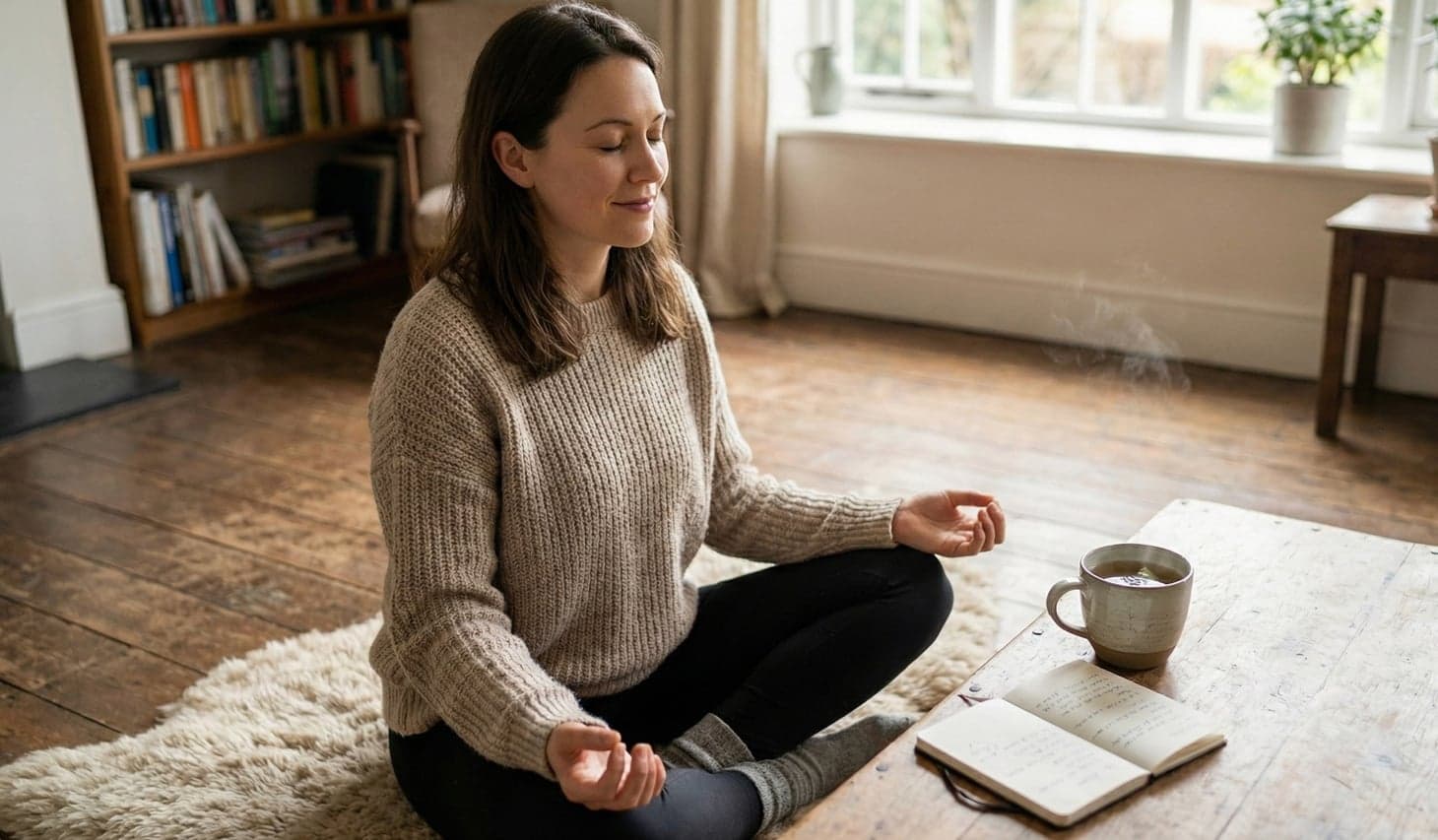
Sarah Chen opened her phone forty-seven times during her daughter's soccer game. Text threads. Email previews. Calendar pings. A notification from Calm interrupted the pattern. She tapped it. Twelve minutes of guided breathing. Phone stayed in her pocket for the rest of the match. That was three months ago.
Modern American life fragments attention into smaller pieces every year. Between Slack threads, grocery pickup slots, and the mental load of coordinating everyone's schedule, finding uninterrupted quiet feels impossible. Meditation apps promise relief—structured calm delivered through the device that causes most of the chaos. But do they produce measurable changes in stress response, or just add another wellness subscription to ignore?
What Five Minutes Does to Your Nervous System
Meditation apps solve a fundamental access problem. Traditional meditation required teachers, studios, or dedicated quiet spaces—resources most people lack. Apps like Headspace, Calm, and Insight Timer deliver structured practice during the moments you actually have: the subway commute between Brooklyn and Midtown, lunch break in your parked car, those restless minutes before sleep when tomorrow's tasks loop endlessly.
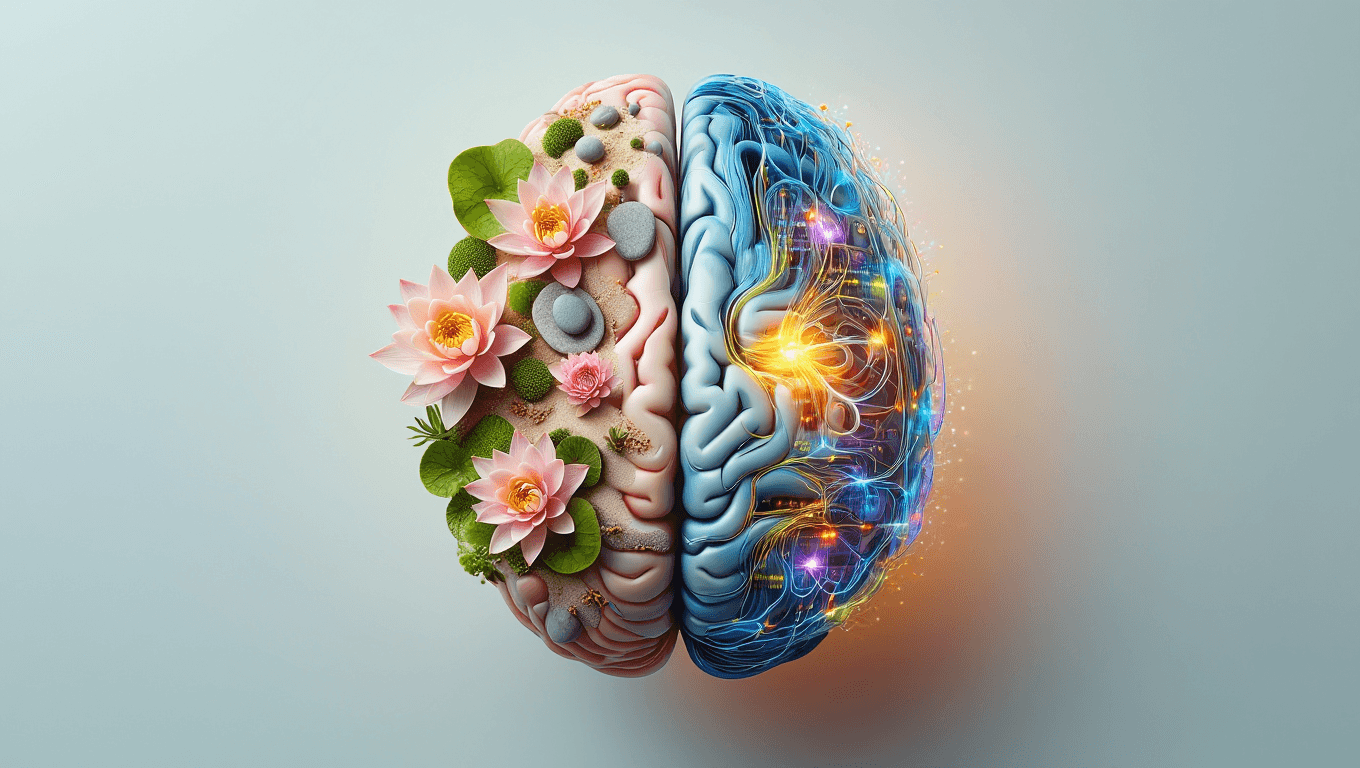
Think of these apps as personal trainers for your autonomic nervous system. A fitness coach guides you through specific movements to build strength. Meditation apps walk you through attention exercises that help regulate your body's stress response. When you follow a guided session, you activate your parasympathetic nervous system—the biological system that signals safety and rest. This produces measurable physiological changes, including reduced cortisol levels.
A large workplace trial involving 1,458 employees found that participants using ten-minute daily digital meditation for eight weeks reduced their perceived stress scores by an average of 5.84 points, compared to 1.45 points for the control group. The effect size was substantial—Cohen's d of approximately 0.85. That translates to the difference between canceling dinner plans twice a month versus attending everything. Eight weeks of daily practice restructures how your amygdala responds to stress triggers—documented in fMRI studies at Massachusetts General Hospital.
The Research Base Has Matured
Early studies asked whether meditation works at all. Recent trials investigate how effectively apps deliver meditation's documented benefits. A meta-analysis pooling data from forty-five randomized controlled trials—covering approximately 5,852 participants for depression outcomes and 6,082 for anxiety—found statistically significant effects. Depression scores decreased by 0.24 standard deviations. Anxiety dropped by 0.28 standard deviations. In practice: fewer panic attacks per month, falling asleep nine minutes faster on average, less emotional reactivity during difficult conversations.
Sleep improvement emerges as the most commonly reported benefit. Apps offering bedtime-specific programs quiet the mental rehearsal that keeps people awake—replaying work conversations, planning tomorrow's logistics, worrying about things outside your control. The mechanism is simple. Your body learns relaxation as a repeatable pattern.
Guided sleep meditations systematically reduce physiological arousal: heart rate slows by eight to twelve beats per minute, muscle tension decreases, breath deepens. Your nervous system interprets these signals as safety, making it easier to transition into sleep. Users consistently report faster sleep onset within the first week of regular evening practice. One workplace trial using Calm found significant improvements across multiple sleep measures—reduced insomnia symptoms, decreased daytime sleepiness, better overall sleep quality—with small to medium effect sizes maintained at eight weeks.
Choosing an App That Matches Your Actual Schedule
App | Best For | Key Feature | Annual Cost |
|---|---|---|---|
Headspace | Evidence-focused users who need scientific credibility | Research partnerships with UCLA; detailed practice metrics | $70 |
Calm | Visual learners influenced by aesthetics | High-quality nature imagery; adult sleep stories | $70 |
Insight Timer | Diverse needs; accessibility requirements | Largest free library; varied teaching approaches | Free (premium $60) |
For People Who Need to See the Data
If you're skeptical about wellness claims and want to understand the science before committing, look for apps that cite research within their programs. Headspace collaborates with UCLA researchers and provides detailed statistics on your meditation patterns—minutes practiced, consecutive days, session types completed. A comparative effectiveness trial involving 2,079 adults seeking psychiatric services found that Headspace produced depression score decreases of approximately 2.1 to 2.9 points at six weeks—comparable to other digital interventions tested.
For People with Fragmented Schedules
Prioritize apps with strong accessibility features—adjustable audio speeds, text-only options, and sessions designed for different cognitive styles. Insight Timer offers the largest free library and widest variety of teaching approaches. The variety matters. Different meditation techniques work better for different people. Some respond to breath-focused attention training, others to compassion-based practices, still others to movement-integrated approaches. Access to diverse teachers increases the likelihood of finding an approach that clicks.
Making Practice Stick When Life Gets Chaotic
Digital mindfulness is not therapy. This distinction matters more than marketing materials acknowledge. While apps can significantly reduce everyday stress and improve emotional regulation, they are not substitutes for clinical mental health treatment. If you're experiencing severe anxiety, depression, trauma symptoms, or thoughts of self-harm, a meditation app should complement professional care—not replace it. Think of apps as preventive maintenance for mental health, similar to how regular exercise prevents certain health issues but doesn't treat acute illness. Apps work best as one component of overall mental wellness, not as standalone solutions to serious psychological challenges.
Approximately sixty percent of meditation app users abandon practice within three months. The users who sustain practice share common patterns:
Start absurdly small. Five minutes feels manageable even on your worst day in the Target parking lot managing three kids. Apps promote ten- or twenty-minute programs, but beginning with the shortest sessions builds the habit infrastructure before expanding practice.
Link to existing routines. Attach meditation to something you already do reliably: right after your morning coffee, during lunch break, before checking evening email. This habit stacking dramatically increases adherence.
Reframe what success means. Noticing your mind has wandered isn't failure. It's the actual practice. You're not trying to empty your mind. You're training your ability to notice distraction and redirect attention.
The workplace trial that followed employees for eight weeks found that stress reduction benefits persisted at four-month follow-up, with effect sizes remaining substantial—Cohen's d approximately 0.71. Participants practicing five to ten minutes daily showed greater stress reduction than those practicing less than five minutes. Consistency mattered more than session length.
The Real Return on Investment
Most meditation apps cost sixty to seventy dollars annually—roughly the price of one therapy copay or five specialty coffee drinks monthly. From a purely economic standpoint, if regular use reduces stress-related health issues or adds twenty-three minutes of quality sleep per night, the return appears favorable.
But the calculation extends beyond dollars. Consider cumulative effects over six months: twelve fewer tension headaches, stronger immune response during flu season, improved patience during family conflict, sharper decision-making under pressure. These compound benefits show up consistently in long-term users' experiences.
The effectiveness depends entirely on consistent use. These apps are well-designed, evidence-supported tools that work when you use them regularly. They sit unused when they compete with everything else demanding your attention. The most effective app is the one you'll open tomorrow.
The future likely involves greater personalization. Emerging apps are beginning to use biometric data—heart rate variability tracked through your Apple Watch, sleep patterns from your Fitbit—to suggest optimal meditation timing and techniques. This moves digital mindfulness closer to truly individualized mental health support, adapting to your body's actual stress patterns rather than following generic programs.
For now, the opportunity is simpler. If stress feels unmanageable and traditional stress-reduction approaches haven't connected, a meditation app offers a low-risk, evidence-supported starting point. Start there.