
Wanture.

Decide better.

Live better.

Stay Curious. Stay Wanture.

© 2026 Wanture. All rights reserved.

  • Terms of Use
  • Privacy Policy
Health/Mental
Your gut bacteria might be fueling your anxiety

New research reveals how high-fat diets reshape your microbiome—and your mental state

12 November 2025

—

Explainer

Sofia Ramirez
banner

Scientists have discovered a surprising link between what you eat and how you feel: a high-fat diet doesn't just add pounds—it fundamentally alters gut bacteria, triggering chemical signals that travel to your brain and amplify anxiety. This groundbreaking mouse study reveals how the gut-brain axis works, why 35-40% of Americans with obesity face higher anxiety risk, and what reversing these changes might mean for mental health treatment.

526610dc-fe58-4fe5-8e58-5ce56cd89e80

Summary:

  • High-fat diets may trigger anxiety by altering gut bacteria, reshaping brain's stress circuits in mice study
  • Obesity linked to 1.1-1.5x higher anxiety risk, with gut microbiome playing key communication role
  • Research suggests nutrition could directly influence emotional well-being through gut-brain axis connections

Imagine your gut as a second brain—one that doesn't think in words, but speaks in chemical signals that travel straight to your head. New research suggests this conversation between belly and mind might explain why carrying extra weight doesn't just strain your knees, but can also fill your thoughts with worry. Scientists studying mice have uncovered fresh evidence that a high-fat diet triggers anxiety through a surprising route: by reshaping the community of bacteria living in the intestines, which in turn alters how the brain processes fear and stress.

What Links Extra Weight and Anxious Thoughts

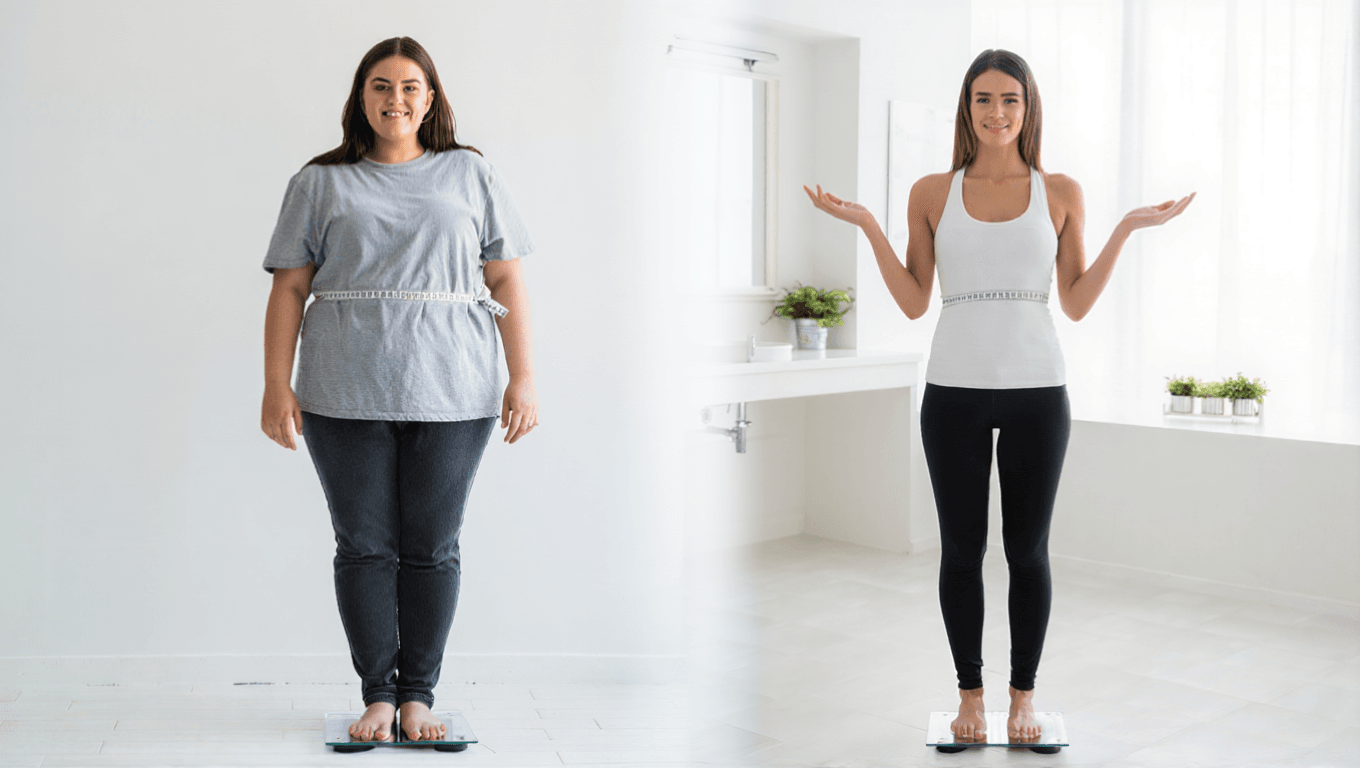
The connection between obesity and anxiety isn't new to researchers, but the how has remained murky. In the United States, where approximately 35–40% of adults live with obesity and about 19% have been diagnosed with an anxiety disorder, understanding this relationship matters deeply. Meta-analyses of human populations show that people with overweight or obesity face 1.1 to 1.5 times higher odds of experiencing anxiety symptoms compared to those at normal weight—a modest but consistent pattern that hints at biological mechanisms beyond simple stress about body image.

The key player in this story is the gut-brain axis—a two-way communication highway connecting your digestive system to your central nervous system. Think of it as a fiber-optic cable made of nerves, hormones, and immune signals, with your gut microbiome—the trillions of bacteria living in your intestines—acting as the switchboard operator. When the composition of these bacteria shifts, the messages they send upward can change too, influencing mood, cognition, and emotional responses in ways scientists are only beginning to map.

How the Experiment Unfolded

To test whether diet-induced obesity directly triggers anxiety through gut changes, researchers designed a 15-week study using male mice in adolescence and early adulthood. One group received a low-fat diet, while the other ate a high-fat diet mimicking the kind of eating pattern common in Western countries—rich in saturated fats, low in fiber and diverse nutrients.

What the Scientists Measured

At the study's end, the team assessed three critical dimensions: body composition (weight and fat volume), behavior patterns (using tests designed to reveal anxiety-like responses), and the makeup of the intestinal microbiome. They also examined brain tissue, focusing on the hypothalamus—a walnut-sized region that serves as the body's control center for metabolism, stress hormones, and fear responses.

Mice on High-Fat Diets Showed Heightened Anxiety

The results painted a clear picture. Mice that consumed the high-fat diet gained significantly more weight and displayed measurably higher anxiety levels during behavioral tests. One telltale sign was increased "freezing" behavior—a response where an animal suddenly stops moving when it perceives potential danger, even when no real threat exists. In rodent research, this freezing is a validated marker of anxiety, similar to the hypervigilance humans experience when constantly on edge.

Changes Deep in the Brain's Stress Center

Brain analysis revealed that the hypothalamus in obese mice showed altered patterns of neuronal signaling compared to their lean counterparts. These changes occurred in circuits that regulate both metabolic function and emotional responses—suggesting that the same brain regions managing energy balance also influence how the body processes fear and worry.

The Microbiome's Role in the Story

Perhaps most intriguing was the difference in gut bacteria composition between the two groups. The high-fat diet didn't just add pounds—it fundamentally reshaped the microbial ecosystem in the intestines. This shift matters because gut bacteria produce metabolites like short-chain fatty acids (SCFAs), which can cross into the bloodstream and influence inflammation levels, immune responses, and even the production of neurotransmitters that affect mood.

U.S. clinical research supports this mechanism in humans. The ENGAGE-2 trial, a mechanistic study involving adults with both obesity and depression, found that changes in fecal short-chain fatty acids and inflammatory markers correlated with changes in depression and anxiety scores. The pathway appears to work like this: diet alters gut bacteria → bacteria produce different metabolites → these metabolites trigger inflammation and affect signaling along the vagus nerve (the main communication cable between gut and brain) → the hypothalamus and other brain regions respond by adjusting stress and fear circuits.

What This Means for People

Translating findings from mice to humans requires caution—rodents aren't just small people with tails. But the biological pathways identified in this study exist in human bodies too, and the statistical associations in population studies align with what the lab research predicts. The implication isn't that everyone with obesity will develop anxiety, or that anxiety is simply a matter of diet. Mental health is complex, shaped by genetics, life experiences, social factors, and brain chemistry in ways that extend far beyond the gut.

What this research does suggest is that nutrition may play a more direct role in emotional well-being than previously understood. For Americans navigating both weight management and mental health challenges, this opens a new angle: supporting a diverse, healthy gut microbiome through balanced eating might offer benefits that reach beyond physical health. Several U.S. randomized trials testing multi-strain probiotic supplements have shown modest reductions in self-reported anxiety and improved mood scores over 4–6 weeks—early signals that intentionally supporting gut bacteria could be part of a broader wellness strategy.

The Path Forward: Questions Still to Answer

The research team plans to expand their work in several directions. First, they want to determine whether anxiety symptoms reverse when mice return to a balanced diet and lose weight—a critical question for understanding whether these changes are permanent or reversible. U.S. integrated behavioral programs like I-CARE and ENGAGE, which combine depression treatment with behavioral weight-loss interventions, have shown modest improvements in both weight and mood, suggesting that addressing both dimensions together may be more effective than tackling either alone.

Second, the scientists intend to include female mice and animals of different ages in future studies. Research in youth and during pregnancy has shown that the obesity-anxiety link can vary by life stage and sex, with some studies finding weaker associations in younger populations, though body dissatisfaction and low self-esteem show stronger connections across ages.

Finally, researchers hope to identify specific bacterial strains or metabolites that most strongly influence anxiety pathways. If certain gut bacteria consistently correlate with reduced anxiety, future interventions might target those species through personalized nutrition or next-generation probiotics designed for mental health support.

Understanding how food, body weight, gut bacteria, and mental state interconnect could reshape preventive health strategies—moving from treating anxiety and obesity as separate problems to recognizing them as potentially linked through the body's biological communication systems. For now, the science reminds us that what we eat doesn't just fuel our bodies—it may also shape our emotional well-being.


Topic

Microbioma y Salud Mental

Your gut bacteria control 90% of your serotonin

15 December 2025

Your food choices rewire your brain chemistry

15 December 2025

Your gut bacteria are manufacturing your mood

3 November 2025

What is this about?

  • Explainer/
  • Sofia Ramirez/
  • Health/
  • Mental

Feed

    article

    James Whitmoreabout 11 hours ago

    Google Workspace Icon Redesign: From Flat Color Blocks to Gradient‑Rich, Rounded Designs

    Google replaced its 2020 four‑color Workspace icons with gradient‑rich, rounded versions. The redesign cut misclicks, eased app recognition, and underscored the importance of usability over strict brand uniformity.

    Renée Itoabout 12 hours ago

    Apple to unveil iOS 27 with standalone Siri app at WWDC on June 8

    Update brings satellite connectivity, ChatGPT-style interface, and developer extensions

    Carter Brooksabout 18 hours ago

    iPhone 18 Pro to Launch iOS 27 Camera with f/1.5‑f/2.8 Aperture

    iOS 27 adds a “Siri” visual‑AI mode as Apple readies iPhone 18 Pro for fall

    Carter Brooks4 days ago

    Therapist vs Counselor: Which Fits Your Needs?

    Licenses, Training Hours, and Treatment Options Compared (2024‑2025 Data)

    Caleb Brooks4 days ago

    Ask YouTube Launches March 15, 2026 for Premium Users

    On March 15, 2026, YouTube introduced Ask YouTube, an AI‑driven chat that lets U.S. Premium subscribers ask questions and receive synthesized video‑based answers. The tool promises a conversational search experience, yet early tests revealed factual slips, such as a wrong claim about the Steam controller’s joysticks, highlighting the need for users to verify information before acting.

    Ask YouTube Launches March 15, 2026 for Premium Users
    Carter Brooks6 days ago

    Samsung unveils Galaxy Z Fold 8 Wide with magnets

    Leaked images released by insider Sonny Dixon reveal Samsung’s upcoming Galaxy Z Fold 8 lineup, including a new Z Fold 8 Wide with integrated chassis magnets and a simplified two-camera rear array. The wide model aims to lower costs while keeping tablet-size screens, targeting buyers priced out of premium foldables ahead of an August 2026 launch.

    Samsung unveils Galaxy Z Fold 8 Wide with magnets
    Carter Brooks6 days ago

    Samsung launches Jinju smart glasses in 2026

    Samsung’s first smart glasses, code‑named Jinju, debut in 2026 as a voice‑assistant and photo‑capture device. They use a Qualcomm Snapdragon AR1 chip, Sony IMX681 12MP camera, 155 mAh battery, and bone‑conduction speakers, with no display. The battery lasts a few hours; sustained tasks may throttle. Samsung will unveil Jinju in 2026, targeting the Russian market where Meta glasses are unavailable.

    Samsung launches Jinju smart glasses in 2026
    Priya Desai6 days ago

    Sony Adds 30‑Day Online Checks for PlayStation 4 & PS5

    Starting April 2026, Sony’s PlayStation 4 and PS5 will require each digital title purchased after March 2026 to verify its license with Sony’s servers at least once every 30 days. Missing the online ping renders the game unplayable until the console reconnects, while disc copies and pre‑March downloads remain unaffected. Users should plan a monthly check to keep libraries active.

    Sony Adds 30‑Day Online Checks for PlayStation 4 & PS5
    Carter Brooks6 days ago

    Boost Your Healthspan: 1‑MET Gains Cut Mortality by 11–17%

    Why a 5–7 MET boost (16–25 ml·kg⁻¹·min⁻¹) narrows smoker‑level death risk

    Sarah Lindgren6 days ago
    Loading...
Health/Mental

Your gut bacteria might be fueling your anxiety

New research reveals how high-fat diets reshape your microbiome—and your mental state

November 12, 2025, 1:36 pm

Scientists have discovered a surprising link between what you eat and how you feel: a high-fat diet doesn't just add pounds—it fundamentally alters gut bacteria, triggering chemical signals that travel to your brain and amplify anxiety. This groundbreaking mouse study reveals how the gut-brain axis works, why 35-40% of Americans with obesity face higher anxiety risk, and what reversing these changes might mean for mental health treatment.

526610dc-fe58-4fe5-8e58-5ce56cd89e80

Summary

  • High-fat diets may trigger anxiety by altering gut bacteria, reshaping brain's stress circuits in mice study
  • Obesity linked to 1.1-1.5x higher anxiety risk, with gut microbiome playing key communication role
  • Research suggests nutrition could directly influence emotional well-being through gut-brain axis connections

Imagine your gut as a second brain—one that doesn't think in words, but speaks in chemical signals that travel straight to your head. New research suggests this conversation between belly and mind might explain why carrying extra weight doesn't just strain your knees, but can also fill your thoughts with worry. Scientists studying mice have uncovered fresh evidence that a high-fat diet triggers anxiety through a surprising route: by reshaping the community of bacteria living in the intestines, which in turn alters how the brain processes fear and stress.

What Links Extra Weight and Anxious Thoughts

The connection between obesity and anxiety isn't new to researchers, but the how has remained murky. In the United States, where approximately 35–40% of adults live with obesity and about 19% have been diagnosed with an anxiety disorder, understanding this relationship matters deeply. Meta-analyses of human populations show that people with overweight or obesity face 1.1 to 1.5 times higher odds of experiencing anxiety symptoms compared to those at normal weight—a modest but consistent pattern that hints at biological mechanisms beyond simple stress about body image.

The key player in this story is the gut-brain axis—a two-way communication highway connecting your digestive system to your central nervous system. Think of it as a fiber-optic cable made of nerves, hormones, and immune signals, with your gut microbiome—the trillions of bacteria living in your intestines—acting as the switchboard operator. When the composition of these bacteria shifts, the messages they send upward can change too, influencing mood, cognition, and emotional responses in ways scientists are only beginning to map.

How the Experiment Unfolded

To test whether diet-induced obesity directly triggers anxiety through gut changes, researchers designed a 15-week study using male mice in adolescence and early adulthood. One group received a low-fat diet, while the other ate a high-fat diet mimicking the kind of eating pattern common in Western countries—rich in saturated fats, low in fiber and diverse nutrients.

What the Scientists Measured

At the study's end, the team assessed three critical dimensions: body composition (weight and fat volume), behavior patterns (using tests designed to reveal anxiety-like responses), and the makeup of the intestinal microbiome. They also examined brain tissue, focusing on the hypothalamus—a walnut-sized region that serves as the body's control center for metabolism, stress hormones, and fear responses.

Mice on High-Fat Diets Showed Heightened Anxiety

The results painted a clear picture. Mice that consumed the high-fat diet gained significantly more weight and displayed measurably higher anxiety levels during behavioral tests. One telltale sign was increased "freezing" behavior—a response where an animal suddenly stops moving when it perceives potential danger, even when no real threat exists. In rodent research, this freezing is a validated marker of anxiety, similar to the hypervigilance humans experience when constantly on edge.

Changes Deep in the Brain's Stress Center

Brain analysis revealed that the hypothalamus in obese mice showed altered patterns of neuronal signaling compared to their lean counterparts. These changes occurred in circuits that regulate both metabolic function and emotional responses—suggesting that the same brain regions managing energy balance also influence how the body processes fear and worry.

The Microbiome's Role in the Story

Perhaps most intriguing was the difference in gut bacteria composition between the two groups. The high-fat diet didn't just add pounds—it fundamentally reshaped the microbial ecosystem in the intestines. This shift matters because gut bacteria produce metabolites like short-chain fatty acids (SCFAs), which can cross into the bloodstream and influence inflammation levels, immune responses, and even the production of neurotransmitters that affect mood.

U.S. clinical research supports this mechanism in humans. The ENGAGE-2 trial, a mechanistic study involving adults with both obesity and depression, found that changes in fecal short-chain fatty acids and inflammatory markers correlated with changes in depression and anxiety scores. The pathway appears to work like this: diet alters gut bacteria → bacteria produce different metabolites → these metabolites trigger inflammation and affect signaling along the vagus nerve (the main communication cable between gut and brain) → the hypothalamus and other brain regions respond by adjusting stress and fear circuits.

What This Means for People

Translating findings from mice to humans requires caution—rodents aren't just small people with tails. But the biological pathways identified in this study exist in human bodies too, and the statistical associations in population studies align with what the lab research predicts. The implication isn't that everyone with obesity will develop anxiety, or that anxiety is simply a matter of diet. Mental health is complex, shaped by genetics, life experiences, social factors, and brain chemistry in ways that extend far beyond the gut.

What this research does suggest is that nutrition may play a more direct role in emotional well-being than previously understood. For Americans navigating both weight management and mental health challenges, this opens a new angle: supporting a diverse, healthy gut microbiome through balanced eating might offer benefits that reach beyond physical health. Several U.S. randomized trials testing multi-strain probiotic supplements have shown modest reductions in self-reported anxiety and improved mood scores over 4–6 weeks—early signals that intentionally supporting gut bacteria could be part of a broader wellness strategy.

The Path Forward: Questions Still to Answer

The research team plans to expand their work in several directions. First, they want to determine whether anxiety symptoms reverse when mice return to a balanced diet and lose weight—a critical question for understanding whether these changes are permanent or reversible. U.S. integrated behavioral programs like I-CARE and ENGAGE, which combine depression treatment with behavioral weight-loss interventions, have shown modest improvements in both weight and mood, suggesting that addressing both dimensions together may be more effective than tackling either alone.

Second, the scientists intend to include female mice and animals of different ages in future studies. Research in youth and during pregnancy has shown that the obesity-anxiety link can vary by life stage and sex, with some studies finding weaker associations in younger populations, though body dissatisfaction and low self-esteem show stronger connections across ages.

Finally, researchers hope to identify specific bacterial strains or metabolites that most strongly influence anxiety pathways. If certain gut bacteria consistently correlate with reduced anxiety, future interventions might target those species through personalized nutrition or next-generation probiotics designed for mental health support.

Understanding how food, body weight, gut bacteria, and mental state interconnect could reshape preventive health strategies—moving from treating anxiety and obesity as separate problems to recognizing them as potentially linked through the body's biological communication systems. For now, the science reminds us that what we eat doesn't just fuel our bodies—it may also shape our emotional well-being.

Topic

Microbioma y Salud Mental

Your gut bacteria control 90% of your serotonin

15 December 2025

Your food choices rewire your brain chemistry

15 December 2025

Your gut bacteria are manufacturing your mood

3 November 2025

What is this about?

  • Explainer/
  • Sofia Ramirez/
  • Health/
  • Mental

Feed

    article

    James Whitmoreabout 11 hours ago

    Google Workspace Icon Redesign: From Flat Color Blocks to Gradient‑Rich, Rounded Designs

    Google replaced its 2020 four‑color Workspace icons with gradient‑rich, rounded versions. The redesign cut misclicks, eased app recognition, and underscored the importance of usability over strict brand uniformity.

    Renée Itoabout 12 hours ago

    Apple to unveil iOS 27 with standalone Siri app at WWDC on June 8

    Update brings satellite connectivity, ChatGPT-style interface, and developer extensions

    Carter Brooksabout 18 hours ago

    iPhone 18 Pro to Launch iOS 27 Camera with f/1.5‑f/2.8 Aperture

    iOS 27 adds a “Siri” visual‑AI mode as Apple readies iPhone 18 Pro for fall

    Carter Brooks4 days ago

    Therapist vs Counselor: Which Fits Your Needs?

    Licenses, Training Hours, and Treatment Options Compared (2024‑2025 Data)

    Caleb Brooks4 days ago

    Ask YouTube Launches March 15, 2026 for Premium Users

    On March 15, 2026, YouTube introduced Ask YouTube, an AI‑driven chat that lets U.S. Premium subscribers ask questions and receive synthesized video‑based answers. The tool promises a conversational search experience, yet early tests revealed factual slips, such as a wrong claim about the Steam controller’s joysticks, highlighting the need for users to verify information before acting.

    Ask YouTube Launches March 15, 2026 for Premium Users
    Carter Brooks6 days ago

    Samsung unveils Galaxy Z Fold 8 Wide with magnets

    Leaked images released by insider Sonny Dixon reveal Samsung’s upcoming Galaxy Z Fold 8 lineup, including a new Z Fold 8 Wide with integrated chassis magnets and a simplified two-camera rear array. The wide model aims to lower costs while keeping tablet-size screens, targeting buyers priced out of premium foldables ahead of an August 2026 launch.

    Samsung unveils Galaxy Z Fold 8 Wide with magnets
    Carter Brooks6 days ago

    Samsung launches Jinju smart glasses in 2026

    Samsung’s first smart glasses, code‑named Jinju, debut in 2026 as a voice‑assistant and photo‑capture device. They use a Qualcomm Snapdragon AR1 chip, Sony IMX681 12MP camera, 155 mAh battery, and bone‑conduction speakers, with no display. The battery lasts a few hours; sustained tasks may throttle. Samsung will unveil Jinju in 2026, targeting the Russian market where Meta glasses are unavailable.

    Samsung launches Jinju smart glasses in 2026
    Priya Desai6 days ago

    Sony Adds 30‑Day Online Checks for PlayStation 4 & PS5

    Starting April 2026, Sony’s PlayStation 4 and PS5 will require each digital title purchased after March 2026 to verify its license with Sony’s servers at least once every 30 days. Missing the online ping renders the game unplayable until the console reconnects, while disc copies and pre‑March downloads remain unaffected. Users should plan a monthly check to keep libraries active.

    Sony Adds 30‑Day Online Checks for PlayStation 4 & PS5
    Carter Brooks6 days ago

    Boost Your Healthspan: 1‑MET Gains Cut Mortality by 11–17%

    Why a 5–7 MET boost (16–25 ml·kg⁻¹·min⁻¹) narrows smoker‑level death risk

    Sarah Lindgren6 days ago
    Loading...
banner