
Wanture.

Decide better.

Live better.

Stay Curious. Stay Wanture.

© 2026 Wanture. All rights reserved.

  • Terms of Use
  • Privacy Policy
Health/Mental
Your gut bacteria are manufacturing your mood

How trillions of microbes produce serotonin, dopamine, and the molecules that shape your mental health

3 November 2025

—

Explainer

Sofia Ramirez
banner

About 90% of your body's serotonin is made in your intestines, not your brain — and the bacteria living there control the production. This isn't just about digestion: your microbiome influences anxiety, depression, inflammation, and even autoimmune conditions through a constant biochemical conversation with your brain. Understand how fiber, fermented foods, and microbial diversity reshape your mental wellness from the inside out.

0c23e104-3271-4327-94bd-c54bcb031bf4

Summary:

  • Gut bacteria produce neurotransmitters like serotonin and GABA that directly influence mood and mental health
  • Modern lifestyle disrupts gut microbiome through antibiotics, stress, poor diet, and sleep deprivation
  • Probiotic and prebiotic foods can support gut health and improve emotional well-being

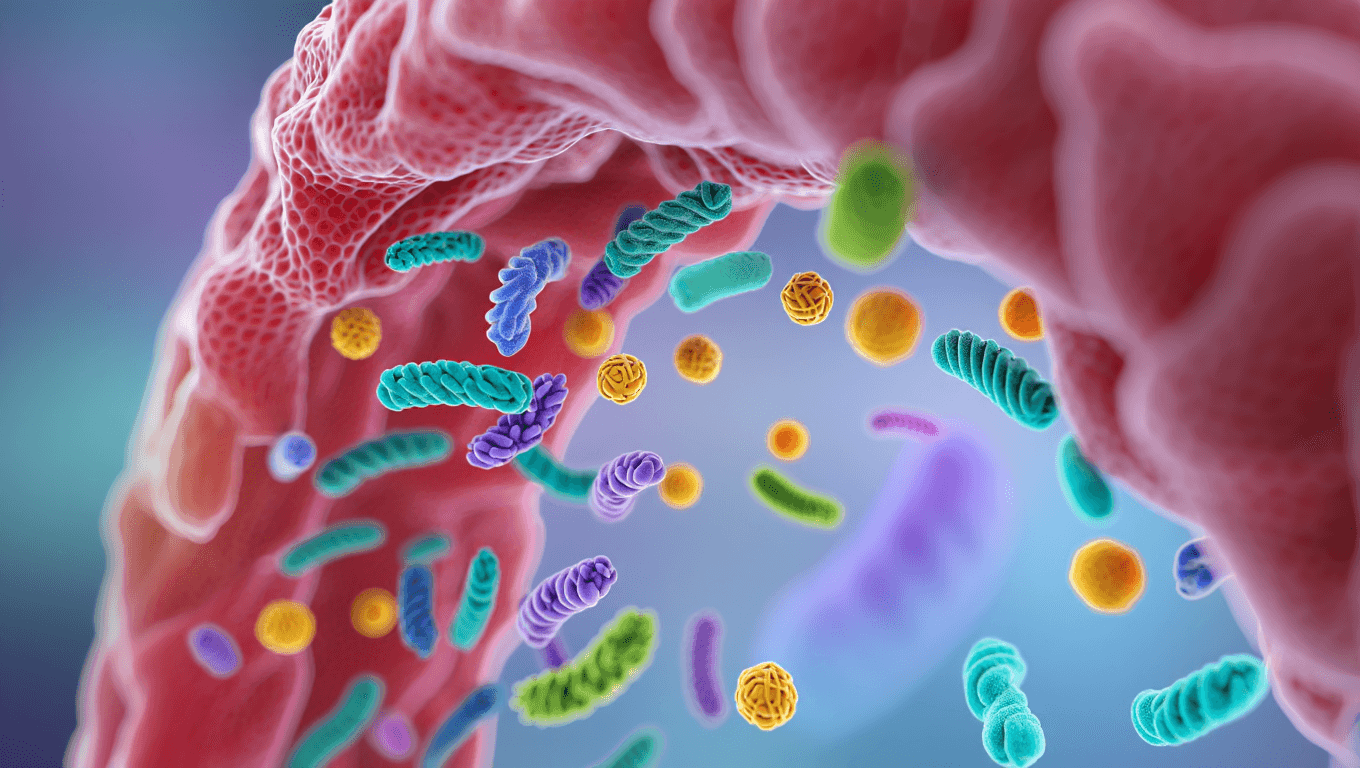
Think of your gut as a second brain—not metaphorically, but biochemically. The trillions of bacteria living in your digestive system aren't just breaking down last night's dinner. They're actively producing neurotransmitters that shape your emotions, stress responses, and mental clarity. This invisible ecosystem, called the gut microbiome, operates like a chemical factory with a direct hotline to your brain.

Scientists call this connection the gut-brain axis, and it's rewriting what we know about mental health. Your mood swings, anxiety levels, and even motivation might have less to do with your thoughts and more to do with the microscopic tenants in your intestines.

What the gut-brain axis actually does

The gut-brain axis is a two-way communication highway linking your digestive system to your central nervous system. It operates through three main channels: the vagus nerve (a physical nerve running from your gut to your brain), immune system signals, and the bloodstream carrying bacterial byproducts.

Your gut bacteria produce about 90% of your body's serotonin—the neurotransmitter often called the "happiness chemical." They also manufacture GABA (which calms anxiety), dopamine (which drives motivation), and short-chain fatty acids that reduce brain inflammation. When you feel butterflies before a presentation or lose your appetite during stress, that's your gut and brain talking in real time.

Here's the catch: this system only works when your microbiome is balanced. An unhealthy gut can't produce enough mood-regulating chemicals, no matter how positive your mindset.

How bacteria manufacture your emotions

Different bacterial strains produce different neurochemicals, like specialized workers in a factory. Lactobacillus and Bifidobacterium species are particularly skilled at making GABA and serotonin. When these populations thrive, they send calming signals to your brain. When they're depleted—say, after a round of antibiotics or weeks of fast food—production drops.

A 2019 study from UCLA tracked 40 women who ate probiotic-rich yogurt daily for four weeks. Brain scans showed reduced activity in regions processing negative emotions compared to a control group. The yogurt didn't change their life circumstances; it changed their bacterial chemistry, which changed their brain activity.

Think of it like this: if your gut bacteria were a band, serotonin and GABA are the songs they play. Feed them the right nutrients (their "instruments"), and you get harmonious output. Starve them or flood them with sugar and processed foods, and the music turns chaotic.

What disrupts the gut-mood connection

Modern life is uniquely harsh on gut bacteria. Antibiotics wipe out beneficial strains along with harmful ones. Chronic stress triggers inflammation that damages the gut lining, letting bacterial toxins leak into the bloodstream—a condition called "leaky gut." Diets high in sugar and low in fiber starve the bacteria that produce mood-stabilizing chemicals.

Even sleep deprivation matters. A 2020 study from King's College London found that people sleeping fewer than six hours nightly had significantly less microbial diversity, correlating with higher anxiety scores. The bacteria need circadian rhythms to function properly, just like you do.

"We used to think depression was purely a brain disorder. Now we're finding that in many cases, it starts in the gut."—Dr. Emeran Mayer, UCLA gastroenterologist and author of The Mind-Gut Connection

Artificial sweeteners, surprisingly, also disrupt the microbiome. Research from Weizmann Institute showed that saccharin and sucralose alter bacterial populations in ways that increase glucose intolerance and mood instability—the opposite of their intended health benefits.

How to support your gut's mood-making machinery

Feeding your microbiome is more effective than most people realize. The bacteria that produce serotonin and GABA thrive on specific nutrients, and you can deliberately cultivate them through diet.

Probiotic-rich foods

These contain live beneficial bacteria. Think of them as reinforcements for your gut's workforce:

  • Yogurt with live cultures (check labels for Lactobacillus strains)
  • Kefir—a fermented milk drink with 10–30 times more bacterial strains than yogurt
  • Sauerkraut and kimchi—fermented vegetables packed with Lactobacillus plantarum
  • Kombucha—fermented tea (watch sugar content in commercial brands)

Prebiotic foods

These are fibers that feed existing bacteria, helping them multiply and produce more neurotransmitters:

  • Garlic and onions—contain inulin, a favorite food of Bifidobacterium
  • Bananas (especially slightly green ones)—rich in resistant starch
  • Oats and barley—provide beta-glucan fiber
  • Asparagus and artichokes—high in prebiotic compounds

A practical approach: aim for 30 different plant foods per week. A 2018 study from the American Gut Project found this diversity threshold significantly increased beneficial bacterial populations compared to eating fewer than 10 plant types weekly.

Lifestyle factors

Exercise increases microbial diversity within weeks. Even moderate activity like 30-minute walks five times weekly shifts bacterial populations toward mood-supporting strains. Stress management matters too—meditation and deep breathing reduce cortisol, which otherwise damages gut lining.

What this means for mental health in America

The gut-brain connection offers a tangible, accessible entry point for mental wellness. In a country where one in five adults experiences mental illness annually (according to NIMH data), and where therapy and medication aren't always accessible or affordable, dietary intervention provides an evidence-based tool anyone can use.

This doesn't replace professional mental health care—severe depression and anxiety disorders require comprehensive treatment. But for the millions experiencing subclinical mood issues, brain fog, or stress-related symptoms, gut health offers a scientifically validated starting point.

Urban professionals in cities like San Francisco and New York are already experimenting with "psychobiotic" supplements—probiotics specifically formulated for mental health. Meanwhile, telehealth platforms are beginning to integrate gut health assessments into mental wellness programs, recognizing that a prescription for therapy might work better alongside a prescription for sauerkraut.

The research is still evolving, but the core principle is clear: your gut bacteria are active partners in your emotional life. Feed them well, and they'll return the favor in neurotransmitters. Neglect them, and even the best coping strategies might fall short. Your mood isn't just in your head—it's in your gut, too.

Topic

Microbioma y Salud Mental

Your gut bacteria control 90% of your serotonin

15 December 2025

Your food choices rewire your brain chemistry

15 December 2025

Your gut bacteria might be fueling your anxiety

12 November 2025

What is this about?

  • Explainer/
  • Sofia Ramirez/
  • Health/
  • Mental

Feed

    article

    James Whitmoreabout 12 hours ago

    Google Workspace Icon Redesign: From Flat Color Blocks to Gradient‑Rich, Rounded Designs

    Google replaced its 2020 four‑color Workspace icons with gradient‑rich, rounded versions. The redesign cut misclicks, eased app recognition, and underscored the importance of usability over strict brand uniformity.

    Renée Itoabout 13 hours ago

    Apple to unveil iOS 27 with standalone Siri app at WWDC on June 8

    Update brings satellite connectivity, ChatGPT-style interface, and developer extensions

    Carter Brooksabout 19 hours ago

    iPhone 18 Pro to Launch iOS 27 Camera with f/1.5‑f/2.8 Aperture

    iOS 27 adds a “Siri” visual‑AI mode as Apple readies iPhone 18 Pro for fall

    Carter Brooks4 days ago

    Therapist vs Counselor: Which Fits Your Needs?

    Licenses, Training Hours, and Treatment Options Compared (2024‑2025 Data)

    Caleb Brooks4 days ago

    Ask YouTube Launches March 15, 2026 for Premium Users

    On March 15, 2026, YouTube introduced Ask YouTube, an AI‑driven chat that lets U.S. Premium subscribers ask questions and receive synthesized video‑based answers. The tool promises a conversational search experience, yet early tests revealed factual slips, such as a wrong claim about the Steam controller’s joysticks, highlighting the need for users to verify information before acting.

    Ask YouTube Launches March 15, 2026 for Premium Users
    Carter Brooks6 days ago

    Samsung unveils Galaxy Z Fold 8 Wide with magnets

    Leaked images released by insider Sonny Dixon reveal Samsung’s upcoming Galaxy Z Fold 8 lineup, including a new Z Fold 8 Wide with integrated chassis magnets and a simplified two-camera rear array. The wide model aims to lower costs while keeping tablet-size screens, targeting buyers priced out of premium foldables ahead of an August 2026 launch.

    Samsung unveils Galaxy Z Fold 8 Wide with magnets
    Carter Brooks6 days ago

    Samsung launches Jinju smart glasses in 2026

    Samsung’s first smart glasses, code‑named Jinju, debut in 2026 as a voice‑assistant and photo‑capture device. They use a Qualcomm Snapdragon AR1 chip, Sony IMX681 12MP camera, 155 mAh battery, and bone‑conduction speakers, with no display. The battery lasts a few hours; sustained tasks may throttle. Samsung will unveil Jinju in 2026, targeting the Russian market where Meta glasses are unavailable.

    Samsung launches Jinju smart glasses in 2026
    Priya Desai6 days ago

    Sony Adds 30‑Day Online Checks for PlayStation 4 & PS5

    Starting April 2026, Sony’s PlayStation 4 and PS5 will require each digital title purchased after March 2026 to verify its license with Sony’s servers at least once every 30 days. Missing the online ping renders the game unplayable until the console reconnects, while disc copies and pre‑March downloads remain unaffected. Users should plan a monthly check to keep libraries active.

    Sony Adds 30‑Day Online Checks for PlayStation 4 & PS5
    Carter Brooks6 days ago

    Boost Your Healthspan: 1‑MET Gains Cut Mortality by 11–17%

    Why a 5–7 MET boost (16–25 ml·kg⁻¹·min⁻¹) narrows smoker‑level death risk

    Sarah Lindgren6 days ago
    Loading...
Health/Mental

Your gut bacteria are manufacturing your mood

How trillions of microbes produce serotonin, dopamine, and the molecules that shape your mental health

November 3, 2025, 5:03 pm

About 90% of your body's serotonin is made in your intestines, not your brain — and the bacteria living there control the production. This isn't just about digestion: your microbiome influences anxiety, depression, inflammation, and even autoimmune conditions through a constant biochemical conversation with your brain. Understand how fiber, fermented foods, and microbial diversity reshape your mental wellness from the inside out.

0c23e104-3271-4327-94bd-c54bcb031bf4

Summary

  • Gut bacteria produce neurotransmitters like serotonin and GABA that directly influence mood and mental health
  • Modern lifestyle disrupts gut microbiome through antibiotics, stress, poor diet, and sleep deprivation
  • Probiotic and prebiotic foods can support gut health and improve emotional well-being

Think of your gut as a second brain—not metaphorically, but biochemically. The trillions of bacteria living in your digestive system aren't just breaking down last night's dinner. They're actively producing neurotransmitters that shape your emotions, stress responses, and mental clarity. This invisible ecosystem, called the gut microbiome, operates like a chemical factory with a direct hotline to your brain.

Scientists call this connection the gut-brain axis, and it's rewriting what we know about mental health. Your mood swings, anxiety levels, and even motivation might have less to do with your thoughts and more to do with the microscopic tenants in your intestines.

What the gut-brain axis actually does

The gut-brain axis is a two-way communication highway linking your digestive system to your central nervous system. It operates through three main channels: the vagus nerve (a physical nerve running from your gut to your brain), immune system signals, and the bloodstream carrying bacterial byproducts.

Your gut bacteria produce about 90% of your body's serotonin—the neurotransmitter often called the "happiness chemical." They also manufacture GABA (which calms anxiety), dopamine (which drives motivation), and short-chain fatty acids that reduce brain inflammation. When you feel butterflies before a presentation or lose your appetite during stress, that's your gut and brain talking in real time.

Here's the catch: this system only works when your microbiome is balanced. An unhealthy gut can't produce enough mood-regulating chemicals, no matter how positive your mindset.

How bacteria manufacture your emotions

Different bacterial strains produce different neurochemicals, like specialized workers in a factory. Lactobacillus and Bifidobacterium species are particularly skilled at making GABA and serotonin. When these populations thrive, they send calming signals to your brain. When they're depleted—say, after a round of antibiotics or weeks of fast food—production drops.

A 2019 study from UCLA tracked 40 women who ate probiotic-rich yogurt daily for four weeks. Brain scans showed reduced activity in regions processing negative emotions compared to a control group. The yogurt didn't change their life circumstances; it changed their bacterial chemistry, which changed their brain activity.

Think of it like this: if your gut bacteria were a band, serotonin and GABA are the songs they play. Feed them the right nutrients (their "instruments"), and you get harmonious output. Starve them or flood them with sugar and processed foods, and the music turns chaotic.

What disrupts the gut-mood connection

Modern life is uniquely harsh on gut bacteria. Antibiotics wipe out beneficial strains along with harmful ones. Chronic stress triggers inflammation that damages the gut lining, letting bacterial toxins leak into the bloodstream—a condition called "leaky gut." Diets high in sugar and low in fiber starve the bacteria that produce mood-stabilizing chemicals.

Even sleep deprivation matters. A 2020 study from King's College London found that people sleeping fewer than six hours nightly had significantly less microbial diversity, correlating with higher anxiety scores. The bacteria need circadian rhythms to function properly, just like you do.

"We used to think depression was purely a brain disorder. Now we're finding that in many cases, it starts in the gut."—Dr. Emeran Mayer, UCLA gastroenterologist and author of The Mind-Gut Connection

Artificial sweeteners, surprisingly, also disrupt the microbiome. Research from Weizmann Institute showed that saccharin and sucralose alter bacterial populations in ways that increase glucose intolerance and mood instability—the opposite of their intended health benefits.

How to support your gut's mood-making machinery

Feeding your microbiome is more effective than most people realize. The bacteria that produce serotonin and GABA thrive on specific nutrients, and you can deliberately cultivate them through diet.

Probiotic-rich foods

These contain live beneficial bacteria. Think of them as reinforcements for your gut's workforce:

  • Yogurt with live cultures (check labels for Lactobacillus strains)
  • Kefir—a fermented milk drink with 10–30 times more bacterial strains than yogurt
  • Sauerkraut and kimchi—fermented vegetables packed with Lactobacillus plantarum
  • Kombucha—fermented tea (watch sugar content in commercial brands)

Prebiotic foods

These are fibers that feed existing bacteria, helping them multiply and produce more neurotransmitters:

  • Garlic and onions—contain inulin, a favorite food of Bifidobacterium
  • Bananas (especially slightly green ones)—rich in resistant starch
  • Oats and barley—provide beta-glucan fiber
  • Asparagus and artichokes—high in prebiotic compounds

A practical approach: aim for 30 different plant foods per week. A 2018 study from the American Gut Project found this diversity threshold significantly increased beneficial bacterial populations compared to eating fewer than 10 plant types weekly.

Lifestyle factors

Exercise increases microbial diversity within weeks. Even moderate activity like 30-minute walks five times weekly shifts bacterial populations toward mood-supporting strains. Stress management matters too—meditation and deep breathing reduce cortisol, which otherwise damages gut lining.

What this means for mental health in America

The gut-brain connection offers a tangible, accessible entry point for mental wellness. In a country where one in five adults experiences mental illness annually (according to NIMH data), and where therapy and medication aren't always accessible or affordable, dietary intervention provides an evidence-based tool anyone can use.

This doesn't replace professional mental health care—severe depression and anxiety disorders require comprehensive treatment. But for the millions experiencing subclinical mood issues, brain fog, or stress-related symptoms, gut health offers a scientifically validated starting point.

Urban professionals in cities like San Francisco and New York are already experimenting with "psychobiotic" supplements—probiotics specifically formulated for mental health. Meanwhile, telehealth platforms are beginning to integrate gut health assessments into mental wellness programs, recognizing that a prescription for therapy might work better alongside a prescription for sauerkraut.

The research is still evolving, but the core principle is clear: your gut bacteria are active partners in your emotional life. Feed them well, and they'll return the favor in neurotransmitters. Neglect them, and even the best coping strategies might fall short. Your mood isn't just in your head—it's in your gut, too.
Topic

Microbioma y Salud Mental

Your gut bacteria control 90% of your serotonin

15 December 2025

Your food choices rewire your brain chemistry

15 December 2025

Your gut bacteria might be fueling your anxiety

12 November 2025

What is this about?

  • Explainer/
  • Sofia Ramirez/
  • Health/
  • Mental

Feed

    article

    James Whitmoreabout 12 hours ago

    Google Workspace Icon Redesign: From Flat Color Blocks to Gradient‑Rich, Rounded Designs

    Google replaced its 2020 four‑color Workspace icons with gradient‑rich, rounded versions. The redesign cut misclicks, eased app recognition, and underscored the importance of usability over strict brand uniformity.

    Renée Itoabout 13 hours ago

    Apple to unveil iOS 27 with standalone Siri app at WWDC on June 8

    Update brings satellite connectivity, ChatGPT-style interface, and developer extensions

    Carter Brooksabout 19 hours ago

    iPhone 18 Pro to Launch iOS 27 Camera with f/1.5‑f/2.8 Aperture

    iOS 27 adds a “Siri” visual‑AI mode as Apple readies iPhone 18 Pro for fall

    Carter Brooks4 days ago

    Therapist vs Counselor: Which Fits Your Needs?

    Licenses, Training Hours, and Treatment Options Compared (2024‑2025 Data)

    Caleb Brooks4 days ago

    Ask YouTube Launches March 15, 2026 for Premium Users

    On March 15, 2026, YouTube introduced Ask YouTube, an AI‑driven chat that lets U.S. Premium subscribers ask questions and receive synthesized video‑based answers. The tool promises a conversational search experience, yet early tests revealed factual slips, such as a wrong claim about the Steam controller’s joysticks, highlighting the need for users to verify information before acting.

    Ask YouTube Launches March 15, 2026 for Premium Users
    Carter Brooks6 days ago

    Samsung unveils Galaxy Z Fold 8 Wide with magnets

    Leaked images released by insider Sonny Dixon reveal Samsung’s upcoming Galaxy Z Fold 8 lineup, including a new Z Fold 8 Wide with integrated chassis magnets and a simplified two-camera rear array. The wide model aims to lower costs while keeping tablet-size screens, targeting buyers priced out of premium foldables ahead of an August 2026 launch.

    Samsung unveils Galaxy Z Fold 8 Wide with magnets
    Carter Brooks6 days ago

    Samsung launches Jinju smart glasses in 2026

    Samsung’s first smart glasses, code‑named Jinju, debut in 2026 as a voice‑assistant and photo‑capture device. They use a Qualcomm Snapdragon AR1 chip, Sony IMX681 12MP camera, 155 mAh battery, and bone‑conduction speakers, with no display. The battery lasts a few hours; sustained tasks may throttle. Samsung will unveil Jinju in 2026, targeting the Russian market where Meta glasses are unavailable.

    Samsung launches Jinju smart glasses in 2026
    Priya Desai6 days ago

    Sony Adds 30‑Day Online Checks for PlayStation 4 & PS5

    Starting April 2026, Sony’s PlayStation 4 and PS5 will require each digital title purchased after March 2026 to verify its license with Sony’s servers at least once every 30 days. Missing the online ping renders the game unplayable until the console reconnects, while disc copies and pre‑March downloads remain unaffected. Users should plan a monthly check to keep libraries active.

    Sony Adds 30‑Day Online Checks for PlayStation 4 & PS5
    Carter Brooks6 days ago

    Boost Your Healthspan: 1‑MET Gains Cut Mortality by 11–17%

    Why a 5–7 MET boost (16–25 ml·kg⁻¹·min⁻¹) narrows smoker‑level death risk

    Sarah Lindgren6 days ago
    Loading...
banner