• My Feed
  • Home
  • What's Important
  • Media & Entertainment
Search

Stay Curious. Stay Wanture.

© 2026 Wanture. All rights reserved.

  • Terms of Use
  • Privacy Policy
Health/Fitness

The Dark Side of Fitness App Streaks

How reward‑driven designs turn motivation into guilt, injury, and burnout

12 February 2026

—

Take *

Cameron Ellis
banner

Fitness apps promise motivation, but their badge‑driven reward loops often create anxiety, guilt, and injury. This article breaks down the dopamine‑based design behind streaks, shows how competition can become compulsion, and offers three evidence‑backed steps—untracked workouts, notification tweaks, and feeling‑first goals—to reclaim healthy movement.

- (1)

Summary:

  • Fitness apps raise workout frequency but use dopamine‑driven streaks that turn motivation into guilt‑driven compulsion.
  • Leaderboards add 34% more weekly activity yet push users past safe limits, causing injuries and streak‑anxiety in places like Colorado, Dallas and Montana.
  • To regain control, schedule at least one untracked workout weekly, turn off streak alerts, and judge success by how you feel, not by logged numbers.

Your workout app just sent you a notification. You missed yesterday's run. The streak you spent three months building is broken. That notification isn't just information. It's emotional architecture designed to keep you coming back. The question is whether it's keeping you healthy or just keeping you hooked.

Fitness apps are making us fitter and more anxious at the same time. Research shows that 68% of consistent fitness app users increase their workout frequency, according to a 2024 meta-analysis of 23 randomized controlled trials published in the Journal of Medical Internet Research involving 4,267 participants. Yet the same digital tools create guilt and compulsion in substantial subsets of users. The mechanisms that motivate us are the ones that trap us. We need to understand how these apps rewire our relationship with movement before the guilt outweighs the gains.

The Dopamine Design Behind Your Workout Streak

Fitness apps function like slot machines for your health goals. Every completed workout triggers a dopamine release. Every badge earned creates a small neurological reward. Companies like Peloton, Apple Fitness, and Strava employ behavioral psychologists specifically to maximize engagement through reward systems.

Neuroscience research published in Nature Reviews Neuroscience explains the mechanism. Intermittent and unexpected rewards trigger dopaminergic signals in the brain. Badges, streaks, and achievement notifications activate the same neural pathways that create habit loops. Complete an activity. Receive immediate positive feedback. Feel compelled to repeat.

The dopamine pathway that helps you build healthy routines is the one that creates compulsive checking behavior. The distinction depends on whether the app adapts to your body's needs or whether you adapt to the app's demands. This represents a distinctly American tension: our culture prizes personal autonomy and self-optimization, yet these values collide when the optimization system itself starts making demands.

When Competition Becomes Compulsion

Leaderboards turn personal health into public performance. Strava reported in their 2025 user data, corroborated by independent analysis from the Digital Wellness Institute at UC San Diego, that competitive features drove 34% more weekly activity than non-competitive tracking. Users in active challenge groups logged an average of 2.8 additional workouts per week compared to solo trackers.

That sounds like pure upside until you examine what happens when competition overrides physical limits. Emergency room physicians in major U.S. cities have documented patterns of overuse injuries linked to fitness app streaks. Dr. Sarah Chen at NYU Langone Health has treated cases of stress fractures, tendonitis, and rhabdomyolysis in patients who continued high-intensity workouts despite clear warning signs. The common thread: fear of breaking app-tracked streaks or losing leaderboard positions.

The issue manifests differently across regions. In Colorado, Strava's segment competitions on popular trails have created informal arms races where runners push harder than safe pacing allows to claim segment records. In suburban Dallas, parents report guilt spirals when juggling family obligations with Apple Watch's insistent stand reminders. In rural Montana, where gym access is limited and apps promise convenient home fitness, users report feeling trapped by the only accountability system available to them.

The competition isn't always external. Many users report their fiercest battles are against their own past performance. Every previous personal record becomes a baseline to exceed rather than an achievement to celebrate. Progress becomes impossible because the target keeps moving.

The Guilt Spiral of Broken Streaks

Missing a tracked workout creates emotional consequences that skipping an untracked workout never would. A peer-reviewed qualitative study published in BJPsych Open involving 493 fitness app users across six months documented that participants reported guilt, shame, and anxiety when app feedback signaled failure. Some users reported psychological dependency on trackers like Fitbit. Analysis of 14,000 social media discussions revealed widespread reports of "streak anxiety" and users being "desperate not to break a streak."

This represents a fundamental shift in how people relate to rest. The CDC recommends 150 minutes of moderate-intensity aerobic activity weekly for adults, with rest days built into sustainable programming. Recovery days are essential for muscle development and injury prevention. But fitness apps rarely celebrate rest the way they celebrate movement. The silence where a notification should be becomes its own form of negative reinforcement.

The guilt becomes cyclical. You miss a day. You feel bad. You overcompensate the next day. You risk injury or burnout. You miss more days. The guilt intensifies. The app that was supposed to help you get healthier becomes the reason you're avoiding exercise entirely.

This pattern contradicts fundamental principles of exercise science. Research from the American College of Sports Medicine shows that recovery drives adaptation. Without adequate rest, performance plateaus and injury risk rises. Yet app reward structures treat every rest day as failure rather than strategic recovery.

What Healthy Tracking Actually Looks Like

Balance requires intentional boundaries with fitness technology. The goal isn't to abandon tracking but to subordinate the tool to your actual health outcomes rather than your digital performance metrics. This aligns with American values of personal autonomy: you control the technology; it doesn't control you.

Dr. Rosen recommends three concrete actions for anyone questioning their relationship with fitness apps:

Schedule at least one untracked workout per week

Exercise without your phone. No data, no recording, no post-workout validation from the app. This breaks the psychological dependency on digital confirmation of effort. A systematic review of 47 studies published in JMIR mHealth and uHealth involving 3,912 participants found that healthy-eating and fitness mobile apps can contribute to maladaptive eating and exercise behaviors when used without boundaries. Creating space for untracked movement helps you rebuild the connection between effort and internal satisfaction.

Think of it like a baseball player who tracks every stat during the season but plays pickup games for pure joy in the off-season. Both have value. The tracking helps you improve. The untracked play reminds you why you started.

Turn off streak notifications entirely

Most apps allow you to disable guilt-inducing reminders while keeping useful data tracking active. If the app's primary hold on you is streak anxiety, removing that notification removes the compulsion. MyFitnessPal introduced an optional "Flexible Streak" feature in late 2024 after user research revealed that all-or-nothing streaks were driving 22% of premium users to abandon the app entirely. The feature allows users to designate planned rest days that don't break streaks. Data from 8,400 users over six months shows 15% higher long-term retention among users who enable this setting.

Define success by how you feel, not what you log

Before starting an app-guided workout, assess your actual energy and recovery state. If your body needs rest but the app demands activity, the body wins. Always. Large-scale analysis of social media conversations documented widespread reports of anxiety, shame, obsession, and burnout tied to fitness app tracking and gamification. The metric that matters most is whether exercise improves your life or controls it.

The best fitness app is the one you can ignore when your body tells you to. This principle echoes lessons from Blue Zones research: the world's longest-lived populations don't track steps. They build natural movement into daily life and rest when tired. Technology should support that wisdom, not override it.

The Real Risk We're Not Discussing

Critics argue that these concerns are overblown and that any tool can be misused. App developers point to overall increases in physical activity levels correlated with fitness tracker adoption. Research from the Stanford Prevention Research Center shows that commercial fitness apps can increase short-term physical activity by an average of 28 minutes per week in previously sedentary individuals. For 58 million Americans who meet neither aerobic nor strength-training guidelines according to CDC data, this represents genuine public health benefit.

This objection deserves consideration. Fitness apps have genuinely helped millions of people start moving. For individuals with no prior exercise routine, the structure and motivation these apps provide can be transformative. In rural communities with limited gym access, apps democratize fitness programming. For shift workers with irregular schedules, apps provide flexible accountability.

The counterargument isn't that apps are universally harmful. It's that the same behavioral design that activates inactive people can trap active people in unsustainable patterns. The technology doesn't distinguish between helping someone go from zero workouts to three per week and pushing someone from six healthy workouts to nine compulsive ones.

The risk isn't theoretical. It's playing out in physical therapy clinics, sports medicine offices, and burnout recovery programs from Brooklyn to Boise. When achievement systems designed to create engagement override the body's need for recovery, the health tool becomes a health risk. If you experience persistent guilt about missed workouts, compulsion to exercise despite injury or fatigue, or anxiety centered on app performance metrics, consult a healthcare provider. Many primary-care physicians and sports psychologists now screen for exercise compulsion related to fitness tracking.

Your Next Move

Open your most-used fitness app right now. Check your settings. Look at your notification preferences. Ask yourself one question: Is this app helping you build the relationship with movement you actually want, or is it building the relationship with tracking that the app wants?

If the answer makes you uncomfortable, you already know what to do. Adjust your settings. Turn off the notifications that create guilt. Schedule untracked workouts. Prioritize how you feel over what you log.

The app is a tool. Your body is not. The goal was never perfect data. It was always sustainable health. If your fitness app is delivering the first while undermining the second, you're optimizing the wrong metric. Fix that today.

What is this about?

  • digital wellness/
  • mental health tech/
  • dopamine systems/
  • exercise physiology

Feed

    Cursor 3 Launches Unified AI Coding Workspace

    Cursor 3 Launches Unified AI Coding Workspace

    Side‑panel lets devs toggle local and cloud agents, building on Composer 2 and Kimi 2.5

    about 22 hours ago
    Orion’s Six‑Minute Burn Puts Artemis 2 on Free‑Return Path

    Orion’s Six‑Minute Burn Puts Artemis 2 on Free‑Return Path

    iPhone 17 Pro Max survives Orion’s deep‑space test as crew heads to lunar flyby

    about 24 hours ago
    Android 17 Introduces System‑Level Notification Rules

    Android 17 Introduces System‑Level Notification Rules

    Samsung’s One UI 9 will adopt Android 17’s rules, adding OS‑level alert control

    about 24 hours ago

    Nvidia rolls out DLSS 4.5, 6× boost on RTX 50-series

    Dynamic Multi‑Frame Generation smooths 120–240 Hz, delivered in the driver 595.97

    1 day ago
    Apple rolls out iOS 18.7.7 to block DarkSword

    Apple rolls out iOS 18.7.7 to block DarkSword

    Patch fixes six Safari bugs, stopping DarkSword on iOS 18–18.7 devices

    2 days ago
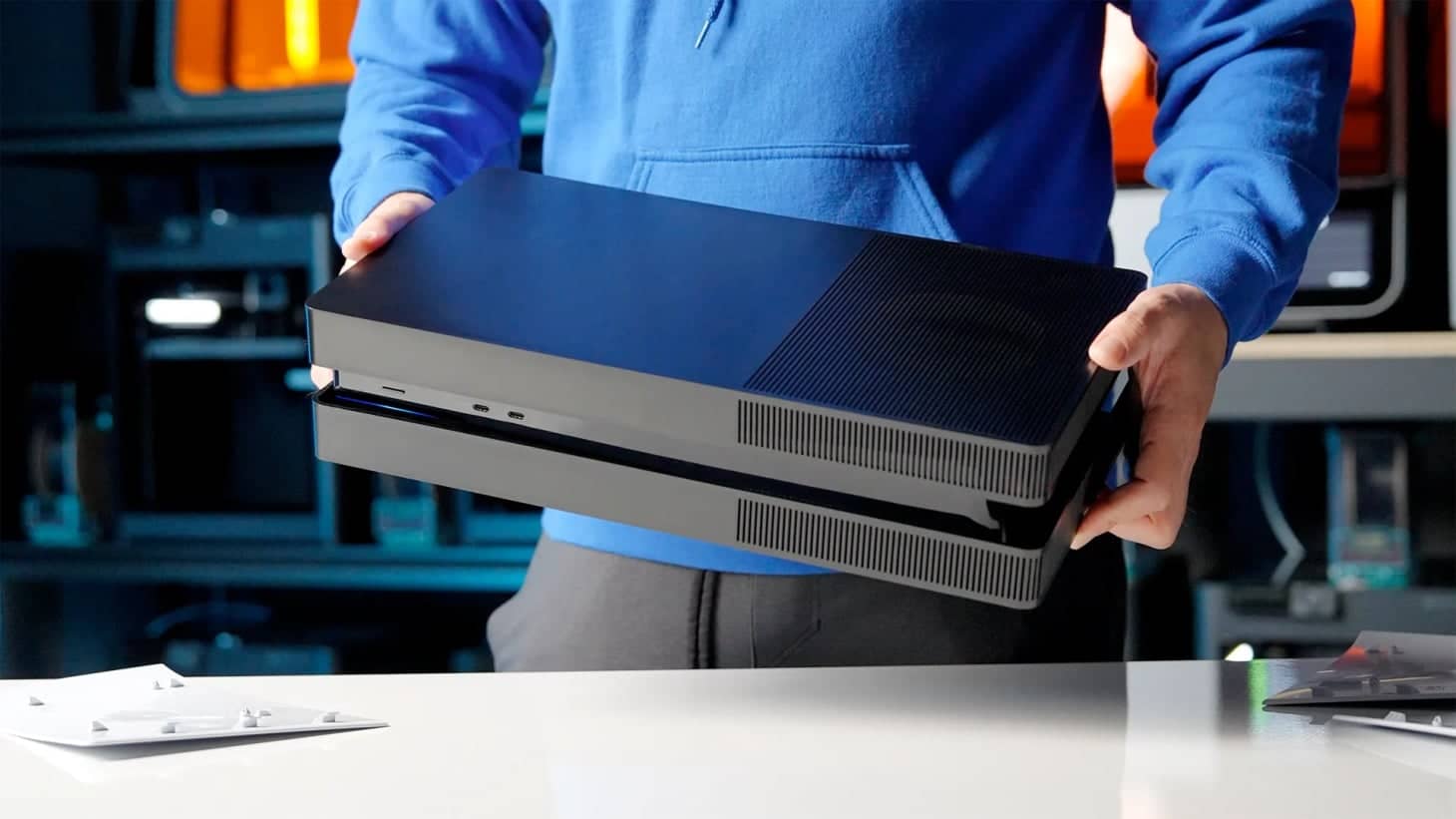
    BoxPlates Skins Revamp PS5 Slim & Pro in Two Weeks

    BoxPlates Skins Revamp PS5 Slim & Pro in Two Weeks

    2 days ago
    Artemis 2 Rockets Beyond Earth—402,000 km From Home

    Artemis 2 Rockets Beyond Earth—402,000 km From Home

    Lift‑off at 8:23 a.m. ET marks first crewed lunar flight since 1972, with a diverse four‑person crew

    2 days ago
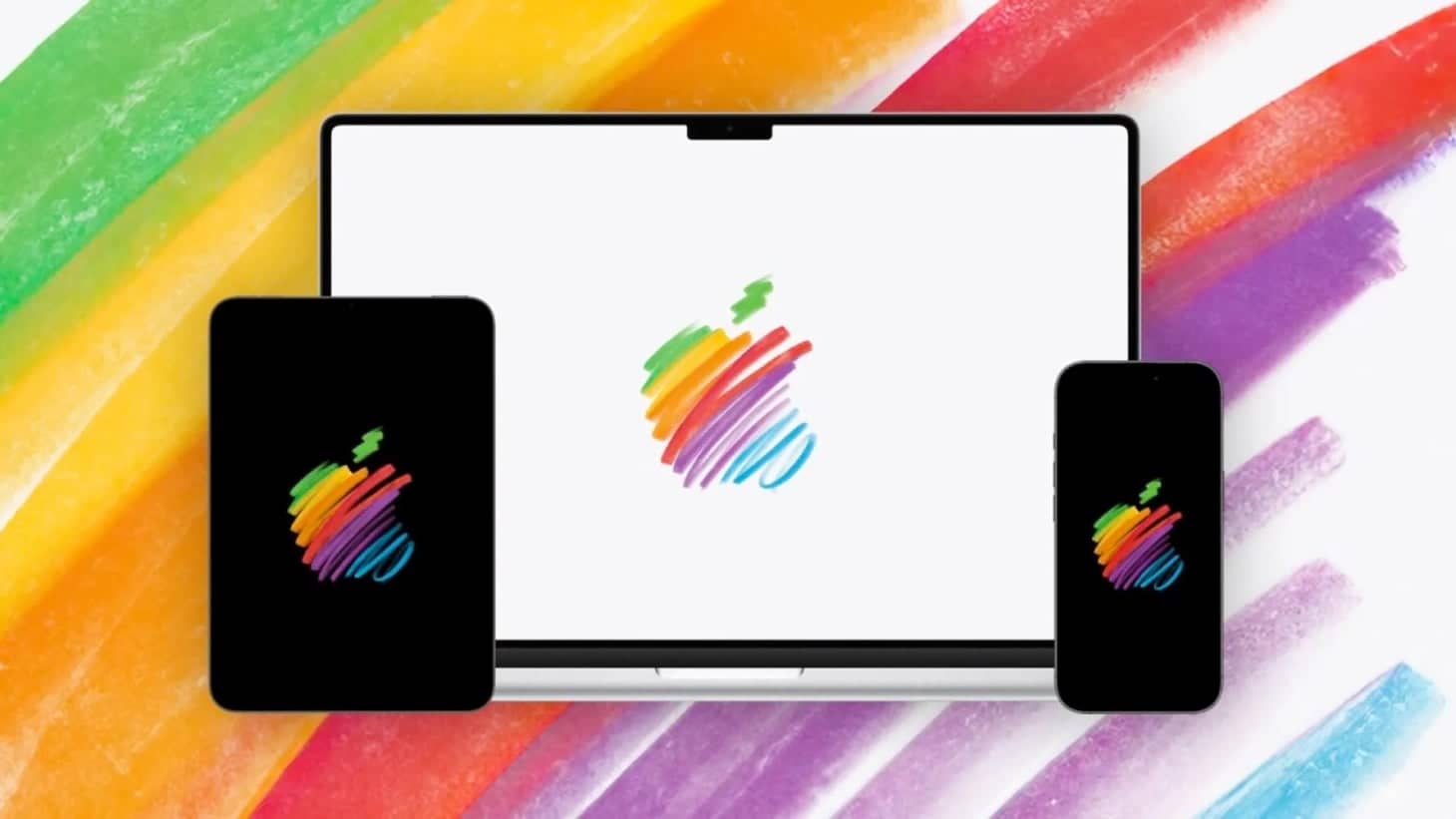
    Apple celebrates 50 years with new minimalist wallpapers

    Apple celebrates 50 years with new minimalist wallpapers

    Basic Apple Guy releases iPhone and Mac wallpapers for Apple’s 50th anniversary

    2 days ago
    Razer Unveils Pro Type Ergo Ergonomic Keyboard Today

    Razer Unveils Pro Type Ergo Ergonomic Keyboard Today

    Split design, AI button, and 19‑zone RGB aim at U.S. workers with a 9.7% RSI rate

    3 days ago
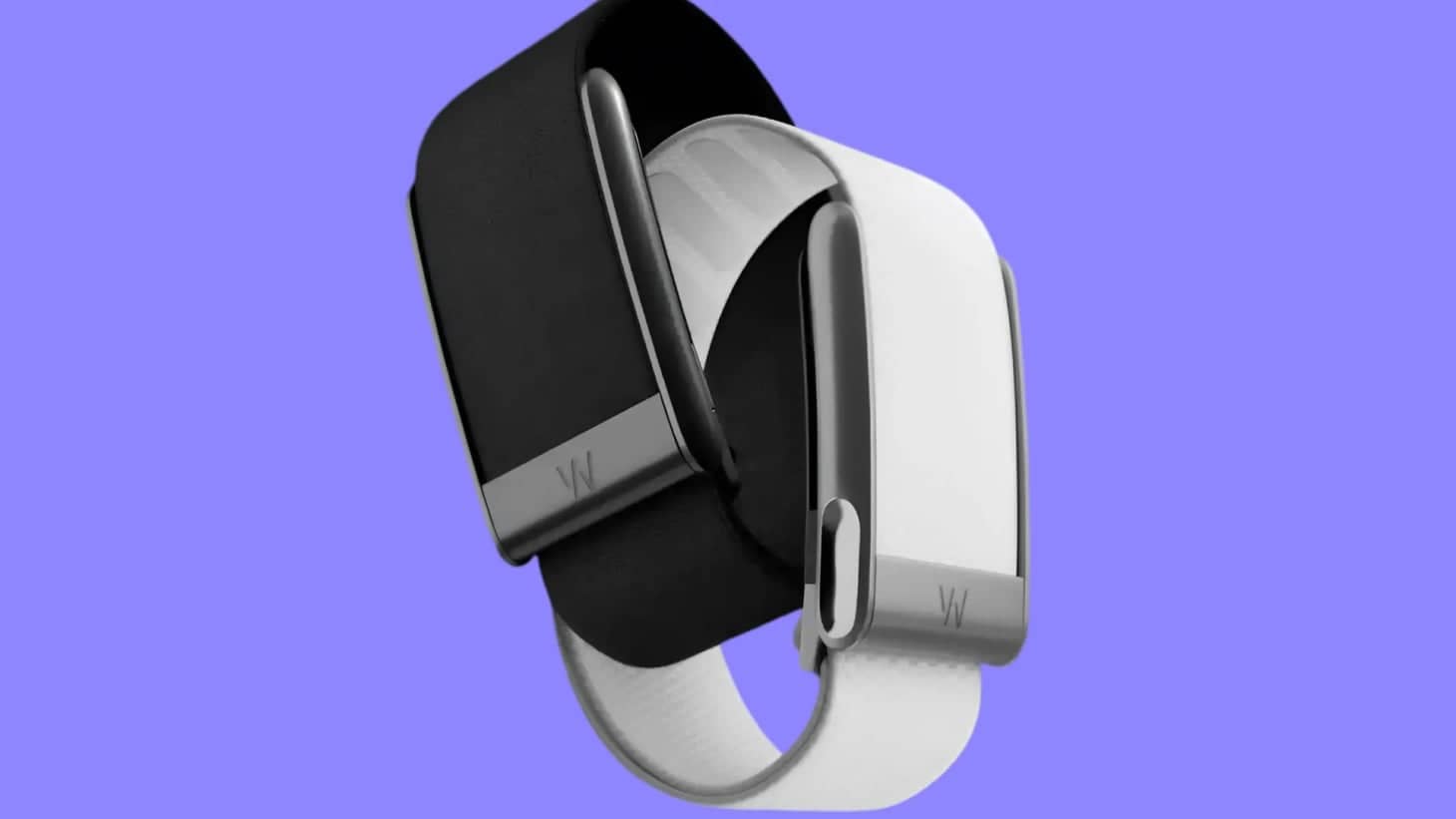
    Google to debut screen‑free Fitbit band in 2026

    Google to debut screen‑free Fitbit band in 2026

    AI‑driven training plan and upgraded platform aim at the health‑tracking market against Oura and Whoop

    3 days ago
    Nothing unveils AI‑powered smart glasses for a 2027 launch

    Nothing unveils AI‑powered smart glasses for a 2027 launch

    The glasses use a paired phone and cloud, with a clear frame and LED accents

    3 days ago
    Google rolls out Veo 3.1 Lite, halving AI video costs

    Google rolls out Veo 3.1 Lite, halving AI video costs

    Veo 3.1 Lite matches Veo 3.1 Fast speed but cuts price by over 50% for devs now

    3 days ago
    Freelander 97 Debuts 800‑V EV Crossover in Shanghai

    Freelander 97 Debuts 800‑V EV Crossover in Shanghai

    Chery‑JLR showcases ADS 4.1 autonomy on 800‑V platform, eyeing 2028 launch

    3 days ago
    Telegram Launches Version 12.6 With AI Editor, New Polls

    Telegram Launches Version 12.6 With AI Editor, New Polls

    It adds an AI tone editor, richer polls, Live/Motion Photos, and bot management

    3 days ago

    Pixel 11 Pro Renders Leak With Black Camera Bar and MediaTek Modem

    Google’s August 2026 flagship ditches Samsung radios for improved 5G and runs the Tensor G6

    4 days ago

    Anthropic leak reveals Opus 4.7, Sonnet 4.8 in npm 2.1.88

    Leak on March 30‑31 exposed TypeScript, revealing Opus 4.7, Sonnet 4.8, and internal features

    4 days ago
    iOS 26.5 beta lands on iPhone 17 Pro with an 8 GB download

    iOS 26.5 beta lands on iPhone 17 Pro with an 8 GB download

    Apple restores RCS encryption and adds a 12‑month subscription in the update

    4 days ago
    Windows 11 24H2 Brings Dark Mode to Core Utilities

    Windows 11 24H2 Brings Dark Mode to Core Utilities

    Tools like Registry Editor get dark mode in Windows 11 24H2, out in Sep 2026

    5 days ago

    John Noble's 1,024 Thread Implant Powers Warcraft Raids

    John Noble, a former British parachutist turned veteran gamer, received a neural implant with 1,024 threads after a 2024 trial in Seattle. The device lets him control a MacBook with thought alone, turning World of Warcraft raids into hands‑free battles. His story shows how brain‑computer interfaces can expand digital access for disabled veterans and reshape gaming.

    5 days ago
    Apple unveils Siri app for iOS 27, adds 50+ AI agents

    Apple unveils Siri app for iOS 27, adds 50+ AI agents

    iOS 27 Siri app adds Extensions marketplace, eyeing Alexa’s 100,000‑skill store

    5 days ago
    Loading...
Health/Fitness

The Dark Side of Fitness App Streaks

How reward‑driven designs turn motivation into guilt, injury, and burnout

February 12, 2026, 10:36 pm

Fitness apps promise motivation, but their badge‑driven reward loops often create anxiety, guilt, and injury. This article breaks down the dopamine‑based design behind streaks, shows how competition can become compulsion, and offers three evidence‑backed steps—untracked workouts, notification tweaks, and feeling‑first goals—to reclaim healthy movement.

- (1)

Summary

  • Fitness apps raise workout frequency but use dopamine‑driven streaks that turn motivation into guilt‑driven compulsion.
  • Leaderboards add 34% more weekly activity yet push users past safe limits, causing injuries and streak‑anxiety in places like Colorado, Dallas and Montana.
  • To regain control, schedule at least one untracked workout weekly, turn off streak alerts, and judge success by how you feel, not by logged numbers.

Your workout app just sent you a notification. You missed yesterday's run. The streak you spent three months building is broken. That notification isn't just information. It's emotional architecture designed to keep you coming back. The question is whether it's keeping you healthy or just keeping you hooked.

Fitness apps are making us fitter and more anxious at the same time. Research shows that 68% of consistent fitness app users increase their workout frequency, according to a 2024 meta-analysis of 23 randomized controlled trials published in the Journal of Medical Internet Research involving 4,267 participants. Yet the same digital tools create guilt and compulsion in substantial subsets of users. The mechanisms that motivate us are the ones that trap us. We need to understand how these apps rewire our relationship with movement before the guilt outweighs the gains.

The Dopamine Design Behind Your Workout Streak

Fitness apps function like slot machines for your health goals. Every completed workout triggers a dopamine release. Every badge earned creates a small neurological reward. Companies like Peloton, Apple Fitness, and Strava employ behavioral psychologists specifically to maximize engagement through reward systems.

Neuroscience research published in Nature Reviews Neuroscience explains the mechanism. Intermittent and unexpected rewards trigger dopaminergic signals in the brain. Badges, streaks, and achievement notifications activate the same neural pathways that create habit loops. Complete an activity. Receive immediate positive feedback. Feel compelled to repeat.

The dopamine pathway that helps you build healthy routines is the one that creates compulsive checking behavior. The distinction depends on whether the app adapts to your body's needs or whether you adapt to the app's demands. This represents a distinctly American tension: our culture prizes personal autonomy and self-optimization, yet these values collide when the optimization system itself starts making demands.

When Competition Becomes Compulsion

Leaderboards turn personal health into public performance. Strava reported in their 2025 user data, corroborated by independent analysis from the Digital Wellness Institute at UC San Diego, that competitive features drove 34% more weekly activity than non-competitive tracking. Users in active challenge groups logged an average of 2.8 additional workouts per week compared to solo trackers.

That sounds like pure upside until you examine what happens when competition overrides physical limits. Emergency room physicians in major U.S. cities have documented patterns of overuse injuries linked to fitness app streaks. Dr. Sarah Chen at NYU Langone Health has treated cases of stress fractures, tendonitis, and rhabdomyolysis in patients who continued high-intensity workouts despite clear warning signs. The common thread: fear of breaking app-tracked streaks or losing leaderboard positions.

The issue manifests differently across regions. In Colorado, Strava's segment competitions on popular trails have created informal arms races where runners push harder than safe pacing allows to claim segment records. In suburban Dallas, parents report guilt spirals when juggling family obligations with Apple Watch's insistent stand reminders. In rural Montana, where gym access is limited and apps promise convenient home fitness, users report feeling trapped by the only accountability system available to them.

The competition isn't always external. Many users report their fiercest battles are against their own past performance. Every previous personal record becomes a baseline to exceed rather than an achievement to celebrate. Progress becomes impossible because the target keeps moving.

The Guilt Spiral of Broken Streaks

Missing a tracked workout creates emotional consequences that skipping an untracked workout never would. A peer-reviewed qualitative study published in BJPsych Open involving 493 fitness app users across six months documented that participants reported guilt, shame, and anxiety when app feedback signaled failure. Some users reported psychological dependency on trackers like Fitbit. Analysis of 14,000 social media discussions revealed widespread reports of "streak anxiety" and users being "desperate not to break a streak."

This represents a fundamental shift in how people relate to rest. The CDC recommends 150 minutes of moderate-intensity aerobic activity weekly for adults, with rest days built into sustainable programming. Recovery days are essential for muscle development and injury prevention. But fitness apps rarely celebrate rest the way they celebrate movement. The silence where a notification should be becomes its own form of negative reinforcement.

The guilt becomes cyclical. You miss a day. You feel bad. You overcompensate the next day. You risk injury or burnout. You miss more days. The guilt intensifies. The app that was supposed to help you get healthier becomes the reason you're avoiding exercise entirely.

This pattern contradicts fundamental principles of exercise science. Research from the American College of Sports Medicine shows that recovery drives adaptation. Without adequate rest, performance plateaus and injury risk rises. Yet app reward structures treat every rest day as failure rather than strategic recovery.

What Healthy Tracking Actually Looks Like

Balance requires intentional boundaries with fitness technology. The goal isn't to abandon tracking but to subordinate the tool to your actual health outcomes rather than your digital performance metrics. This aligns with American values of personal autonomy: you control the technology; it doesn't control you.

Dr. Rosen recommends three concrete actions for anyone questioning their relationship with fitness apps:

Schedule at least one untracked workout per week

Exercise without your phone. No data, no recording, no post-workout validation from the app. This breaks the psychological dependency on digital confirmation of effort. A systematic review of 47 studies published in JMIR mHealth and uHealth involving 3,912 participants found that healthy-eating and fitness mobile apps can contribute to maladaptive eating and exercise behaviors when used without boundaries. Creating space for untracked movement helps you rebuild the connection between effort and internal satisfaction.

Think of it like a baseball player who tracks every stat during the season but plays pickup games for pure joy in the off-season. Both have value. The tracking helps you improve. The untracked play reminds you why you started.

Turn off streak notifications entirely

Most apps allow you to disable guilt-inducing reminders while keeping useful data tracking active. If the app's primary hold on you is streak anxiety, removing that notification removes the compulsion. MyFitnessPal introduced an optional "Flexible Streak" feature in late 2024 after user research revealed that all-or-nothing streaks were driving 22% of premium users to abandon the app entirely. The feature allows users to designate planned rest days that don't break streaks. Data from 8,400 users over six months shows 15% higher long-term retention among users who enable this setting.

Define success by how you feel, not what you log

Before starting an app-guided workout, assess your actual energy and recovery state. If your body needs rest but the app demands activity, the body wins. Always. Large-scale analysis of social media conversations documented widespread reports of anxiety, shame, obsession, and burnout tied to fitness app tracking and gamification. The metric that matters most is whether exercise improves your life or controls it.

The best fitness app is the one you can ignore when your body tells you to. This principle echoes lessons from Blue Zones research: the world's longest-lived populations don't track steps. They build natural movement into daily life and rest when tired. Technology should support that wisdom, not override it.

The Real Risk We're Not Discussing

Critics argue that these concerns are overblown and that any tool can be misused. App developers point to overall increases in physical activity levels correlated with fitness tracker adoption. Research from the Stanford Prevention Research Center shows that commercial fitness apps can increase short-term physical activity by an average of 28 minutes per week in previously sedentary individuals. For 58 million Americans who meet neither aerobic nor strength-training guidelines according to CDC data, this represents genuine public health benefit.

This objection deserves consideration. Fitness apps have genuinely helped millions of people start moving. For individuals with no prior exercise routine, the structure and motivation these apps provide can be transformative. In rural communities with limited gym access, apps democratize fitness programming. For shift workers with irregular schedules, apps provide flexible accountability.

The counterargument isn't that apps are universally harmful. It's that the same behavioral design that activates inactive people can trap active people in unsustainable patterns. The technology doesn't distinguish between helping someone go from zero workouts to three per week and pushing someone from six healthy workouts to nine compulsive ones.

The risk isn't theoretical. It's playing out in physical therapy clinics, sports medicine offices, and burnout recovery programs from Brooklyn to Boise. When achievement systems designed to create engagement override the body's need for recovery, the health tool becomes a health risk. If you experience persistent guilt about missed workouts, compulsion to exercise despite injury or fatigue, or anxiety centered on app performance metrics, consult a healthcare provider. Many primary-care physicians and sports psychologists now screen for exercise compulsion related to fitness tracking.

Your Next Move

Open your most-used fitness app right now. Check your settings. Look at your notification preferences. Ask yourself one question: Is this app helping you build the relationship with movement you actually want, or is it building the relationship with tracking that the app wants?

If the answer makes you uncomfortable, you already know what to do. Adjust your settings. Turn off the notifications that create guilt. Schedule untracked workouts. Prioritize how you feel over what you log.

The app is a tool. Your body is not. The goal was never perfect data. It was always sustainable health. If your fitness app is delivering the first while undermining the second, you're optimizing the wrong metric. Fix that today.

What is this about?

  • digital wellness/
  • mental health tech/
  • dopamine systems/
  • exercise physiology

Feed

    Cursor 3 Launches Unified AI Coding Workspace

    Cursor 3 Launches Unified AI Coding Workspace

    Side‑panel lets devs toggle local and cloud agents, building on Composer 2 and Kimi 2.5

    about 22 hours ago
    Orion’s Six‑Minute Burn Puts Artemis 2 on Free‑Return Path

    Orion’s Six‑Minute Burn Puts Artemis 2 on Free‑Return Path

    iPhone 17 Pro Max survives Orion’s deep‑space test as crew heads to lunar flyby

    about 24 hours ago
    Android 17 Introduces System‑Level Notification Rules

    Android 17 Introduces System‑Level Notification Rules

    Samsung’s One UI 9 will adopt Android 17’s rules, adding OS‑level alert control

    about 24 hours ago

    Nvidia rolls out DLSS 4.5, 6× boost on RTX 50-series

    Dynamic Multi‑Frame Generation smooths 120–240 Hz, delivered in the driver 595.97

    1 day ago
    Apple rolls out iOS 18.7.7 to block DarkSword

    Apple rolls out iOS 18.7.7 to block DarkSword

    Patch fixes six Safari bugs, stopping DarkSword on iOS 18–18.7 devices

    2 days ago
    BoxPlates Skins Revamp PS5 Slim & Pro in Two Weeks

    BoxPlates Skins Revamp PS5 Slim & Pro in Two Weeks

    2 days ago
    Artemis 2 Rockets Beyond Earth—402,000 km From Home

    Artemis 2 Rockets Beyond Earth—402,000 km From Home

    Lift‑off at 8:23 a.m. ET marks first crewed lunar flight since 1972, with a diverse four‑person crew

    2 days ago
    Apple celebrates 50 years with new minimalist wallpapers

    Apple celebrates 50 years with new minimalist wallpapers

    Basic Apple Guy releases iPhone and Mac wallpapers for Apple’s 50th anniversary

    2 days ago
    Razer Unveils Pro Type Ergo Ergonomic Keyboard Today

    Razer Unveils Pro Type Ergo Ergonomic Keyboard Today

    Split design, AI button, and 19‑zone RGB aim at U.S. workers with a 9.7% RSI rate

    3 days ago
    Google to debut screen‑free Fitbit band in 2026

    Google to debut screen‑free Fitbit band in 2026

    AI‑driven training plan and upgraded platform aim at the health‑tracking market against Oura and Whoop

    3 days ago
    Nothing unveils AI‑powered smart glasses for a 2027 launch

    Nothing unveils AI‑powered smart glasses for a 2027 launch

    The glasses use a paired phone and cloud, with a clear frame and LED accents

    3 days ago
    Google rolls out Veo 3.1 Lite, halving AI video costs

    Google rolls out Veo 3.1 Lite, halving AI video costs

    Veo 3.1 Lite matches Veo 3.1 Fast speed but cuts price by over 50% for devs now

    3 days ago
    Freelander 97 Debuts 800‑V EV Crossover in Shanghai

    Freelander 97 Debuts 800‑V EV Crossover in Shanghai

    Chery‑JLR showcases ADS 4.1 autonomy on 800‑V platform, eyeing 2028 launch

    3 days ago
    Telegram Launches Version 12.6 With AI Editor, New Polls

    Telegram Launches Version 12.6 With AI Editor, New Polls

    It adds an AI tone editor, richer polls, Live/Motion Photos, and bot management

    3 days ago

    Pixel 11 Pro Renders Leak With Black Camera Bar and MediaTek Modem

    Google’s August 2026 flagship ditches Samsung radios for improved 5G and runs the Tensor G6

    4 days ago

    Anthropic leak reveals Opus 4.7, Sonnet 4.8 in npm 2.1.88

    Leak on March 30‑31 exposed TypeScript, revealing Opus 4.7, Sonnet 4.8, and internal features

    4 days ago
    iOS 26.5 beta lands on iPhone 17 Pro with an 8 GB download

    iOS 26.5 beta lands on iPhone 17 Pro with an 8 GB download

    Apple restores RCS encryption and adds a 12‑month subscription in the update

    4 days ago
    Windows 11 24H2 Brings Dark Mode to Core Utilities

    Windows 11 24H2 Brings Dark Mode to Core Utilities

    Tools like Registry Editor get dark mode in Windows 11 24H2, out in Sep 2026

    5 days ago

    John Noble's 1,024 Thread Implant Powers Warcraft Raids

    John Noble, a former British parachutist turned veteran gamer, received a neural implant with 1,024 threads after a 2024 trial in Seattle. The device lets him control a MacBook with thought alone, turning World of Warcraft raids into hands‑free battles. His story shows how brain‑computer interfaces can expand digital access for disabled veterans and reshape gaming.

    5 days ago
    Apple unveils Siri app for iOS 27, adds 50+ AI agents

    Apple unveils Siri app for iOS 27, adds 50+ AI agents

    iOS 27 Siri app adds Extensions marketplace, eyeing Alexa’s 100,000‑skill store

    5 days ago
    Loading...
banner