• My Feed
  • Home
  • What's Important
  • Media & Entertainment
Search

Stay Curious. Stay Wanture.

© 2026 Wanture. All rights reserved.

  • Terms of Use
  • Privacy Policy
Health/Wellness

How Stress Breaks Your Skin Barrier—and How to Repair It

Why cortisol damages collagen, and sleep, movement, and barrier care heal skin

13 February 2026

—

Explainer *

Layla Johnson
banner

Stress spikes cortisol, which accelerates collagen breakdown and triggers chronic inflammation that weakens the skin’s barrier. The result is fine lines, dryness, and heightened sensitivity. By aligning sleep rhythms, incorporating exercise, and using barrier‑supporting ingredients like ceramides and niacinamide, you halt damage and restore a resilient, youthful complexion.

image (22)-1

Summary:

  • Cortisol spikes break down collagen and trigger enzymes that erode skin’s scaffolding, causing fine lines, thinning and heightened redness.
  • During deep sleep, cortisol falls and growth hormone spikes to rebuild collagen and seal the barrier; 7‑8 hrs nightly cuts inflammation in days.
  • Recover by sleeping 7‑8 hrs, cutting exfoliants/retinoids, and using ceramides, cholesterol, fatty acids, niacinamide, and occlusive night layers.

Your skin doesn't just react to stress—it records it. Think of cortisol as a withdrawal from your skin's structural bank account. One high-stress week won't overdraft the account, but months of chronic stress spend down reserves faster than your body can deposit them back. The result shows up as fine lines, persistent redness, and products that suddenly sting when they didn't before.

This isn't perception or bad luck. This is your body's stress response rewriting the biology of your skin in real time. The mechanism is precise and measurable. Understanding it gives you control.

What Cortisol Does to Your Skin's Foundation

Cortisol is your body's alarm hormone. It mobilizes energy during stress by breaking down stored resources. One of those resources is collagen, the protein that keeps skin firm and resilient.

Think of collagen as the scaffolding inside your skin. Cortisol activates enzymes called matrix metalloproteinases that dismantle this scaffolding faster than your body rebuilds it. When cortisol levels stay elevated for weeks, your body treats collagen as fuel to burn. The result: fine lines around your eyes, thinner skin on your cheeks, and a texture that feels less plump.

Sleep deprivation impairs collagen activation and keratinocyte proliferation through HPA-axis dysregulation, according to research from the University of Pittsburgh and Albany Medical College. Your barrier function deteriorates measurably after even one night of poor sleep, with increased transepidermal water loss and reduced recovery capacity.

Stress doesn't just break things down—it turns up your immune system's sensitivity dial. Cortisol triggers inflammatory pathways designed to help you fight infection or heal injuries. When stress is chronic, inflammation becomes background noise that never shuts off.

In your skin, this shows up as redness, heat, and reactivity. Products that felt fine during tax season now burn in June. Your skin flushes more easily. Breakouts appear in new places. This isn't a product problem—this is inflammation lowering your threshold for irritation.

Partial sleep restriction raises specific inflammatory markers: interleukin-6 and tumor necrosis factor alpha. These cytokines drive barrier compromise directly. The inflammation also makes your skin retain less water. Your barrier becomes porous. Water escapes faster. Environmental triggers like wind, heat, or even your pillowcase now provoke reactions they didn't before.

This isn't permanent damage—it's functional change. Acute stress might compromise your barrier for three to five days. Chronic stress, sustained over months, creates baseline fragility that takes weeks of consistent recovery to reverse.

The Signs Your Barrier Is Compromised

You can't see your barrier function on a lab report, but you can observe it through how your skin behaves. A healthy barrier feels comfortable in most environments. A compromised one feels reactive, unpredictable, and exhausting to manage.

Observable markers include tightness within an hour of washing your face, stinging when applying products with acids or retinoids, increased flushing when you step outside or enter a warm room, rough patches or flaking, and breakouts in new areas while your skin is simultaneously dry.

These signs cluster during or immediately after high-stress periods like back-to-back deadlines or family emergencies. Skin barrier recovery after mild perturbation shows approximately 50 percent recovery within 75 minutes in healthy subjects, but full restoration takes 24 to 96 hours depending on injury severity.

The critical insight: barrier compromise isn't a skin type—it's a temporary state driven by cortisol and inflammation.

The Sleep-Repair Connection

Sleep is not passive rest. It's when your body prioritizes reconstruction over defense. Cortisol follows a daily rhythm: highest in the morning to wake you up, lowest at night to allow repair. When you sleep poorly or not enough, this rhythm flattens. Cortisol stays elevated overnight, blocking the repair processes that normally run during deep sleep.

Between 11 pm and 3 am, your body increases blood flow to your skin. Growth hormone peaks, signaling cells to produce new collagen and repair damaged DNA. This happens most effectively during slow-wave sleep, the deepest phase of your sleep cycle. If you're getting six hours instead of seven, you're cutting into this window.

The Timeline for Recovery

The timeline for recovery is measurable and follows a progressive pattern:

Days 1 to 3: After one night of seven to eight hours of quality sleep, inflammation markers in skin tissue drop noticeably. Redness and sensitivity ease slightly.

Days 4 to 7: After three consecutive nights, collagen production rates begin to normalize. Barrier function improves. Products stop stinging. Skin feels less tight.

Weeks 2 to 3: Fine lines look softer. Texture becomes more even. Your moisturizer keeps you comfortable longer.

Weeks 4 to 8: After two weeks of consistent sleep, barrier function tests show significant improvement in water retention and irritant resistance. Skin tone evens out. Resilience to environmental stress increases.

This timeline assumes consistent intervention. One good week followed by another stressful week resets progress. If you've been stressed for six months, expect at least six to eight weeks of consistent sleep, stress management, and barrier support before you see significant improvement.

Supporting Your Skin Through Stress

Supporting barrier recovery means temporarily simplifying your routine and prioritizing ingredients that reinforce structure rather than stimulate change. This is not the time for exfoliation, retinoids, or anything that increases cell turnover. Your skin is already inflamed. Adding more stimulus makes it worse.

Prioritize ceramides, cholesterol, and fatty acids. These lipids match what your barrier is made of and help seal gaps. Niacinamide reduces inflammation and supports barrier lipid production. Centella asiatica and colloidal oatmeal calm irritation without suppressing necessary immune function. Occlusive layers at night, like petroleum jelly or squalane over your moisturizer, trap water and prevent overnight dehydration.

Avoid physical or chemical exfoliants, high-strength retinoids or vitamin C serums, fragranced products or essential oils, and hot water, which strips lipids faster than lukewarm water.

This phase typically lasts one to two weeks if you're also managing stress and sleep. If these signs persist beyond three weeks despite rest and simplified care, a dermatologist can assess whether underlying conditions like rosacea or eczema need clinical evaluation.

Acute Versus Chronic Stress Effects

Your skin can handle short-term stress remarkably well. One intense week of deadlines might leave you looking tired, but your barrier recovers within days once the stressor resolves. Chronic stress, sustained over months, recalibrates your baseline. Your skin starts to forget what normal feels like.

The difference matters. Acute stress creates temporary barrier disruption that resolves with rest. Cortisol levels return to normal within 48 to 72 hours of stress resolution. Chronic stress keeps cortisol elevated throughout the day, creating persistent barrier fragility and cumulative collagen loss that creates visible structural changes.

The good news: even chronic stress effects are reversible with sustained intervention. The challenge: recovery takes longer. The biological pathway from cortisol to collagen breakdown to visible aging is reversible. That's the key insight.

What You Can Do This Week

Your skin is not separate from your body. It's the most visible organ of a system responding to stress, sleep, and recovery in real time. When products stop working, the issue is rarely the product—it's that your skin's capacity has shifted.

Start with sleep. Set a consistent bedtime. Aim for seven to eight hours in a dark, cool room. If you use a sleep tracker or wellness app, watch for patterns in your deep-sleep phases. Even three consecutive nights of quality sleep begin to shift inflammation markers.

Simplify your routine this week. Strip back to cleanser, a ceramide-rich moisturizer, and sunscreen during the day. Add an occlusive layer at night. Notice how your skin feels after cleansing and how long your moisturizer keeps you comfortable. These observations tell you more than any mirror.

Think back to the structural bank account. Stress doesn't permanently damage your skin—it temporarily disrupts the processes that keep it healthy. You can't cream your way out of chronic stress, but you can protect your barrier while you address the root cause. Your skin is telling you what your body needs. Listen closely.

Topic

Cortisol Regulation Health

Why Every Strength Athlete Needs a Deload Week

3 March 2026

Why Every Strength Athlete Needs a Deload Week

Cortisol Explained: Stress Hormone, Sleep, and Weight

1 March 2026

Cortisol Explained: Stress Hormone, Sleep, and Weight

How Stress Shortens Telomeres—and How to Fight Back

12 February 2026

How Stress Shortens Telomeres—and How to Fight Back

Why You're Exhausted Despite Sleeping 8 Hours

11 February 2026

Why You're Exhausted Despite Sleeping 8 Hours

What is this about?

  • cortisol regulation/
  • stress reduction/
  • sleep optimization/
  • anti-aging skincare/
  • collagen stimulation/
  • HPA axis health

Feed

    Cursor 3 Launches Unified AI Coding Workspace

    Cursor 3 Launches Unified AI Coding Workspace

    Side‑panel lets devs toggle local and cloud agents, building on Composer 2 and Kimi 2.5

    about 16 hours ago
    Orion’s Six‑Minute Burn Puts Artemis 2 on Free‑Return Path

    Orion’s Six‑Minute Burn Puts Artemis 2 on Free‑Return Path

    iPhone 17 Pro Max survives Orion’s deep‑space test as crew heads to lunar flyby

    about 18 hours ago
    Android 17 Introduces System‑Level Notification Rules

    Android 17 Introduces System‑Level Notification Rules

    Samsung’s One UI 9 will adopt Android 17’s rules, adding OS‑level alert control

    about 18 hours ago

    Nvidia rolls out DLSS 4.5, 6× boost on RTX 50-series

    Dynamic Multi‑Frame Generation smooths 120–240 Hz, delivered in the driver 595.97

    about 20 hours ago
    Apple rolls out iOS 18.7.7 to block DarkSword

    Apple rolls out iOS 18.7.7 to block DarkSword

    Patch fixes six Safari bugs, stopping DarkSword on iOS 18–18.7 devices

    1 day ago
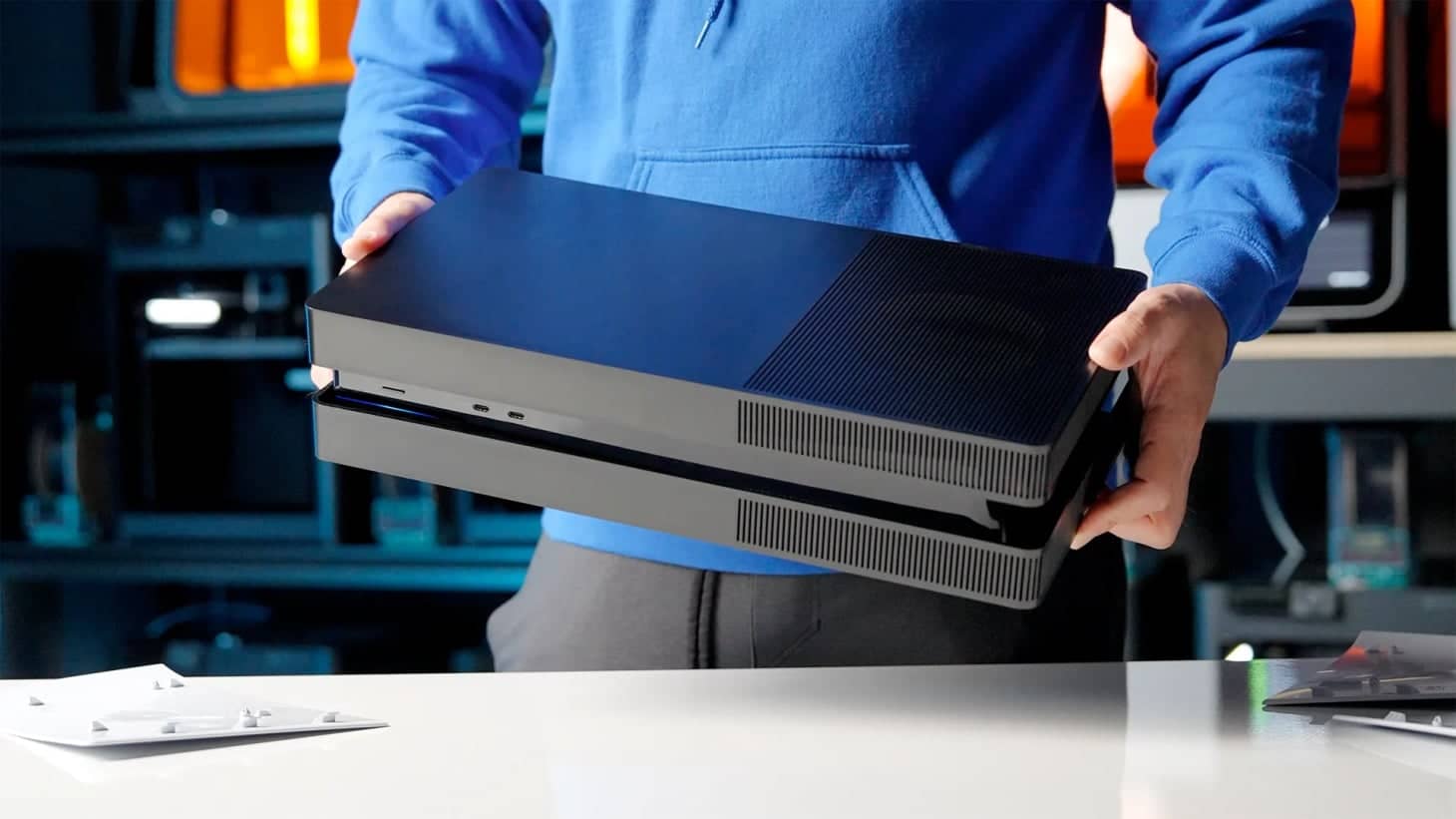
    BoxPlates Skins Revamp PS5 Slim & Pro in Two Weeks

    BoxPlates Skins Revamp PS5 Slim & Pro in Two Weeks

    1 day ago
    Artemis 2 Rockets Beyond Earth—402,000 km From Home

    Artemis 2 Rockets Beyond Earth—402,000 km From Home

    Lift‑off at 8:23 a.m. ET marks first crewed lunar flight since 1972, with a diverse four‑person crew

    2 days ago
    Apple celebrates 50 years with new minimalist wallpapers

    Apple celebrates 50 years with new minimalist wallpapers

    Basic Apple Guy releases iPhone and Mac wallpapers for Apple’s 50th anniversary

    2 days ago
    Razer Unveils Pro Type Ergo Ergonomic Keyboard Today

    Razer Unveils Pro Type Ergo Ergonomic Keyboard Today

    Split design, AI button, and 19‑zone RGB aim at U.S. workers with a 9.7% RSI rate

    3 days ago
    Google to debut screen‑free Fitbit band in 2026

    Google to debut screen‑free Fitbit band in 2026

    AI‑driven training plan and upgraded platform aim at the health‑tracking market against Oura and Whoop

    3 days ago
    Nothing unveils AI‑powered smart glasses for a 2027 launch

    Nothing unveils AI‑powered smart glasses for a 2027 launch

    The glasses use a paired phone and cloud, with a clear frame and LED accents

    3 days ago
    Google rolls out Veo 3.1 Lite, halving AI video costs

    Google rolls out Veo 3.1 Lite, halving AI video costs

    Veo 3.1 Lite matches Veo 3.1 Fast speed but cuts price by over 50% for devs now

    3 days ago
    Freelander 97 Debuts 800‑V EV Crossover in Shanghai

    Freelander 97 Debuts 800‑V EV Crossover in Shanghai

    Chery‑JLR showcases ADS 4.1 autonomy on 800‑V platform, eyeing 2028 launch

    3 days ago
    Telegram Launches Version 12.6 With AI Editor, New Polls

    Telegram Launches Version 12.6 With AI Editor, New Polls

    It adds an AI tone editor, richer polls, Live/Motion Photos, and bot management

    3 days ago

    Pixel 11 Pro Renders Leak With Black Camera Bar and MediaTek Modem

    Google’s August 2026 flagship ditches Samsung radios for improved 5G and runs the Tensor G6

    3 days ago

    Anthropic leak reveals Opus 4.7, Sonnet 4.8 in npm 2.1.88

    Leak on March 30‑31 exposed TypeScript, revealing Opus 4.7, Sonnet 4.8, and internal features

    3 days ago
    iOS 26.5 beta lands on iPhone 17 Pro with an 8 GB download

    iOS 26.5 beta lands on iPhone 17 Pro with an 8 GB download

    Apple restores RCS encryption and adds a 12‑month subscription in the update

    3 days ago
    Windows 11 24H2 Brings Dark Mode to Core Utilities

    Windows 11 24H2 Brings Dark Mode to Core Utilities

    Tools like Registry Editor get dark mode in Windows 11 24H2, out in Sep 2026

    5 days ago

    John Noble's 1,024 Thread Implant Powers Warcraft Raids

    John Noble, a former British parachutist turned veteran gamer, received a neural implant with 1,024 threads after a 2024 trial in Seattle. The device lets him control a MacBook with thought alone, turning World of Warcraft raids into hands‑free battles. His story shows how brain‑computer interfaces can expand digital access for disabled veterans and reshape gaming.

    5 days ago
    Apple unveils Siri app for iOS 27, adds 50+ AI agents

    Apple unveils Siri app for iOS 27, adds 50+ AI agents

    iOS 27 Siri app adds Extensions marketplace, eyeing Alexa’s 100,000‑skill store

    5 days ago
    Loading...
Health/Wellness

How Stress Breaks Your Skin Barrier—and How to Repair It

Why cortisol damages collagen, and sleep, movement, and barrier care heal skin

February 13, 2026, 5:04 am

Stress spikes cortisol, which accelerates collagen breakdown and triggers chronic inflammation that weakens the skin’s barrier. The result is fine lines, dryness, and heightened sensitivity. By aligning sleep rhythms, incorporating exercise, and using barrier‑supporting ingredients like ceramides and niacinamide, you halt damage and restore a resilient, youthful complexion.

image (22)-1

Summary

  • Cortisol spikes break down collagen and trigger enzymes that erode skin’s scaffolding, causing fine lines, thinning and heightened redness.
  • During deep sleep, cortisol falls and growth hormone spikes to rebuild collagen and seal the barrier; 7‑8 hrs nightly cuts inflammation in days.
  • Recover by sleeping 7‑8 hrs, cutting exfoliants/retinoids, and using ceramides, cholesterol, fatty acids, niacinamide, and occlusive night layers.

Your skin doesn't just react to stress—it records it. Think of cortisol as a withdrawal from your skin's structural bank account. One high-stress week won't overdraft the account, but months of chronic stress spend down reserves faster than your body can deposit them back. The result shows up as fine lines, persistent redness, and products that suddenly sting when they didn't before.

This isn't perception or bad luck. This is your body's stress response rewriting the biology of your skin in real time. The mechanism is precise and measurable. Understanding it gives you control.

What Cortisol Does to Your Skin's Foundation

Cortisol is your body's alarm hormone. It mobilizes energy during stress by breaking down stored resources. One of those resources is collagen, the protein that keeps skin firm and resilient.

Think of collagen as the scaffolding inside your skin. Cortisol activates enzymes called matrix metalloproteinases that dismantle this scaffolding faster than your body rebuilds it. When cortisol levels stay elevated for weeks, your body treats collagen as fuel to burn. The result: fine lines around your eyes, thinner skin on your cheeks, and a texture that feels less plump.

Sleep deprivation impairs collagen activation and keratinocyte proliferation through HPA-axis dysregulation, according to research from the University of Pittsburgh and Albany Medical College. Your barrier function deteriorates measurably after even one night of poor sleep, with increased transepidermal water loss and reduced recovery capacity.

Stress doesn't just break things down—it turns up your immune system's sensitivity dial. Cortisol triggers inflammatory pathways designed to help you fight infection or heal injuries. When stress is chronic, inflammation becomes background noise that never shuts off.

In your skin, this shows up as redness, heat, and reactivity. Products that felt fine during tax season now burn in June. Your skin flushes more easily. Breakouts appear in new places. This isn't a product problem—this is inflammation lowering your threshold for irritation.

Partial sleep restriction raises specific inflammatory markers: interleukin-6 and tumor necrosis factor alpha. These cytokines drive barrier compromise directly. The inflammation also makes your skin retain less water. Your barrier becomes porous. Water escapes faster. Environmental triggers like wind, heat, or even your pillowcase now provoke reactions they didn't before.

This isn't permanent damage—it's functional change. Acute stress might compromise your barrier for three to five days. Chronic stress, sustained over months, creates baseline fragility that takes weeks of consistent recovery to reverse.

The Signs Your Barrier Is Compromised

You can't see your barrier function on a lab report, but you can observe it through how your skin behaves. A healthy barrier feels comfortable in most environments. A compromised one feels reactive, unpredictable, and exhausting to manage.

Observable markers include tightness within an hour of washing your face, stinging when applying products with acids or retinoids, increased flushing when you step outside or enter a warm room, rough patches or flaking, and breakouts in new areas while your skin is simultaneously dry.

These signs cluster during or immediately after high-stress periods like back-to-back deadlines or family emergencies. Skin barrier recovery after mild perturbation shows approximately 50 percent recovery within 75 minutes in healthy subjects, but full restoration takes 24 to 96 hours depending on injury severity.

The critical insight: barrier compromise isn't a skin type—it's a temporary state driven by cortisol and inflammation.

The Sleep-Repair Connection

Sleep is not passive rest. It's when your body prioritizes reconstruction over defense. Cortisol follows a daily rhythm: highest in the morning to wake you up, lowest at night to allow repair. When you sleep poorly or not enough, this rhythm flattens. Cortisol stays elevated overnight, blocking the repair processes that normally run during deep sleep.

Between 11 pm and 3 am, your body increases blood flow to your skin. Growth hormone peaks, signaling cells to produce new collagen and repair damaged DNA. This happens most effectively during slow-wave sleep, the deepest phase of your sleep cycle. If you're getting six hours instead of seven, you're cutting into this window.

The Timeline for Recovery

The timeline for recovery is measurable and follows a progressive pattern:

Days 1 to 3: After one night of seven to eight hours of quality sleep, inflammation markers in skin tissue drop noticeably. Redness and sensitivity ease slightly.

Days 4 to 7: After three consecutive nights, collagen production rates begin to normalize. Barrier function improves. Products stop stinging. Skin feels less tight.

Weeks 2 to 3: Fine lines look softer. Texture becomes more even. Your moisturizer keeps you comfortable longer.

Weeks 4 to 8: After two weeks of consistent sleep, barrier function tests show significant improvement in water retention and irritant resistance. Skin tone evens out. Resilience to environmental stress increases.

This timeline assumes consistent intervention. One good week followed by another stressful week resets progress. If you've been stressed for six months, expect at least six to eight weeks of consistent sleep, stress management, and barrier support before you see significant improvement.

Supporting Your Skin Through Stress

Supporting barrier recovery means temporarily simplifying your routine and prioritizing ingredients that reinforce structure rather than stimulate change. This is not the time for exfoliation, retinoids, or anything that increases cell turnover. Your skin is already inflamed. Adding more stimulus makes it worse.

Prioritize ceramides, cholesterol, and fatty acids. These lipids match what your barrier is made of and help seal gaps. Niacinamide reduces inflammation and supports barrier lipid production. Centella asiatica and colloidal oatmeal calm irritation without suppressing necessary immune function. Occlusive layers at night, like petroleum jelly or squalane over your moisturizer, trap water and prevent overnight dehydration.

Avoid physical or chemical exfoliants, high-strength retinoids or vitamin C serums, fragranced products or essential oils, and hot water, which strips lipids faster than lukewarm water.

This phase typically lasts one to two weeks if you're also managing stress and sleep. If these signs persist beyond three weeks despite rest and simplified care, a dermatologist can assess whether underlying conditions like rosacea or eczema need clinical evaluation.

Acute Versus Chronic Stress Effects

Your skin can handle short-term stress remarkably well. One intense week of deadlines might leave you looking tired, but your barrier recovers within days once the stressor resolves. Chronic stress, sustained over months, recalibrates your baseline. Your skin starts to forget what normal feels like.

The difference matters. Acute stress creates temporary barrier disruption that resolves with rest. Cortisol levels return to normal within 48 to 72 hours of stress resolution. Chronic stress keeps cortisol elevated throughout the day, creating persistent barrier fragility and cumulative collagen loss that creates visible structural changes.

The good news: even chronic stress effects are reversible with sustained intervention. The challenge: recovery takes longer. The biological pathway from cortisol to collagen breakdown to visible aging is reversible. That's the key insight.

What You Can Do This Week

Your skin is not separate from your body. It's the most visible organ of a system responding to stress, sleep, and recovery in real time. When products stop working, the issue is rarely the product—it's that your skin's capacity has shifted.

Start with sleep. Set a consistent bedtime. Aim for seven to eight hours in a dark, cool room. If you use a sleep tracker or wellness app, watch for patterns in your deep-sleep phases. Even three consecutive nights of quality sleep begin to shift inflammation markers.

Simplify your routine this week. Strip back to cleanser, a ceramide-rich moisturizer, and sunscreen during the day. Add an occlusive layer at night. Notice how your skin feels after cleansing and how long your moisturizer keeps you comfortable. These observations tell you more than any mirror.

Think back to the structural bank account. Stress doesn't permanently damage your skin—it temporarily disrupts the processes that keep it healthy. You can't cream your way out of chronic stress, but you can protect your barrier while you address the root cause. Your skin is telling you what your body needs. Listen closely.

Topic

Cortisol Regulation Health

Why Every Strength Athlete Needs a Deload Week

3 March 2026

Why Every Strength Athlete Needs a Deload Week

Cortisol Explained: Stress Hormone, Sleep, and Weight

1 March 2026

Cortisol Explained: Stress Hormone, Sleep, and Weight

How Stress Shortens Telomeres—and How to Fight Back

12 February 2026

How Stress Shortens Telomeres—and How to Fight Back

Why You're Exhausted Despite Sleeping 8 Hours

11 February 2026

Why You're Exhausted Despite Sleeping 8 Hours

What is this about?

  • cortisol regulation/
  • stress reduction/
  • sleep optimization/
  • anti-aging skincare/
  • collagen stimulation/
  • HPA axis health

Feed

    Cursor 3 Launches Unified AI Coding Workspace

    Cursor 3 Launches Unified AI Coding Workspace

    Side‑panel lets devs toggle local and cloud agents, building on Composer 2 and Kimi 2.5

    about 16 hours ago
    Orion’s Six‑Minute Burn Puts Artemis 2 on Free‑Return Path

    Orion’s Six‑Minute Burn Puts Artemis 2 on Free‑Return Path

    iPhone 17 Pro Max survives Orion’s deep‑space test as crew heads to lunar flyby

    about 18 hours ago
    Android 17 Introduces System‑Level Notification Rules

    Android 17 Introduces System‑Level Notification Rules

    Samsung’s One UI 9 will adopt Android 17’s rules, adding OS‑level alert control

    about 18 hours ago

    Nvidia rolls out DLSS 4.5, 6× boost on RTX 50-series

    Dynamic Multi‑Frame Generation smooths 120–240 Hz, delivered in the driver 595.97

    about 20 hours ago
    Apple rolls out iOS 18.7.7 to block DarkSword

    Apple rolls out iOS 18.7.7 to block DarkSword

    Patch fixes six Safari bugs, stopping DarkSword on iOS 18–18.7 devices

    1 day ago
    BoxPlates Skins Revamp PS5 Slim & Pro in Two Weeks

    BoxPlates Skins Revamp PS5 Slim & Pro in Two Weeks

    1 day ago
    Artemis 2 Rockets Beyond Earth—402,000 km From Home

    Artemis 2 Rockets Beyond Earth—402,000 km From Home

    Lift‑off at 8:23 a.m. ET marks first crewed lunar flight since 1972, with a diverse four‑person crew

    2 days ago
    Apple celebrates 50 years with new minimalist wallpapers

    Apple celebrates 50 years with new minimalist wallpapers

    Basic Apple Guy releases iPhone and Mac wallpapers for Apple’s 50th anniversary

    2 days ago
    Razer Unveils Pro Type Ergo Ergonomic Keyboard Today

    Razer Unveils Pro Type Ergo Ergonomic Keyboard Today

    Split design, AI button, and 19‑zone RGB aim at U.S. workers with a 9.7% RSI rate

    3 days ago
    Google to debut screen‑free Fitbit band in 2026

    Google to debut screen‑free Fitbit band in 2026

    AI‑driven training plan and upgraded platform aim at the health‑tracking market against Oura and Whoop

    3 days ago
    Nothing unveils AI‑powered smart glasses for a 2027 launch

    Nothing unveils AI‑powered smart glasses for a 2027 launch

    The glasses use a paired phone and cloud, with a clear frame and LED accents

    3 days ago
    Google rolls out Veo 3.1 Lite, halving AI video costs

    Google rolls out Veo 3.1 Lite, halving AI video costs

    Veo 3.1 Lite matches Veo 3.1 Fast speed but cuts price by over 50% for devs now

    3 days ago
    Freelander 97 Debuts 800‑V EV Crossover in Shanghai

    Freelander 97 Debuts 800‑V EV Crossover in Shanghai

    Chery‑JLR showcases ADS 4.1 autonomy on 800‑V platform, eyeing 2028 launch

    3 days ago
    Telegram Launches Version 12.6 With AI Editor, New Polls

    Telegram Launches Version 12.6 With AI Editor, New Polls

    It adds an AI tone editor, richer polls, Live/Motion Photos, and bot management

    3 days ago

    Pixel 11 Pro Renders Leak With Black Camera Bar and MediaTek Modem

    Google’s August 2026 flagship ditches Samsung radios for improved 5G and runs the Tensor G6

    3 days ago

    Anthropic leak reveals Opus 4.7, Sonnet 4.8 in npm 2.1.88

    Leak on March 30‑31 exposed TypeScript, revealing Opus 4.7, Sonnet 4.8, and internal features

    3 days ago
    iOS 26.5 beta lands on iPhone 17 Pro with an 8 GB download

    iOS 26.5 beta lands on iPhone 17 Pro with an 8 GB download

    Apple restores RCS encryption and adds a 12‑month subscription in the update

    3 days ago
    Windows 11 24H2 Brings Dark Mode to Core Utilities

    Windows 11 24H2 Brings Dark Mode to Core Utilities

    Tools like Registry Editor get dark mode in Windows 11 24H2, out in Sep 2026

    5 days ago

    John Noble's 1,024 Thread Implant Powers Warcraft Raids

    John Noble, a former British parachutist turned veteran gamer, received a neural implant with 1,024 threads after a 2024 trial in Seattle. The device lets him control a MacBook with thought alone, turning World of Warcraft raids into hands‑free battles. His story shows how brain‑computer interfaces can expand digital access for disabled veterans and reshape gaming.

    5 days ago
    Apple unveils Siri app for iOS 27, adds 50+ AI agents

    Apple unveils Siri app for iOS 27, adds 50+ AI agents

    iOS 27 Siri app adds Extensions marketplace, eyeing Alexa’s 100,000‑skill store

    5 days ago
    Loading...
banner