• My Feed
  • Home
  • What's Important
  • Media & Entertainment
Search

Stay Curious. Stay Wanture.

© 2026 Wanture. All rights reserved.

  • Terms of Use
  • Privacy Policy
Health/Prevention

How Stress Shortens Telomeres—and How to Fight Back

Discover how cortisol erodes chromosome caps and proven habits to guard DNA

12 February 2026

—

Explainer *

Devin Carter
banner

Chronic stress floods the body with cortisol, sparking inflammation, oxidative damage, and a slowdown of telomerase—the enzyme that rebuilds chromosome caps. The resulting telomere shortening speeds cellular aging and raises disease risk. This guide explains the biology and offers exercise, sleep, and diet tips that protect your DNA and keep your biological clock in check.

image (21)

Summary:

  • Cortisol from chronic stress sparks inflammation, oxidative damage, and cuts telomerase, shrinking telomeres about 550 bases—≈9‑10 years of cellular aging.
  • Study of mothers of chronically ill kids versus healthy peers showed telomeres 550 bases shorter—about ten years of extra cellular aging.
  • Regular aerobic exercise, 2‑hour sleep, and a Mediterranean‑style diet boost telomerase, lower inflammation, and keep telomeres longer, slowing stress‑driven aging.

A 2004 study found that chronic stress ages your cells the equivalent of nine to ten years. Not through gray hair or wrinkles. Through something invisible: protective caps on your chromosomes called telomeres. The damage happens whether you feel stressed or not.

The mechanism is measurable. When chronic stress floods your system with cortisol, these molecular timekeepers accelerate their countdown. Your cells age faster than your calendar suggests. But the same biological pathways respond to intervention. Regular exercise, adequate sleep, and anti-inflammatory nutrition alter how your DNA weathers the storm.

The Plastic Tips Keeping Your DNA From Fraying

Telomeres work like the plastic tips on shoelaces. They sit at the ends of chromosomes, preventing the genetic code from fraying or tangling with neighboring strands. Each time a cell divides, telomeres lose a small segment of their repeating DNA sequences.

Eventually, they become too short to protect the chromosome. The cell stops dividing, enters senescence, or dies. This is not just cellular housekeeping.

Short telomeres correlate with cardiovascular disease, type 2 diabetes, certain cancers, and reduced lifespan. They are one of the clearest biomarkers we have for biological age: how worn your body actually is, independent of birthdays.

How Chronic Stress Damages Telomeres

Cortisol is the messenger that sets the aging process in motion. When stress becomes chronic—weeks of deadline pressure, months of caregiving strain, years of financial uncertainty—cortisol levels remain elevated. This sustained signal triggers four distinct damage pathways.

Why Your Stress Hormone Becomes an Arsonist

Elevated cortisol stimulates immune cells to release pro-inflammatory cytokines. Short bursts of inflammation help you heal from injury or fight infection. But chronic inflammation, what researchers call "inflammaging," damages cells throughout the body.

Telomeres are especially vulnerable. Studies show inflammatory markers like IL-6 and TNF-alpha correlate with accelerated telomere shortening. The connection is direct. The inflammation does not stop when the perceived threat ends. It lingers, attacking the weakest cellular structures first.

The Rust That Eats Your Cellular Infrastructure

Stress increases production of reactive oxygen species: unstable molecules that attack cellular structures. Telomeres lack robust repair mechanisms compared to other DNA regions. When reactive oxygen species accumulate faster than antioxidant defenses can neutralize them, telomeres take disproportionate damage.

The damage compounds over time because telomeres cannot call for backup the way other DNA segments can. Your cells lose their primary defense against the constant erosion that comes with every division cycle.

When the Repair Crew Gets Sidelined

Telomerase is the enzyme that rebuilds telomere length. It is most active in stem cells and certain immune cells. Chronic stress suppresses telomerase activity in white blood cells, removing one of your body's natural buffers against telomere loss.

With the repair crew sidelined, shortening accelerates. The erosion continues unchecked through every division cycle.

Research Links Stress to Shorter Telomeres

A 2004 study published in the Proceedings of the National Academy of Sciences compared 58 premenopausal women: 39 mothers caring for chronically ill children and 19 mothers of healthy kids. The research team from the University of California, San Francisco measured peripheral blood mononuclear cells to assess mean telomere length, telomerase activity, and oxidative stress markers.

The highest perceived stress quartile showed telomeres with a mean of approximately 3,110 base pairs. The lowest stress quartile measured approximately 3,660 base pairs. That 550 base pair difference correlated with cellular aging patterns typically seen across nine to ten years in this population.

The researchers controlled for age and other variables. They measured not only shorter telomeres but also lower telomerase activity and higher oxidative stress in higher-stress individuals. The findings supported the multi-pathway mechanism connecting psychological stress to cellular damage.

Important limitations exist. The design was cross-sectional, not longitudinal. The conversion of telomere differences to "years of aging" depends on assumptions about age-related telomere loss rates, which vary by population. The sample was small and restricted to one demographic.

Yet meta-analyses since then confirm the pattern across populations. Trauma survivors, people with depression or PTSD, and individuals in high-demand jobs all show shorter telomeres than matched controls.

Animal research establishes causality. When researchers subject mice to chronic stressors, telomere shortening accelerates in measurable, reproducible ways. The mechanism is not just correlation. It is a biological pathway scientists can trace from cortisol receptor activation to DNA damage.

Stress Impairs DNA Repair Systems

Stress does not just shorten telomeres. It sabotages the systems that fix everyday DNA damage. Your cells constantly repair breaks, mutations, and oxidative hits through specialized pathways.

Chronic inflammation and elevated cortisol interfere with these repair systems. The result compounds over time. Damage accumulates. Cells age faster. The risk of age-related diseases climbs.

You are not just losing telomere length. You are losing repair capacity across your entire genome.

Exercise Protects Telomeres From Stress Damage

Aerobic activity boosts telomerase production in immune cells. Pooled evidence from multiple studies shows 120 to 150 minutes of moderate-intensity exercise per week—activities like brisk walking, cycling, or swimming—reduces inflammation and oxidative stress markers.

High-intensity interval training shows especially strong effects. Short bursts of hard effort followed by recovery periods activate protective pathways. The mechanism involves multiple systems. Exercise reduces circulating cortisol over time. It enhances antioxidant enzyme systems. It promotes mitochondrial health, which lowers oxidative stress at the source.

Research on active individuals under high stress shows they experience significantly less telomere shortening compared to inactive peers facing similar pressure. Companies like Google and Apple have integrated movement breaks and fitness programs into workplace wellness initiatives, recognizing the cellular protection benefits extend beyond productivity metrics.

Resistance training adds a complementary benefit. Strength work reduces systemic inflammation through different mechanisms than aerobic exercise, creating broader cellular protection. A balanced program combines both cardiovascular endurance and muscle-building work. The goal is to give your cells multiple layers of defense against stress-driven damage.

Sleep Reduces Stress-Driven Aging

Seven to nine hours of quality sleep is a biological requirement for DNA repair and cellular recovery. Sleep deprivation elevates cortisol, inflammatory markers, and oxidative stress: the exact trio that accelerates telomere loss.

During deep sleep stages, growth hormone secretion peaks and cortisol drops to its daily low point. This window allows repair systems to work uninterrupted. People who consistently get adequate sleep maintain longer telomeres and show greater stress resilience.

The relationship is dose-dependent. Every hour of lost sleep correlates with measurable increases in inflammatory markers the next day. Quality matters as much as duration. Sleep latency (how long it takes to fall asleep) and wake frequency (how often you wake during the night) both affect cortisol patterns and repair capacity.

Wearable devices like Oura Ring and Whoop now track sleep stages and recovery metrics, making it easier to identify patterns and measure improvements. If you struggle with sleep, consult a healthcare provider. Addressing underlying issues like sleep apnea or chronic insomnia protects more than your energy levels. It protects your DNA.

Building a Cellular Defense System That Lasts

Diet influences the inflammatory baseline your body operates from. Diets high in refined sugars, processed meats, and trans fats promote inflammation. Mediterranean-style eating patterns—vegetables, fruits, whole grains, fatty fish, nuts, and olive oil—lower inflammatory markers and oxidative stress.

Specific nutrients matter. Omega-3 fatty acids from fish reduce pro-inflammatory cytokine production. Polyphenols from berries, green tea, and dark chocolate act as antioxidants. Vitamin D sufficiency correlates with longer telomeres in multiple studies.

The goal is not perfection but shifting the balance toward foods that support cellular repair rather than sabotage it. Small, consistent changes accumulate into measurable protection over months and years.

Lifestyle creates a protective buffer even when stress stays high. Research on high-stress professionals who maintain exercise routines and sleep discipline shows they experience less cellular aging than peers under similar pressure who neglect these basics. The interventions do not eliminate stress, but they change how your cells respond to it.

Measuring What Matters

Telomere length testing is becoming more accessible through specialty labs, though it is not yet standard clinical practice. More practical for most people: track proxy markers. High-sensitivity C-reactive protein measures inflammation and is available through most primary care providers or direct-to-consumer labs like Quest. Hemoglobin A1c reflects metabolic stress. Resting heart rate variability indicates autonomic nervous system balance.

These biomarkers respond to lifestyle changes within weeks to months. They give you feedback much faster than waiting years to see disease outcomes. They turn cellular protection from an abstract concept into a measurable optimization problem you can track with your healthcare provider.

Your Cells Are Listening

The evidence reframes stress management from self-care rhetoric to biological intervention. Chronic psychological stress generates physiological damage through cortisol elevation, sustained inflammation, oxidative stress, telomere shortening, and impaired DNA repair. These changes appear in white blood cells within months and predict disease risk years later.

But the same biological pathways respond to behavioral intervention. Regular physical activity, adequate sleep, and anti-inflammatory nutrition do not just make you feel better. They alter gene expression, boost repair enzyme activity, and protect telomere length in ways that show up on lab tests.

You cannot always control the stressor. You can always influence how your cells respond to it. Start with one change this week: add a 20-minute walk, shift your bedtime 30 minutes earlier, or swap one processed meal for whole foods. Your cells are listening. They are ready to rebuild.

Topic

Cortisol Regulation Health

Why Every Strength Athlete Needs a Deload Week

3 March 2026

Why Every Strength Athlete Needs a Deload Week

Cortisol Explained: Stress Hormone, Sleep, and Weight

1 March 2026

Cortisol Explained: Stress Hormone, Sleep, and Weight

How Stress Breaks Your Skin Barrier—and How to Repair It

13 February 2026

How Stress Breaks Your Skin Barrier—and How to Repair It

Why You're Exhausted Despite Sleeping 8 Hours

11 February 2026

Why You're Exhausted Despite Sleeping 8 Hours

What is this about?

  • cortisol regulation/
  • stress reduction/
  • sleep optimization/
  • HPA axis health/
  • age-related weight management/
  • lifestyle medicine

Feed

    Cursor 3 Launches Unified AI Coding Workspace

    Cursor 3 Launches Unified AI Coding Workspace

    Side‑panel lets devs toggle local and cloud agents, building on Composer 2 and Kimi 2.5

    about 19 hours ago
    Orion’s Six‑Minute Burn Puts Artemis 2 on Free‑Return Path

    Orion’s Six‑Minute Burn Puts Artemis 2 on Free‑Return Path

    iPhone 17 Pro Max survives Orion’s deep‑space test as crew heads to lunar flyby

    about 21 hours ago
    Android 17 Introduces System‑Level Notification Rules

    Android 17 Introduces System‑Level Notification Rules

    Samsung’s One UI 9 will adopt Android 17’s rules, adding OS‑level alert control

    about 21 hours ago

    Nvidia rolls out DLSS 4.5, 6× boost on RTX 50-series

    Dynamic Multi‑Frame Generation smooths 120–240 Hz, delivered in the driver 595.97

    about 23 hours ago
    Apple rolls out iOS 18.7.7 to block DarkSword

    Apple rolls out iOS 18.7.7 to block DarkSword

    Patch fixes six Safari bugs, stopping DarkSword on iOS 18–18.7 devices

    1 day ago
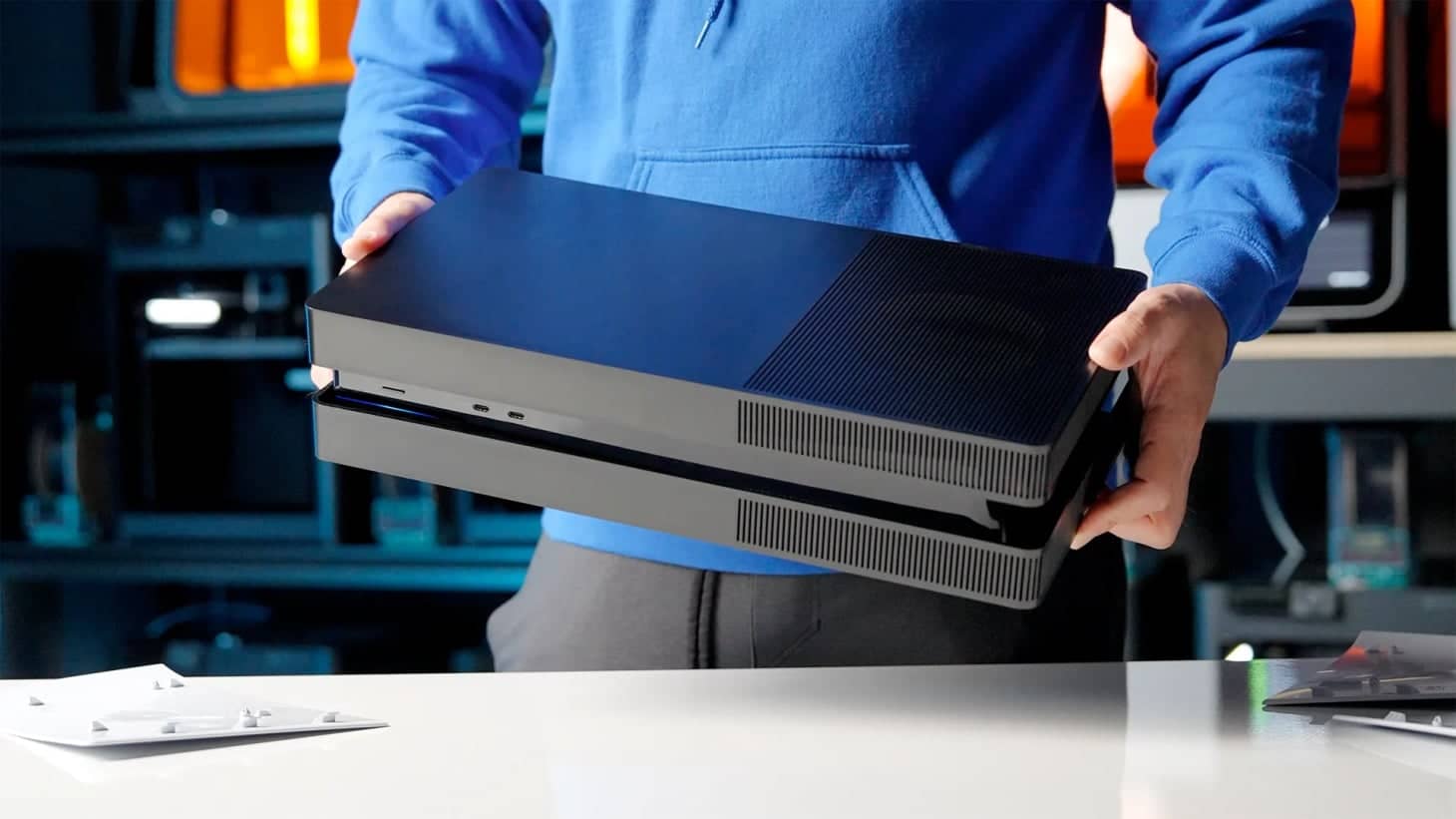
    BoxPlates Skins Revamp PS5 Slim & Pro in Two Weeks

    BoxPlates Skins Revamp PS5 Slim & Pro in Two Weeks

    1 day ago
    Artemis 2 Rockets Beyond Earth—402,000 km From Home

    Artemis 2 Rockets Beyond Earth—402,000 km From Home

    Lift‑off at 8:23 a.m. ET marks first crewed lunar flight since 1972, with a diverse four‑person crew

    2 days ago
    Apple celebrates 50 years with new minimalist wallpapers

    Apple celebrates 50 years with new minimalist wallpapers

    Basic Apple Guy releases iPhone and Mac wallpapers for Apple’s 50th anniversary

    2 days ago
    Razer Unveils Pro Type Ergo Ergonomic Keyboard Today

    Razer Unveils Pro Type Ergo Ergonomic Keyboard Today

    Split design, AI button, and 19‑zone RGB aim at U.S. workers with a 9.7% RSI rate

    3 days ago
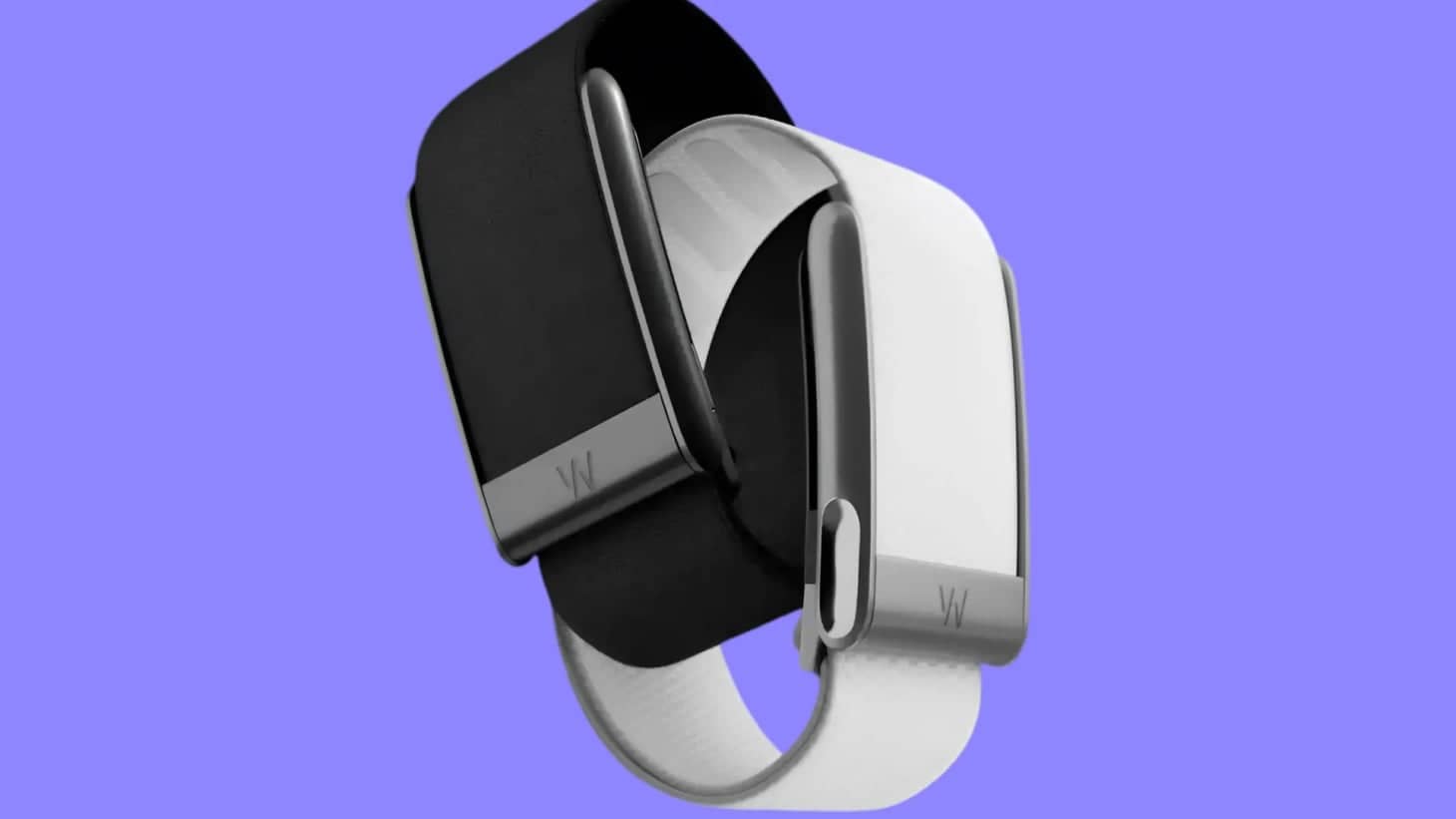
    Google to debut screen‑free Fitbit band in 2026

    Google to debut screen‑free Fitbit band in 2026

    AI‑driven training plan and upgraded platform aim at the health‑tracking market against Oura and Whoop

    3 days ago
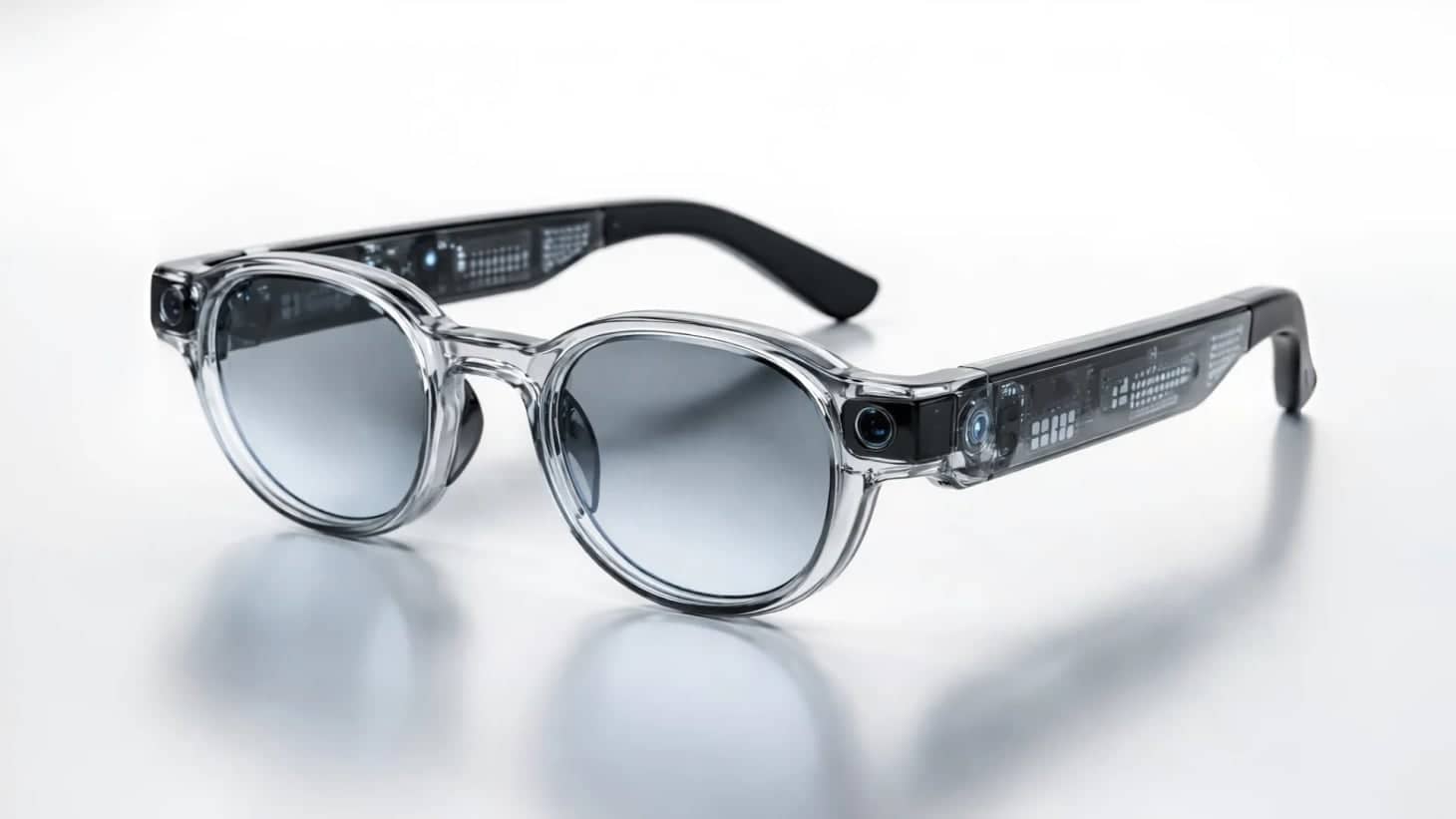
    Nothing unveils AI‑powered smart glasses for a 2027 launch

    Nothing unveils AI‑powered smart glasses for a 2027 launch

    The glasses use a paired phone and cloud, with a clear frame and LED accents

    3 days ago
    Google rolls out Veo 3.1 Lite, halving AI video costs

    Google rolls out Veo 3.1 Lite, halving AI video costs

    Veo 3.1 Lite matches Veo 3.1 Fast speed but cuts price by over 50% for devs now

    3 days ago
    Freelander 97 Debuts 800‑V EV Crossover in Shanghai

    Freelander 97 Debuts 800‑V EV Crossover in Shanghai

    Chery‑JLR showcases ADS 4.1 autonomy on 800‑V platform, eyeing 2028 launch

    3 days ago
    Telegram Launches Version 12.6 With AI Editor, New Polls

    Telegram Launches Version 12.6 With AI Editor, New Polls

    It adds an AI tone editor, richer polls, Live/Motion Photos, and bot management

    3 days ago

    Pixel 11 Pro Renders Leak With Black Camera Bar and MediaTek Modem

    Google’s August 2026 flagship ditches Samsung radios for improved 5G and runs the Tensor G6

    3 days ago

    Anthropic leak reveals Opus 4.7, Sonnet 4.8 in npm 2.1.88

    Leak on March 30‑31 exposed TypeScript, revealing Opus 4.7, Sonnet 4.8, and internal features

    3 days ago
    iOS 26.5 beta lands on iPhone 17 Pro with an 8 GB download

    iOS 26.5 beta lands on iPhone 17 Pro with an 8 GB download

    Apple restores RCS encryption and adds a 12‑month subscription in the update

    3 days ago
    Windows 11 24H2 Brings Dark Mode to Core Utilities

    Windows 11 24H2 Brings Dark Mode to Core Utilities

    Tools like Registry Editor get dark mode in Windows 11 24H2, out in Sep 2026

    5 days ago

    John Noble's 1,024 Thread Implant Powers Warcraft Raids

    John Noble, a former British parachutist turned veteran gamer, received a neural implant with 1,024 threads after a 2024 trial in Seattle. The device lets him control a MacBook with thought alone, turning World of Warcraft raids into hands‑free battles. His story shows how brain‑computer interfaces can expand digital access for disabled veterans and reshape gaming.

    5 days ago
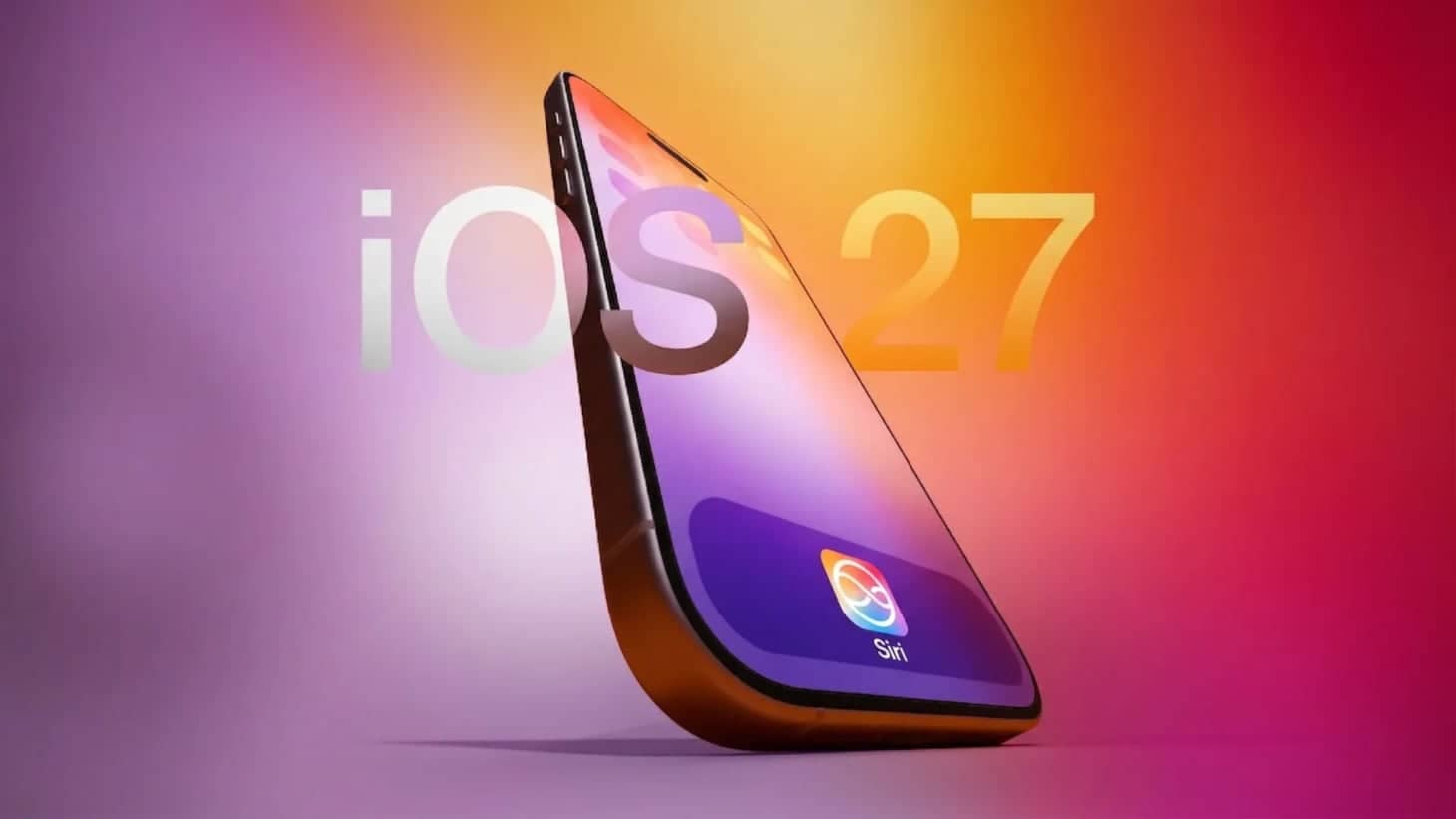
    Apple unveils Siri app for iOS 27, adds 50+ AI agents

    Apple unveils Siri app for iOS 27, adds 50+ AI agents

    iOS 27 Siri app adds Extensions marketplace, eyeing Alexa’s 100,000‑skill store

    5 days ago
    Loading...
Health/Prevention

How Stress Shortens Telomeres—and How to Fight Back

Discover how cortisol erodes chromosome caps and proven habits to guard DNA

February 12, 2026, 4:34 pm

Chronic stress floods the body with cortisol, sparking inflammation, oxidative damage, and a slowdown of telomerase—the enzyme that rebuilds chromosome caps. The resulting telomere shortening speeds cellular aging and raises disease risk. This guide explains the biology and offers exercise, sleep, and diet tips that protect your DNA and keep your biological clock in check.

image (21)

Summary

  • Cortisol from chronic stress sparks inflammation, oxidative damage, and cuts telomerase, shrinking telomeres about 550 bases—≈9‑10 years of cellular aging.
  • Study of mothers of chronically ill kids versus healthy peers showed telomeres 550 bases shorter—about ten years of extra cellular aging.
  • Regular aerobic exercise, 2‑hour sleep, and a Mediterranean‑style diet boost telomerase, lower inflammation, and keep telomeres longer, slowing stress‑driven aging.

A 2004 study found that chronic stress ages your cells the equivalent of nine to ten years. Not through gray hair or wrinkles. Through something invisible: protective caps on your chromosomes called telomeres. The damage happens whether you feel stressed or not.

The mechanism is measurable. When chronic stress floods your system with cortisol, these molecular timekeepers accelerate their countdown. Your cells age faster than your calendar suggests. But the same biological pathways respond to intervention. Regular exercise, adequate sleep, and anti-inflammatory nutrition alter how your DNA weathers the storm.

The Plastic Tips Keeping Your DNA From Fraying

Telomeres work like the plastic tips on shoelaces. They sit at the ends of chromosomes, preventing the genetic code from fraying or tangling with neighboring strands. Each time a cell divides, telomeres lose a small segment of their repeating DNA sequences.

Eventually, they become too short to protect the chromosome. The cell stops dividing, enters senescence, or dies. This is not just cellular housekeeping.

Short telomeres correlate with cardiovascular disease, type 2 diabetes, certain cancers, and reduced lifespan. They are one of the clearest biomarkers we have for biological age: how worn your body actually is, independent of birthdays.

How Chronic Stress Damages Telomeres

Cortisol is the messenger that sets the aging process in motion. When stress becomes chronic—weeks of deadline pressure, months of caregiving strain, years of financial uncertainty—cortisol levels remain elevated. This sustained signal triggers four distinct damage pathways.

Why Your Stress Hormone Becomes an Arsonist

Elevated cortisol stimulates immune cells to release pro-inflammatory cytokines. Short bursts of inflammation help you heal from injury or fight infection. But chronic inflammation, what researchers call "inflammaging," damages cells throughout the body.

Telomeres are especially vulnerable. Studies show inflammatory markers like IL-6 and TNF-alpha correlate with accelerated telomere shortening. The connection is direct. The inflammation does not stop when the perceived threat ends. It lingers, attacking the weakest cellular structures first.

The Rust That Eats Your Cellular Infrastructure

Stress increases production of reactive oxygen species: unstable molecules that attack cellular structures. Telomeres lack robust repair mechanisms compared to other DNA regions. When reactive oxygen species accumulate faster than antioxidant defenses can neutralize them, telomeres take disproportionate damage.

The damage compounds over time because telomeres cannot call for backup the way other DNA segments can. Your cells lose their primary defense against the constant erosion that comes with every division cycle.

When the Repair Crew Gets Sidelined

Telomerase is the enzyme that rebuilds telomere length. It is most active in stem cells and certain immune cells. Chronic stress suppresses telomerase activity in white blood cells, removing one of your body's natural buffers against telomere loss.

With the repair crew sidelined, shortening accelerates. The erosion continues unchecked through every division cycle.

Research Links Stress to Shorter Telomeres

A 2004 study published in the Proceedings of the National Academy of Sciences compared 58 premenopausal women: 39 mothers caring for chronically ill children and 19 mothers of healthy kids. The research team from the University of California, San Francisco measured peripheral blood mononuclear cells to assess mean telomere length, telomerase activity, and oxidative stress markers.

The highest perceived stress quartile showed telomeres with a mean of approximately 3,110 base pairs. The lowest stress quartile measured approximately 3,660 base pairs. That 550 base pair difference correlated with cellular aging patterns typically seen across nine to ten years in this population.

The researchers controlled for age and other variables. They measured not only shorter telomeres but also lower telomerase activity and higher oxidative stress in higher-stress individuals. The findings supported the multi-pathway mechanism connecting psychological stress to cellular damage.

Important limitations exist. The design was cross-sectional, not longitudinal. The conversion of telomere differences to "years of aging" depends on assumptions about age-related telomere loss rates, which vary by population. The sample was small and restricted to one demographic.

Yet meta-analyses since then confirm the pattern across populations. Trauma survivors, people with depression or PTSD, and individuals in high-demand jobs all show shorter telomeres than matched controls.

Animal research establishes causality. When researchers subject mice to chronic stressors, telomere shortening accelerates in measurable, reproducible ways. The mechanism is not just correlation. It is a biological pathway scientists can trace from cortisol receptor activation to DNA damage.

Stress Impairs DNA Repair Systems

Stress does not just shorten telomeres. It sabotages the systems that fix everyday DNA damage. Your cells constantly repair breaks, mutations, and oxidative hits through specialized pathways.

Chronic inflammation and elevated cortisol interfere with these repair systems. The result compounds over time. Damage accumulates. Cells age faster. The risk of age-related diseases climbs.

You are not just losing telomere length. You are losing repair capacity across your entire genome.

Exercise Protects Telomeres From Stress Damage

Aerobic activity boosts telomerase production in immune cells. Pooled evidence from multiple studies shows 120 to 150 minutes of moderate-intensity exercise per week—activities like brisk walking, cycling, or swimming—reduces inflammation and oxidative stress markers.

High-intensity interval training shows especially strong effects. Short bursts of hard effort followed by recovery periods activate protective pathways. The mechanism involves multiple systems. Exercise reduces circulating cortisol over time. It enhances antioxidant enzyme systems. It promotes mitochondrial health, which lowers oxidative stress at the source.

Research on active individuals under high stress shows they experience significantly less telomere shortening compared to inactive peers facing similar pressure. Companies like Google and Apple have integrated movement breaks and fitness programs into workplace wellness initiatives, recognizing the cellular protection benefits extend beyond productivity metrics.

Resistance training adds a complementary benefit. Strength work reduces systemic inflammation through different mechanisms than aerobic exercise, creating broader cellular protection. A balanced program combines both cardiovascular endurance and muscle-building work. The goal is to give your cells multiple layers of defense against stress-driven damage.

Sleep Reduces Stress-Driven Aging

Seven to nine hours of quality sleep is a biological requirement for DNA repair and cellular recovery. Sleep deprivation elevates cortisol, inflammatory markers, and oxidative stress: the exact trio that accelerates telomere loss.

During deep sleep stages, growth hormone secretion peaks and cortisol drops to its daily low point. This window allows repair systems to work uninterrupted. People who consistently get adequate sleep maintain longer telomeres and show greater stress resilience.

The relationship is dose-dependent. Every hour of lost sleep correlates with measurable increases in inflammatory markers the next day. Quality matters as much as duration. Sleep latency (how long it takes to fall asleep) and wake frequency (how often you wake during the night) both affect cortisol patterns and repair capacity.

Wearable devices like Oura Ring and Whoop now track sleep stages and recovery metrics, making it easier to identify patterns and measure improvements. If you struggle with sleep, consult a healthcare provider. Addressing underlying issues like sleep apnea or chronic insomnia protects more than your energy levels. It protects your DNA.

Building a Cellular Defense System That Lasts

Diet influences the inflammatory baseline your body operates from. Diets high in refined sugars, processed meats, and trans fats promote inflammation. Mediterranean-style eating patterns—vegetables, fruits, whole grains, fatty fish, nuts, and olive oil—lower inflammatory markers and oxidative stress.

Specific nutrients matter. Omega-3 fatty acids from fish reduce pro-inflammatory cytokine production. Polyphenols from berries, green tea, and dark chocolate act as antioxidants. Vitamin D sufficiency correlates with longer telomeres in multiple studies.

The goal is not perfection but shifting the balance toward foods that support cellular repair rather than sabotage it. Small, consistent changes accumulate into measurable protection over months and years.

Lifestyle creates a protective buffer even when stress stays high. Research on high-stress professionals who maintain exercise routines and sleep discipline shows they experience less cellular aging than peers under similar pressure who neglect these basics. The interventions do not eliminate stress, but they change how your cells respond to it.

Measuring What Matters

Telomere length testing is becoming more accessible through specialty labs, though it is not yet standard clinical practice. More practical for most people: track proxy markers. High-sensitivity C-reactive protein measures inflammation and is available through most primary care providers or direct-to-consumer labs like Quest. Hemoglobin A1c reflects metabolic stress. Resting heart rate variability indicates autonomic nervous system balance.

These biomarkers respond to lifestyle changes within weeks to months. They give you feedback much faster than waiting years to see disease outcomes. They turn cellular protection from an abstract concept into a measurable optimization problem you can track with your healthcare provider.

Your Cells Are Listening

The evidence reframes stress management from self-care rhetoric to biological intervention. Chronic psychological stress generates physiological damage through cortisol elevation, sustained inflammation, oxidative stress, telomere shortening, and impaired DNA repair. These changes appear in white blood cells within months and predict disease risk years later.

But the same biological pathways respond to behavioral intervention. Regular physical activity, adequate sleep, and anti-inflammatory nutrition do not just make you feel better. They alter gene expression, boost repair enzyme activity, and protect telomere length in ways that show up on lab tests.

You cannot always control the stressor. You can always influence how your cells respond to it. Start with one change this week: add a 20-minute walk, shift your bedtime 30 minutes earlier, or swap one processed meal for whole foods. Your cells are listening. They are ready to rebuild.

Topic

Cortisol Regulation Health

Why Every Strength Athlete Needs a Deload Week

3 March 2026

Why Every Strength Athlete Needs a Deload Week

Cortisol Explained: Stress Hormone, Sleep, and Weight

1 March 2026

Cortisol Explained: Stress Hormone, Sleep, and Weight

How Stress Breaks Your Skin Barrier—and How to Repair It

13 February 2026

How Stress Breaks Your Skin Barrier—and How to Repair It

Why You're Exhausted Despite Sleeping 8 Hours

11 February 2026

Why You're Exhausted Despite Sleeping 8 Hours

What is this about?

  • cortisol regulation/
  • stress reduction/
  • sleep optimization/
  • HPA axis health/
  • age-related weight management/
  • lifestyle medicine

Feed

    Cursor 3 Launches Unified AI Coding Workspace

    Cursor 3 Launches Unified AI Coding Workspace

    Side‑panel lets devs toggle local and cloud agents, building on Composer 2 and Kimi 2.5

    about 19 hours ago
    Orion’s Six‑Minute Burn Puts Artemis 2 on Free‑Return Path

    Orion’s Six‑Minute Burn Puts Artemis 2 on Free‑Return Path

    iPhone 17 Pro Max survives Orion’s deep‑space test as crew heads to lunar flyby

    about 21 hours ago
    Android 17 Introduces System‑Level Notification Rules

    Android 17 Introduces System‑Level Notification Rules

    Samsung’s One UI 9 will adopt Android 17’s rules, adding OS‑level alert control

    about 21 hours ago

    Nvidia rolls out DLSS 4.5, 6× boost on RTX 50-series

    Dynamic Multi‑Frame Generation smooths 120–240 Hz, delivered in the driver 595.97

    about 23 hours ago
    Apple rolls out iOS 18.7.7 to block DarkSword

    Apple rolls out iOS 18.7.7 to block DarkSword

    Patch fixes six Safari bugs, stopping DarkSword on iOS 18–18.7 devices

    1 day ago
    BoxPlates Skins Revamp PS5 Slim & Pro in Two Weeks

    BoxPlates Skins Revamp PS5 Slim & Pro in Two Weeks

    1 day ago
    Artemis 2 Rockets Beyond Earth—402,000 km From Home

    Artemis 2 Rockets Beyond Earth—402,000 km From Home

    Lift‑off at 8:23 a.m. ET marks first crewed lunar flight since 1972, with a diverse four‑person crew

    2 days ago
    Apple celebrates 50 years with new minimalist wallpapers

    Apple celebrates 50 years with new minimalist wallpapers

    Basic Apple Guy releases iPhone and Mac wallpapers for Apple’s 50th anniversary

    2 days ago
    Razer Unveils Pro Type Ergo Ergonomic Keyboard Today

    Razer Unveils Pro Type Ergo Ergonomic Keyboard Today

    Split design, AI button, and 19‑zone RGB aim at U.S. workers with a 9.7% RSI rate

    3 days ago
    Google to debut screen‑free Fitbit band in 2026

    Google to debut screen‑free Fitbit band in 2026

    AI‑driven training plan and upgraded platform aim at the health‑tracking market against Oura and Whoop

    3 days ago
    Nothing unveils AI‑powered smart glasses for a 2027 launch

    Nothing unveils AI‑powered smart glasses for a 2027 launch

    The glasses use a paired phone and cloud, with a clear frame and LED accents

    3 days ago
    Google rolls out Veo 3.1 Lite, halving AI video costs

    Google rolls out Veo 3.1 Lite, halving AI video costs

    Veo 3.1 Lite matches Veo 3.1 Fast speed but cuts price by over 50% for devs now

    3 days ago
    Freelander 97 Debuts 800‑V EV Crossover in Shanghai

    Freelander 97 Debuts 800‑V EV Crossover in Shanghai

    Chery‑JLR showcases ADS 4.1 autonomy on 800‑V platform, eyeing 2028 launch

    3 days ago
    Telegram Launches Version 12.6 With AI Editor, New Polls

    Telegram Launches Version 12.6 With AI Editor, New Polls

    It adds an AI tone editor, richer polls, Live/Motion Photos, and bot management

    3 days ago

    Pixel 11 Pro Renders Leak With Black Camera Bar and MediaTek Modem

    Google’s August 2026 flagship ditches Samsung radios for improved 5G and runs the Tensor G6

    3 days ago

    Anthropic leak reveals Opus 4.7, Sonnet 4.8 in npm 2.1.88

    Leak on March 30‑31 exposed TypeScript, revealing Opus 4.7, Sonnet 4.8, and internal features

    3 days ago
    iOS 26.5 beta lands on iPhone 17 Pro with an 8 GB download

    iOS 26.5 beta lands on iPhone 17 Pro with an 8 GB download

    Apple restores RCS encryption and adds a 12‑month subscription in the update

    3 days ago
    Windows 11 24H2 Brings Dark Mode to Core Utilities

    Windows 11 24H2 Brings Dark Mode to Core Utilities

    Tools like Registry Editor get dark mode in Windows 11 24H2, out in Sep 2026

    5 days ago

    John Noble's 1,024 Thread Implant Powers Warcraft Raids

    John Noble, a former British parachutist turned veteran gamer, received a neural implant with 1,024 threads after a 2024 trial in Seattle. The device lets him control a MacBook with thought alone, turning World of Warcraft raids into hands‑free battles. His story shows how brain‑computer interfaces can expand digital access for disabled veterans and reshape gaming.

    5 days ago
    Apple unveils Siri app for iOS 27, adds 50+ AI agents

    Apple unveils Siri app for iOS 27, adds 50+ AI agents

    iOS 27 Siri app adds Extensions marketplace, eyeing Alexa’s 100,000‑skill store

    5 days ago
    Loading...
banner