
• My Feed
  • Home
  • What's Important
  • Media & Entertainment
Search

Stay Curious. Stay Wanture.

© 2026 Wanture. All rights reserved.

  • Terms of Use
  • Privacy Policy
Health/Prevention

Biological Age Tests: How They Work and What They Reveal

Discover how epigenetic clocks, blood panels, wearables, and AI combine to turn your age score into a targeted health plan

20 March 2026

—

Explainer *

Marcus Lee

banner

Biological age tests have moved from niche labs to everyday use, covering DNA‑methylation clocks, blood panels such as PhenoAge, wearable fitness metrics, organ imaging, and AI composites. This explainer shows how each method works, what it predicts for mortality and disease, and how to turn the results into concrete sleep, nutrition, and exercise plans.

Close-up of an elderly woman’s face with a glowing DNA helix overlay, symbolizing aging and genetics.

Summary:

  • Biological age measures how well body systems function, unlike calendar age, and a lower biological age signals reduced inflammation and stronger heart health.
  • Four tests—epigenetic clocks, blood biomarker panels, wearable fitness metrics, and organ imaging—vary in cost, result speed, and health insight they provide.
  • Pick one or two tests that match your goals, track trends for 3‑6 months, and adjust sleep, diet, exercise, or medication based on each metric’s signal.

Biological age testing has moved from niche labs into consumer hands. Direct-to-consumer kits are expanding fast. Wearable sensors track heart rate variability every night. Clinicians now use age metrics to guide preventive care. Understanding how each test works, what it predicts, and how to act on the results can turn a single number into a roadmap for better sleep, nutrition, and movement.

How Biological Age Differs from Chronological Age

Biological age estimates the functional state of body systems. Chronological age counts birthdays. Biological age reflects how well cells repair, how arteries respond to stress, and how muscles recover. A 45-year‑old with a biological age of 35 may have lower inflammation and stronger heart function than a peer whose biological age matches their calendar years.

Why Biological Age Tests Give Different Numbers

Each test models a different layer of physiology. Epigenetic clocks read DNA methylation. Biochemical panels analyze blood chemistry. Functional assessments measure fitness capacity. Because the inputs vary, the outputs can diverge. Yet each number is valid within its own framework. Comparing raw numbers across different platforms is a common mistake—what matters is tracking trends within a single method over time.

Four Methods for Calculating Biological Age

Four broad categories dominate the market. They are epigenetic clocks, biochemical models, physiological fitness measures, and organ-specific imaging. Selecting one or two methods that align with personal goals yields the most actionable insight.

Epigenetic Clocks: DNA Methylation Testing

Epigenetic clocks decode chemical tags on DNA that accumulate with cell division. The Horvath Clock and GrimAge examine hundreds of methylation sites. They translate patterns into an age estimate.

A meta‑analysis of 15,013 participants across 15 cohorts found that individuals whose epigenetic age exceeded chronological age by ten years faced a 40 percent higher risk of death over the next decade. This link between methylation age and mortality is robust across diverse populations. The Aging Cell 2022 meta‑analysis provides the evidence.

Tests cost $200 to $500 and require a lab draw. Results take weeks. This makes them less convenient for frequent monitoring but highly predictive of long‑term risk.

Biochemical Models: Blood Test Biomarkers

Biochemical models combine routine blood markers with age to predict health outcomes. PhenoAge, derived from the NHANES cohort, uses nine markers plus chronological age. The markers are albumin, creatinine, glucose, C‑reactive protein, lymphocyte percentage, mean corpuscular volume, red cell distribution width, alkaline phosphatase, and white blood cell count.

An observational analysis of 15,320 U.S. adults showed that higher PhenoAge scores correlated with a 25 percent increase in all‑cause mortality. This held after adjusting for lifestyle factors. PhenoAge captures metabolic and inflammatory stress that drives aging. The NHANES study documents the association.

The assay costs under $100 through standard labs. Results return in days. This allows quarterly tracking. Short‑term illnesses can temporarily raise scores, so trends over months are more informative than single readings.

Physiological Models: Functional Fitness Measures

Functional models assess what the body can do in real time. Maximal oxygen uptake (VO₂max) quantifies cardiovascular efficiency. Heart rate variability (HRV) reflects autonomic balance.

A JACC 2023 study of 93,060 participants demonstrated that each 1.0 MET increase in cardiorespiratory fitness reduced all‑cause mortality risk proportionally. Declines in fitness raised risk sharply. Fitness metrics link directly to lifespan. The JACC 2023 study provides the data.

Wearables such as Oura Ring estimate VO₂max and HRV from nightly pulse and activity. They deliver updates weekly. Because fitness adapts quickly to training, these measures are ideal for evaluating exercise or sleep interventions.

Organ‑Specific Aging Clocks

Imaging tests reveal age‑related changes in particular organs. Coronary artery calcium scoring uses low‑dose CT to quantify plaque. A score above 100 signals accelerated arterial aging and prompts intensified lipid management.

Carotid intima‑media thickness measured by ultrasound predicts stroke risk. Brain MRI‑derived age estimates compare white‑matter lesions to age‑matched norms. These tests do not produce a single age number. They highlight where preventive action is most needed.

Comparing the Four Methods

  • Epigenetic clocks: $200 to $500, weeks for results, measures DNA methylation, best for long‑term mortality risk prediction
  • Biochemical models (PhenoAge): under $100, days for results, measures blood markers, best for quarterly metabolic and inflammation tracking
  • Physiological fitness (VO₂max, HRV): $0 to $300 for wearable, weekly updates, measures cardiovascular and autonomic function, best for short‑term exercise and sleep intervention tracking
  • Organ‑specific imaging: $100 to $500 per scan, days for results, measures structural changes in arteries or brain, best for targeted preventive action in specific organs

How to Select, Track, and Act on Results

Choose one or two tools based on your goals and timeline. If you want to track quick responses to lifestyle changes, use wearable‑based VO₂max or HRV. Track VO₂max monthly after starting a running program to see fitness gains within 8 to 12 weeks. If you are focused on long‑term metabolic health, retest PhenoAge quarterly when changing diet. Compare trends rather than single readings.

For long‑term mortality risk assessment, order an epigenetic clock test annually. Pair it with PhenoAge to capture both genetic and metabolic layers. This combination provides both a baseline risk forecast and a responsive metric for behavior change.

Use the data to guide specific actions. A high PhenoAge score with elevated C‑reactive protein signals inflammation—prioritize anti‑inflammatory foods and adequate sleep. A declining VO₂max prompts a return to structured cardio training. A rising coronary calcium score leads to a discussion with a clinician about statin therapy or intensified lipid control.

Track trends over at least three to six months before adjusting strategy. Single readings fluctuate with illness, stress, and measurement error. Consistent patterns reveal whether sleep improvements, dietary shifts, or exercise programs are moving the needle. The goal is not to chase an ideal age number but to reduce risk, improve function, and slow the rate of system degradation. These tests translate physiological change into a guide for living longer and better.

What is this about?

  • Wearable health detection/
  • inflammation biomarkers/
  • muscle health/
  • Epigenetic Clocks/
  • Biological Age Testing

Feed

    Windows 11 Update KB5079473 Blocks Consumer Sign‑Ins

    Microsoft’s March 12 Windows 11 cumulative update KB5079473 mistakenly treats standard Microsoft accounts as offline, blocking sign‑ins to Teams, OneDrive, Edge, Office, and Copilot. Enterprise Entra ID accounts still work. A quick fix is to restart the PC while connected to the internet. Microsoft is preparing a permanent patch; updates will appear on the Windows Release Health blog.

    Windows 11 Update KB5079473 Blocks Consumer Sign‑Ins
    about 1 hour ago

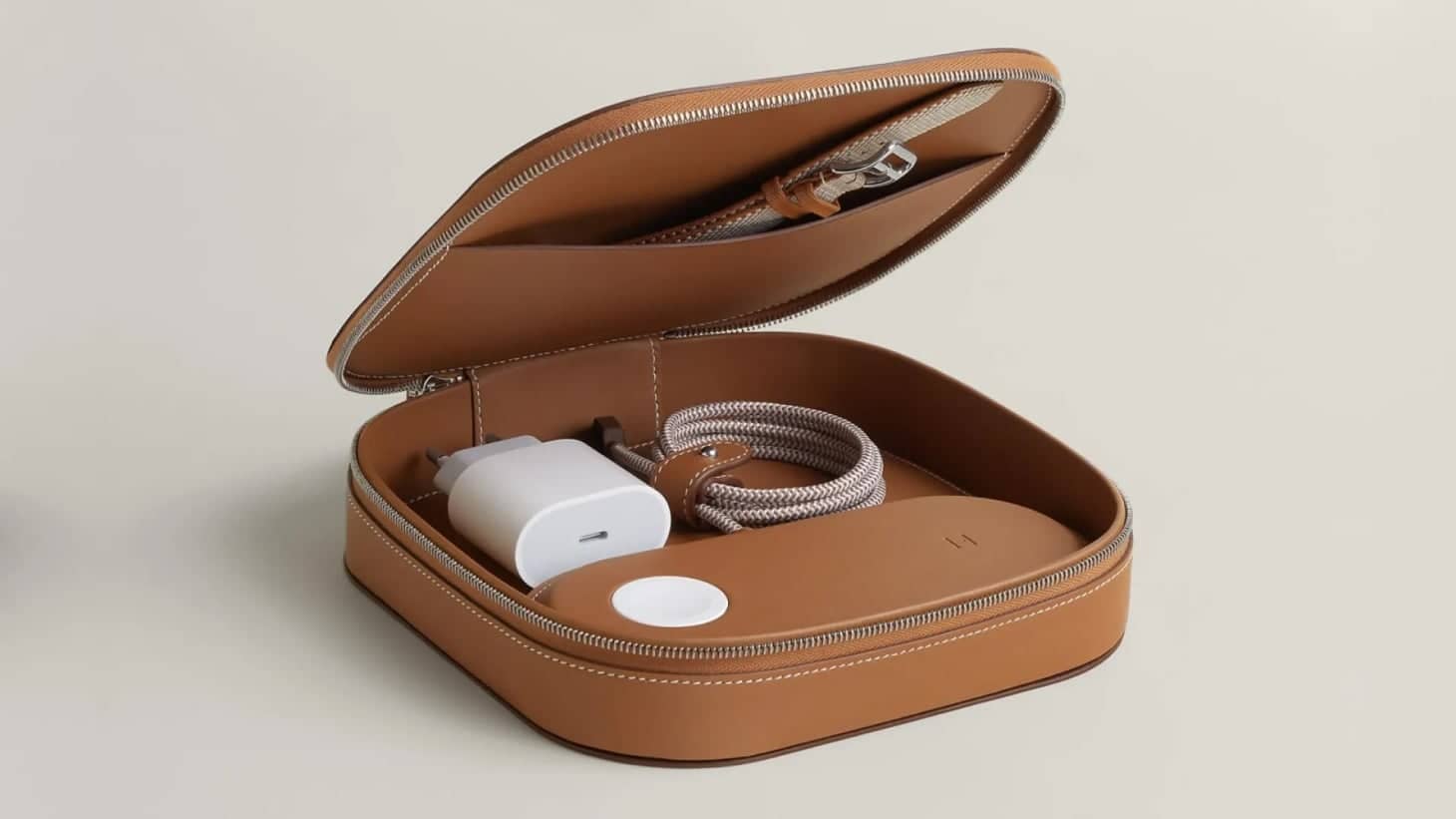
    Hermès Unveils Grand Paddock MagSafe Bag for U.S. Buyers

    Hermès has entered the U.S. luxury‑tech market with the Grand Paddock bag, a calfskin case that integrates a Paddock Duo MagSafe charger for simultaneous iPhone and Watch charging. The accessory arrives as consumer‑tech spending tops $527 billion, signaling a push toward premium, wireless‑ready leather goods for affluent buyers.

    Hermès Unveils Grand Paddock MagSafe Bag for U.S. Buyers
    about 8 hours ago

    Xiaomi Launches G20 Smart Bathroom Heater in China

    Xiaomi launched the Mijia G20 smart bathroom heater on March 20, 2026, for compact Chinese apartments. The ceiling‑mount unit combines a 2,800 W graphene heater, a 240 m³/h exhaust fan, and a 5‑W LED, raising bathroom temperature by 68 °F in about a minute. It offers app, Bluetooth, and voice‑assistant control, but U.S. certification and firmware support remain unclear.

    Xiaomi Launches G20 Smart Bathroom Heater in China
    about 10 hours ago

    Perplexity Releases Comet AI Browser for iPhone on March 18

    Perplexity’s Comet AI browser launched on the iPhone on March 18, a week after its planned March 11 debut. The app embeds AI‑powered search, chat, and page‑summarizing tools directly into the mobile browser, letting power users automate tasks without swapping apps. It syncs with Perplexity’s macOS 13 Personal Computer agent for processing, closing the gap in AI‑driven browsing.

    Perplexity Releases Comet AI Browser for iPhone on March 18
    1 day ago

    Xiaomi Notebook Pro 14 Debuts with Intel Core Ultra X7 358H

    Xiaomi unveiled the Notebook Pro 14, a 14.6‑inch OLED laptop weighing 2.4 lb. It runs on Intel Core Ultra X7 358H, delivering up to 50 W performance, while a 72 Wh battery provides about 12.4 hours of video‑call use. Graphene‑plate cooling reduces hotspots by up to 41 °F, and Thunderbolt 4 offers 40 Gb/s data transfer alongside 10 Gb/s and 5 Gb/s USB‑C ports.

    Xiaomi Notebook Pro 14 Debuts with Intel Core Ultra X7 358H
    1 day ago

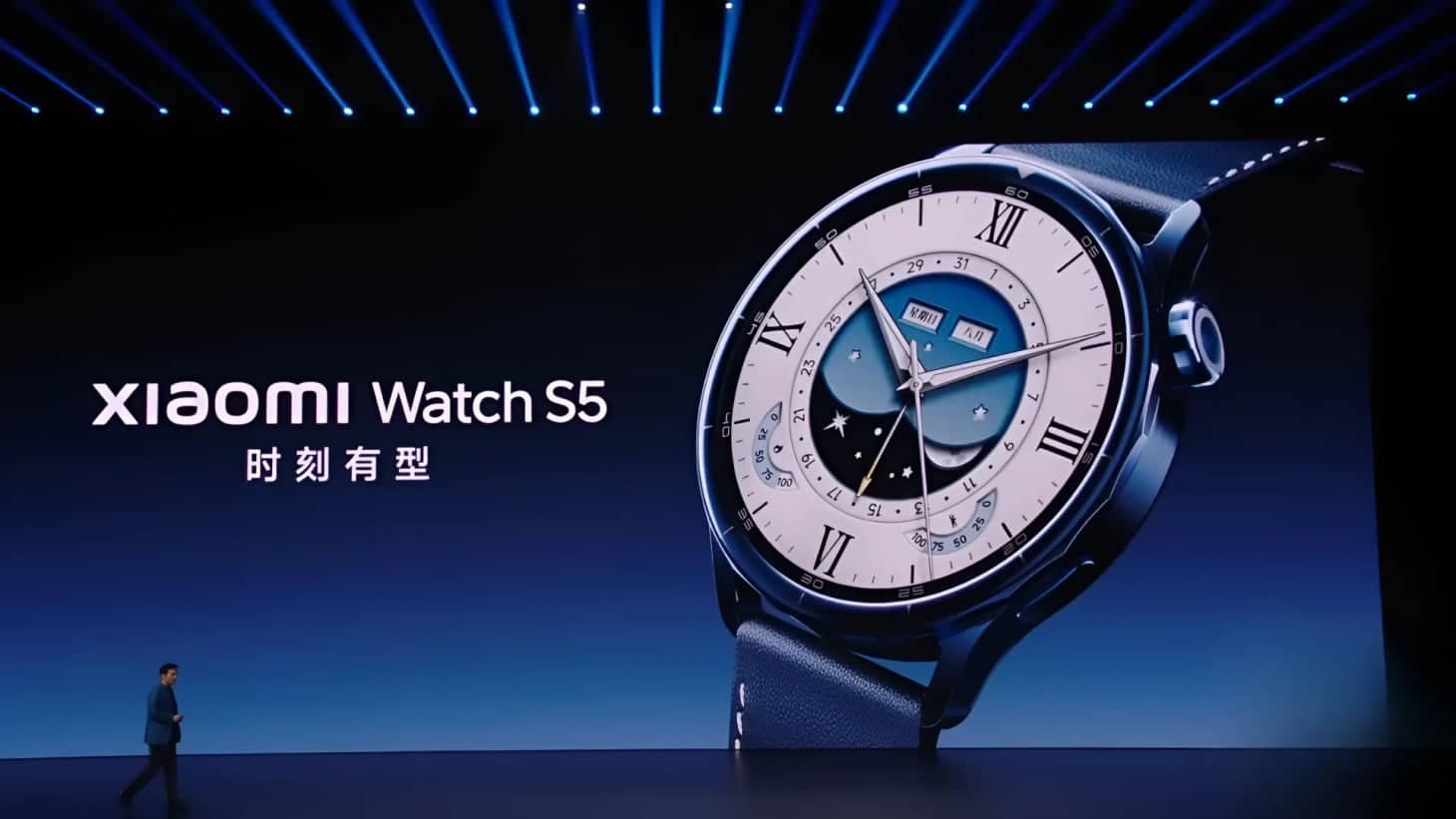
    Xiaomi Watch S5 Launches 21‑Day Battery, 2,500‑Nit Screen

    Xiaomi’s Watch S5 arrives in China with three finishes, stainless‑steel, ceramic‑bezel, and carbon‑bezel, and an eSIM option. It sports a 1.48‑inch OLED panel that reaches 2,500 nits, a 21‑day mixed‑use battery, dual‑band positioning, oxygen and stress monitoring, and 98.4% heart‑rate accuracy, positioning it against Apple’s and Samsung’s premium watches.

    Xiaomi Watch S5 Launches 21‑Day Battery, 2,500‑Nit Screen
    1 day ago

    Meta Pulls Horizon Worlds From Quest Store

    Meta announced on March 31 that Horizon Worlds will be removed from the Quest store, ending U.S. access to the VR platform after years of low adoption and $77 billion in Reality Labs losses. The company says it will shift resources to lighter, mobile‑first experiences while keeping the Horizon smartphone app for limited virtual exploration.

    Meta Pulls Horizon Worlds From Quest Store
    1 day ago

    Nvidia defends DLSS 5 as rendering, not interpolation

    On March 19, 2026, Nvidia launched DLSS 5, a neural rendering system that rebuilds scenes from geometry instead of interpolating frames. Ubisoft and Capcom learned of the integration at the announcement, prompting gamer backlash over artistic intent. Nvidia says developers can toggle DLSS 5 and set style parameters, keeping creative control as the feature rolls out this year.

    Nvidia defends DLSS 5 as rendering, not interpolation
    1 day ago

    Apple blocks Replit, Vibecode updates under rule 2.5.2

    On March 19, 2026 Apple invoked App Store rule 2.5.2 to block updates for Replit and Vibecode, citing the self‑contained rule that forbids apps from downloading or executing new code. The move forces the tools to drop in‑app code generation, pausing prototype pipelines for hundreds of developers and creating compliance hurdles for AI‑assisted coding platforms.

    Apple blocks Replit, Vibecode updates under rule 2.5.2
    1 day ago

    LEGO unveils 1,903‑piece Douglas DC‑3 Pan Am Icons set

    LEGO’s new Douglas DC‑3 Pan‑Am Icons set arrives on April 4 with 1,903 pieces, measuring 9×20×30 in. It includes working landing gear, removable fuselage panels, and an interactive cabin featuring seats and cockpit controls. Designed for builders 16 years+, it ships via LEGO stores, LEGO.com, and select hobby retailers, letting fans build a piece of aviation history at home.

    LEGO unveils 1,903‑piece Douglas DC‑3 Pan Am Icons set
    1 day ago

    Marriage Adds Up to Two Extra Years of Life

    This data story analyzes a 9,400‑person cohort showing married seniors live 1.5 to 2.2 years longer than unmarried peers. It shows spousal support boosts medication adherence and screening, while lowering inflammatory stress; toxic relationships reverse those gains. Practical steps: relationship check‑ins, communication workshops, and community events turn data for longevity gains.

    2 days ago

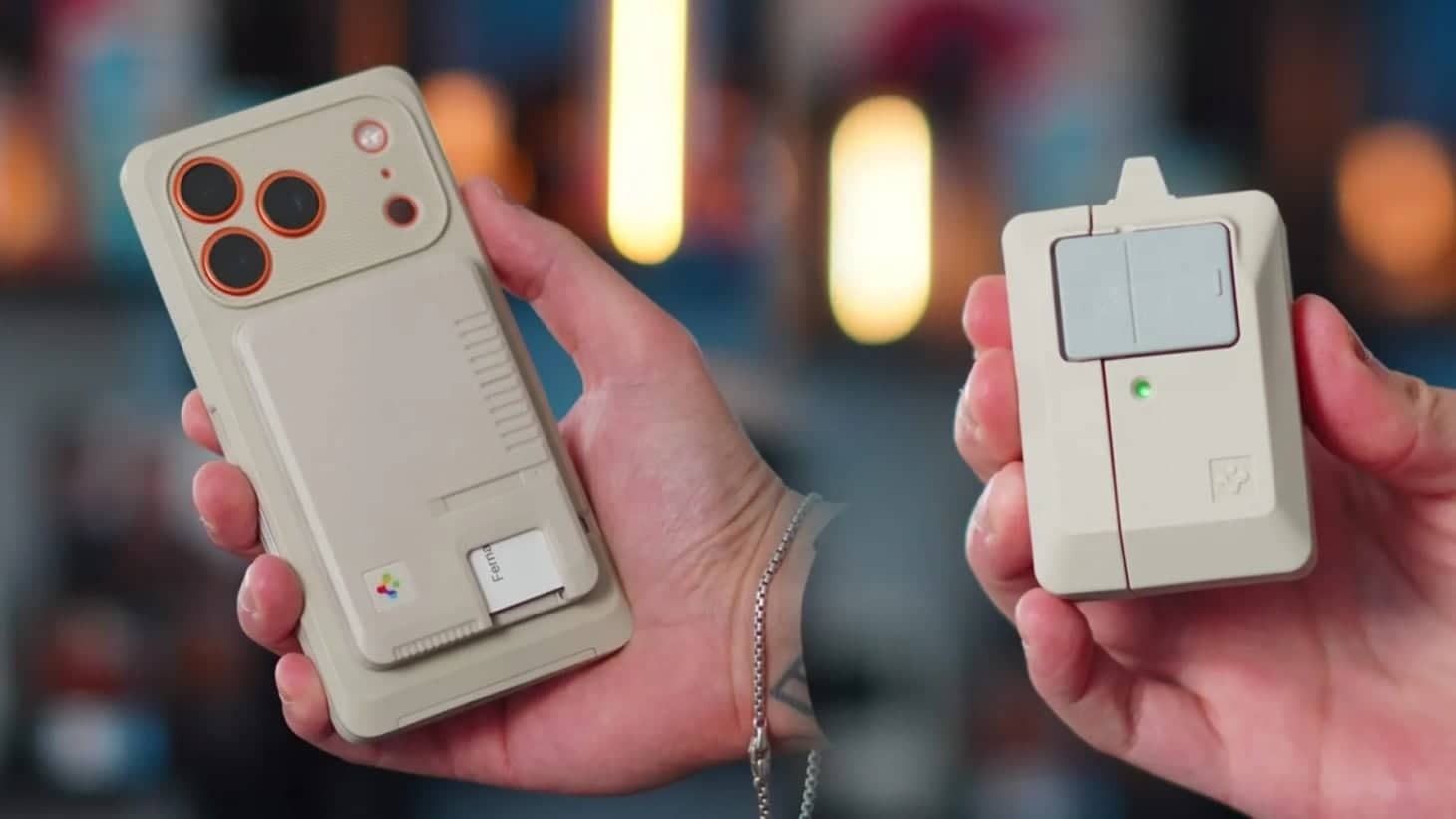
    Spigen releases retro‑styled case for AirPods Pro 3

    Spigen has launched a retro‑styled case for AirPods Pro 3 that mimics the iconic 1984 Macintosh mouse, complete with a lock button that delays opening by two seconds. The case, weighing 1.6 oz, retains MagSafe wireless charging and magnetic pairing, while the matching wallet adds a nostalgic touch as Apple marks its 50th anniversary in 2026.

    Spigen releases retro‑styled case for AirPods Pro 3
    2 days ago

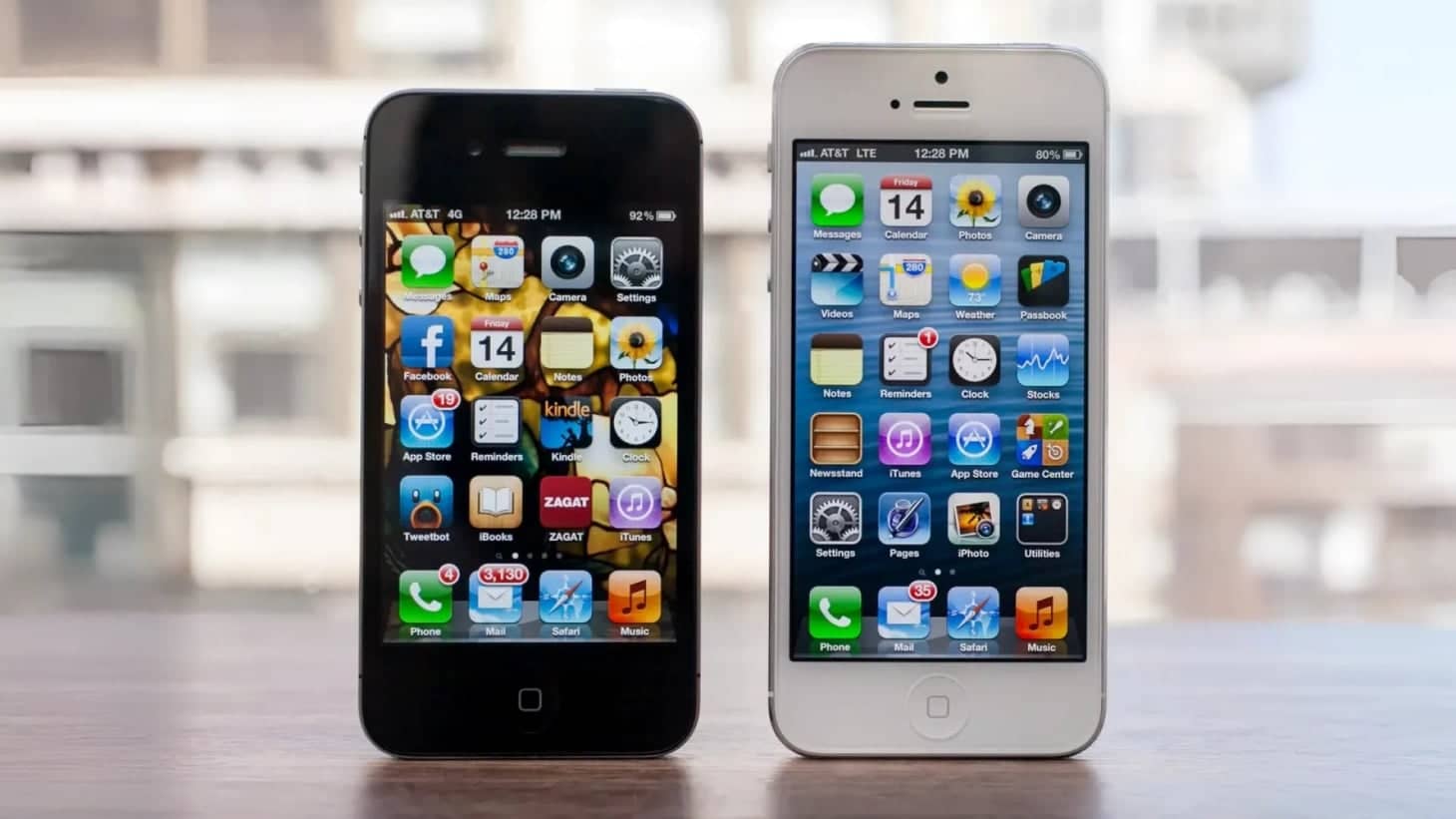
    Apple Declares iPhone 4 and iPhone 5 Obsolete

    Apple announced that the iPhone 4 and iPhone 5 are now classified as obsolete, ending all official parts shipments and repair services as of March 16, 2026. The move follows Apple’s seven‑year policy that shifts devices from vintage to obsolete after sales cease. Owners must turn to repair shops or consider upgrading, while Apple’s trade‑in program offers a recycling option.

    Apple Declares iPhone 4 and iPhone 5 Obsolete
    3 days ago

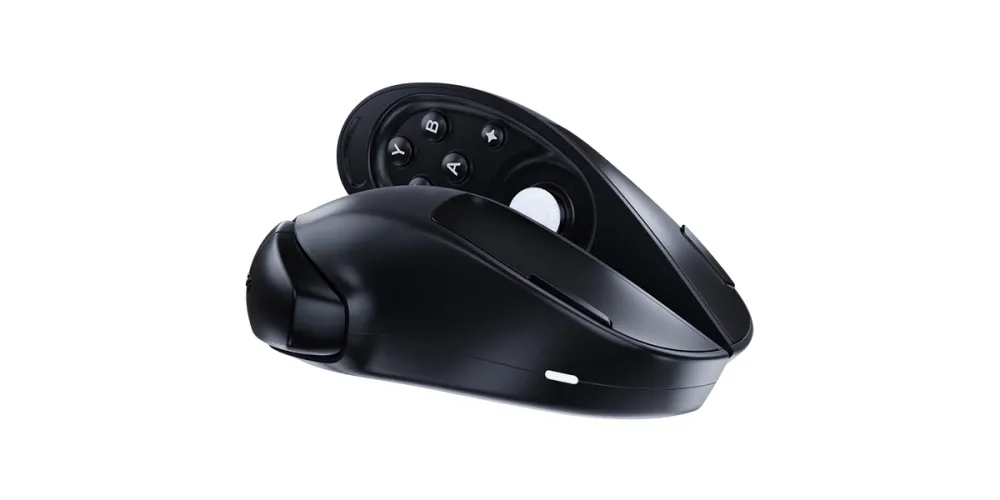
    Phase mouse splits into controllers, Pixelpaw Labs says

    Pixelpaw Labs' Phase modular gaming mouse separates into two wireless controllers that mimic Nintendo Switch Joy‑Cons. It packs a 16,000 DPI optical sensor, 1,000 Hz polling, and a touch‑sensitive panel for gestures. The optional Phasegrip frame clips the halves to a smartphone for handheld play. Pre‑orders start now with delivery expected late 2026.

    Phase mouse splits into controllers, Pixelpaw Labs says
    3 days ago

    Chrome 146 Adds Bookmarks Bar to Android Tablets

    Chrome 146 adds a desktop‑style bookmarks bar for Android tablets and foldable phones on Android 12 or later. Positioned below the address bar, it shows icon bookmarks and folders, with extra items hidden under a “More” menu. The feature eliminates the extra tap needed to open the bookmark manager, letting users jump between research tabs and saved sites without leaving the page.

    Chrome 146 Adds Bookmarks Bar to Android Tablets
    3 days ago

    Sony Rolls Out Updated PSSR Upscaler for PlayStation 5 Pro

    Sony released a March 16 system update that adds an enhanced PlayStation Spectral Super Resolution (PSSR) upscaler to PlayStation 5 Pro consoles. Independent testing shows clearer textures, reduced foliage shimmer, and steadier reflections while GPU load and latency remain unchanged. The patch supports 15 titles, and Cyberpunk 2077 and Assassin’s Creed Shadows are coming in future updates.

    Sony Rolls Out Updated PSSR Upscaler for PlayStation 5 Pro
    3 days ago

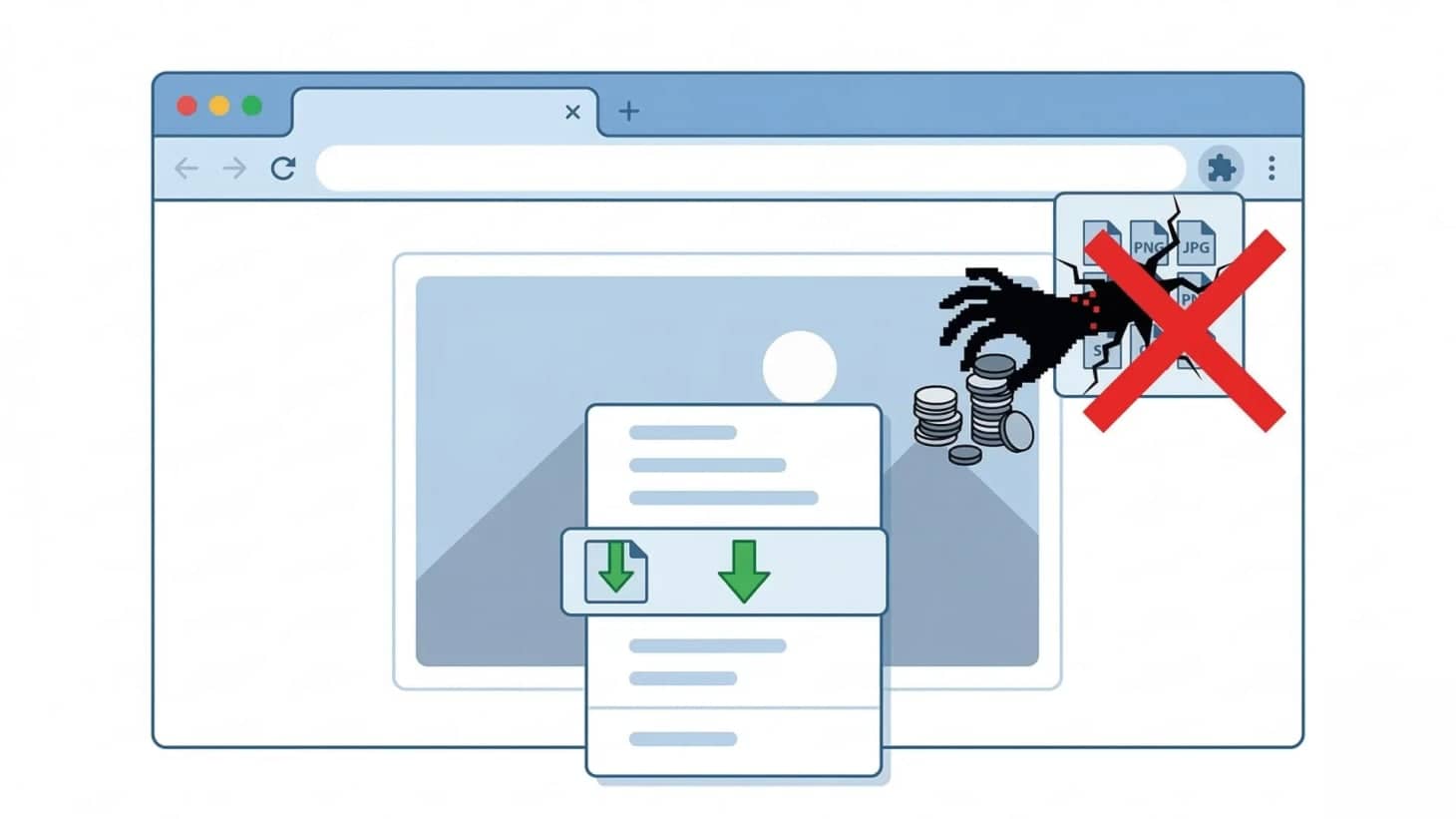
    Google Blocks Malicious Save‑image‑as‑Type Chrome Extension

    Google removed the Save‑image‑as‑Type Chrome extension on March 16, 2026, after a 2024 ownership change added code that swapped affiliate IDs at checkout. The script hijacked commissions from 578 retailers by rewriting URLs, cookie‑stuffing, and redirecting payouts to attackers. Users should uninstall the extension, clear e‑commerce cookies, and run a scan; firms should audit for risks.

    Google Blocks Malicious Save‑image‑as‑Type Chrome Extension
    4 days ago

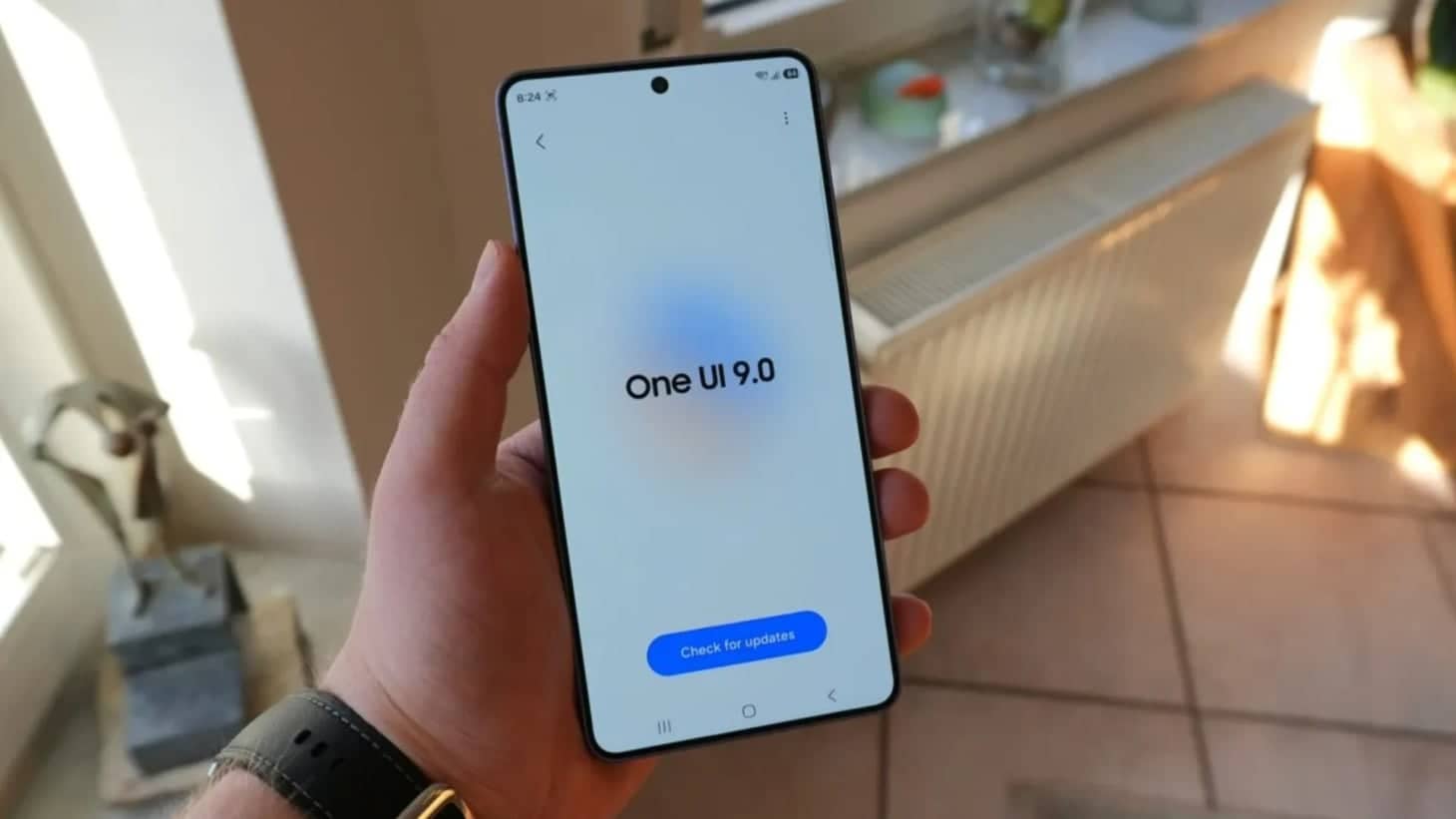
    OneUI 9 early build appears on Galaxy S26 before OneUI 8.5

    Samsung’s early‑build of OneUI 9 for the Galaxy S26, based on Android 17, appeared before the official OneUI 8.5 rollout. It adds larger brightness and volume sliders and moves the parental‑controls menu, though the system still shows Android 16. Since OneUI 8.5 launched in February 2026, the OneUI 9 build is a test version, pointing to a wider release around mid‑2026.

    OneUI 9 early build appears on Galaxy S26 before OneUI 8.5
    4 days ago

    Allen Institute Turns Mouse Brain Signals into Video

    On March 10, 2026, the Allen Institute reported in eLife that two‑photon imaging of 78,000 neurons in mouse visual cortex can be decoded into 30 Hz video. Using the Sensorium/DNEM model, the team reached a pixel‑level correlation of 0.57—twice the accuracy of earlier work—suggesting real‑time brain‑computer interfaces while sparking privacy debates.

    Allen Institute Turns Mouse Brain Signals into Video
    4 days ago
    Loading...
Health/Prevention

Biological Age Tests: How They Work and What They Reveal

Discover how epigenetic clocks, blood panels, wearables, and AI combine to turn your age score into a targeted health plan

March 20, 2026, 4:04 pm

Biological age tests have moved from niche labs to everyday use, covering DNA‑methylation clocks, blood panels such as PhenoAge, wearable fitness metrics, organ imaging, and AI composites. This explainer shows how each method works, what it predicts for mortality and disease, and how to turn the results into concrete sleep, nutrition, and exercise plans.

Close-up of an elderly woman’s face with a glowing DNA helix overlay, symbolizing aging and genetics.

Summary

  • Biological age measures how well body systems function, unlike calendar age, and a lower biological age signals reduced inflammation and stronger heart health.
  • Four tests—epigenetic clocks, blood biomarker panels, wearable fitness metrics, and organ imaging—vary in cost, result speed, and health insight they provide.
  • Pick one or two tests that match your goals, track trends for 3‑6 months, and adjust sleep, diet, exercise, or medication based on each metric’s signal.

Biological age testing has moved from niche labs into consumer hands. Direct-to-consumer kits are expanding fast. Wearable sensors track heart rate variability every night. Clinicians now use age metrics to guide preventive care. Understanding how each test works, what it predicts, and how to act on the results can turn a single number into a roadmap for better sleep, nutrition, and movement.

How Biological Age Differs from Chronological Age

Biological age estimates the functional state of body systems. Chronological age counts birthdays. Biological age reflects how well cells repair, how arteries respond to stress, and how muscles recover. A 45-year‑old with a biological age of 35 may have lower inflammation and stronger heart function than a peer whose biological age matches their calendar years.

Why Biological Age Tests Give Different Numbers

Each test models a different layer of physiology. Epigenetic clocks read DNA methylation. Biochemical panels analyze blood chemistry. Functional assessments measure fitness capacity. Because the inputs vary, the outputs can diverge. Yet each number is valid within its own framework. Comparing raw numbers across different platforms is a common mistake—what matters is tracking trends within a single method over time.

Four Methods for Calculating Biological Age

Four broad categories dominate the market. They are epigenetic clocks, biochemical models, physiological fitness measures, and organ-specific imaging. Selecting one or two methods that align with personal goals yields the most actionable insight.

Epigenetic Clocks: DNA Methylation Testing

Epigenetic clocks decode chemical tags on DNA that accumulate with cell division. The Horvath Clock and GrimAge examine hundreds of methylation sites. They translate patterns into an age estimate.

A meta‑analysis of 15,013 participants across 15 cohorts found that individuals whose epigenetic age exceeded chronological age by ten years faced a 40 percent higher risk of death over the next decade. This link between methylation age and mortality is robust across diverse populations. The Aging Cell 2022 meta‑analysis provides the evidence.

Tests cost $200 to $500 and require a lab draw. Results take weeks. This makes them less convenient for frequent monitoring but highly predictive of long‑term risk.

Biochemical Models: Blood Test Biomarkers

Biochemical models combine routine blood markers with age to predict health outcomes. PhenoAge, derived from the NHANES cohort, uses nine markers plus chronological age. The markers are albumin, creatinine, glucose, C‑reactive protein, lymphocyte percentage, mean corpuscular volume, red cell distribution width, alkaline phosphatase, and white blood cell count.

An observational analysis of 15,320 U.S. adults showed that higher PhenoAge scores correlated with a 25 percent increase in all‑cause mortality. This held after adjusting for lifestyle factors. PhenoAge captures metabolic and inflammatory stress that drives aging. The NHANES study documents the association.

The assay costs under $100 through standard labs. Results return in days. This allows quarterly tracking. Short‑term illnesses can temporarily raise scores, so trends over months are more informative than single readings.

Physiological Models: Functional Fitness Measures

Functional models assess what the body can do in real time. Maximal oxygen uptake (VO₂max) quantifies cardiovascular efficiency. Heart rate variability (HRV) reflects autonomic balance.

A JACC 2023 study of 93,060 participants demonstrated that each 1.0 MET increase in cardiorespiratory fitness reduced all‑cause mortality risk proportionally. Declines in fitness raised risk sharply. Fitness metrics link directly to lifespan. The JACC 2023 study provides the data.

Wearables such as Oura Ring estimate VO₂max and HRV from nightly pulse and activity. They deliver updates weekly. Because fitness adapts quickly to training, these measures are ideal for evaluating exercise or sleep interventions.

Organ‑Specific Aging Clocks

Imaging tests reveal age‑related changes in particular organs. Coronary artery calcium scoring uses low‑dose CT to quantify plaque. A score above 100 signals accelerated arterial aging and prompts intensified lipid management.

Carotid intima‑media thickness measured by ultrasound predicts stroke risk. Brain MRI‑derived age estimates compare white‑matter lesions to age‑matched norms. These tests do not produce a single age number. They highlight where preventive action is most needed.

Comparing the Four Methods

  • Epigenetic clocks: $200 to $500, weeks for results, measures DNA methylation, best for long‑term mortality risk prediction
  • Biochemical models (PhenoAge): under $100, days for results, measures blood markers, best for quarterly metabolic and inflammation tracking
  • Physiological fitness (VO₂max, HRV): $0 to $300 for wearable, weekly updates, measures cardiovascular and autonomic function, best for short‑term exercise and sleep intervention tracking
  • Organ‑specific imaging: $100 to $500 per scan, days for results, measures structural changes in arteries or brain, best for targeted preventive action in specific organs

How to Select, Track, and Act on Results

Choose one or two tools based on your goals and timeline. If you want to track quick responses to lifestyle changes, use wearable‑based VO₂max or HRV. Track VO₂max monthly after starting a running program to see fitness gains within 8 to 12 weeks. If you are focused on long‑term metabolic health, retest PhenoAge quarterly when changing diet. Compare trends rather than single readings.

For long‑term mortality risk assessment, order an epigenetic clock test annually. Pair it with PhenoAge to capture both genetic and metabolic layers. This combination provides both a baseline risk forecast and a responsive metric for behavior change.

Use the data to guide specific actions. A high PhenoAge score with elevated C‑reactive protein signals inflammation—prioritize anti‑inflammatory foods and adequate sleep. A declining VO₂max prompts a return to structured cardio training. A rising coronary calcium score leads to a discussion with a clinician about statin therapy or intensified lipid control.

Track trends over at least three to six months before adjusting strategy. Single readings fluctuate with illness, stress, and measurement error. Consistent patterns reveal whether sleep improvements, dietary shifts, or exercise programs are moving the needle. The goal is not to chase an ideal age number but to reduce risk, improve function, and slow the rate of system degradation. These tests translate physiological change into a guide for living longer and better.

What is this about?

  • Wearable health detection/
  • inflammation biomarkers/
  • muscle health/
  • Epigenetic Clocks/
  • Biological Age Testing

Feed

    Windows 11 Update KB5079473 Blocks Consumer Sign‑Ins

    Microsoft’s March 12 Windows 11 cumulative update KB5079473 mistakenly treats standard Microsoft accounts as offline, blocking sign‑ins to Teams, OneDrive, Edge, Office, and Copilot. Enterprise Entra ID accounts still work. A quick fix is to restart the PC while connected to the internet. Microsoft is preparing a permanent patch; updates will appear on the Windows Release Health blog.

    Windows 11 Update KB5079473 Blocks Consumer Sign‑Ins
    about 1 hour ago

    Hermès Unveils Grand Paddock MagSafe Bag for U.S. Buyers

    Hermès has entered the U.S. luxury‑tech market with the Grand Paddock bag, a calfskin case that integrates a Paddock Duo MagSafe charger for simultaneous iPhone and Watch charging. The accessory arrives as consumer‑tech spending tops $527 billion, signaling a push toward premium, wireless‑ready leather goods for affluent buyers.

    Hermès Unveils Grand Paddock MagSafe Bag for U.S. Buyers
    about 8 hours ago

    Xiaomi Launches G20 Smart Bathroom Heater in China

    Xiaomi launched the Mijia G20 smart bathroom heater on March 20, 2026, for compact Chinese apartments. The ceiling‑mount unit combines a 2,800 W graphene heater, a 240 m³/h exhaust fan, and a 5‑W LED, raising bathroom temperature by 68 °F in about a minute. It offers app, Bluetooth, and voice‑assistant control, but U.S. certification and firmware support remain unclear.

    Xiaomi Launches G20 Smart Bathroom Heater in China
    about 10 hours ago

    Perplexity Releases Comet AI Browser for iPhone on March 18

    Perplexity’s Comet AI browser launched on the iPhone on March 18, a week after its planned March 11 debut. The app embeds AI‑powered search, chat, and page‑summarizing tools directly into the mobile browser, letting power users automate tasks without swapping apps. It syncs with Perplexity’s macOS 13 Personal Computer agent for processing, closing the gap in AI‑driven browsing.

    Perplexity Releases Comet AI Browser for iPhone on March 18
    1 day ago

    Xiaomi Notebook Pro 14 Debuts with Intel Core Ultra X7 358H

    Xiaomi unveiled the Notebook Pro 14, a 14.6‑inch OLED laptop weighing 2.4 lb. It runs on Intel Core Ultra X7 358H, delivering up to 50 W performance, while a 72 Wh battery provides about 12.4 hours of video‑call use. Graphene‑plate cooling reduces hotspots by up to 41 °F, and Thunderbolt 4 offers 40 Gb/s data transfer alongside 10 Gb/s and 5 Gb/s USB‑C ports.

    Xiaomi Notebook Pro 14 Debuts with Intel Core Ultra X7 358H
    1 day ago

    Xiaomi Watch S5 Launches 21‑Day Battery, 2,500‑Nit Screen

    Xiaomi’s Watch S5 arrives in China with three finishes, stainless‑steel, ceramic‑bezel, and carbon‑bezel, and an eSIM option. It sports a 1.48‑inch OLED panel that reaches 2,500 nits, a 21‑day mixed‑use battery, dual‑band positioning, oxygen and stress monitoring, and 98.4% heart‑rate accuracy, positioning it against Apple’s and Samsung’s premium watches.

    Xiaomi Watch S5 Launches 21‑Day Battery, 2,500‑Nit Screen
    1 day ago

    Meta Pulls Horizon Worlds From Quest Store

    Meta announced on March 31 that Horizon Worlds will be removed from the Quest store, ending U.S. access to the VR platform after years of low adoption and $77 billion in Reality Labs losses. The company says it will shift resources to lighter, mobile‑first experiences while keeping the Horizon smartphone app for limited virtual exploration.

    Meta Pulls Horizon Worlds From Quest Store
    1 day ago

    Nvidia defends DLSS 5 as rendering, not interpolation

    On March 19, 2026, Nvidia launched DLSS 5, a neural rendering system that rebuilds scenes from geometry instead of interpolating frames. Ubisoft and Capcom learned of the integration at the announcement, prompting gamer backlash over artistic intent. Nvidia says developers can toggle DLSS 5 and set style parameters, keeping creative control as the feature rolls out this year.

    Nvidia defends DLSS 5 as rendering, not interpolation
    1 day ago

    Apple blocks Replit, Vibecode updates under rule 2.5.2

    On March 19, 2026 Apple invoked App Store rule 2.5.2 to block updates for Replit and Vibecode, citing the self‑contained rule that forbids apps from downloading or executing new code. The move forces the tools to drop in‑app code generation, pausing prototype pipelines for hundreds of developers and creating compliance hurdles for AI‑assisted coding platforms.

    Apple blocks Replit, Vibecode updates under rule 2.5.2
    1 day ago

    LEGO unveils 1,903‑piece Douglas DC‑3 Pan Am Icons set

    LEGO’s new Douglas DC‑3 Pan‑Am Icons set arrives on April 4 with 1,903 pieces, measuring 9×20×30 in. It includes working landing gear, removable fuselage panels, and an interactive cabin featuring seats and cockpit controls. Designed for builders 16 years+, it ships via LEGO stores, LEGO.com, and select hobby retailers, letting fans build a piece of aviation history at home.

    LEGO unveils 1,903‑piece Douglas DC‑3 Pan Am Icons set
    1 day ago

    Marriage Adds Up to Two Extra Years of Life

    This data story analyzes a 9,400‑person cohort showing married seniors live 1.5 to 2.2 years longer than unmarried peers. It shows spousal support boosts medication adherence and screening, while lowering inflammatory stress; toxic relationships reverse those gains. Practical steps: relationship check‑ins, communication workshops, and community events turn data for longevity gains.

    2 days ago

    Spigen releases retro‑styled case for AirPods Pro 3

    Spigen has launched a retro‑styled case for AirPods Pro 3 that mimics the iconic 1984 Macintosh mouse, complete with a lock button that delays opening by two seconds. The case, weighing 1.6 oz, retains MagSafe wireless charging and magnetic pairing, while the matching wallet adds a nostalgic touch as Apple marks its 50th anniversary in 2026.

    Spigen releases retro‑styled case for AirPods Pro 3
    2 days ago

    Apple Declares iPhone 4 and iPhone 5 Obsolete

    Apple announced that the iPhone 4 and iPhone 5 are now classified as obsolete, ending all official parts shipments and repair services as of March 16, 2026. The move follows Apple’s seven‑year policy that shifts devices from vintage to obsolete after sales cease. Owners must turn to repair shops or consider upgrading, while Apple’s trade‑in program offers a recycling option.

    Apple Declares iPhone 4 and iPhone 5 Obsolete
    3 days ago

    Phase mouse splits into controllers, Pixelpaw Labs says

    Pixelpaw Labs' Phase modular gaming mouse separates into two wireless controllers that mimic Nintendo Switch Joy‑Cons. It packs a 16,000 DPI optical sensor, 1,000 Hz polling, and a touch‑sensitive panel for gestures. The optional Phasegrip frame clips the halves to a smartphone for handheld play. Pre‑orders start now with delivery expected late 2026.

    Phase mouse splits into controllers, Pixelpaw Labs says
    3 days ago

    Chrome 146 Adds Bookmarks Bar to Android Tablets

    Chrome 146 adds a desktop‑style bookmarks bar for Android tablets and foldable phones on Android 12 or later. Positioned below the address bar, it shows icon bookmarks and folders, with extra items hidden under a “More” menu. The feature eliminates the extra tap needed to open the bookmark manager, letting users jump between research tabs and saved sites without leaving the page.

    Chrome 146 Adds Bookmarks Bar to Android Tablets
    3 days ago

    Sony Rolls Out Updated PSSR Upscaler for PlayStation 5 Pro

    Sony released a March 16 system update that adds an enhanced PlayStation Spectral Super Resolution (PSSR) upscaler to PlayStation 5 Pro consoles. Independent testing shows clearer textures, reduced foliage shimmer, and steadier reflections while GPU load and latency remain unchanged. The patch supports 15 titles, and Cyberpunk 2077 and Assassin’s Creed Shadows are coming in future updates.

    Sony Rolls Out Updated PSSR Upscaler for PlayStation 5 Pro
    3 days ago

    Google Blocks Malicious Save‑image‑as‑Type Chrome Extension

    Google removed the Save‑image‑as‑Type Chrome extension on March 16, 2026, after a 2024 ownership change added code that swapped affiliate IDs at checkout. The script hijacked commissions from 578 retailers by rewriting URLs, cookie‑stuffing, and redirecting payouts to attackers. Users should uninstall the extension, clear e‑commerce cookies, and run a scan; firms should audit for risks.

    Google Blocks Malicious Save‑image‑as‑Type Chrome Extension
    4 days ago

    OneUI 9 early build appears on Galaxy S26 before OneUI 8.5

    Samsung’s early‑build of OneUI 9 for the Galaxy S26, based on Android 17, appeared before the official OneUI 8.5 rollout. It adds larger brightness and volume sliders and moves the parental‑controls menu, though the system still shows Android 16. Since OneUI 8.5 launched in February 2026, the OneUI 9 build is a test version, pointing to a wider release around mid‑2026.

    OneUI 9 early build appears on Galaxy S26 before OneUI 8.5
    4 days ago

    Allen Institute Turns Mouse Brain Signals into Video

    On March 10, 2026, the Allen Institute reported in eLife that two‑photon imaging of 78,000 neurons in mouse visual cortex can be decoded into 30 Hz video. Using the Sensorium/DNEM model, the team reached a pixel‑level correlation of 0.57—twice the accuracy of earlier work—suggesting real‑time brain‑computer interfaces while sparking privacy debates.

    Allen Institute Turns Mouse Brain Signals into Video
    4 days ago
    Loading...
banner