• My Feed
  • Home
  • What's Important
  • Media & Entertainment
Search

Stay Curious. Stay Wanture.

© 2026 Wanture. All rights reserved.

  • Terms of Use
  • Privacy Policy
Health/Wellness

What happens to your body during 30 days without alcohol?

Heart rate variability climbs, REM sleep returns, and inflammation drops—here's the timeline your body follows when ethanol exits

11 February 2026

—

Explainer *

Devin Carter
banner

Most people expect slow benefits from quitting alcohol. The reality is measurable and fast. Within 72 hours, heart rate variability begins climbing back to baseline. By day 30, triglycerides drop 20 to 40 percent, REM sleep lengthens, and cognitive clarity sharpens. This is regulatory recalibration—your endocrine, nervous, and metabolic systems returning to homeostasis.

image (7)

Summary:

  • Within 72 hours alcohol-free, heart rate variability begins climbing and resting heart rate drops 5-15 bpm as your nervous system exits constant chemical interference and rebalances stress response mechanisms.
  • By day 30, moderate drinkers see triglycerides drop 20-40%, REM sleep cycles lengthen, inflammatory markers decline 15-25%, and cognitive clarity sharpens as the brain's waste-clearing glymphatic system operates on schedule.
  • The hardest part isn't physical—removing nightly drinks exposes which emotions you've been dulling and which social situations relied on alcohol, forcing you to face what the habit was masking.

Within 72 hours of your last drink, heart rate variability—the gold standard for measuring stress resilience—begins climbing back to baseline. By day 30, some markers look like you've turned back the metabolic clock by years.

The body doesn't wait for permission to heal. It starts the moment ethanol clears your bloodstream.

This isn't about becoming a teetotaler. It's about understanding what happens when you remove a molecule that touches nearly every regulatory system in your body. Alcohol is a sedative, an inflammatory trigger, a hormonal disruptor, and a metabolic brake. Pull it out for 30 days, and you get to watch your baseline physiology resurface—the version of your body that's been waiting underneath.

The First 72 Hours: Emergence

Your body exits a state of constant chemical interference. Blood ethanol drops to zero. Hydration normalizes as vasopressin—the hormone that tells your kidneys to hold onto water—returns to proper function. Your resting heart rate, which alcohol artificially elevates by 5 to 15 beats per minute even hours after drinking, settles back down.

If you drink regularly (four or more drinks per week), this window can feel rocky. Irritability spikes. Sleep feels fractured. Your nervous system is recalibrating after relying on alcohol's sedative effects.

This discomfort is temporary adaptation, not failure.

Days 7–10: The Sleep Shift

Your sleep architecture begins to rebuild. Alcohol suppresses REM sleep—the phase where memory consolidates and emotional regulation strengthens. Without it, REM cycles lengthen. Slow-wave sleep, the deepest restorative phase, becomes more consistent.

People often report waking naturally before their alarm for the first time in years. Evening cortisol, the stress hormone that should taper as night falls, starts dropping on schedule again.

Inflammatory markers like C-reactive protein decline measurably—studies show reductions of 15 to 25 percent in moderate drinkers. Blood glucose stabilizes as your liver stops prioritizing ethanol metabolism over glucose regulation. The result: sustained energy without the 3 p.m. crash.

Week 2: Metabolic Momentum

Heart rate variability (HRV) begins its climb. Think of HRV like the space between breaths—a body under stress breathes shallow and fast, while a resilient system has room to adapt. HRV measures the variation in time between heartbeats. Higher numbers signal a resilient, adaptable nervous system.

Alcohol chronically suppresses HRV. After two weeks of abstinence, moderate drinkers see increases of 10 to 30 milliseconds on average, moving from "stressed" ranges (below 50 ms) into "balanced" zones (60 to 80 ms). You can track this with any consumer wearable like Whoop, Oura Ring, or Apple Watch.

Blood pressure drops, particularly in people with prehypertension. Insulin sensitivity improves—your cells respond more readily to glucose signals. The liver reallocates resources to fat metabolism. Bloating decreases as inflammation fades.

Day 30: The Regulatory Reset

By one month, systemic changes become measurable in standard lab work. Triglyceride levels—fats circulating in your blood that contribute to cardiovascular risk—drop by 20 to 40 percent in people who were drinking moderately (7 to 14 drinks per week).

Body weight may decrease by 3 to 8 pounds. Alcohol adds 7 calories per gram, more than carbs or protein. Reduced caloric intake combines with less water retention and inflammation.

Cognitive clarity sharpens. Alcohol disrupts glymphatic clearance—the brain's waste removal system that operates during deep sleep. After 30 days, that system runs on schedule, clearing metabolic debris linked to brain fog and long-term cognitive decline.

Mood stabilizes as your dopamine system recalibrates. Alcohol artificially floods dopamine receptors, then leaves them understimulated during sobriety. A month out, natural dopamine signaling—from exercise, social connection, accomplishment—begins to feel sufficient again. Research confirms that autonomic markers like HRV reflect this systemic recalibration.

The Psychological Reckoning

The hardest part isn't physical—it's facing what alcohol was masking. When you remove the nightly glass of wine or post-work beer, stress doesn't disappear. It becomes visible. The habit of using alcohol as a reward, a buffer, or a transition ritual leaves a gap.

Some people experience heightened anxiety in week one or two, along with more apparent boredom. Alcohol creates artificial novelty—a predictable dopamine hit. Without it, you notice which evenings feel empty, which social situations rely on drinking for momentum, which emotions you've been dulling instead of processing. This is adaptation, not regression.

In a Stanford study of 34 participants (average age 40, two-thirds female, baseline consumption 7–14 drinks per week) who attempted 30 days of abstinence, approximately two-thirds maintained full abstinence and reported significant improvements in self-assessed sleep disturbance scores.

What the Numbers Mean for You

Context matters. If you drink one to three drinks per week, a 30-day break will produce subtle improvements. If you drink seven to 14 drinks per week (moderate consumption by CDC definitions), the changes will be dramatic and measurable.

If you drink more than that or have developed dependency, abrupt cessation requires medical supervision. Withdrawal can be dangerous. Consult a healthcare provider before stopping.

Tracking Your Own Reset

Three metrics you can track at home with consumer devices:

  • Heart rate variability (HRV): Use a wearable like Oura, Whoop, or Apple Watch. Track your 7-day rolling average before you start and again at day 30. Expect a 10 to 30 ms increase if you drink moderately.
  • Resting heart rate: Measure each morning before getting out of bed. Alcohol elevates resting heart rate by 3 to 8 bpm. Watch it drop back to baseline within two weeks.
  • Sleep quality: Note how often you wake during the night and whether you need an alarm. REM and deep sleep percentages will increase—most wearables track these automatically.

For clinical markers like triglycerides, insulin sensitivity, and blood pressure, you'll need a doctor's visit or a direct-to-consumer lab panel. But subjective markers—energy, mood, cognitive clarity—often shift before the numbers do.

What This Isn't

This isn't a detox. The liver doesn't accumulate toxins that need flushing. What's happening is regulatory recalibration—your endocrine system, nervous system, and metabolic pathways returning to homeostatic function. Alcohol disrupts baseline physiology. Remove it, and baseline resurfaces.

And it's not permanent transformation. If you resume drinking at previous levels, these markers will drift back. The value of a 30-day window is information. You get to see what your body feels like without chemical interference. You get data on whether alcohol is costing more than you realized.

Some people decide to drink less afterward. Some return to old patterns. Either way, you know what you're trading.

Motion is the oldest medicine. But sometimes the most powerful intervention is subtraction—removing what's been quietly stealing your resilience. Thirty days gives you the space to meet your body as it actually is, not as it's been performing under chronic low-grade sedation.

The question isn't whether you should quit forever. The question is whether you're curious enough to find out what's been waiting underneath.

Topic

Alcohol Abstinence Effects

How Alcohol Disrupts Sleep, Heart Rate, and Metabolism

3 March 2026

How Alcohol Disrupts Sleep, Heart Rate, and Metabolism

Gen Z's Shift Away from Alcohol

15 February 2026

What is this about?

  • metabolic health/
  • sleep architecture/
  • stress reduction/
  • mental health/
  • alcohol physiology/
  • heart rate variability

Feed

    Cursor 3 Launches Unified AI Coding Workspace

    Cursor 3 Launches Unified AI Coding Workspace

    Side‑panel lets devs toggle local and cloud agents, building on Composer 2 and Kimi 2.5

    about 19 hours ago
    Orion’s Six‑Minute Burn Puts Artemis 2 on Free‑Return Path

    Orion’s Six‑Minute Burn Puts Artemis 2 on Free‑Return Path

    iPhone 17 Pro Max survives Orion’s deep‑space test as crew heads to lunar flyby

    about 21 hours ago
    Android 17 Introduces System‑Level Notification Rules

    Android 17 Introduces System‑Level Notification Rules

    Samsung’s One UI 9 will adopt Android 17’s rules, adding OS‑level alert control

    about 21 hours ago

    Nvidia rolls out DLSS 4.5, 6× boost on RTX 50-series

    Dynamic Multi‑Frame Generation smooths 120–240 Hz, delivered in the driver 595.97

    about 23 hours ago
    Apple rolls out iOS 18.7.7 to block DarkSword

    Apple rolls out iOS 18.7.7 to block DarkSword

    Patch fixes six Safari bugs, stopping DarkSword on iOS 18–18.7 devices

    1 day ago
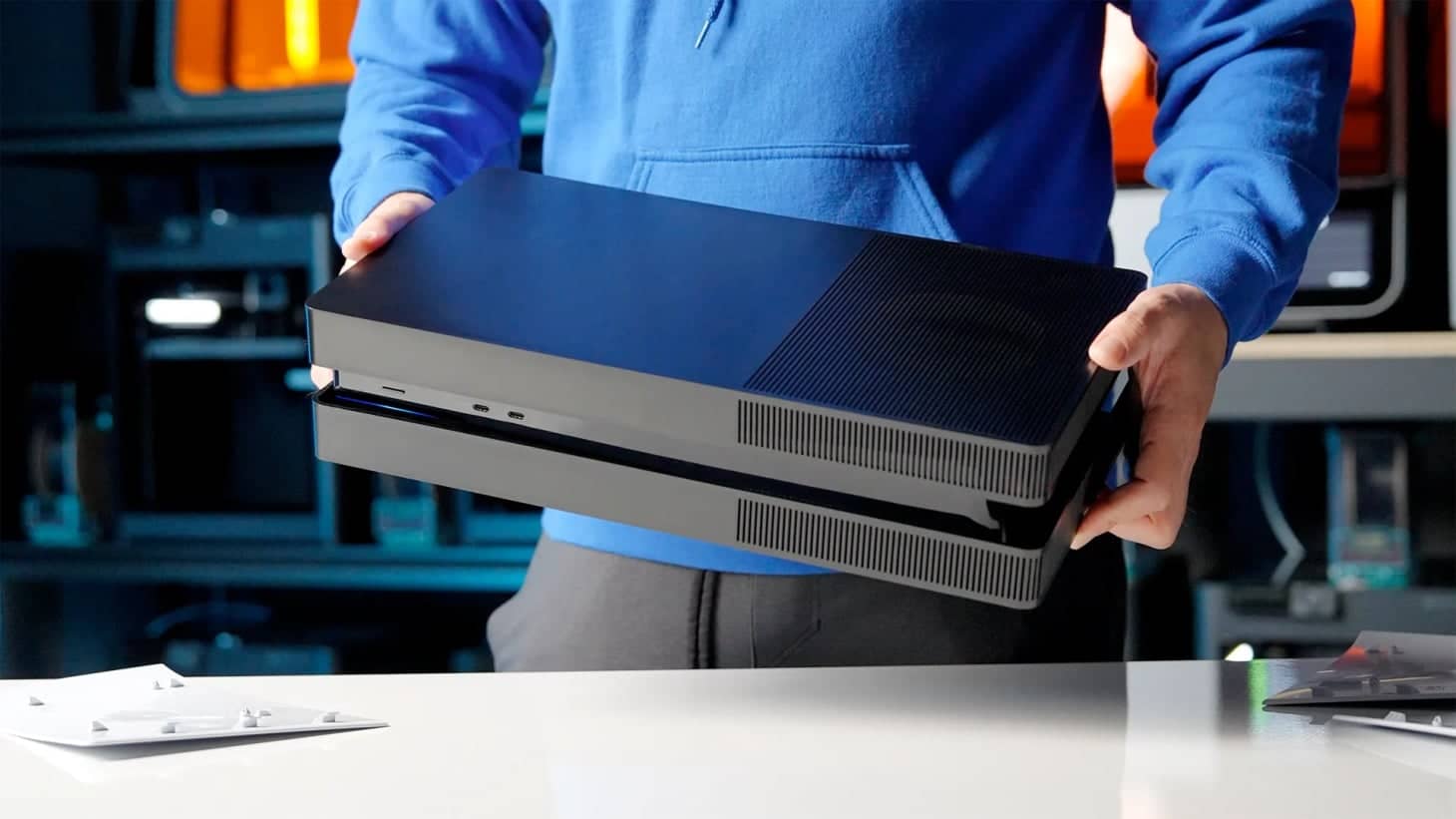
    BoxPlates Skins Revamp PS5 Slim & Pro in Two Weeks

    BoxPlates Skins Revamp PS5 Slim & Pro in Two Weeks

    2 days ago
    Artemis 2 Rockets Beyond Earth—402,000 km From Home

    Artemis 2 Rockets Beyond Earth—402,000 km From Home

    Lift‑off at 8:23 a.m. ET marks first crewed lunar flight since 1972, with a diverse four‑person crew

    2 days ago
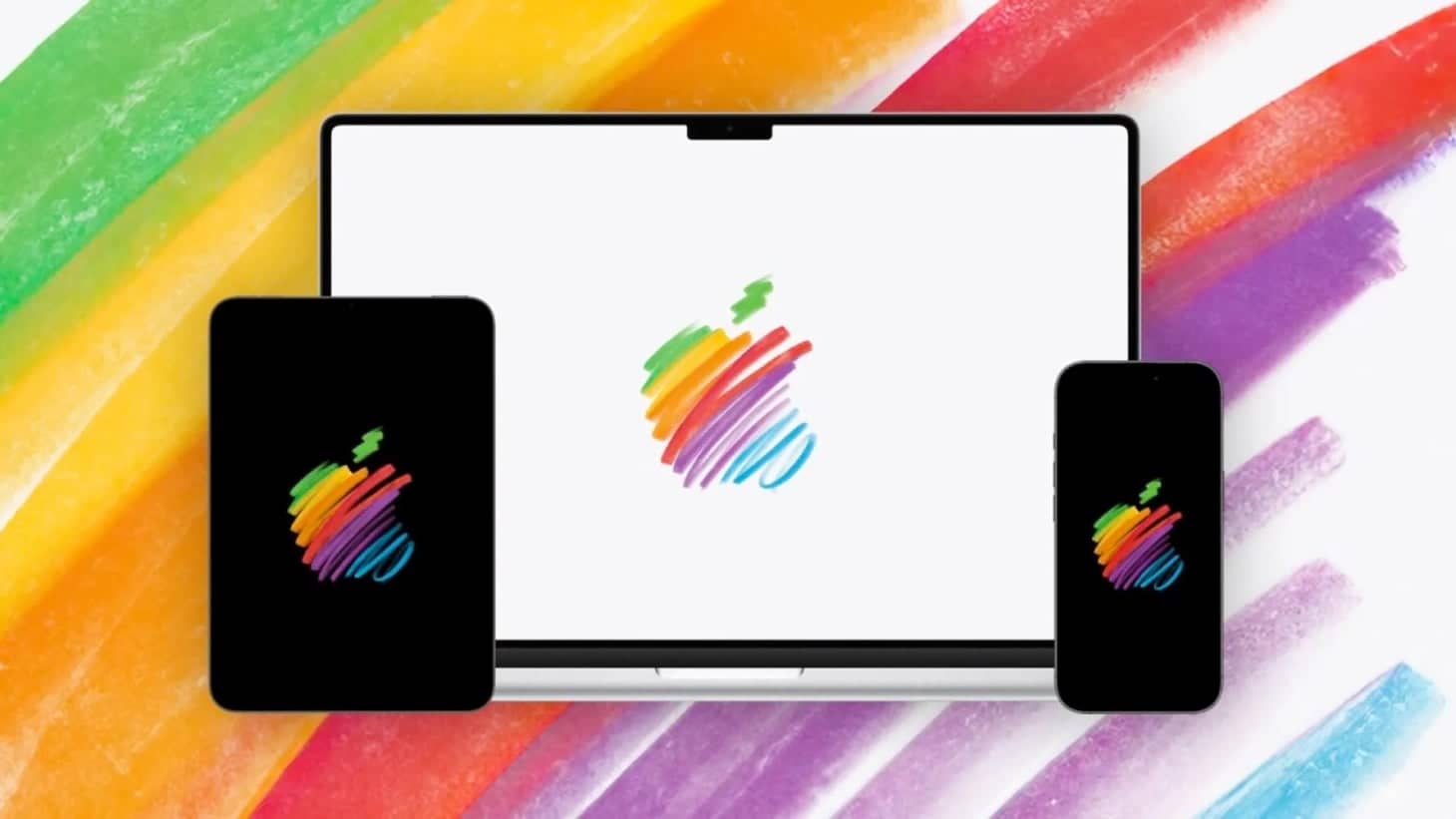
    Apple celebrates 50 years with new minimalist wallpapers

    Apple celebrates 50 years with new minimalist wallpapers

    Basic Apple Guy releases iPhone and Mac wallpapers for Apple’s 50th anniversary

    2 days ago
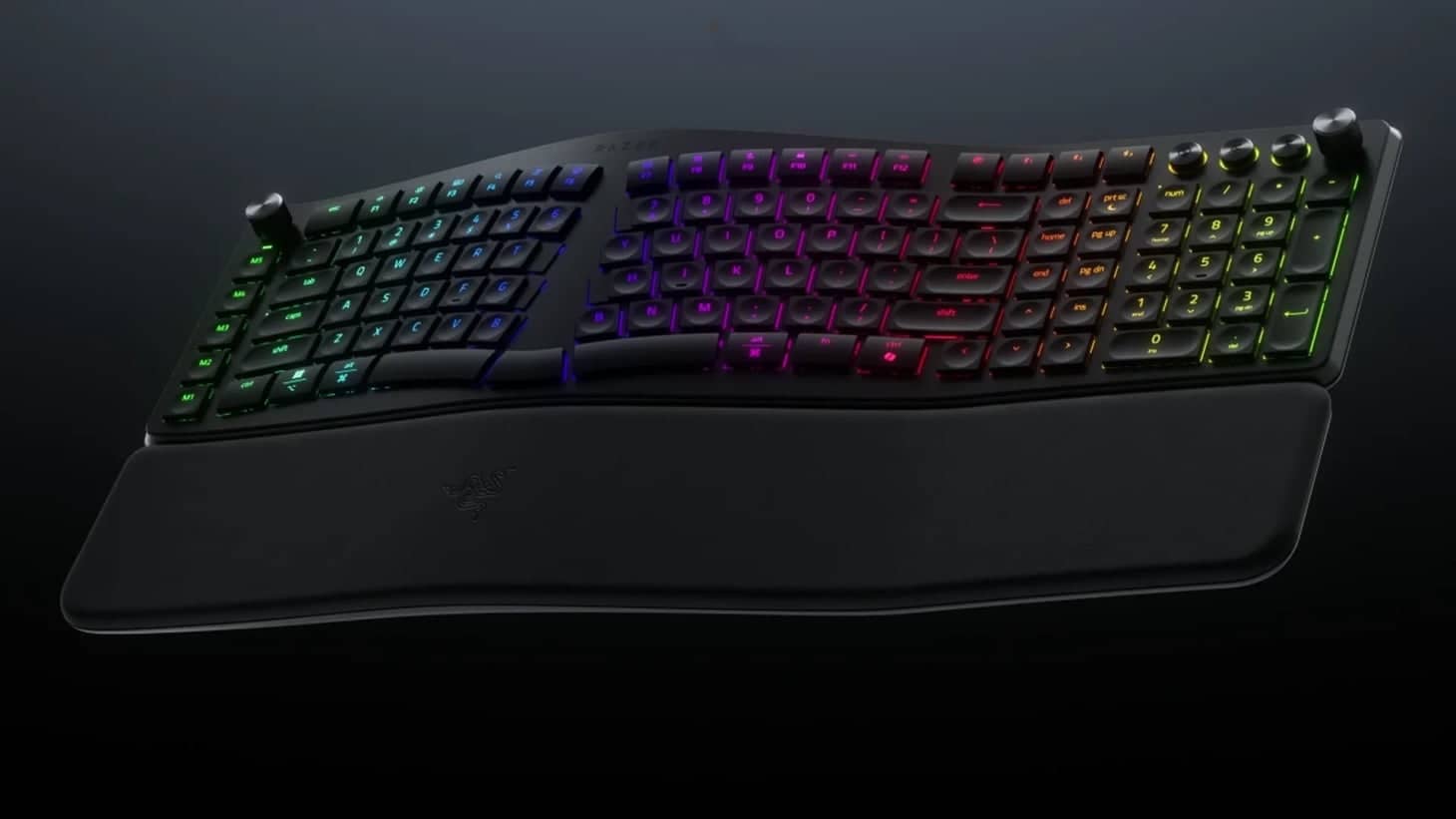
    Razer Unveils Pro Type Ergo Ergonomic Keyboard Today

    Razer Unveils Pro Type Ergo Ergonomic Keyboard Today

    Split design, AI button, and 19‑zone RGB aim at U.S. workers with a 9.7% RSI rate

    3 days ago
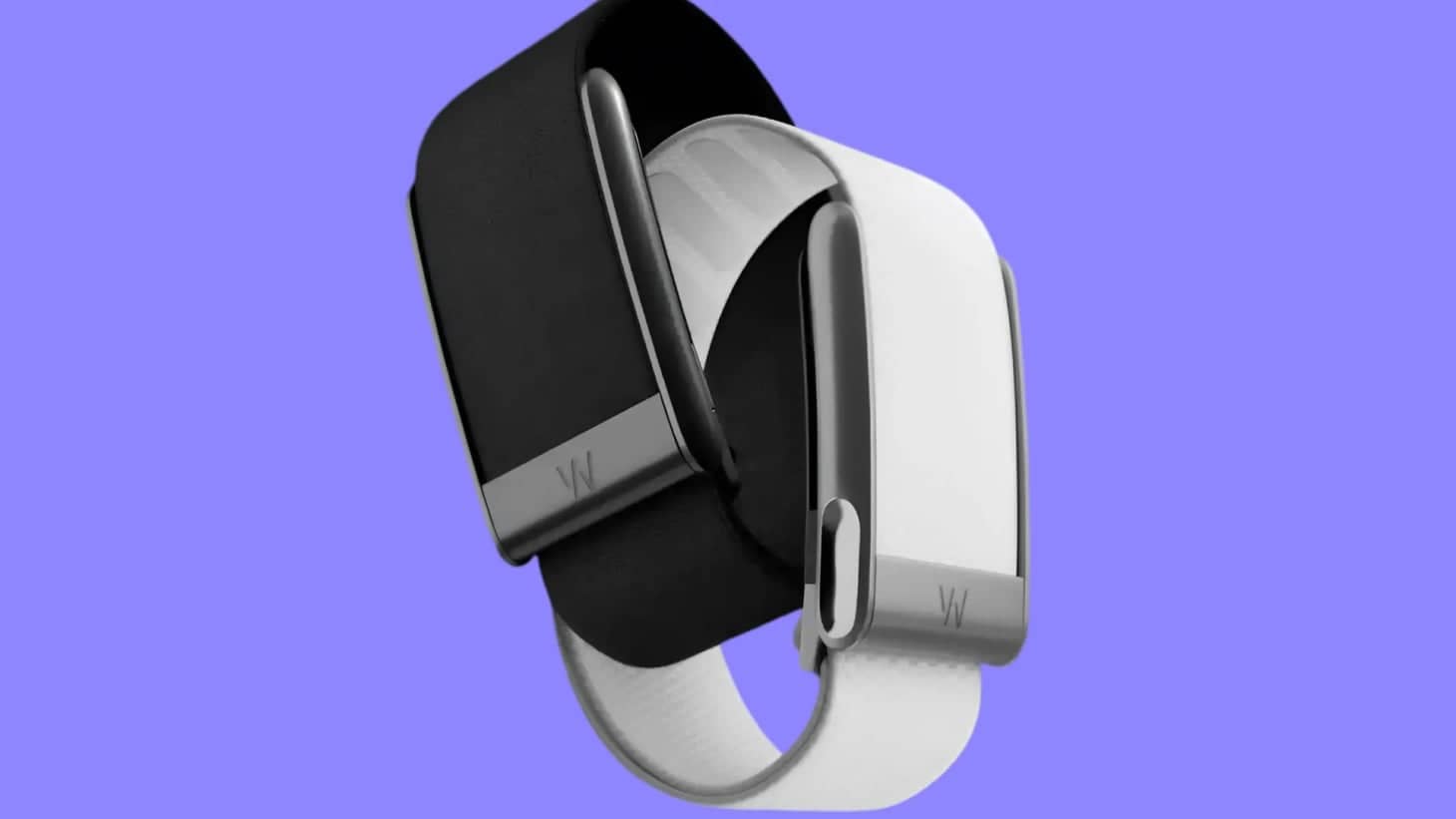
    Google to debut screen‑free Fitbit band in 2026

    Google to debut screen‑free Fitbit band in 2026

    AI‑driven training plan and upgraded platform aim at the health‑tracking market against Oura and Whoop

    3 days ago
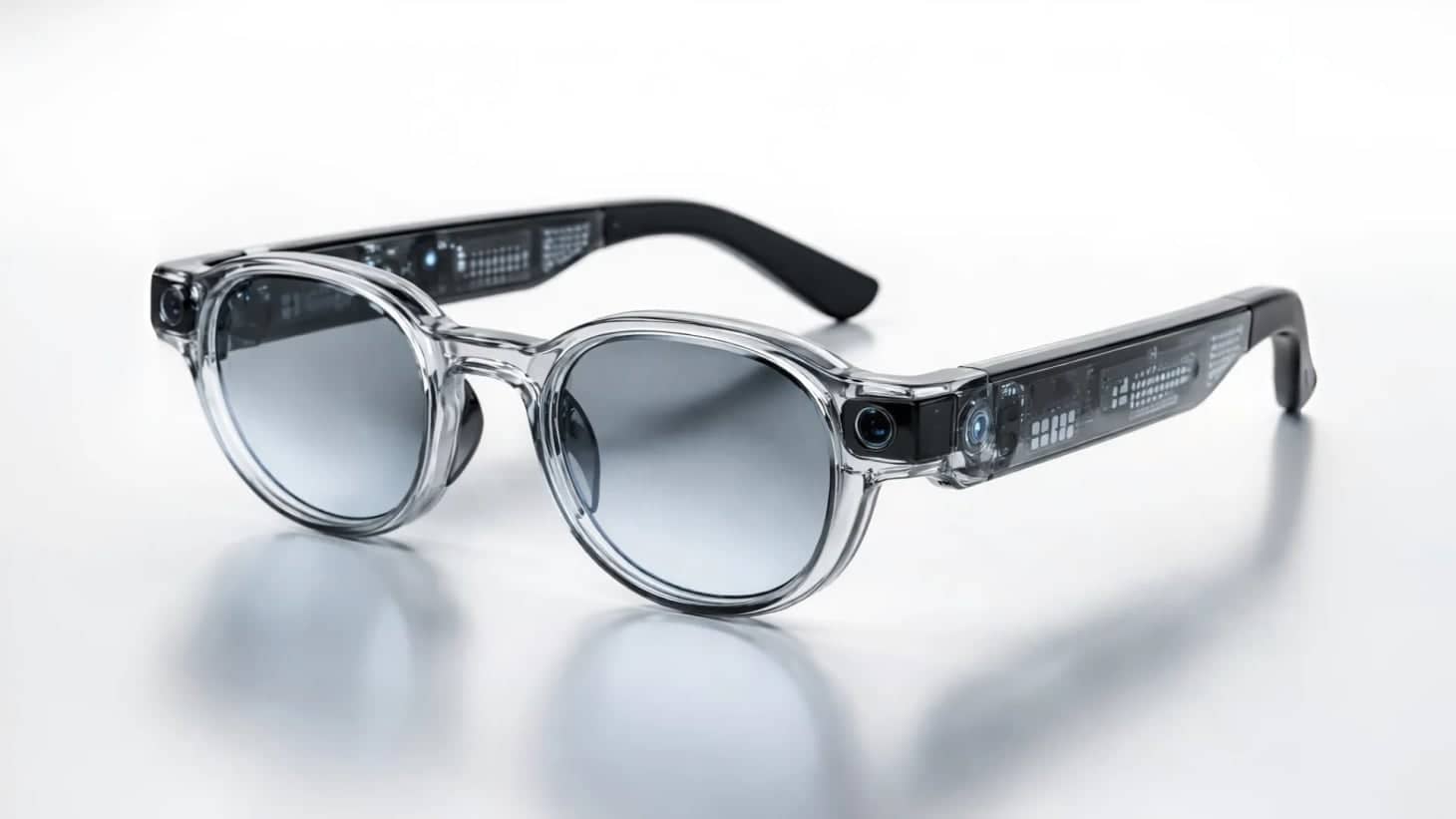
    Nothing unveils AI‑powered smart glasses for a 2027 launch

    Nothing unveils AI‑powered smart glasses for a 2027 launch

    The glasses use a paired phone and cloud, with a clear frame and LED accents

    3 days ago
    Google rolls out Veo 3.1 Lite, halving AI video costs

    Google rolls out Veo 3.1 Lite, halving AI video costs

    Veo 3.1 Lite matches Veo 3.1 Fast speed but cuts price by over 50% for devs now

    3 days ago
    Freelander 97 Debuts 800‑V EV Crossover in Shanghai

    Freelander 97 Debuts 800‑V EV Crossover in Shanghai

    Chery‑JLR showcases ADS 4.1 autonomy on 800‑V platform, eyeing 2028 launch

    3 days ago
    Telegram Launches Version 12.6 With AI Editor, New Polls

    Telegram Launches Version 12.6 With AI Editor, New Polls

    It adds an AI tone editor, richer polls, Live/Motion Photos, and bot management

    3 days ago

    Pixel 11 Pro Renders Leak With Black Camera Bar and MediaTek Modem

    Google’s August 2026 flagship ditches Samsung radios for improved 5G and runs the Tensor G6

    3 days ago

    Anthropic leak reveals Opus 4.7, Sonnet 4.8 in npm 2.1.88

    Leak on March 30‑31 exposed TypeScript, revealing Opus 4.7, Sonnet 4.8, and internal features

    3 days ago
    iOS 26.5 beta lands on iPhone 17 Pro with an 8 GB download

    iOS 26.5 beta lands on iPhone 17 Pro with an 8 GB download

    Apple restores RCS encryption and adds a 12‑month subscription in the update

    4 days ago
    Windows 11 24H2 Brings Dark Mode to Core Utilities

    Windows 11 24H2 Brings Dark Mode to Core Utilities

    Tools like Registry Editor get dark mode in Windows 11 24H2, out in Sep 2026

    5 days ago

    John Noble's 1,024 Thread Implant Powers Warcraft Raids

    John Noble, a former British parachutist turned veteran gamer, received a neural implant with 1,024 threads after a 2024 trial in Seattle. The device lets him control a MacBook with thought alone, turning World of Warcraft raids into hands‑free battles. His story shows how brain‑computer interfaces can expand digital access for disabled veterans and reshape gaming.

    5 days ago
    Apple unveils Siri app for iOS 27, adds 50+ AI agents

    Apple unveils Siri app for iOS 27, adds 50+ AI agents

    iOS 27 Siri app adds Extensions marketplace, eyeing Alexa’s 100,000‑skill store

    5 days ago
    Loading...
Health/Wellness

What happens to your body during 30 days without alcohol?

Heart rate variability climbs, REM sleep returns, and inflammation drops—here's the timeline your body follows when ethanol exits

February 11, 2026, 1:54 pm

Most people expect slow benefits from quitting alcohol. The reality is measurable and fast. Within 72 hours, heart rate variability begins climbing back to baseline. By day 30, triglycerides drop 20 to 40 percent, REM sleep lengthens, and cognitive clarity sharpens. This is regulatory recalibration—your endocrine, nervous, and metabolic systems returning to homeostasis.

image (7)

Summary

  • Within 72 hours alcohol-free, heart rate variability begins climbing and resting heart rate drops 5-15 bpm as your nervous system exits constant chemical interference and rebalances stress response mechanisms.
  • By day 30, moderate drinkers see triglycerides drop 20-40%, REM sleep cycles lengthen, inflammatory markers decline 15-25%, and cognitive clarity sharpens as the brain's waste-clearing glymphatic system operates on schedule.
  • The hardest part isn't physical—removing nightly drinks exposes which emotions you've been dulling and which social situations relied on alcohol, forcing you to face what the habit was masking.

Within 72 hours of your last drink, heart rate variability—the gold standard for measuring stress resilience—begins climbing back to baseline. By day 30, some markers look like you've turned back the metabolic clock by years.

The body doesn't wait for permission to heal. It starts the moment ethanol clears your bloodstream.

This isn't about becoming a teetotaler. It's about understanding what happens when you remove a molecule that touches nearly every regulatory system in your body. Alcohol is a sedative, an inflammatory trigger, a hormonal disruptor, and a metabolic brake. Pull it out for 30 days, and you get to watch your baseline physiology resurface—the version of your body that's been waiting underneath.

The First 72 Hours: Emergence

Your body exits a state of constant chemical interference. Blood ethanol drops to zero. Hydration normalizes as vasopressin—the hormone that tells your kidneys to hold onto water—returns to proper function. Your resting heart rate, which alcohol artificially elevates by 5 to 15 beats per minute even hours after drinking, settles back down.

If you drink regularly (four or more drinks per week), this window can feel rocky. Irritability spikes. Sleep feels fractured. Your nervous system is recalibrating after relying on alcohol's sedative effects.

This discomfort is temporary adaptation, not failure.

Days 7–10: The Sleep Shift

Your sleep architecture begins to rebuild. Alcohol suppresses REM sleep—the phase where memory consolidates and emotional regulation strengthens. Without it, REM cycles lengthen. Slow-wave sleep, the deepest restorative phase, becomes more consistent.

People often report waking naturally before their alarm for the first time in years. Evening cortisol, the stress hormone that should taper as night falls, starts dropping on schedule again.

Inflammatory markers like C-reactive protein decline measurably—studies show reductions of 15 to 25 percent in moderate drinkers. Blood glucose stabilizes as your liver stops prioritizing ethanol metabolism over glucose regulation. The result: sustained energy without the 3 p.m. crash.

Week 2: Metabolic Momentum

Heart rate variability (HRV) begins its climb. Think of HRV like the space between breaths—a body under stress breathes shallow and fast, while a resilient system has room to adapt. HRV measures the variation in time between heartbeats. Higher numbers signal a resilient, adaptable nervous system.

Alcohol chronically suppresses HRV. After two weeks of abstinence, moderate drinkers see increases of 10 to 30 milliseconds on average, moving from "stressed" ranges (below 50 ms) into "balanced" zones (60 to 80 ms). You can track this with any consumer wearable like Whoop, Oura Ring, or Apple Watch.

Blood pressure drops, particularly in people with prehypertension. Insulin sensitivity improves—your cells respond more readily to glucose signals. The liver reallocates resources to fat metabolism. Bloating decreases as inflammation fades.

Day 30: The Regulatory Reset

By one month, systemic changes become measurable in standard lab work. Triglyceride levels—fats circulating in your blood that contribute to cardiovascular risk—drop by 20 to 40 percent in people who were drinking moderately (7 to 14 drinks per week).

Body weight may decrease by 3 to 8 pounds. Alcohol adds 7 calories per gram, more than carbs or protein. Reduced caloric intake combines with less water retention and inflammation.

Cognitive clarity sharpens. Alcohol disrupts glymphatic clearance—the brain's waste removal system that operates during deep sleep. After 30 days, that system runs on schedule, clearing metabolic debris linked to brain fog and long-term cognitive decline.

Mood stabilizes as your dopamine system recalibrates. Alcohol artificially floods dopamine receptors, then leaves them understimulated during sobriety. A month out, natural dopamine signaling—from exercise, social connection, accomplishment—begins to feel sufficient again. Research confirms that autonomic markers like HRV reflect this systemic recalibration.

The Psychological Reckoning

The hardest part isn't physical—it's facing what alcohol was masking. When you remove the nightly glass of wine or post-work beer, stress doesn't disappear. It becomes visible. The habit of using alcohol as a reward, a buffer, or a transition ritual leaves a gap.

Some people experience heightened anxiety in week one or two, along with more apparent boredom. Alcohol creates artificial novelty—a predictable dopamine hit. Without it, you notice which evenings feel empty, which social situations rely on drinking for momentum, which emotions you've been dulling instead of processing. This is adaptation, not regression.

In a Stanford study of 34 participants (average age 40, two-thirds female, baseline consumption 7–14 drinks per week) who attempted 30 days of abstinence, approximately two-thirds maintained full abstinence and reported significant improvements in self-assessed sleep disturbance scores.

What the Numbers Mean for You

Context matters. If you drink one to three drinks per week, a 30-day break will produce subtle improvements. If you drink seven to 14 drinks per week (moderate consumption by CDC definitions), the changes will be dramatic and measurable.

If you drink more than that or have developed dependency, abrupt cessation requires medical supervision. Withdrawal can be dangerous. Consult a healthcare provider before stopping.

Tracking Your Own Reset

Three metrics you can track at home with consumer devices:

  • Heart rate variability (HRV): Use a wearable like Oura, Whoop, or Apple Watch. Track your 7-day rolling average before you start and again at day 30. Expect a 10 to 30 ms increase if you drink moderately.
  • Resting heart rate: Measure each morning before getting out of bed. Alcohol elevates resting heart rate by 3 to 8 bpm. Watch it drop back to baseline within two weeks.
  • Sleep quality: Note how often you wake during the night and whether you need an alarm. REM and deep sleep percentages will increase—most wearables track these automatically.

For clinical markers like triglycerides, insulin sensitivity, and blood pressure, you'll need a doctor's visit or a direct-to-consumer lab panel. But subjective markers—energy, mood, cognitive clarity—often shift before the numbers do.

What This Isn't

This isn't a detox. The liver doesn't accumulate toxins that need flushing. What's happening is regulatory recalibration—your endocrine system, nervous system, and metabolic pathways returning to homeostatic function. Alcohol disrupts baseline physiology. Remove it, and baseline resurfaces.

And it's not permanent transformation. If you resume drinking at previous levels, these markers will drift back. The value of a 30-day window is information. You get to see what your body feels like without chemical interference. You get data on whether alcohol is costing more than you realized.

Some people decide to drink less afterward. Some return to old patterns. Either way, you know what you're trading.

Motion is the oldest medicine. But sometimes the most powerful intervention is subtraction—removing what's been quietly stealing your resilience. Thirty days gives you the space to meet your body as it actually is, not as it's been performing under chronic low-grade sedation.

The question isn't whether you should quit forever. The question is whether you're curious enough to find out what's been waiting underneath.

Topic

Alcohol Abstinence Effects

How Alcohol Disrupts Sleep, Heart Rate, and Metabolism

3 March 2026

How Alcohol Disrupts Sleep, Heart Rate, and Metabolism

Gen Z's Shift Away from Alcohol

15 February 2026

What is this about?

  • metabolic health/
  • sleep architecture/
  • stress reduction/
  • mental health/
  • alcohol physiology/
  • heart rate variability

Feed

    Cursor 3 Launches Unified AI Coding Workspace

    Cursor 3 Launches Unified AI Coding Workspace

    Side‑panel lets devs toggle local and cloud agents, building on Composer 2 and Kimi 2.5

    about 19 hours ago
    Orion’s Six‑Minute Burn Puts Artemis 2 on Free‑Return Path

    Orion’s Six‑Minute Burn Puts Artemis 2 on Free‑Return Path

    iPhone 17 Pro Max survives Orion’s deep‑space test as crew heads to lunar flyby

    about 21 hours ago
    Android 17 Introduces System‑Level Notification Rules

    Android 17 Introduces System‑Level Notification Rules

    Samsung’s One UI 9 will adopt Android 17’s rules, adding OS‑level alert control

    about 21 hours ago

    Nvidia rolls out DLSS 4.5, 6× boost on RTX 50-series

    Dynamic Multi‑Frame Generation smooths 120–240 Hz, delivered in the driver 595.97

    about 23 hours ago
    Apple rolls out iOS 18.7.7 to block DarkSword

    Apple rolls out iOS 18.7.7 to block DarkSword

    Patch fixes six Safari bugs, stopping DarkSword on iOS 18–18.7 devices

    1 day ago
    BoxPlates Skins Revamp PS5 Slim & Pro in Two Weeks

    BoxPlates Skins Revamp PS5 Slim & Pro in Two Weeks

    2 days ago
    Artemis 2 Rockets Beyond Earth—402,000 km From Home

    Artemis 2 Rockets Beyond Earth—402,000 km From Home

    Lift‑off at 8:23 a.m. ET marks first crewed lunar flight since 1972, with a diverse four‑person crew

    2 days ago
    Apple celebrates 50 years with new minimalist wallpapers

    Apple celebrates 50 years with new minimalist wallpapers

    Basic Apple Guy releases iPhone and Mac wallpapers for Apple’s 50th anniversary

    2 days ago
    Razer Unveils Pro Type Ergo Ergonomic Keyboard Today

    Razer Unveils Pro Type Ergo Ergonomic Keyboard Today

    Split design, AI button, and 19‑zone RGB aim at U.S. workers with a 9.7% RSI rate

    3 days ago
    Google to debut screen‑free Fitbit band in 2026

    Google to debut screen‑free Fitbit band in 2026

    AI‑driven training plan and upgraded platform aim at the health‑tracking market against Oura and Whoop

    3 days ago
    Nothing unveils AI‑powered smart glasses for a 2027 launch

    Nothing unveils AI‑powered smart glasses for a 2027 launch

    The glasses use a paired phone and cloud, with a clear frame and LED accents

    3 days ago
    Google rolls out Veo 3.1 Lite, halving AI video costs

    Google rolls out Veo 3.1 Lite, halving AI video costs

    Veo 3.1 Lite matches Veo 3.1 Fast speed but cuts price by over 50% for devs now

    3 days ago
    Freelander 97 Debuts 800‑V EV Crossover in Shanghai

    Freelander 97 Debuts 800‑V EV Crossover in Shanghai

    Chery‑JLR showcases ADS 4.1 autonomy on 800‑V platform, eyeing 2028 launch

    3 days ago
    Telegram Launches Version 12.6 With AI Editor, New Polls

    Telegram Launches Version 12.6 With AI Editor, New Polls

    It adds an AI tone editor, richer polls, Live/Motion Photos, and bot management

    3 days ago

    Pixel 11 Pro Renders Leak With Black Camera Bar and MediaTek Modem

    Google’s August 2026 flagship ditches Samsung radios for improved 5G and runs the Tensor G6

    3 days ago

    Anthropic leak reveals Opus 4.7, Sonnet 4.8 in npm 2.1.88

    Leak on March 30‑31 exposed TypeScript, revealing Opus 4.7, Sonnet 4.8, and internal features

    3 days ago
    iOS 26.5 beta lands on iPhone 17 Pro with an 8 GB download

    iOS 26.5 beta lands on iPhone 17 Pro with an 8 GB download

    Apple restores RCS encryption and adds a 12‑month subscription in the update

    4 days ago
    Windows 11 24H2 Brings Dark Mode to Core Utilities

    Windows 11 24H2 Brings Dark Mode to Core Utilities

    Tools like Registry Editor get dark mode in Windows 11 24H2, out in Sep 2026

    5 days ago

    John Noble's 1,024 Thread Implant Powers Warcraft Raids

    John Noble, a former British parachutist turned veteran gamer, received a neural implant with 1,024 threads after a 2024 trial in Seattle. The device lets him control a MacBook with thought alone, turning World of Warcraft raids into hands‑free battles. His story shows how brain‑computer interfaces can expand digital access for disabled veterans and reshape gaming.

    5 days ago
    Apple unveils Siri app for iOS 27, adds 50+ AI agents

    Apple unveils Siri app for iOS 27, adds 50+ AI agents

    iOS 27 Siri app adds Extensions marketplace, eyeing Alexa’s 100,000‑skill store

    5 days ago
    Loading...
banner