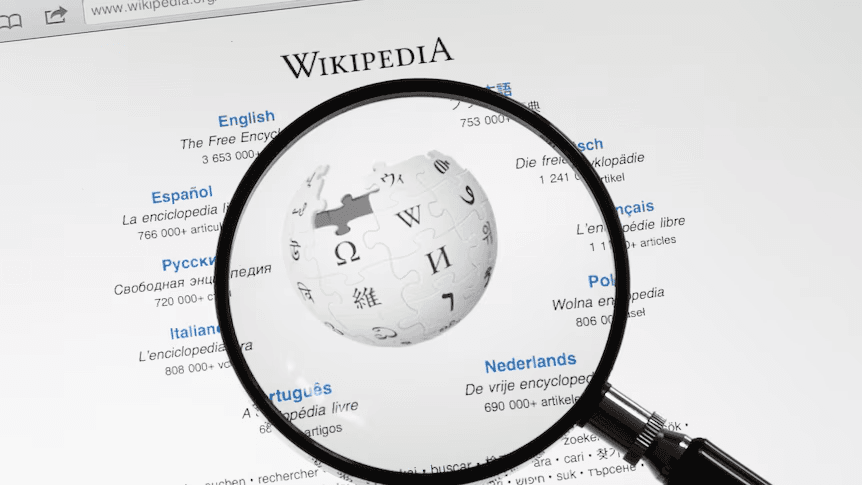

Wikipedia's human traffic dropped 8% year-over-year, the Wikimedia Foundation reported, as AI-powered search summaries and social video platforms reshape how people hunt for information online.
Driving the news: Marshall Miller of the Wikimedia Foundation revealed the decline after the organization updated its bot detection systems, discovering that unusually high traffic in May and June came from bots designed to evade detection.
Why it matters: Picture this: the last good corner of the internet, that place where knowledge lives free and open, now watching visitors walk past its digital door. Search engines increasingly serve AI-generated answers directly—no click required—while younger folks scroll TikTok for facts instead of firing up their browsers.
By the numbers:
- Wikipedia.org traffic fell 23% between early 2022 and early 2025, according to SimilarWeb and Semrush data.
- When Google's AI Overviews appear in search results, click-through rates to external links dropped from 15% to 8%—and only ~1% of users clicked source links embedded in AI summaries, per Pew Research Center analysis of ~69,000 searches.
- Wikimedia Commons bandwidth demands surged ~50% since January 2024 due to AI crawler activity, even as human pageviews declined.
Between the lines: Most of Wikipedia's traffic loss came from organic search referrals rather than direct visits—meaning search engines simply stopped sending people over. In the spirit of Yankee ingenuity, the encyclopedia tried its own AI summaries but paused after editors pushed back.
What they're saying: "Search engines are increasingly using generative AI to provide answers directly to searchers rather than linking to sites like ours," Miller wrote, adding that "younger generations are seeking information on social video platforms rather than the open web."
The other side: Google has disputed claims that AI summaries reduce traffic from search.
The intrigue: Miller argues Wikipedia remains vital even if people don't visit directly—knowledge sourced from the encyclopedia still reaches users through AI tools. But there's a catch: "With fewer visits to Wikipedia, fewer volunteers may grow and enrich the content, and fewer individual donors may support this work."
Reality check: Wikipedia runs on individual donations and volunteer editors. Less traffic means fewer potential contributors and donors—a sustainability risk for a platform that's held the line against ads and paywalls since the dial-up days.
What's next: The foundation is developing a new framework for attributing content from the encyclopedia and has two teams working to reach new readers. Miller calls on AI, search, and social companies using Wikipedia content to "encourage more visitors" to the site itself.
The bottom line: Miller urges readers to "look for citations and click through to the original source material" when searching online, and to "talk with the people you know about the importance of trusted, human-curated knowledge."
Lessons from lean times: Even the best-built systems need fuel. In this case, that fuel is you—clicking through, checking sources, and remembering that behind every AI answer sit real people who deserve your support.