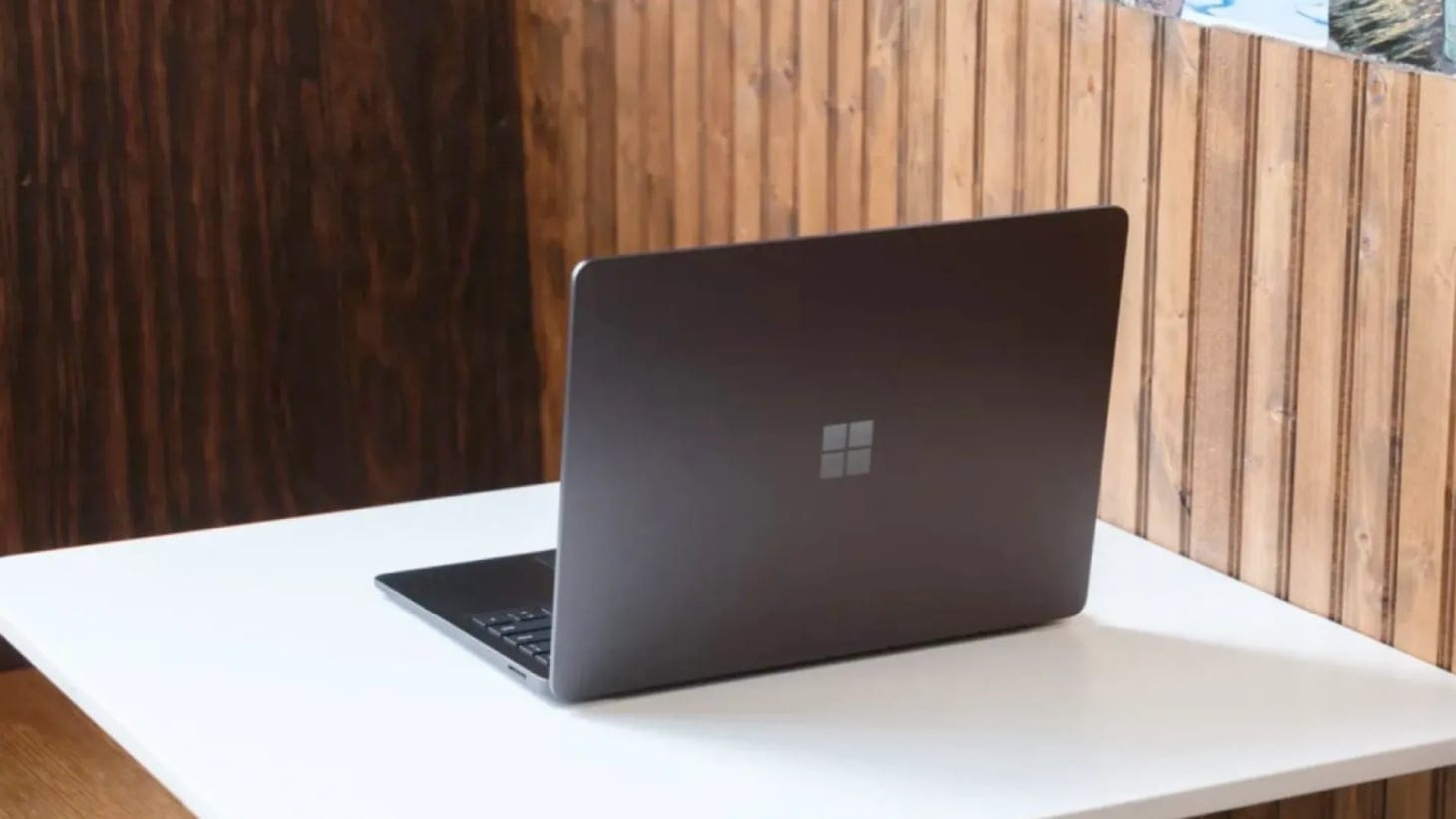

Microsoft is bringing OLED displays to the Surface Laptop 8 for the first time, launching premium configurations this summer and Intel models in May. The move signals a bet that OLED technology has matured enough for flagship Windows laptops, potentially reshaping the premium market if the display holds up under daily use.
OLED finally makes the jump. Microsoft has kept OLED panels limited to the Surface Pro line for years, leaving laptop buyers with IPS displays that were functional but unremarkable. The Laptop 8 changes that strategy. According to Windows Central, base models still ship with IPS screens to maintain accessible pricing, but premium configurations offer OLED panels with deeper blacks, richer colors, and contrast ratios that matter for photo editing and video work.
The technology has matured, but concerns about burn-in from static taskbars and UI elements remain a real question for professionals who keep laptops running all day.
Specs that mean business. Entry configurations include 16 GB of RAM and 256 GB SSD storage, suitable for everyday users and light multitasking. Flagship models jump to 64 GB of RAM and 2 TB SSD, built for professionals running virtual machines and rendering 4K timelines simultaneously. That is workstation-class performance in a laptop form factor.
Intel models ship first in May, with Snapdragon variants following in summer. ARM-based chips have promised better battery life for years. This generation will test whether they can deliver without compatibility compromises in real-world use.
Design stays largely untouched. Insiders suggest Microsoft is keeping the aluminum unibody and Alcantara keyboard deck with only new color options and minor refinements. The existing design has aged well, and focusing on internal improvements makes more sense than chasing design trends that may look dated within a few years.
An updated haptic feedback system integrated into Windows 11 is in development, which could improve trackpad responses. Real-world performance remains to be tested.
The price you will pay. Expect pricing to follow Microsoft's recent upward trajectory. The Surface line has moved away from budget-friendly positioning since 2022, and OLED panels add cost. Base models likely starting above $1,200 and maxed-out configurations approaching $3,000 would align with current market positioning, though many buyers may wait for refurbished inventory six months after launch.
What to watch for. Official details should arrive in the May to June window. Key questions include real-world battery performance, OLED longevity under daily use, and whether Snapdragon models can run legacy x86 applications without performance penalties. Microsoft has made bold promises before. Execution separates good laptops from ones users will keep for years.
For now, if you are holding a Surface Laptop 4 or older, waiting for verified performance data makes sense. But if this OLED panel delivers and the Snapdragon chip proves itself, the Laptop 8 might justify both the wait and the premium price.