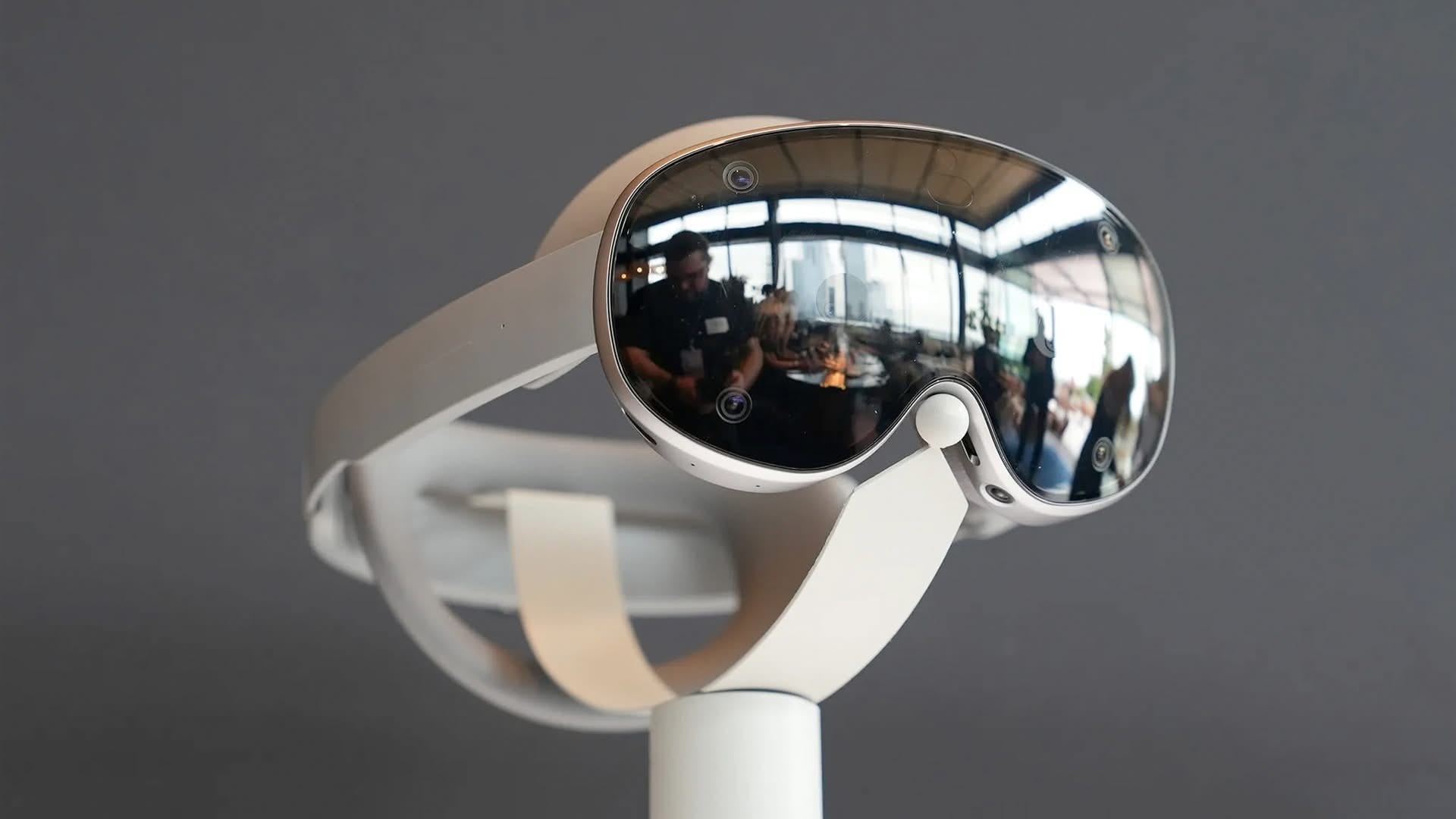

Samsung unveiled the Galaxy XR headset running Google's Android XR platform, positioning it as a direct competitor to Apple's Vision Pro at roughly half the price.
Driving the news: The announcement marks Android's entry into premium mixed reality, breaking Apple's hold on high-end spatial computing—picture this: the same ecosystem battle that played out with smartphones now unfolding for headsets.
Why it matters: Developers now have a second major platform for building spatial computing applications—technology that blends digital content with your physical surroundings. For remote workers in suburban Denver or students in rural Tennessee, the lower price point could make this technology accessible for the first time, moving it beyond early adopters into practical daily use.
By the numbers:
- Price: $1,799 versus Vision Pro's $3,499 starting price
- Weight: Lighter than Vision Pro's 21.2–22.9 oz headset (plus 12.5 oz external battery), using plastic construction instead of aluminum and glass
- Markets: United States and South Korea at launch
What's new: The Galaxy XR integrates Google's Gemini AI assistant and supports Android applications—your familiar apps floating in space around you, controlled by gestures and voice.
The big picture: Samsung's design mirrors Apple's minimalist aesthetic but prioritizes practicality. That plastic chassis serves dual purposes: cost reduction and comfort for extended wear.
Between the lines: The Android XR platform could catalyze market growth. Apple's Vision Pro operates within a closed ecosystem; Samsung's betting that Android's open approach—the strategy that captured dominant smartphone market share—will attract developers seeking flexibility over proprietary constraints.
Reality check: At $1,799, the Galaxy XR costs significantly more than Meta's Quest 3 ($499–$649), which leads the consumer VR market. Samsung targets productivity and entertainment users, not gaming-focused consumers.
What to watch: Whether Android XR attracts sufficient developer support to build a compelling app ecosystem—and whether other manufacturers adopt the platform, creating the hardware diversity that made Android phones widespread.
The bottom line: Samsung offers Americans a choice in premium mixed reality without Apple's price premium. In a market where Vision Pro set a high cost barrier, the Galaxy XR's value proposition could help spatial computing transition from demonstration technology to practical tool.