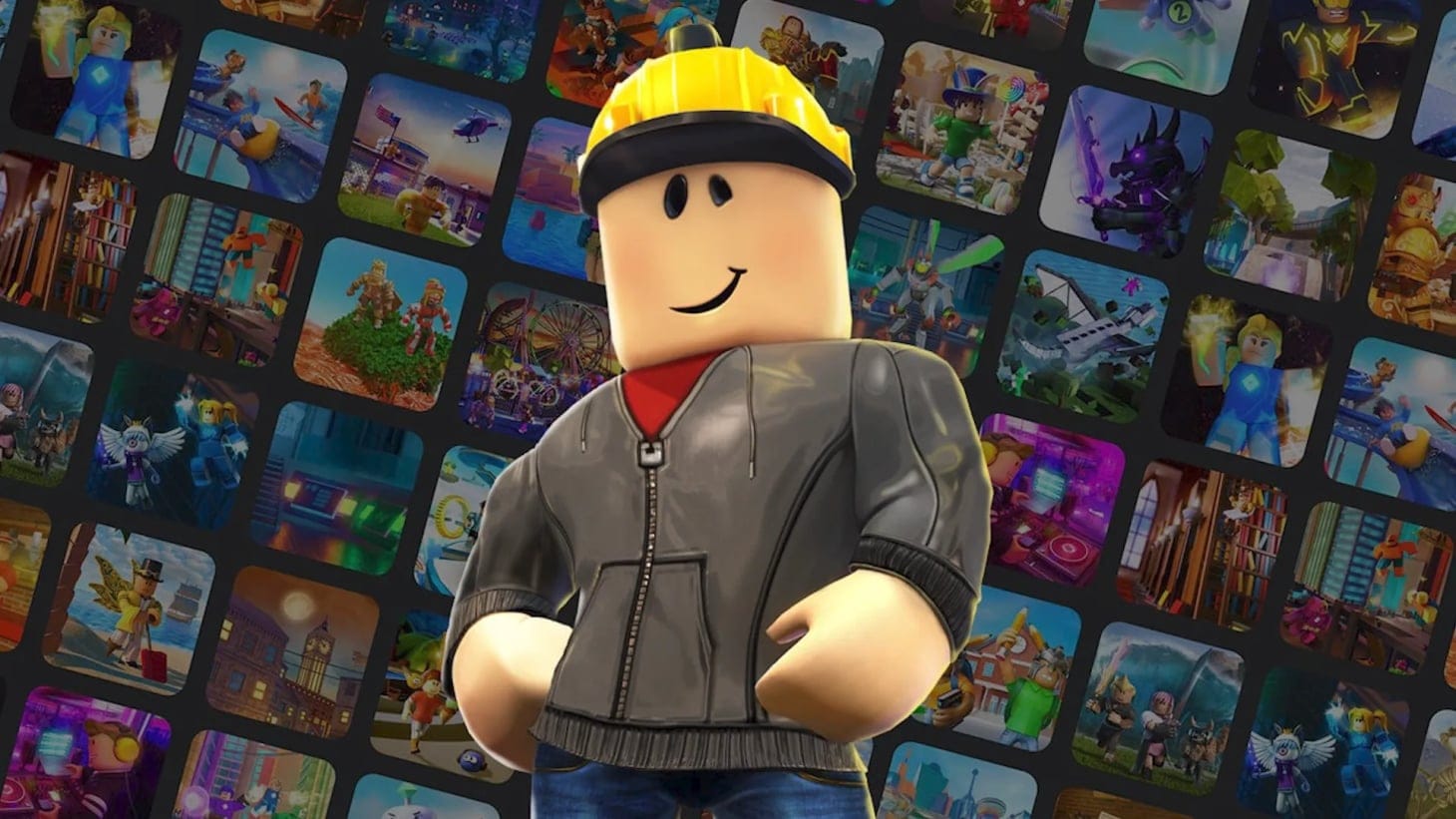

Roblox is splitting its universe into age gated tiers this June, a new architecture of trust built on creator verification, AI scanning, and parental veto power. The platform announced three account types: Roblox Kids for ages 5 to 8, Roblox Select for ages 8 to 15, and Roblox for users 16 and older. Every new game will default to adult only visibility until it clears automated content checks and its creator passes identity verification. It's a fundamental rewiring of who gets to see what, and who decides.
The changes come as Roblox faces mounting lawsuits alleging it created unsafe environments for children. The company is responding with what it calls "granular controls" that shift more responsibility to parents. Parents will now be able to approve individual chat contacts, block specific games even if they carry an age appropriate rating, and monitor their children's access in real time.
The approach preserves Roblox's open creation model while adding new safety barriers. Developers can still build any type of game, but the platform now controls who can access it based on age verification and content ratings.
To move a game into child accessible tiers, creators must verify their age, maintain an active Roblox Plus subscription, and enable two factor authentication. Players joining the platform will undergo selfie based age verification. If the automated system produces an incorrect result, they can appeal with a government issued ID. Games that haven't been verified or lack a verified creator will remain visible only to adult accounts until they pass the review process.
Players who haven't verified their age will only see games in the Roblox Kids category. For access to other content, users will need to complete the verification process similar to what's already required for chat features.
Later this year, Roblox plans to adopt International Age Rating Association criteria, aligning with PEGI and ESRB standards. This shift will harmonize Roblox's internal age labels with frameworks already used by console manufacturers and app stores, bringing the platform in line with established industry practices.
The rollout arrives as the company expands parental control settings across the platform. The new system represents a significant shift for Roblox, which has faced criticism and legal challenges in several U.S. states over child safety. The platform is also blocked in Russia due to what authorities there cite as "distribution of extremist material."