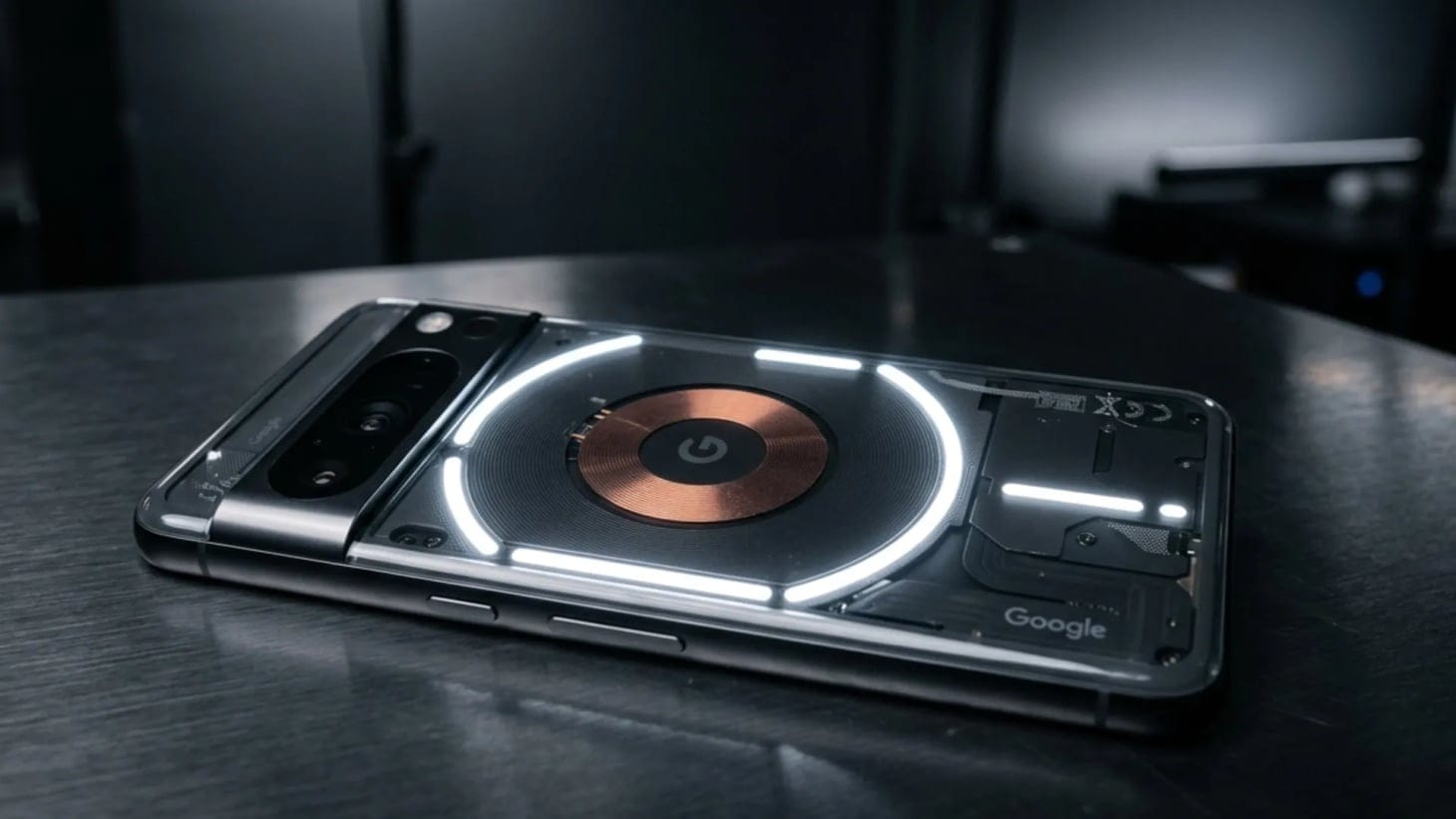

Google's upcoming Pixel 11 may feature a dedicated back panel lighting system, dubbed "Pixel Glow," according to code discovered in the Android 17 beta. The leak surfaced when Android Authority examined the beta and found a reference to "Device must have physical lighting." The feature is designed to signal notifications (calls, alarms, messages) with colored LEDs, providing visual alerts when the phone is face down on the table.
Pixel Glow could give Google a hardware edge in the U.S. smartphone market, where visual cues still matter. Competitors like Motorola already use edge lights around the camera, and Nothing has built an entire design language around LEDs. Consumers value alerts that work without unlocking the screen, especially in meetings, during workouts, or when the phone's charging across the room.
Android Authority notes the code name "Pixel Glow" ties the lighting directly to the Pixel brand, suggesting Google sees this as a signature feature. The description says the LEDs will "inform the user about important events," echoing the approach Nothing took with its Glyph interface, but Google's implementation appears to be notification first, not design first.
At least three major phone makers now offer some form of notification lighting. Google (if Pixel Glow ships), Motorola, and Nothing each implement LEDs differently, creating a small but growing niche for customizable visual alerts. The feature isn't revolutionary (it's a callback to the Nexus era notification LED) but it's practical, and it works when sound and haptics don't.
Adding LEDs aligns with Google's push for more tactile, physical user experiences at a time when software is going full AI and voice centric. As Assistant and Gemini become more conversational, a visual cue provides a backup that works in noisy environments, silent modes, or when you just don't want to talk to your phone.
Google has not confirmed Pixel Glow, but the beta hint suggests a hardware rollout could arrive with the Pixel 11 launch later this year. If implemented, the system will likely be configurable via Settings, letting users choose colors for calls, messages, or reminders (the kind of granular control that Android fans expect).