
Logo
Decide better.Live better.
My feedToday
Logo
Decide better.Live better.
My feedToday
Logo
My feedToday

Stay Curious. Stay Wanture.

© 2026 Wanture. All rights reserved.

  • Terms of Use
  • Privacy Policy
Logo
Decide better.Live better.
My feedTodayTechScienceHealthMobilityMindProductivityHomeExperiencesLongevity
Logo
Decide better.Live better.
My feedTodayTechScienceHealthMobilityMindProductivityHomeExperiencesLongevity
Logo
My feedTodayTechScienceHealthMobilityMindProductivityHomeExperiencesLongevity

Microsoft removes Copilot disclaimer on April 10, 2026

11 April 2026

—

News

Jasmine Wu

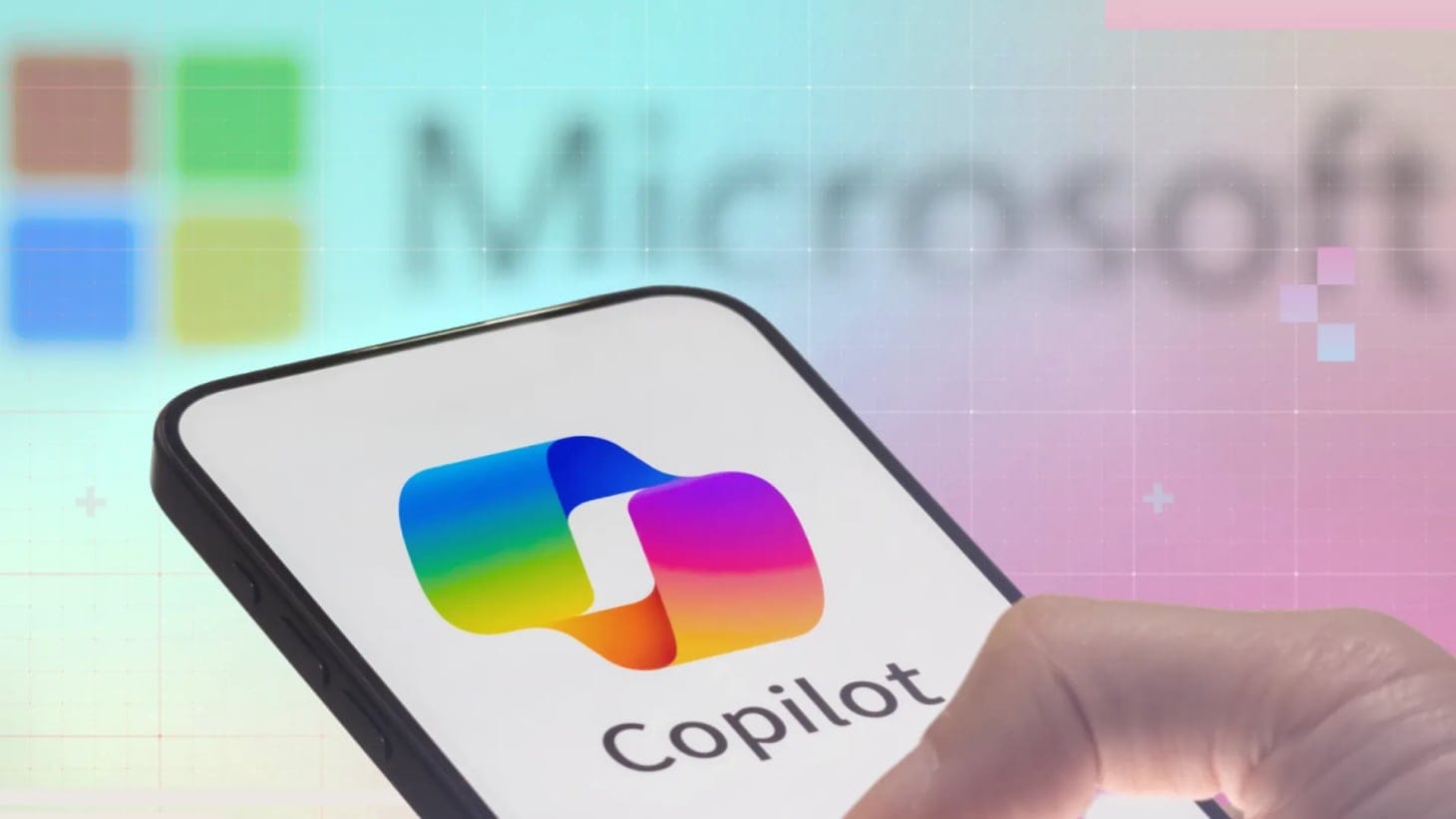
Microsoft quietly removed the years old entertainment disclaimer from Copilot's terms of use. A small edit that marks a large shift in how the company wants you to think about its AI.

The fine print that vanished. The change surfaced after users noticed the old notice had warned against relying on Copilot for important decisions. That earlier text, likely drafted when the tool was still experimental, said the service could make mistakes, function incorrectly, and should be used at the user's own risk. It framed the AI as something closer to a novelty than a necessity.

Now that language is gone. No fanfare, no press release. Just a terms of service update that rewrites the relationship between user and algorithm.

From toy to tool. The timing isn't random. Removing the entertainment label signals Microsoft's larger pivot toward positioning Copilot as a core productivity assistant, not a conversational experiment. Company spokespeople confirmed the earlier wording was written years ago and no longer reflects the product's current capabilities or intended use.

CEO Satya Nadella has been vocal about this evolution. Last year, he publicly asked Copilot to forecast a product launch, framing the bot not as a gimmick but as an analytical partner capable of handling high stakes business questions. The public demonstration reflected Microsoft's growing confidence in the technology.

The broader integration. This isn't the first sign of Copilot shedding its experimental label. A recent Windows Insider update removed the Copilot branding from the Notepad app entirely. In its place: a generic "writing tools" button. The change suggests Microsoft is embedding AI assistance deeper into its software stack, turning it into infrastructure rather than a feature you opt into.

The strategy is clear: if AI becomes ubiquitous enough, branding it becomes redundant. You don't actively think about spell check anymore; you just expect it to work in the background.

What comes next. Microsoft has indicated plans to continue updating documentation and reducing explicit Copilot branding in system menus. Users can expect more seamless access to AI assistance: background intelligence woven into workflows rather than a separate app you open.

But the disclaimer removal raises a question the terms of service don't answer: if Copilot is no longer entertainment, what standard of reliability does it now promise? The old warning set expectations low. The new silence sets none at all.

Transparency, after all, is supposed to be the foundation of trust. Removing disclaimers without replacing them with clearer accountability frameworks feels less like an upgrade and more like an omission.
What is this about?

  • News
  • Jasmine Wu
  • Tech
  • Software
  • AI-Powered Collaboration
  • Copilot toggle
  • Automation
  • AI orchestration
  • AI liability

Feed

    Tesla gets European approval for semi-autonomous driving — here's what you need to pass before using it

    Tesla gets European approval for semi-autonomous driving — here's what you need to pass before using it

    You must pass a mandatory safety quiz and accept a "Max Speed" setting as regulators weigh U.S. crash data against autonomous claims

    Auden Wheelock3 days ago
    Apple Breaks Autumn Cadence: iPhone 18 Pro and iPhone Ultra

    Apple Breaks Autumn Cadence: iPhone 18 Pro and iPhone Ultra

    Plan purchases around September’s standard lineup or wait for Q4 hardware

    Ben Ramos5 days ago
    Apple Watch Ultra 4 could track blood pressure trends

    Apple Watch Ultra 4 could track blood pressure trends

    A potential hardware redesign with 8 sensors aims to move from simple alerts to direct cardiovascular measurement

    Ben Ramos22 May 2026

    Your earbuds could become a secure digital key via your heartbeat

    AccLock uses standard accelerometers to verify identity without needing premium optical heart trackers

    Ben Ramos21 May 2026
    Memory chip shortages could end by 2027

    Memory chip shortages could end by 2027

    Aggressive Chinese production expansions from YMTC and CXMT may lower hardware costs sooner than the 2030 consensus

    Ben Ramos21 May 2026
    Hisense Explorer X1 Pro brings 120-inch cinema to your living room

    Hisense Explorer X1 Pro brings 120-inch cinema to your living room

    A new tri-color laser engine offers 110% BT.2020 color gamut, though US availability remains unannounced

    Logan Price21 May 2026
    Onyx Boox Poke 7 series brings paper-like clarity to your library

    Onyx Boox Poke 7 series brings paper-like clarity to your library

    New 300 ppi displays and 2 TB expandable storage offer a sharper, larger reading experience

    Ben Ramos20 May 2026
    SpaceX IPO: A historic bet on the space economy

    SpaceX IPO: A historic bet on the space economy

    With 2025 revenue hitting $18.6 billion, the Nasdaq debut tests market appetite for Elon Musk

    Jasmine Wu20 May 2026
    Figma AI agents turn manual design into high-level direction

    Figma AI agents turn manual design into high-level direction

    New intent-based tools allow designers to build layouts using natural language instead of clicking and dragging

    Evelyn Park20 May 2026
    NanoClaw's sandbox stops AI agents from compromising your OS

    NanoClaw's sandbox stops AI agents from compromising your OS

    NanoCo secures $12 million to scale its isolated architecture for enterprise AI deployment

    Marcus Dillard20 May 2026
    Loading...

Microsoft removes Copilot disclaimer on April 10, 2026

11 April 2026

—

News

Jasmine Wu

Microsoft quietly removed the years old entertainment disclaimer from Copilot's terms of use. A small edit that marks a large shift in how the company wants you to think about its AI.

The fine print that vanished. The change surfaced after users noticed the old notice had warned against relying on Copilot for important decisions. That earlier text, likely drafted when the tool was still experimental, said the service could make mistakes, function incorrectly, and should be used at the user's own risk. It framed the AI as something closer to a novelty than a necessity.

Now that language is gone. No fanfare, no press release. Just a terms of service update that rewrites the relationship between user and algorithm.

From toy to tool. The timing isn't random. Removing the entertainment label signals Microsoft's larger pivot toward positioning Copilot as a core productivity assistant, not a conversational experiment. Company spokespeople confirmed the earlier wording was written years ago and no longer reflects the product's current capabilities or intended use.

CEO Satya Nadella has been vocal about this evolution. Last year, he publicly asked Copilot to forecast a product launch, framing the bot not as a gimmick but as an analytical partner capable of handling high stakes business questions. The public demonstration reflected Microsoft's growing confidence in the technology.

The broader integration. This isn't the first sign of Copilot shedding its experimental label. A recent Windows Insider update removed the Copilot branding from the Notepad app entirely. In its place: a generic "writing tools" button. The change suggests Microsoft is embedding AI assistance deeper into its software stack, turning it into infrastructure rather than a feature you opt into.

The strategy is clear: if AI becomes ubiquitous enough, branding it becomes redundant. You don't actively think about spell check anymore; you just expect it to work in the background.

What comes next. Microsoft has indicated plans to continue updating documentation and reducing explicit Copilot branding in system menus. Users can expect more seamless access to AI assistance: background intelligence woven into workflows rather than a separate app you open.

But the disclaimer removal raises a question the terms of service don't answer: if Copilot is no longer entertainment, what standard of reliability does it now promise? The old warning set expectations low. The new silence sets none at all.

Transparency, after all, is supposed to be the foundation of trust. Removing disclaimers without replacing them with clearer accountability frameworks feels less like an upgrade and more like an omission.

What is this about?

  • News/
  • Jasmine Wu/
  • Tech/
  • Software/
  • AI-Powered Collaboration/
  • Copilot toggle/
  • Automation/
  • AI orchestration/
  • AI liability

Feed

    Tesla gets European approval for semi-autonomous driving — here's what you need to pass before using it

    Tesla gets European approval for semi-autonomous driving — here's what you need to pass before using it

    You must pass a mandatory safety quiz and accept a "Max Speed" setting as regulators weigh U.S. crash data against autonomous claims

    Auden Wheelock3 days ago
    Apple Breaks Autumn Cadence: iPhone 18 Pro and iPhone Ultra

    Apple Breaks Autumn Cadence: iPhone 18 Pro and iPhone Ultra

    Plan purchases around September’s standard lineup or wait for Q4 hardware

    Ben Ramos5 days ago
    Apple Watch Ultra 4 could track blood pressure trends

    Apple Watch Ultra 4 could track blood pressure trends

    A potential hardware redesign with 8 sensors aims to move from simple alerts to direct cardiovascular measurement

    Ben Ramos22 May 2026

    Your earbuds could become a secure digital key via your heartbeat

    AccLock uses standard accelerometers to verify identity without needing premium optical heart trackers

    Ben Ramos21 May 2026
    Memory chip shortages could end by 2027

    Memory chip shortages could end by 2027

    Aggressive Chinese production expansions from YMTC and CXMT may lower hardware costs sooner than the 2030 consensus

    Ben Ramos21 May 2026
    Hisense Explorer X1 Pro brings 120-inch cinema to your living room

    Hisense Explorer X1 Pro brings 120-inch cinema to your living room

    A new tri-color laser engine offers 110% BT.2020 color gamut, though US availability remains unannounced

    Logan Price21 May 2026
    Onyx Boox Poke 7 series brings paper-like clarity to your library

    Onyx Boox Poke 7 series brings paper-like clarity to your library

    New 300 ppi displays and 2 TB expandable storage offer a sharper, larger reading experience

    Ben Ramos20 May 2026
    SpaceX IPO: A historic bet on the space economy

    SpaceX IPO: A historic bet on the space economy

    With 2025 revenue hitting $18.6 billion, the Nasdaq debut tests market appetite for Elon Musk

    Jasmine Wu20 May 2026
    Figma AI agents turn manual design into high-level direction

    Figma AI agents turn manual design into high-level direction

    New intent-based tools allow designers to build layouts using natural language instead of clicking and dragging

    Evelyn Park20 May 2026
    NanoClaw's sandbox stops AI agents from compromising your OS

    NanoClaw's sandbox stops AI agents from compromising your OS

    NanoCo secures $12 million to scale its isolated architecture for enterprise AI deployment

    Marcus Dillard20 May 2026
    Loading...
Home
Home
Search
Search