
Apple's iPhone sales climbed in the United States during the first quarter of 2026, ending years of stagnant demand as users replaced devices they had held for three or more years.
Wait Times Stretch 13%
Supply-chain data from Apple show delivery wait times stretched 13% longer than in the same period of 2025, as orders outpaced inventory across major U.S. carriers and retail channels. The Financial Times reported the increase, noting customers now wait longer for an iPhone 17 than they did for the previous generation a year earlier.
Hardware Improvements Fuel Upgrades
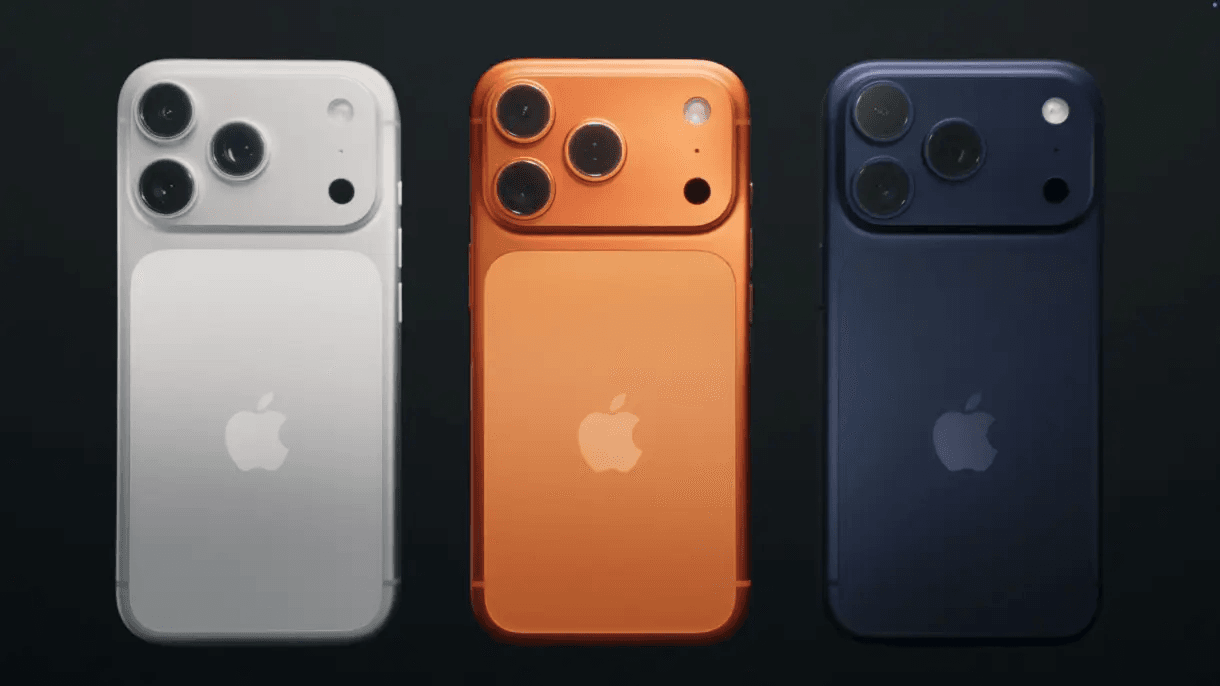
The iPhone 17 features significantly upgraded cameras, displays, and batteries that have motivated users to replace older devices. The improved camera system delivers higher-resolution photos, while the enhanced OLED display offers better outdoor visibility. Battery capacity increased substantially, providing noticeably longer usage between charges—a key factor for users who had delayed upgrading.
Upgrade Cycle Restarts
The hardware improvements rebooted the upgrade cycle, the rhythm at which users decide older devices no longer meet daily needs and justify replacement costs. For several years, many users kept iPhones beyond the traditional two-to-three-year window because incremental improvements felt modest. The iPhone 17's combined leap in camera capability, screen quality, and battery endurance crossed a threshold that prompted action. Apple now depends on whether future models can sustain this tempo of meaningful gains rather than reverting to smaller year-over-year steps.
Revenue Outlook
Apple reported $209.3 billion in iPhone revenue for fiscal 2025, a 4% increase, with analysts projecting a further 5% rise in fiscal 2026 if sales momentum continues. Revenue growth had stalled in recent years, pressuring executives to prove that smartphone innovation can still drive material sales increases in a mature market.
Trade-In Programs and Financing Ease the Switch
Trade-in programs that let customers exchange older iPhones for credit helped sustain U.S. sales even as tariff pressures raised component costs. In China, Apple has maintained subsidies to keep prices stable. Carrier financing plans that spread payments over 24 or 36 months have made upgrades more accessible, reducing the barrier of a single large purchase. This financing structure, familiar to Americans who spread car payments across years, smoothed the transition and helped maintain sales momentum.
AI Features Delayed
Apple postponed several on-device AI features originally scheduled for the iPhone 17 launch, with the capabilities expected to arrive through software updates later in 2026. The company prioritized shipping the camera, display, and battery improvements on schedule rather than delaying hardware to sync with unfinished AI tools. The delayed AI functions represent another setback for Apple's artificial intelligence initiatives.
Competitive Landscape and Future Outlook
The sales rebound signals a renewed upgrade cycle with important implications for Apple's product strategy and the broader smartphone market. Analysts will track whether sales momentum survives the second quarter as Samsung, Google, and other rivals release mid-year flagship models with competing camera systems and battery specifications. The success of this product cycle demonstrates that substantial hardware improvements can still drive significant demand in the mature smartphone market. The question is whether Apple built enough of a lead with this hardware generation to hold customer attention through the next product cycle, or whether competitors will close the gap before the iPhone 18 arrives.