
Intel rolled out its AI Quiet Plus certification for gaming laptops on April 15, 2026, setting a new benchmark for machines that deliver power without the roar. For anyone who's ever tried to game (or work) while a laptop fan screams like a miniature jet engine, this matters. The standard uses AI driven fan control to keep noise down and surfaces cool, adjusting fan speed dynamically based on real time power draw, temperature, and workload. The result? Quieter operation without choking the CPU.
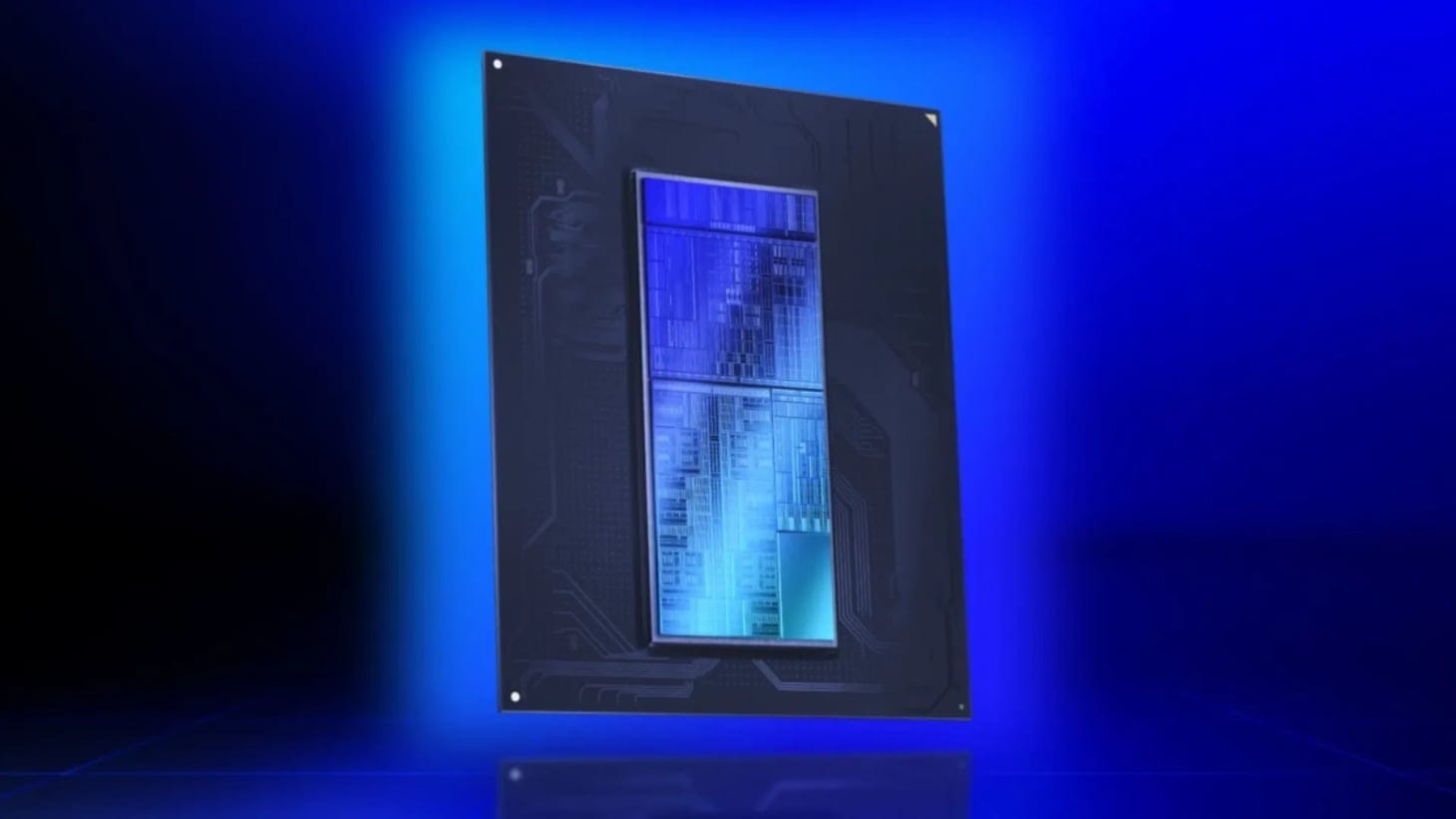
Intel's spokesperson explained that AI Quiet Plus builds on the earlier AI Quiet Gaming Laptop initiative by tightening acoustic and thermal limits. But this isn't just marketing spin: devices must pass independent testing before earning the badge. The system leverages the neural processing unit (NPU) inside the Intel Core Ultra 200HX Plus processor to monitor conditions on the fly and adjust fan behavior before things get loud or hot.
Think of it as a thermostat with nuance: instead of reacting after the fact, the AI anticipates demand and throttles fans preemptively, keeping the experience smooth and subdued.
To earn certification, a gaming laptop must meet four strict criteria: emit no more than 43 dBA during typical use, keep surface temperatures at or below 40°C (104°F) in contact areas, run at least seven hours on battery, and retain at least 92% of peak performance under load. These aren't trivial thresholds. They require careful thermal design, efficient power delivery, and tight integration between hardware and AI.
The acoustic ceiling (43 dBA) is roughly the volume of a quiet library or a refrigerator hum. For context, most gaming laptops under load hover between 45 and 55 dBA, a range that can feel intrusive in shared spaces. Dropping below 43 dBA while maintaining 92% performance is a balancing act that demands both silicon efficiency and intelligent fan curves.
Lenovo, MSI, Honor, and HP are among the first OEMs submitting models for testing, signaling a broader shift toward quieter, more energy efficient gaming rigs. If the certification gains traction, it could become a key differentiator for consumers who value comfort as much as frame rates, especially in households where gaming happens in living rooms, not isolated basements.
The move also reflects a maturation of the gaming laptop category. Raw power used to be the only metric that mattered. Now, as chips grow more efficient and AI offloads more workload management, the experience around performance (noise, heat, battery life) is becoming just as competitive.
Intel plans to publish a list of certified devices later this year and will update the program criteria as AI hardware evolves. Expect new laptop announcements to lean into AI Quiet Plus compliance as a selling point, especially as remote work and hybrid gaming setups blur the line between productivity and play.
For users, the certification signals that high performance gaming laptops can finally deliver power without disruption: machines that work hard without making you notice.