
Imagine cycling through downtown traffic with a pair of active noise canceling headphones on, the city's roar softened to a whisper. A car horn blares, a bus brakes, a pedestrian shouts, yet when another cyclist approaches from behind, the familiar ding-ding of a bike bell is lost in the digital silence, and the warning never reaches you.
Why traditional bike bells fall silent
Most bike bells use mid-range tones that ANC systems treat as unwanted background noise. ANC headphones constantly analyze ambient sound and generate an inverse wave to cancel frequencies that match typical traffic noise, usually between 300 Hz and 2 kHz. A conventional bell emits a sharp ding around 1 kHz, right where the algorithm is most aggressive. The result is a bell that sounds normal to the unaided ear but is almost inaudible to the listener wearing headphones.
The blind-spot frequency trick
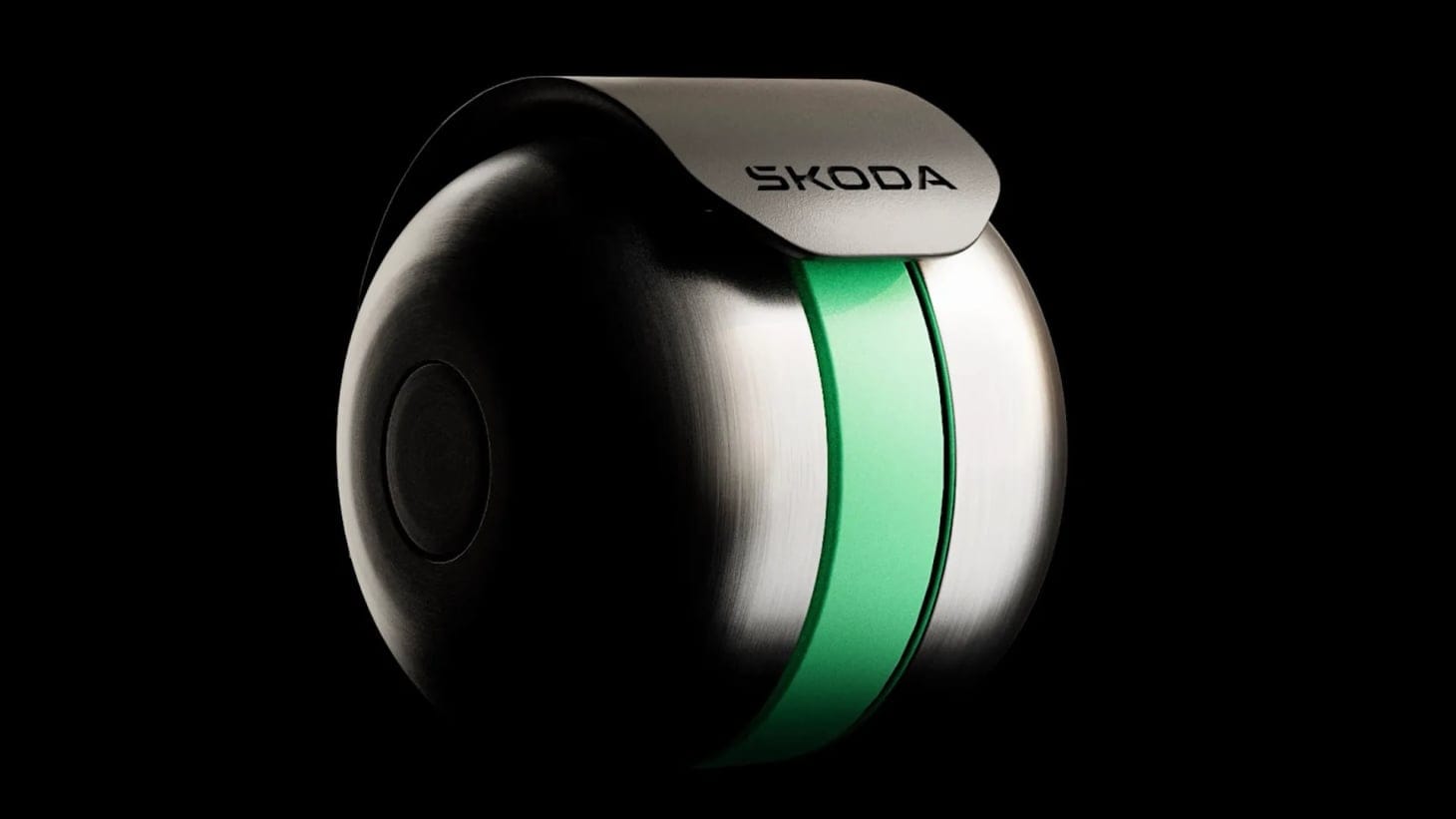
Škoda engineers discovered a narrow blind spot in the cancellation algorithm near 750 Hz. By designing a prototype that emits a low-frequency tone at that exact point, the bell slips through the ANC filter. Because human ears are less sensitive to pure tones at 750 Hz, the bell adds a second, louder component at 2,000 Hz, the classic ding most riders recognize. The dual-tone approach lets the bell be heard by both headphone wearers and bystanders.
==The DuoBell's low-frequency tone bypasses ANC filters, while the high-frequency tone preserves the familiar bell sound.==
How DuoBell proves its edge
In controlled tests, subjects wearing popular headphones such as Apple AirPods Max and Sony WH-1000XM5 reacted faster to DuoBell than to a standard bell. Participants were asked to press a button the moment they sensed an approaching bike. On average, DuoBell was detected five seconds earlier than the conventional bell. The engineers measured the delay using high-speed video and synchronized audio capture, confirming that the low-frequency component consistently pierced the ANC filter.
What this means for cyclists
For cyclists who rely on headphones for navigation, safety alerts, or music, DuoBell offers a practical safety upgrade. The prototype does not require any firmware change to the headphones; it works with any ANC device that follows the common filtering range. Riders can keep their headphones on while still broadcasting a clear warning that cuts through the noise canceling technology.
Beyond safety, the concept shows how a small acoustic adjustment can align technology with everyday human behavior, reinforcing the idea that innovation should adapt to, not fight against, existing user habits.
Looking ahead
Škoda has published a technical paper detailing the frequency analysis and plans to explore commercial production. While the DuoBell remains a prototype, the underlying principle could be applied to other alert systems, think smart helmets, e-scooter warnings, or even emergency alarms in noisy workplaces. As more commuters adopt ANC headphones, designers of safety devices will need to consider similar blind-spot strategies to ensure critical signals are never muted.
==The DuoBell shows that a modest frequency adjustment can make a world of difference for cyclists navigating a city with noise canceling headphones.==