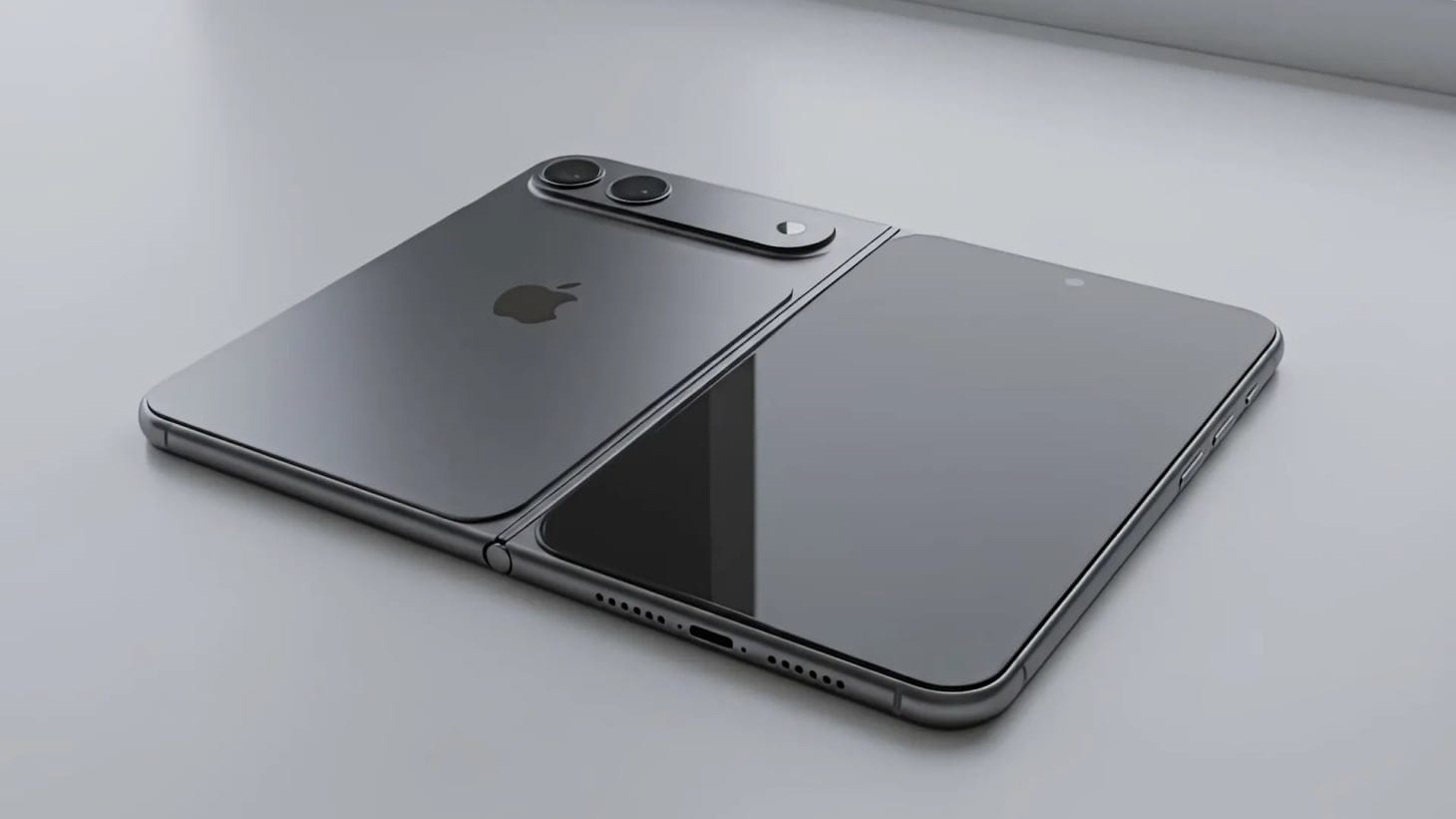

Apple plans to ship three million foldable iPhones by the end of this year, a number that sounds cautious until you realize it's bigger than Samsung's entire Galaxy Z Fold output for 2025. That's not a fumble; it's a strategic signal. After the Vision Pro's lukewarm reception, Cupertino isn't placing an oversized bet on a form factor that still feels niche to most people. Instead, they're testing the water with a controlled rollout that could quietly redefine what "premium" means in the smartphone world.
This limited volume reveals more about Apple's strategy than its ambition. The company learned from the Vision Pro that hype doesn't always translate to mass adoption, especially when you're asking consumers to shift habits. By capping production at three million units, Apple protects its brand from the risk of unsold inventory while still offering power users (lawyers, designers, road warriors) a device that can run two apps side by side without compromise. It's a classic Apple move: enter small, measure twice, scale later.
Industry sources confirm that Samsung Display will supply every flexible screen for the device. The exclusive three year agreement locks out BOE, LG, and any other panel makers, cementing Samsung's role as the backbone of the foldable supply chain. Apple's order for displays ensures a tightly controlled quality standard, though only a fraction will ship this year. The rest are earmarked for future production runs, assuming the product gains traction.
Three million units is a substantial entry into the foldable market. Samsung sold 2.4 million Galaxy Z Fold 7 units in 2025, which means Apple's first year volume could rival the market leader's entire output. For context, the foldable category still accounts for less than two percent of global smartphone sales, so even a "conservative" Apple entry is a significant statement for the niche.
Analysts say the move could lift the global foldable market by up to 30 percent year over year. That's not just about units; it's about ecosystem gravity. Apple's brand pull could finally convince developers to build real split screen workflows. The internal display is rumored to hit 7.6 to 7.8 inches when unfolded, while the outer cover stays at a familiar 5.4 inches (small enough to pocket, large enough to replace a tablet for light work). If that balance clicks, the ripple effects could reach Android competitors who've been waiting for Apple to validate the category.
Apple will monitor early sales and user feedback before deciding on larger production runs. If demand exceeds expectations (say, tech professionals and early adopters flood the pre order queue), the company could expand the supply chain, though major changes are unlikely before next year. For now, the exclusive partnership keeps the rollout tightly controlled, which also gives Apple leverage to refine hinge durability and software optimization without the pressure of mass market volume. The real test isn't whether three million units sell; it's whether the first million buyers tell their friends it's worth the premium.