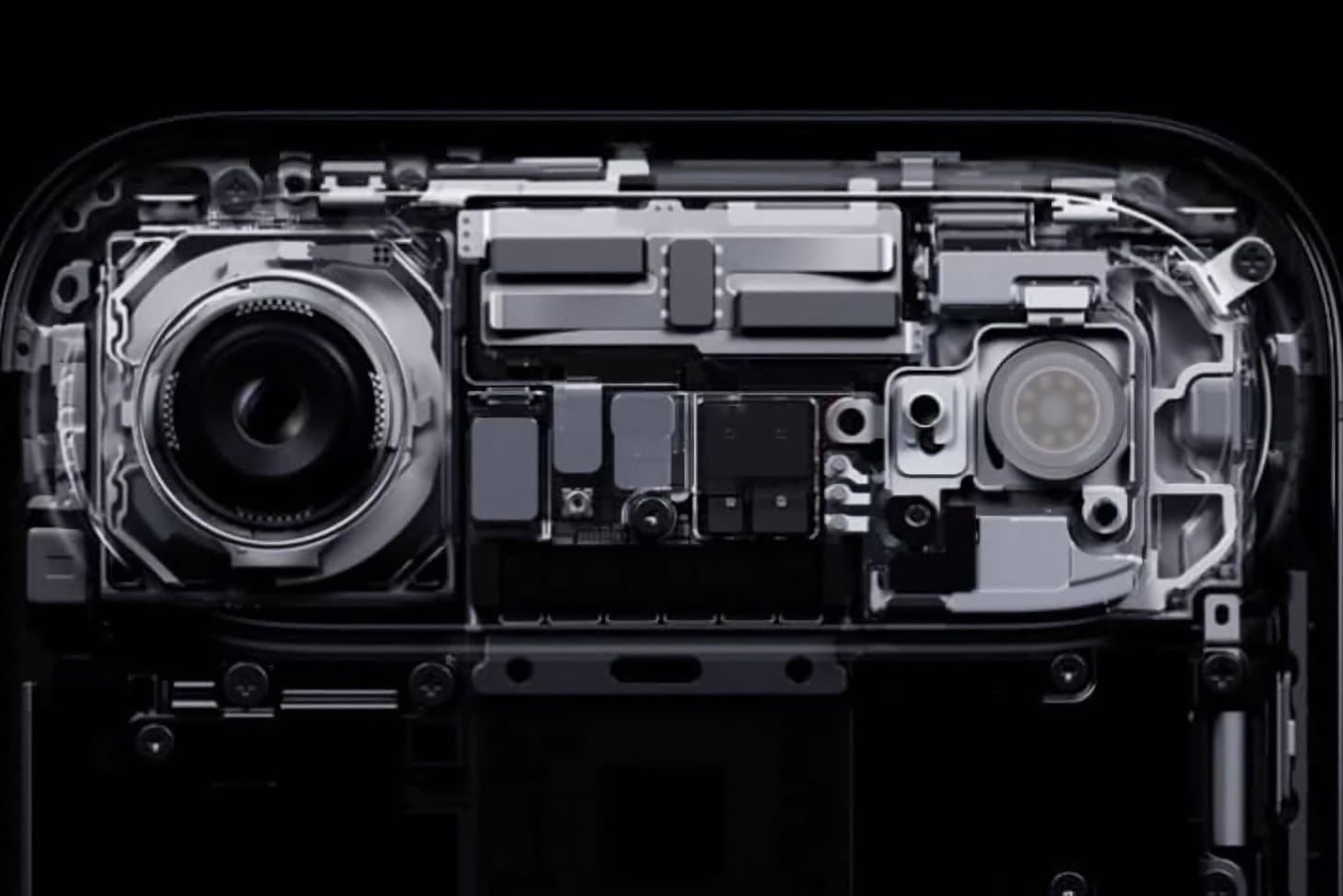

Apple is developing an ultra-thin Face ID module for the upcoming iPhone Air 2 to make room for a second ultra-wide camera without increasing chassis thickness. According to an insider at Instant Digital, the company has requested these slimmer components from its suppliers. Face ID works by projecting infrared dots onto a face and matching the pattern to stored data.
The depth reduction would create space for an ultra-wide lens, allowing users to capture broader scenes while keeping the phone slim. Shoppers continue to value thin phones, so expanding photographic capability without adding bulk addresses a real consumer preference.
The redesign requires more than just Face ID—engineers must reconfigure the entire component layout to accommodate the second camera. In the current iPhone Air, all technical hardware is housed within the protruding camera module, while the rest of the chassis is occupied by the battery. The slimmer Face ID unit would need to maintain infrared performance, thermal management, and signal integrity in a more constrained vertical space.
The change likely involves relocating components and optimizing the internal architecture to balance the new camera requirements with Face ID functionality.
If the ultra-thin design proves successful, Instant Digital suggests it could eventually appear in MacBook lids, enabling biometric unlocking without widening the display housing. However, there are currently no rumors indicating Apple is actually working on adding Face ID to MacBooks.
The development timeline remains unclear, though component orders typically occur several months before product launches. If development progresses as planned, the redesigned Face ID module could debut in a future iPhone Air iteration, potentially enabling the dual-camera system Apple appears to be pursuing.
Watch for further supply-chain reports and any performance data Apple releases about the new module. Key questions include whether the slimmer design maintains depth-sensing accuracy in various lighting conditions and whether it impacts battery placement or overall device thermals.