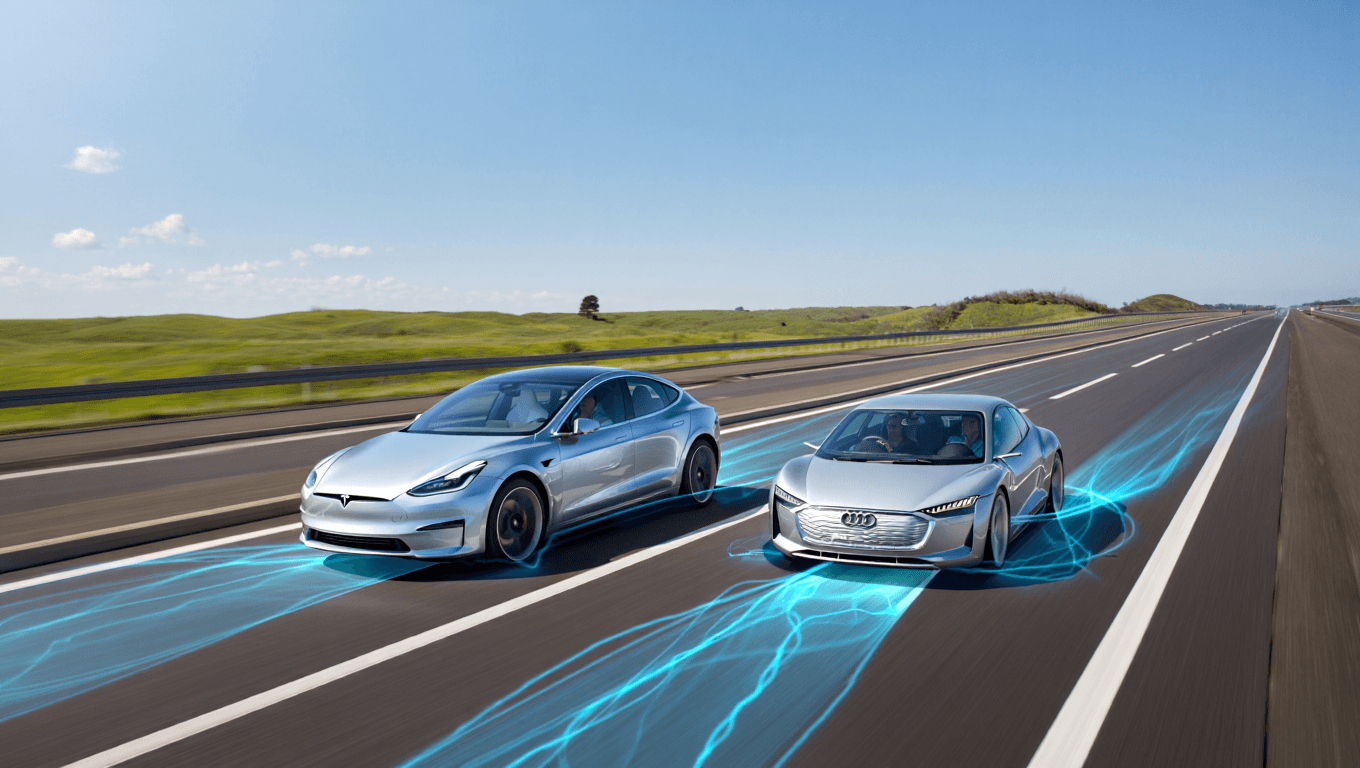

France just activated a 0.9-mile stretch of highway near Paris that wirelessly charges electric vehicles as they drive, delivering over 300 kW through magnetic coils embedded in the asphalt.
Why it matters: This technology could eliminate range anxiety—a major barrier to EV adoption in the U.S.—especially for rural drivers crossing vast distances between Texas towns or navigating California's Central Valley.
How it works: Magnetic coils beneath the road create an energy field transferring 200+ kW average power directly to equipped vehicles at highway speed—matching fast-charging stations, but without stopping.
The big picture: Imagine your EV charging itself during your morning commute on I-95, with continuous energy flowing from road to battery as you drive from Boston to Miami. No charging stops. No plugs.
The American angle: Detroit launched a 1,312-foot test section in 2023, but France just proved the concept works at highway scale and traffic intensity. Success could enable charging corridors along I-10, I-80, or Route 66—transforming American road culture.
What's next: Engineers will collect real-world efficiency data over coming months. Success could trigger EU-wide expansion and accelerate U.S. adoption, turning interstates into continuous charging networks.
The bottom line: Highways that charge vehicles while driving enable a future where batteries shrink, vehicles lighten, and cross-country travel becomes seamless. The electric transition just found its open road.