
It is 8 a.m. in a modest San Francisco apartment. The curtains are drawn. A soft hum of a MacBook fills the room. John Noble sits upright. He closes his eyes. A cursor glides across a map of Azeroth. No mouse clicks. No keyboard taps. The raid begins.
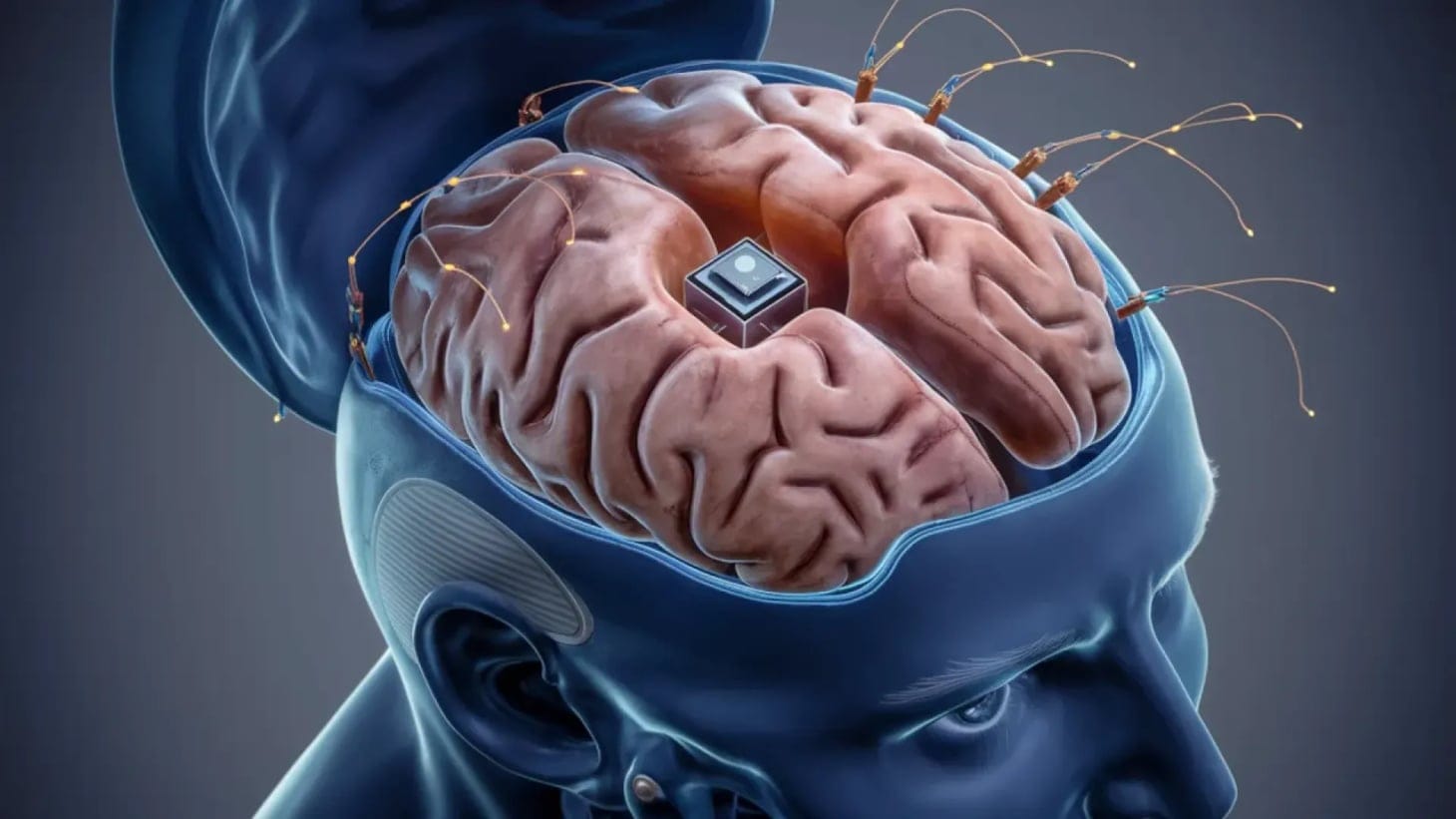
John L. Noble is a retired British parachutist who now lives in San Francisco. He lost the use of his legs in a training accident. ==A neural implant now lets him control a computer with thought alone.== The implant was placed by Neuralink, a company that builds brain‑computer interfaces. The technology is still in early clinical use. It shows how a medical device can change daily digital habits.
The Making of a Soldier
John grew up in a small town near Manchester, England. He joined the British army at 18 and earned his parachute wings at 20. He loved the feeling of free fall.
A fall during a training jump left him paraplegic at 32. He faced months of rehabilitation and described the loss as "a world gone dark."
Friends urged him to try assistive tech. He tried voice‑controlled devices but found them slow. ==He wanted a faster link between mind and screen.==
He learned about a neural interface trial in 2024 and applied. Neuralink accepted him into their clinical program.
The Surgery
The implant surgery took place at a specialized clinic. Surgeons made a small incision, and a robot placed 1,024 ultra‑thin threads into his motor cortex. The procedure lasted under an hour. John woke up the same day and reported no pain.
"The incision felt like a pinprick. The next day I could feel the wires humming."
He went home the next day and rested for three days. By day five the scar was barely visible.
He connected the implant to a MacBook on day seven and opened World of Warcraft. The game responded to his thoughts.
"My mind moved the avatar before my eyes could blink."
Learning to Play With Thought
He learned to map thought patterns to mouse movements and intent to click commands. The first raid felt clumsy, and he missed a boss attack.
He adjusted his mental focus. The next raid ran smoothly.
"The first raid was a mess. The second felt like magic."
He now runs raids at full speed and explores new zones without a single hand movement. He competes with able‑bodied players and wins.
He shares his screen with a community of disabled gamers. After 100 days of using the implant, John says he can't imagine life without it.
"Playing with thoughts makes me feel whole again."
The Brain as Interface
John believes technology should extend human agency. He says "the brain is the last frontier we can still reach with code."
He warns that developers must keep safety front and center, noting that his implant requires daily calibration.
"Every update feels like a new lesson in trust."
He advises other veterans to explore neuro‑tech but stresses patience. He says "the mind learns faster than any prosthetic."
"Don't expect instant results. The brain needs time to adapt."
Building a Community
John now mentors other patients and runs a virtual support group on Discord. He helps newcomers calibrate their implants.
He speaks at tech conferences in San Francisco and Seattle, showcasing how brain‑computer interfaces can reshape leisure.
"Seeing a fellow veteran log in with thoughts is priceless."
He collaborates with Neuralink on usability studies and provides feedback on software latency. He hopes future versions will need fewer threads.
"The next generation could work with a single millimeter‑wide mesh."
What Happens Next
John's story shows how a medical device can alter everyday digital behavior. It moves the conversation from "what can we build" to "how will it change how we play."
His experience hints at broader possibilities for veterans across the United States. It suggests that ==brain‑computer interfaces could soon become tools for education, work, and recreation== for many Americans.
The question remains: how will society shape the rules that govern thought‑driven computing?