
Driving the news: Xiaomi has started public testing in China for its Mijia Kids Electric Toothbrush Pro, an AI‑powered kids' electric toothbrush that records brushing patterns and flags problem areas in a child's mouth.
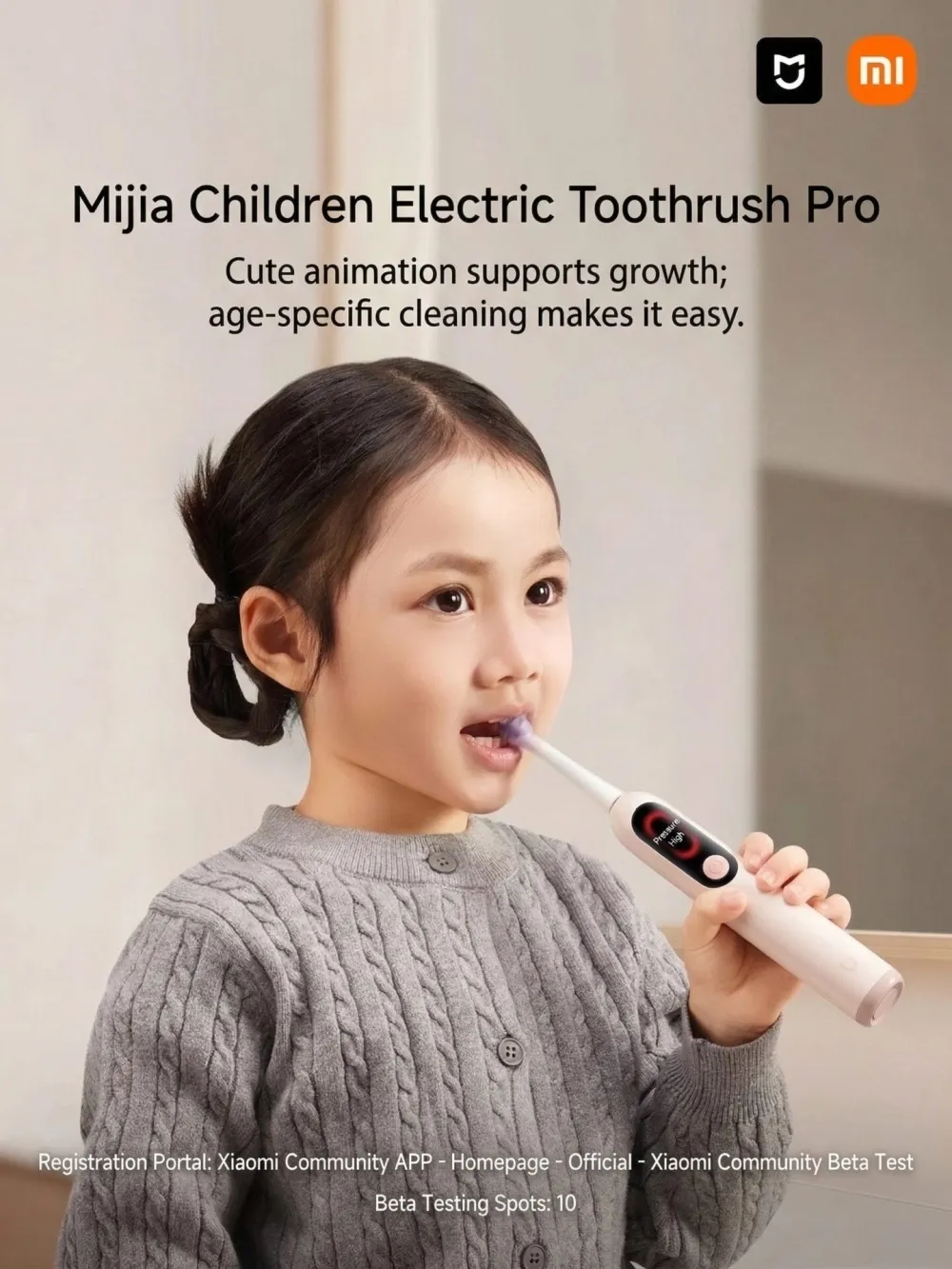
Why it matters: The device marks a shift in children's oral care from passive two‑minute timers to data‑driven coaching. As smart‑home health tools expand, parents now face decisions about when behavior tracking offers genuine benefit and when it adds unnecessary surveillance.
How it works: Parents create a care plan in the Mijia app by marking cavities or missing teeth. The brush emits sound cues every 30 seconds and displays animated characters that move as the child covers each quadrant. Completed sessions unlock digital rewards, and missed sessions trigger parent notifications.
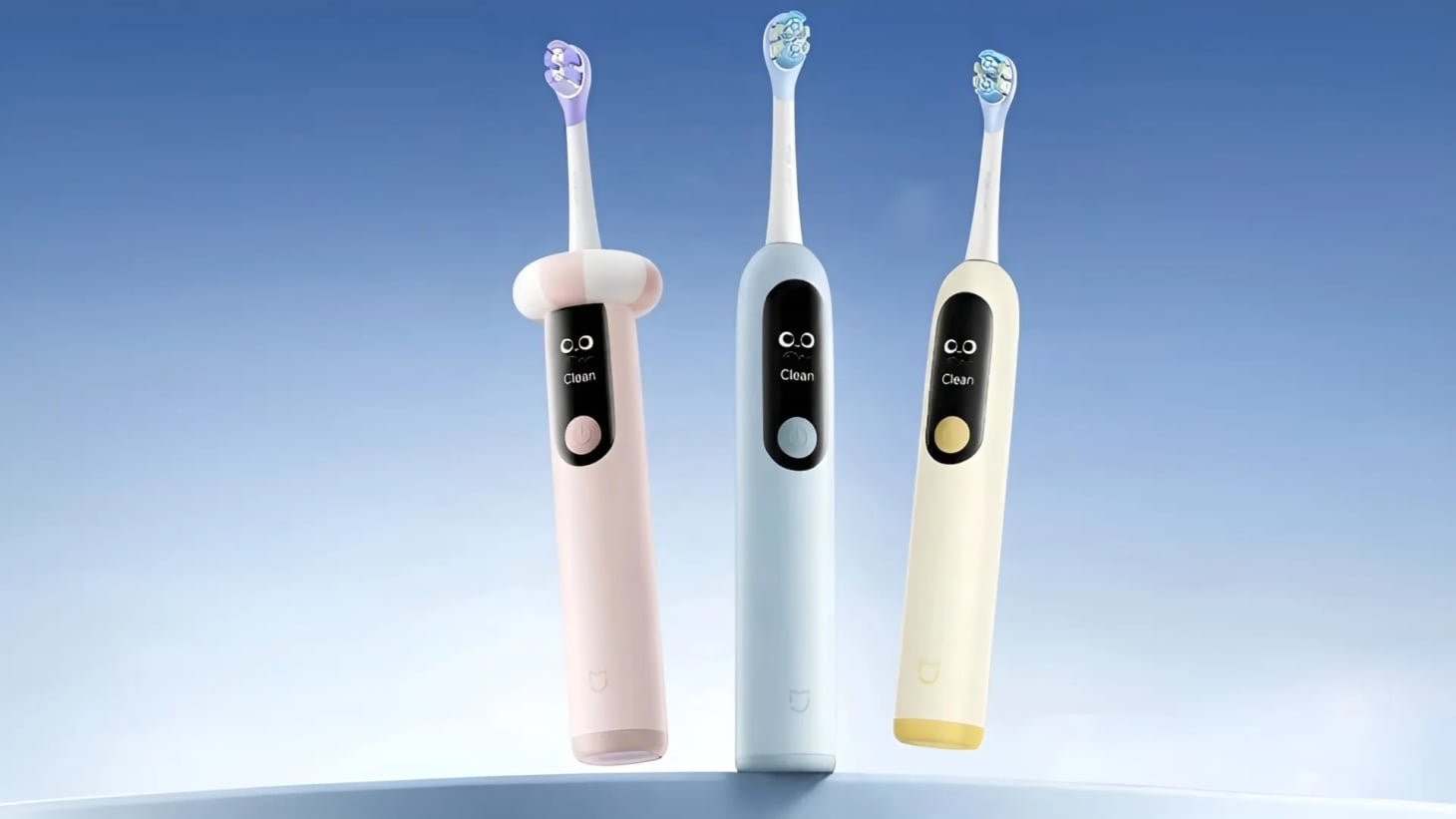
Battery and design: Xiaomi claims a 90‑day battery life per charge and an IPX8 waterproof rating, meaning the brush can be fully submerged for cleaning without damage. A soft rubber ring protects gums during use.
Privacy considerations: The Mijia app records brushing duration, pressure, and identified problem areas, then stores the data on Xiaomi servers. Under the 2025 FTC COPPA amendments, operators must obtain verifiable parental consent before collecting such information from children. Parents should review the app's privacy notice for third‑party sharing clauses, as violations can incur penalties of $53,088 per breach.
Reality check: The product remains in public testing with no U.S. price or regulatory clearance. Without independent dental validation, the AI care plan's clinical value is unproven.
What to watch: Future updates may include technical documentation of the AI model and FDA or dental‑association endorsements. U.S. families should compare this brush to existing smart options such as the Philips Sonicare for Kids, which offers a simpler two‑minute timer without data collection.
What's next: If Xiaomi secures U.S. approval, the device could integrate with HyperOS (Xiaomi's smart‑home operating system) routines, allowing parents to automate bedtime lighting when the brush signals completion.


