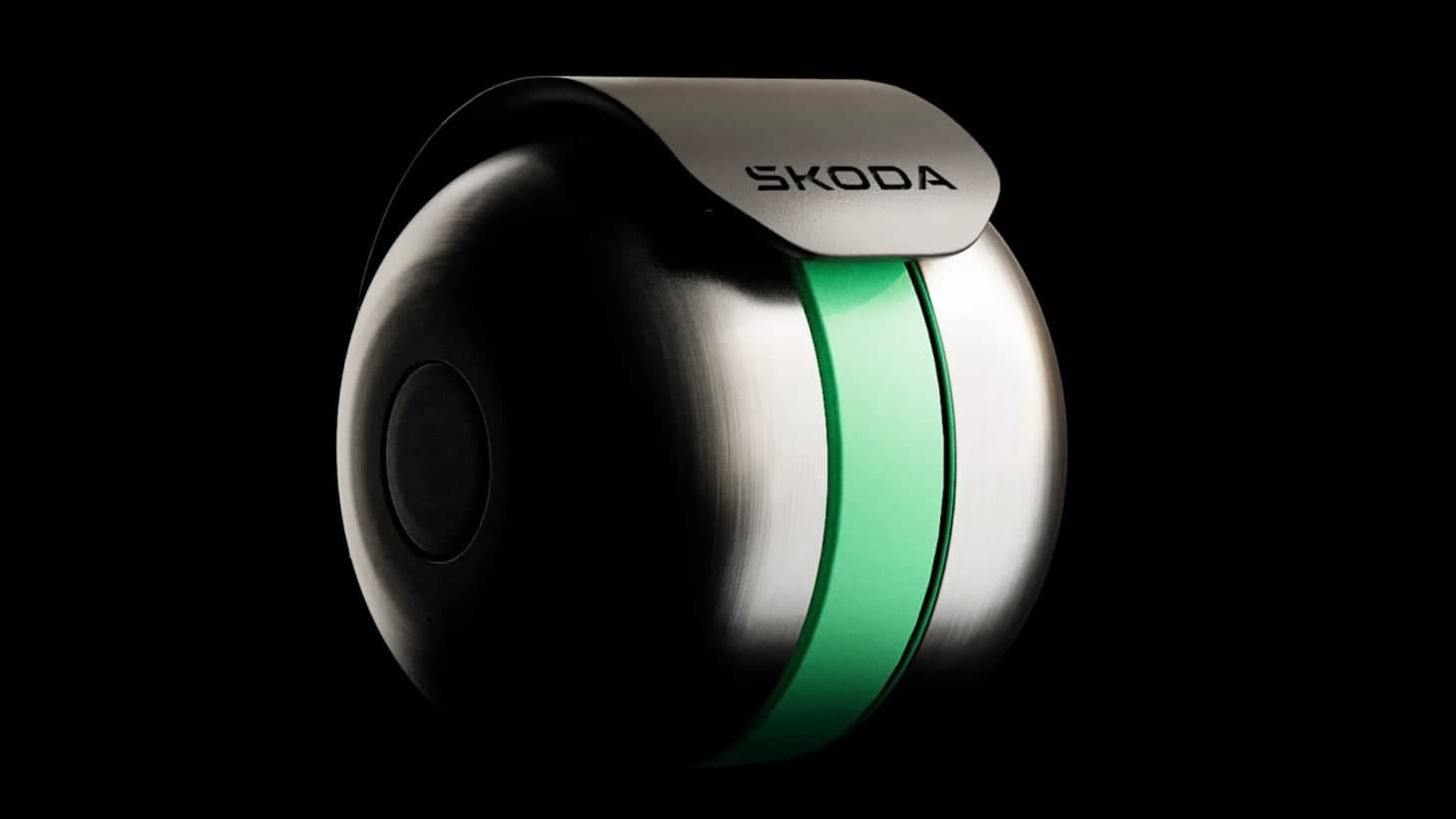
Škoda unveiled the DuoBell prototype—a bicycle bell engineered to punch through active-noise-cancelling headphones using the ANC algorithm's own frequency blind spot.
What's new: The bell fires a 750 Hz low-frequency pulse—a range ANC chips typically ignore—paired with a 2,000 Hz chime that your brain reads as "bicycle bell." The combo bypasses digital noise filters while staying audible above traffic and wind roar.
Why it matters: Škoda's engineers tested the DuoBell against popular headphones, including Apple AirPods Max and Sony WH-1000XM series. Riders wearing ANC headphones detected the dual-tone alert an average of five seconds earlier than a standard single-frequency bell—a lifetime when you're closing at 15 mph on a bike lane.
How it works: Active noise cancellation works by sampling ambient sound and generating inverse waveforms to cancel it out. Most ANC algorithms leave a gap in the low-frequency range around 750 Hz because processing those frequencies drains battery and doesn't target typical noise like engine hum or HVAC. DuoBell exploits that gap: the low pulse slips through untouched, while the secondary 2,000 Hz tone registers as the classic "ding" without overwhelming the rider.
Where it actually works—and where it doesn't: Urban cyclists threading bike lanes on streets where wind noise, delivery trucks, and Bluetooth speakers mask traditional bells will get the most out of the dual-tone alert. Riders on quiet park trails or protected greenways may find the high-pitch chime overkill—especially if pedestrians aren't wearing headphones in the first place.
The bottom line: Škoda says the DuoBell remains a prototype with no production timeline, pricing, or street date. The company has released a technical paper detailing the frequency analysis. Still, it's a smart engineering answer to a real-world problem: on America's bike lanes, half the riders have AirPods Pro in, and a standard bell might as well be a whisper. If Škoda or another manufacturer can package this for under $30 and get it into bike shops, it could help prevent accidents—and that's worth more than a press release.