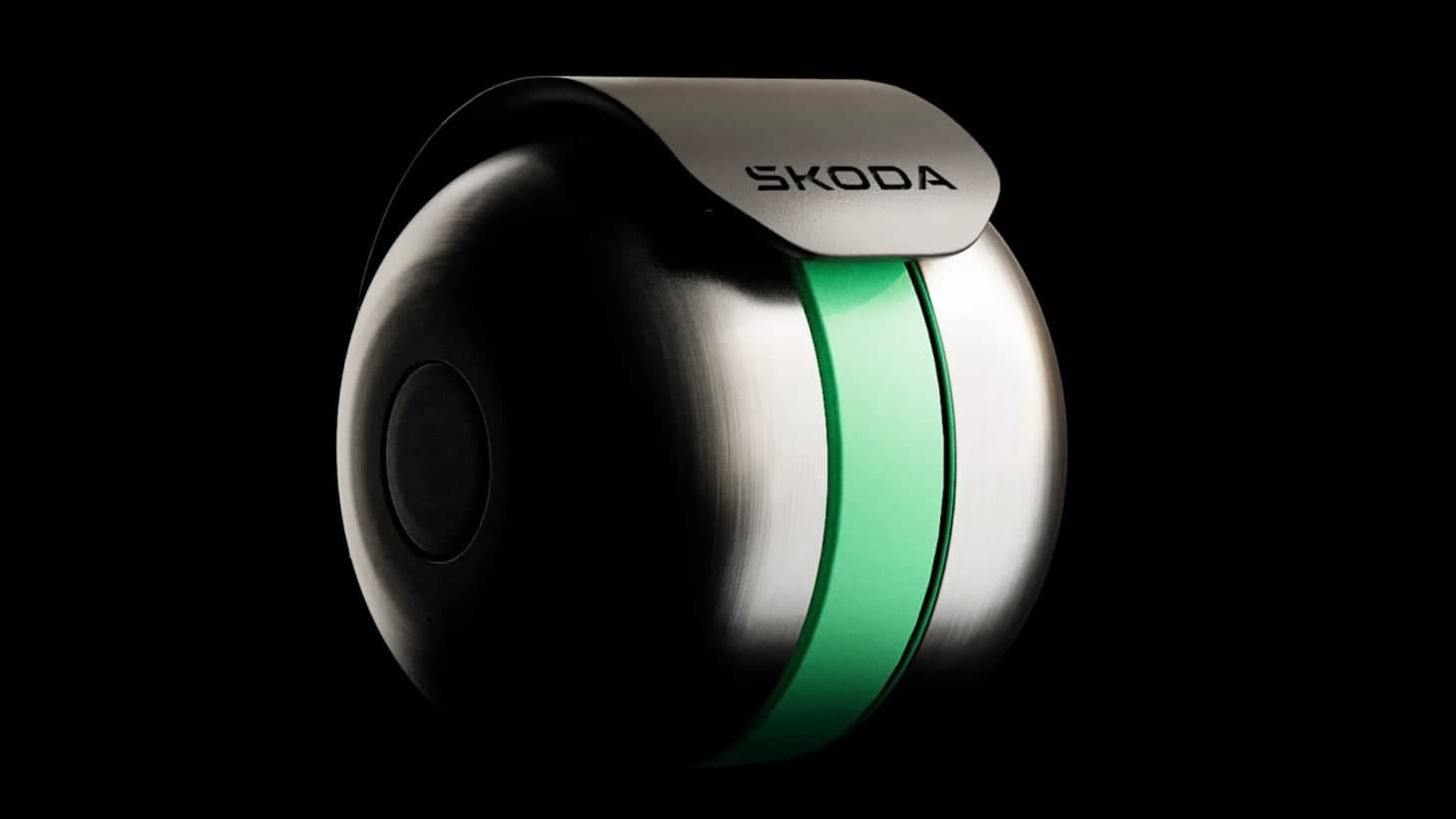
Two former Apple engineers just rolled out a nostalgia-wrapped AI gadget that's one part iPod Shuffle, one part privacy statement, and no screen. Chris Noel and Ryan Burgoyne, who previously worked on Apple's Vision Pro headset, introduced the Button this week in San Jose, a pocket-sized voice assistant that only listens when you press its single physical control. No always-on mic. No paranoid glances at your countertop. Just you, a button, and a chatbot that talks back through your earbuds or smart glasses.
The pitch? Faster, more personal AI without the creep factor. By ditching the touchscreen and requiring a physical press to activate, the Button tries to sidestep the unease that's dogged smart speakers and wearables since day one. You press, you ask, you get an answer streamed via Bluetooth, simple as the music players we used to clip to our gym shorts.
Noel and Burgoyne aren't just banking on utility, they're banking on feeling. The Button deliberately echoes the iPod Shuffle's minimalist design, a move calculated to trigger warm memories in anyone who survived the 2000s with white earbuds dangling from their collar. It's a smart play: wrap new tech in old affection, and early adopters might forgive a few rough edges.
But nostalgia only gets you so far. The device does what your phone already does, just with a dedicated piece of hardware and a button you can touch. Critics are already drawing parallels to the Humane AI Pin and other wearable AI experiments that promised to replace your smartphone but ended up collecting dust in a drawer. The question isn't whether the Button works, it's whether it works enough to justify another gadget in your pocket.
Press-to-talk isn't new, but it's suddenly fashionable again. As consumers grow warier of always-listening devices, the Button's manual activation feels less like a feature and more like table stakes. You control when data gets captured. You know exactly when the mic is live. It's a small reassurance, but in 2025, small reassurances sell.
The creators emphasize the seamless handoff to Bluetooth earbuds or smart glasses, positioning the Button as a hub rather than a standalone assistant. If you're already wearing wireless audio gear, the device slots into your existing setup without much fuss. And if you're the type who's intrigued by audio-first AI devices but skeptical of screens, this might be the middle ground you didn't know you wanted.
The team has plans to expand third-party integrations and explore voice-only modes, which suggests they're thinking beyond the launch buzz. Whether that translates into a sustainable product category or just another footnote in the long history of "smartphone alternatives" remains to be seen.
For now, the Button is a bet that tactile control and audio-only interaction can carve out a niche in a world drowning in notifications and glowing rectangles. If it works, we might see a wave of privacy-focused AI accessories designed for people who want their tech helpful, not hovering. If it doesn't, at least we'll have another case study in ambitious hardware that couldn't quite escape the pull of the smartphone.