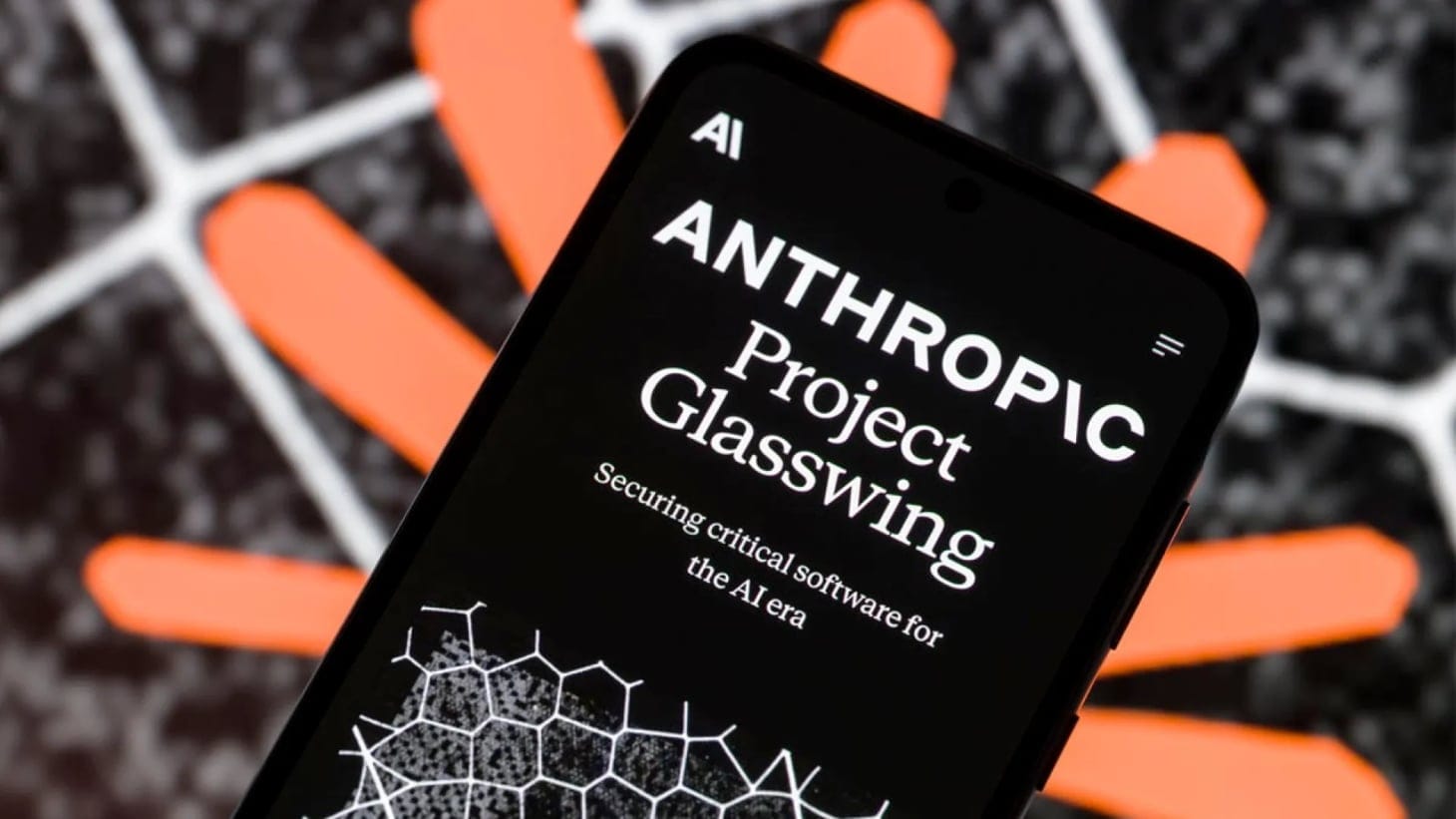

Earlier this month, Anthropic's unreleased Claude Mythos Preview model was accessed by unauthorized parties after a security breach at a third‑party contractor, Bloomberg reports. The incident involved a model the company deemed too advanced for public release, one reserved exclusively for strategic partners, including Google, Apple, Microsoft, Nvidia, and Amazon. Members of a Discord community that tracks unreleased AI systems said they "experimented with the new model, not to cause chaos." Anthropic has acknowledged the breach and opened an investigation.
Unauthorized access to frontier AI models creates cascading risks across the technology supply chain. Mythos was built specifically for advanced cybersecurity applications and has already shown it can spot previously unknown vulnerabilities in widely used operating systems and browsers. If weaponized, its exploit‑discovery capabilities could threaten millions of consumers and enterprises that rely on those platforms every day.
A company spokesperson told TechCrunch that Anthropic is actively reviewing the incident and has found no evidence that partner systems were compromised. The statement clarified that the leak appears confined to a third‑party development environment and emphasized that access controls within partner infrastructures remain intact. No other technology firms have reported similar breaches involving their AI collaborations.
Mythos Preview remains restricted to five of the largest cloud and hardware providers in the United States. This limited rollout reflects both the model's strategic value for AI‑driven security tooling and the heightened precautions surrounding systems capable of autonomous vulnerability research.
The episode underscores a structural challenge: advanced AI development now spans multiple vendors, contractors, and integration points. As model capabilities grow more potent, particularly in domains like cybersecurity and code generation, the number of potential security weak points increases significantly. Supply chain security, once a hardware concern, has become a first‑order problem for AI companies building systems that could themselves become tools of exploitation.
Anthropic announced plans to strengthen third‑party vetting procedures and implement enhanced monitoring across all external development environments. Industry observers expect this incident to accelerate regulatory scrutiny of AI partnerships and drive demand for more rigorous contractual safeguards governing access to frontier models. The breach serves as a reminder that transparency, when applied to AI safety, must extend beyond algorithmic design to include the operational infrastructure that supports it.