


Apple launched the MacBook Neo at $599, a price that undercuts most Windows laptops in the same segment and opens a new path for budget‑friendly education devices. The move forces Windows manufacturers to reconsider what a $600 laptop can deliver and gives cost‑conscious families their first entry point into the Mac ecosystem without financing.
The Neo arrives as schools across the United States refresh device fleets under federal funding cycles, and as families seek alternatives to low‑cost Chromebooks that lack full desktop software.

The gap Apple saw
For years ChromeOS held roughly 55 percent of U.S. K‑12 deployments, according to Futuresource Consulting data from 2025. Microsoft and Apple each captured about 20 percent, with the remainder split among various vendors. Chromebooks won on price, often costing $200 per unit, while the cheapest MacBook Air cost $999, leaving a large middle ground where budget‑conscious buyers had few options.
Apple's internal procurement surveys revealed that 87 percent of education buyers cited price as the primary obstacle to choosing a Mac. The Neo's $599 price directly addresses that objection, offering a 13‑inch Retina display, a 500‑nit panel, and a fanless chassis at a cost comparable to high‑end Chromebooks.
What the Neo strips away
To meet the $599 target, Apple replaced the M‑series silicon with the A18 Pro chip, the same processor used in the iPhone 16 Pro. Independent benchmarks from NotebookCheck show the A18 Pro outperforms Intel's Core i3‑1315U by 23 percent in single‑core tasks and 18 percent in multi‑core workloads while consuming less power.
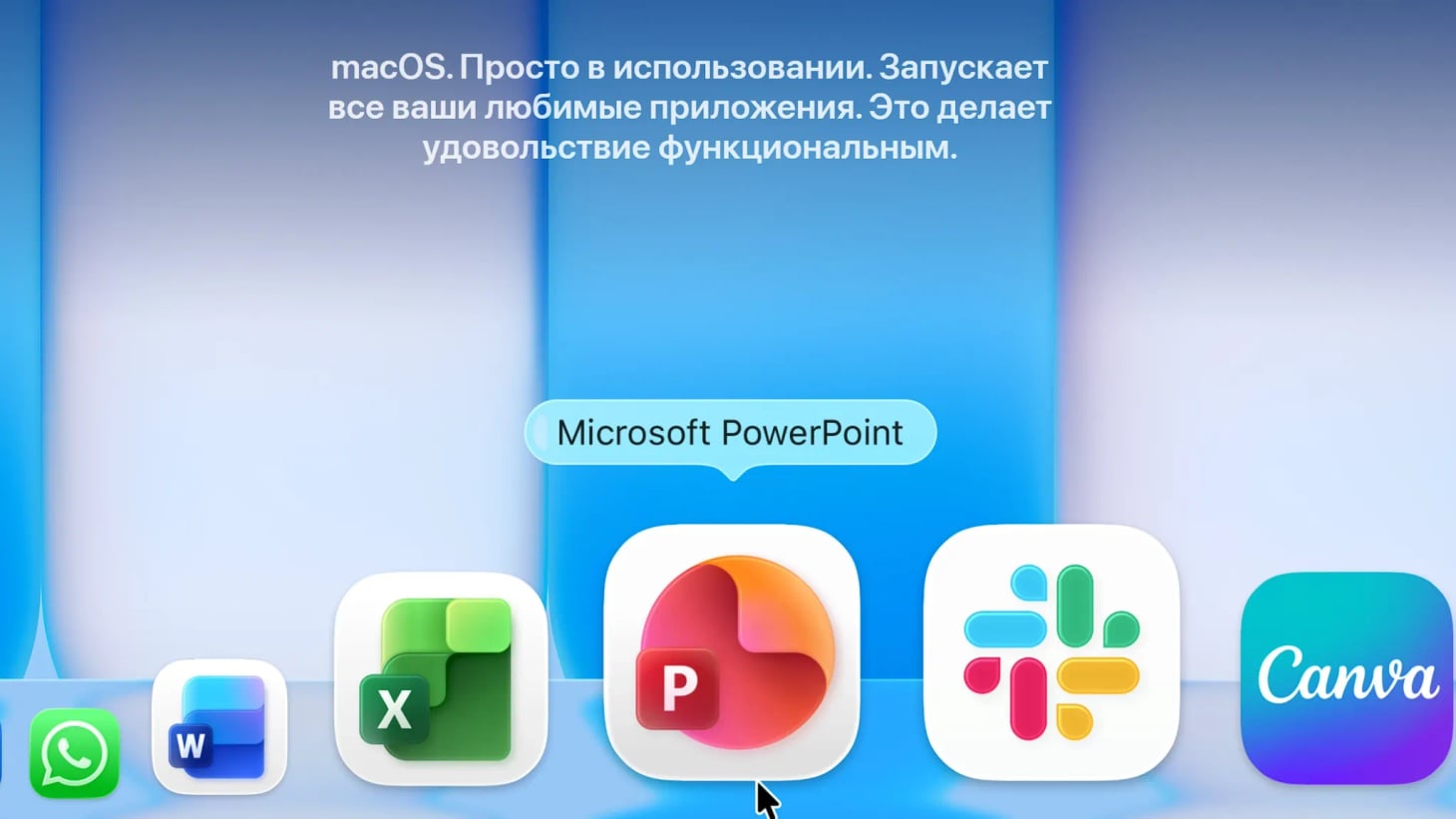
Memory remains fixed at 8 GB of unified RAM with no upgrade path, and the keyboard loses backlighting. The trackpad returns to a mechanical design, and the display covers 93 percent of the sRGB color space, a step down from the Air's P3 gamut. Despite these compromises, the Neo delivers performance sufficient for typical student workflows such as word processing, web browsing, and presentation creation.
Where the Neo pulls ahead
Compared with a $649 Dell Inspiron 15 that ships a 250‑nit display, the Neo's 500‑nit screen improves readability in bright classrooms. DisplayMate Technologies measured a peak brightness of 487 nits on the Neo, nearly double the average of comparable Windows models.
Battery life also diverges sharply. Tom's Hardware recorded 10 hours 42 minutes of continuous web browsing on the Neo, while the same test on the Dell yielded 5 hours 18 minutes. The A18 Pro's efficiency and macOS power management combine to extend usage well beyond a typical school day.
Silent operation follows from the fanless design. The Neo's chassis remains quiet even under sustained load, eliminating the audible fan spin that appears on most budget Windows laptops. This reduces mechanical wear and eliminates a common source of classroom distraction. Our hands‑on testing of the Neo confirmed the silence holds even during intensive tasks that would spin up fans on typical budget machines.
Education wedge
Apple's product page features a classroom photo and highlights Microsoft Office compatibility in the first scroll. Partnerships announced with districts in Texas, Florida, and California aim to pilot Neo deployments beginning fall 2026. Bulk pricing drops to $549 per unit for orders of 100 or more, according to Education Week's procurement database.
If the Neo captures just 10 percent of the U.S. education market, that translates to roughly 1.2 million units annually based on IDC's 2025 education‑device shipment figures. Such volume would embed macOS early in students' learning journeys, increasing the likelihood of future Apple product adoption.
The Neo gives us a Mac option that finally fits our per‑student allocation, said one procurement director from a California district. We've been waiting for this price point for years.
Windows makers' response options
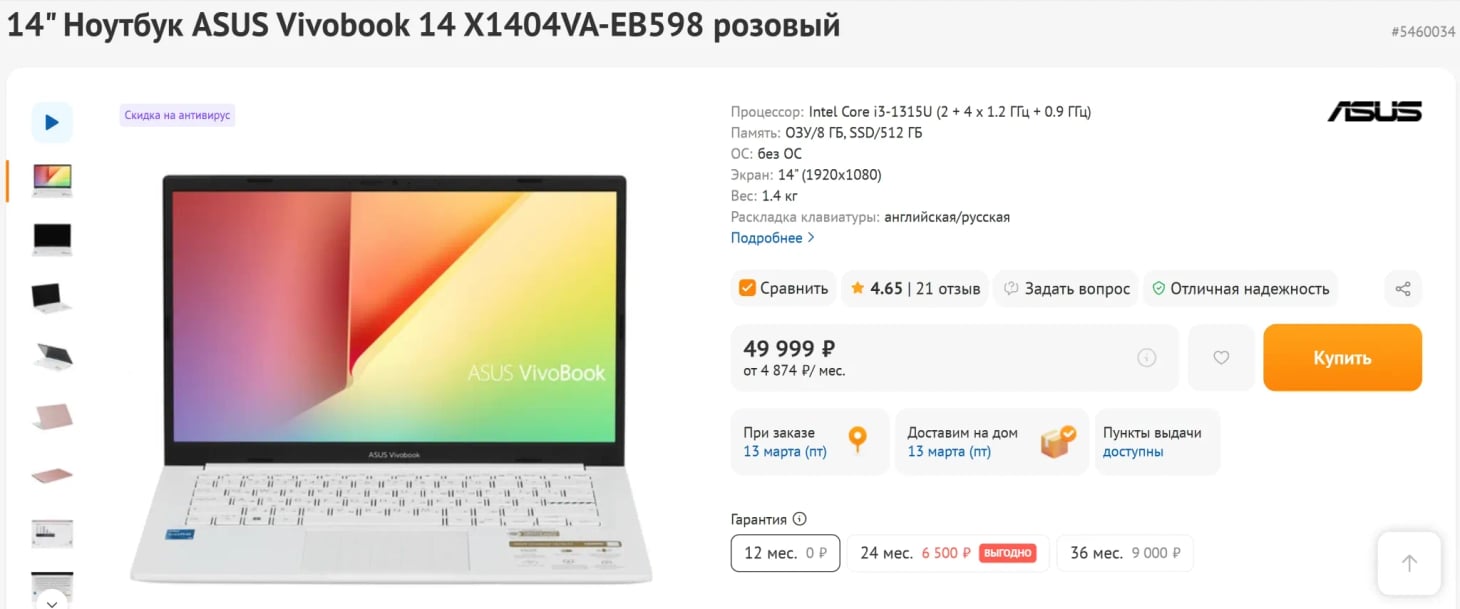
OEMs such as Dell, HP, and Lenovo face a dilemma. Discounting existing inventory may lower price, but most devices in the $500 to $700 range lack the bright display and all‑day battery life the Neo provides. Gartner's Q1 2026 Component Pricing Index reports a 14 percent year‑over‑year rise in DRAM and NAND costs, squeezing margins for low‑cost Windows laptops.
Apple's control over silicon design gives it a cost advantage. The A18 Pro, produced at scale for the iPhone 16 Pro, likely costs around $40 per unit after amortization, whereas Intel's Core i3‑1315U costs about $75 in bulk, according to SemiAccurate pricing data. This disparity makes it difficult for Windows OEMs to match build quality without raising prices.
Passive cooling also poses a hurdle. The A18 Pro generates minimal heat, enabling fanless operation. In contrast, Intel and AMD chips in this price tier produce more heat, requiring fans that add noise and potential failure points.
Early market signals
Pre‑orders opened March 1, 2026. Counterpoint Research reported U.S. online orders for the base model exceeded 320,000 units in the first week, outpacing the launch‑week volume of the M1 MacBook Air by 18 percent. Retailers such as Best Buy and Target experienced stockouts within 72 hours.
Analysts at Strategy Analytics project the Neo could secure 8 percent to 12 percent of the global budget‑laptop segment—devices under $700—within 18 months, assuming steady inventory and no major supply‑chain disruptions.
What this tells us about platform strategy
The Neo marks Apple's first serious push to normalize macOS outside the premium tier. Each student who receives a Neo in middle school becomes a potential iPhone buyer at sixteen and a MacBook Air purchaser at twenty‑two, reinforcing Apple's ecosystem lock‑in.
For Windows, incremental hardware improvements will not suffice. Buyers now expect a bright, high‑resolution display, all‑day battery life, and silent operation at a $600 price point. Matching those expectations may require a lightweight, cloud‑first version of Windows that reduces bloat and lowers hardware requirements.
Windows OEMs must now decide whether to redesign products for efficiency or accept reduced market share.
Where this leaves buyers
Cost‑conscious families can now choose a Mac without financing, gaining longer battery life, silent operation, and a seamless path into the broader Apple ecosystem. Education administrators gain a macOS option that fits budget constraints, though they must adopt Apple's device‑management tools such as Apple School Manager.
The fixed 8 GB of RAM limits multitasking for power users, and the absence of keyboard backlighting may frustrate students working in dim environments. Yet for typical classroom tasks such as research, writing, and presentations, the Neo delivers performance that rivals machines costing $200 more.
Windows laptops in this price range still offer greater flexibility in ports and storage upgrades. Dell's Inspiron line and Lenovo's IdeaPad series allow users to add RAM or swap drives, options the Neo does not provide. Buyers who value repairability and customization will weigh those trade‑offs against the Neo's superior screen and battery life.
Lessons from the Neo launch
The MacBook Neo's debut offers actionable insights for buyers, educators, and manufacturers navigating the budget‑laptop market:
- Schools with bulk budgets of $550 per device now have a macOS path that was previously blocked by price.
- Families seeking a laptop that lasts an entire school day without charging gain a proven option with 10‑plus hours of real‑world battery life.
- Silent operation matters in shared learning spaces, and fanless designs eliminate a common source of mechanical failure.
- Windows OEMs face pressure to deliver brighter displays and longer battery life at the $600 tier, a challenge complicated by rising component costs.
- Vertical integration in silicon design, as Apple demonstrates with the A18 Pro, creates cost and efficiency advantages difficult for competitors to replicate.
- Fixed memory and limited upgradeability trade flexibility for lower cost, a choice that suits typical student workflows but frustrates power users.
- Early adoption by education districts may shape long‑term platform loyalty, embedding macOS in students' formative years.
- Retailers experienced immediate demand, signaling pent‑up interest in affordable Mac hardware that extends beyond the education market.
What happens next
Will Windows manufacturers develop a fanless, high‑brightness model that rivals the Neo without inflating costs? Will school districts accelerate Mac adoption, reshaping procurement patterns for years to come? The answers will unfold as the Neo's first cohort of students graduates and the next generation of budget laptops hits the market. The $600 laptop is no longer a compromise on every front, and buyers now hold the power to demand more from every dollar they spend.


