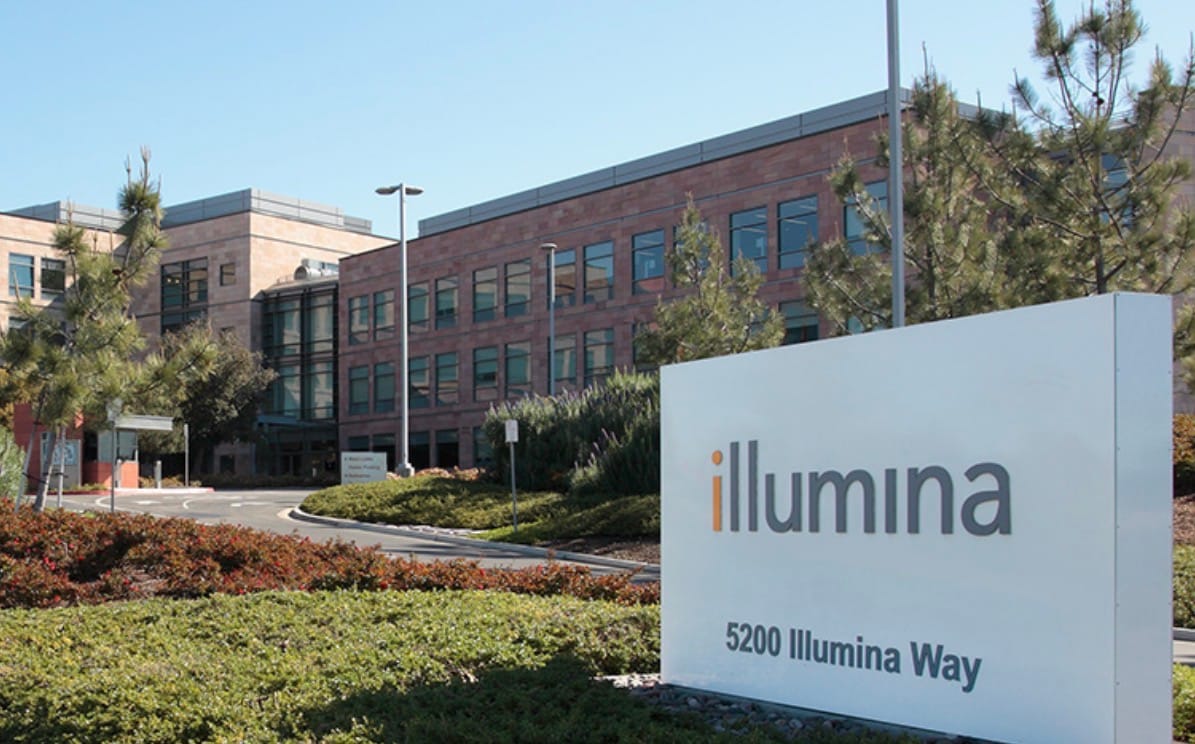

Illumina mapped 1 billion CRISPR-edited cells across more than 200 disease-relevant cell lines on January 13, creating the largest functional genomics dataset ever assembled. The Billion Cell Atlas captures genetic perturbations in approximately 20,000 genes linked to cancer, immune disorders, cardiometabolic conditions, neurological diseases, and rare syndromes.
The dataset transforms drug discovery from animal models into AI-trainable human evidence. Researchers can now validate drug targets using actual human genetic responses instead of rodent approximations. Standardized protocols processed through Illumina's DRAGEN pipeline enable cross-lab compatibility.
Illumina sequenced more than 150 million single cells to generate 3.1 petabytes of data. The company projects 20 petabytes annually as it scales toward 5 billion cells within three years. Each perturbation map reveals how drug candidates affect cells at molecular resolution, compressing years of pharmaceutical trial and error into searchable data.
Access remains the unanswered question. Illumina launched the atlas as a BioInsight commercial product with founding partners including AstraZeneca, Merck, and Eli Lilly, according to the company's January 13 release. Prospective users must contact BusinessDevelopment@illumina.com. No public repository exists. The company has not specified whether academic labs or biotech startups can query the dataset without licensing agreements, or what "strategic partnerships" means for smaller research institutions.
The next validation step will determine whether AI models trained on this data predict clinical outcomes better than existing animal-based methods. Can algorithms identify failing drug candidates before human trials? Will the infrastructure that makes that possible remain concentrated among pharmaceutical giants or become shared research commons?