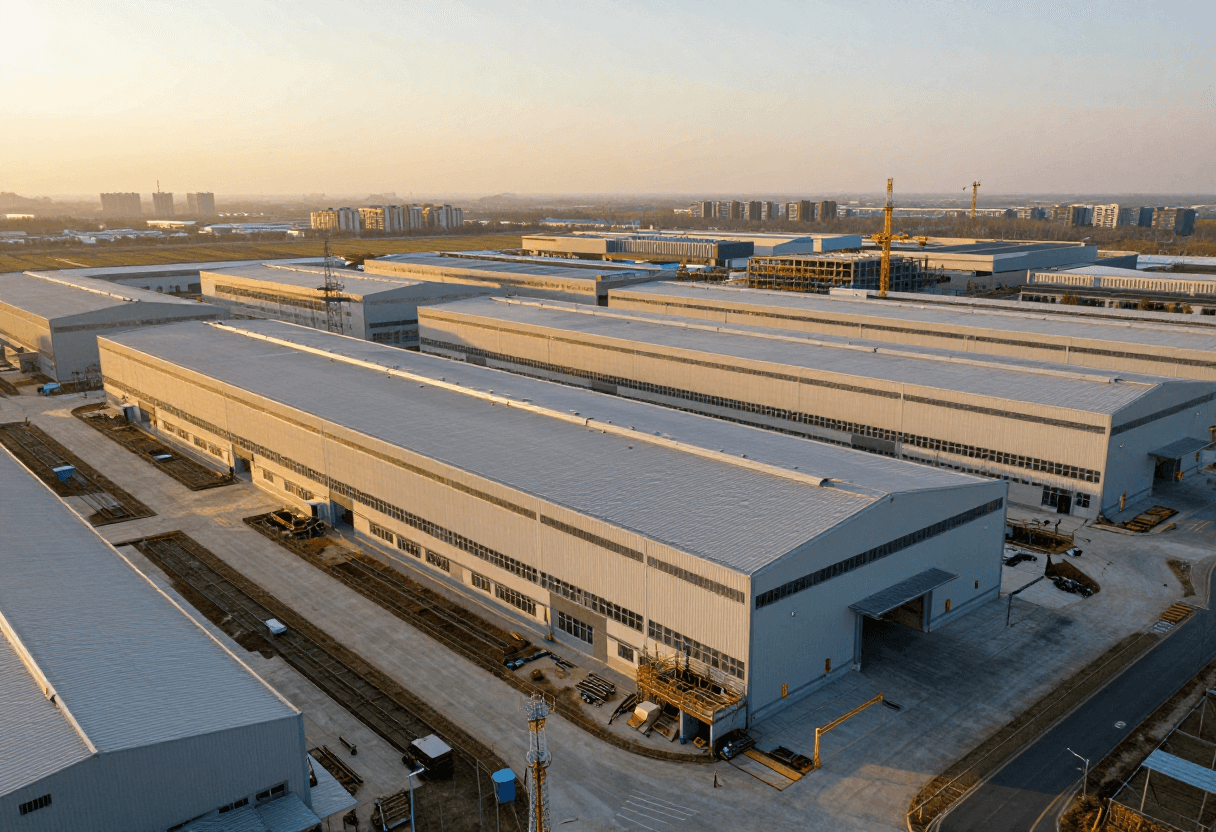

Helion Energy is the first company in the world to receive regulatory licenses for a fusion power facility. The Washington Department of Health issued a Radioactive Materials License and a Radioactive Air Emissions License Tuesday for the Everett, Wash.-based startup's planned plant in Central Washington, where it broke ground last year.
Why it matters: The licenses indicate Helion has met safety requirements for facilities, personnel and safety programs — a key step as the company races to fulfill its 2021 deal with Microsoft to begin supplying 50 megawatts of electricity by 2028 to power a data center in Malaga, Wash.
The bigger picture: Helion is one of more than 40 companies worldwide racing to replicate the reactions that power the sun and produce clean, abundant energy from fusion on Earth. The company recently raised $463 million in new funding, bringing total investments to $1.5 billion.
Reality check: No company or academic effort has produced commercially viable amounts of energy from fusion compared to what it takes to power the overall system. Skeptics believe it will take many years before anyone cracks fusion power, and some wonder whether the energy source will ever be cost-competitive.
The regulatory landscape: The U.S. Nuclear Regulatory Commission determined in 2023 that fusion technology is more akin to particle accelerators and hospital equipment than to traditional nuclear fission reactors, and decided it should be regulated by DOH rather than treated like a fission plant. Washington state lawmakers also passed two bills to clarify fusion's status as a clean energy source and establish permitting rules.